Residents describe dining as better than typical facility food.
Several residents mention that the food quality stands out and feels more like restaurant dining than cafeteria meals. Others also describe variety at meals and choosing from what they want, which supports the idea that dining is a more comfortable part of the day for many people.
caveat2 reviews mention this
Meals can arrive lukewarm
Some residents report meals are not always served hot enough.
A few residents said their meals were only lukewarm or not hot enough when delivered to rooms. In both comments, the rest of the stay was generally positive, but temperature was singled out as an issue that could affect comfort and satisfaction.
caveat2 reviews mention this
Getting help can take longer
Residents and families sometimes wait longer for assistance.
Some reviewers say they experienced slow response when they needed help, including delays related to answering call lights or getting to a room. A related concern also appears in remarks about longer-than-expected waits while receiving therapy and care support during the stay.
common2 reviews mention this
Social work supports discharge planning
Social services and case support help families plan next steps.
Multiple reviewers highlight that social workers helped manage follow-up needs, including coordination after discharge. This shows up as support for scheduling and continuity planning, which helped reduce stress during transitions for residents and families.
common2 reviews mention this
Activities are part of the routine
Residents describe an active schedule with group activities.
Reviewers mention daily activities and in-facility programming that helped keep people engaged during rehab or nursing care. One resident specifically called out entertainment as part of the activity lineup, and another described the overall activities program as engaging and varied.
How we summarize
Counts show how many written reviews mention each theme; a review can touch several themes, and only frequently mentioned themes are displayed.
Features
Housing
138 resident community capacity
Types of Care
Skilled Nursing Facility
Amenities
Air-conditioning
Beauty salon
Cable or satellite TV
Computer center
Dining room
Fitness room
Fully furnished
Gaming room
Garden
Housekeeping services
Kitchenette
Move-in coordination
Outdoor space
Private bathrooms
Restaurant-style dining
Small library
Telephone
Wellness center
Wi-Fi/high-speed internet available
Transportation
Bishop (4 miles away)
Community operated transportation
Transportation arrangement
Transportation arrangement (non-medical)
Transportation to doctors appointments
Care Services
12-16 hour nursing
24-hour call system
24-hour supervision
Activities of daily living assistance
Assistance with bathing
Assistance with dressing
Assistance with transfers
Diabetes diet
Meal preparation and service
Medication management
Mental wellness program
Special dietary restrictions
Dining
Diabetes diet
Special dietary restrictions
Activities
Community-sponsored activities
Concierge services
Fitness programs
Planned day trips
Resident-run activities
Scheduled daily activities
Nearby Places of Interest
Restaurants
Applebee's (0.2 miles)
Jersey Mike's (0.7 miles)
Bangkok Pepper (0.7 miles)
McDonald's (0.7 miles)
Mario's Restaurant & Pizzeria (1.1 miles)
Brick Street Bar & Grill (1.8 miles)
Sweetwater (2.2 miles)
Physicians
Dr Trudell (0.5 miles)
Rohr Eye and Laser Center (0.7 miles)
Benton Family Practice (0.7 miles)
McLaren Flint – Grand Blanc Occupational Health & Convenient Care (0.9 miles)
Premier Oral Surgery & Implants, PLC (1.9 miles)
Peter Jajou, DO (2.2 miles)
Grand Blanc Family Footcare: Steven Karr, DPM (2.4 miles)
Cafes
Starbucks (0.7 miles)
Panera Bread (1.7 miles)
Tim Hortons (2.3 miles)
Starbucks (2.5 miles)
Biggby Coffee (4.1 miles)
Parks
Bicentennial Park (1.4 miles)
Highest Hope Dog Sports (3.6 miles)
Pharmacies
Walgreens (1.4 miles)
Flint Family Pharmacy (1.6 miles)
Rite Aid (2.3 miles)
Discount Rx (3 miles)
Genesee County Pharmacists Association (3.4 miles)
Rite Aid (4 miles)
Grifols (4 miles)
Places of Worship
Holy Spirit Lutheran Church (1.4 miles)
Holy Redeemer Church (2.4 miles)
Holy Family Church (2.8 miles)
Theaters
NCG Trillium Cinemas (3.3 miles)
Hospitals
Dr Ron Coriasso DO (3.4 miles)
Dunahoo Erin Hope Network Insight Recovery Center Flint (3.7 miles)
Genesys Rehab (3.8 miles)
Genesys Hospital (3.8 miles)
Cardiology - Ascension Genesys Heart Institute (3.8 miles)
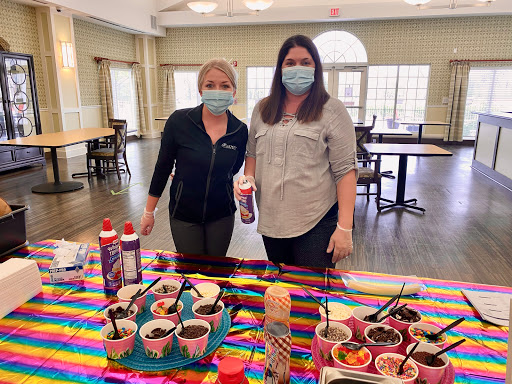
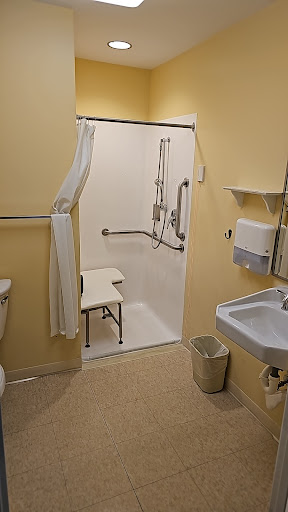
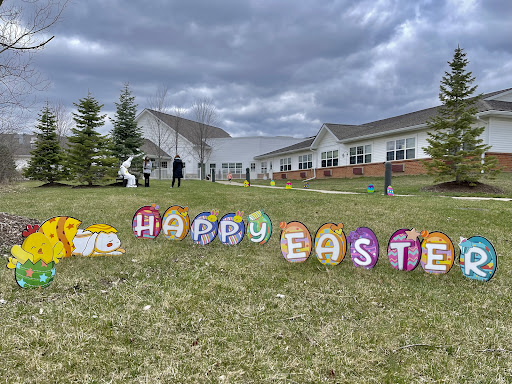
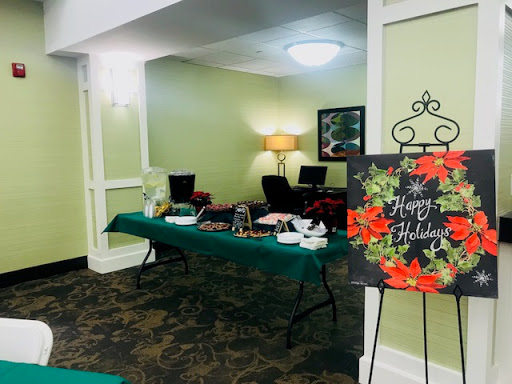
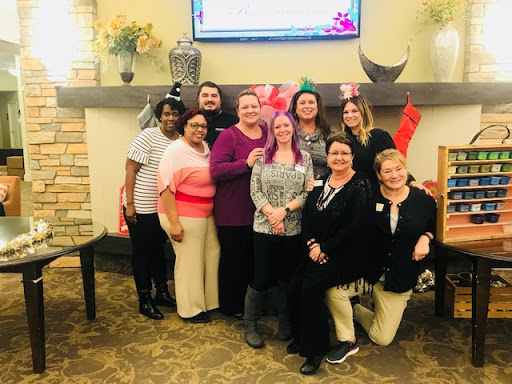
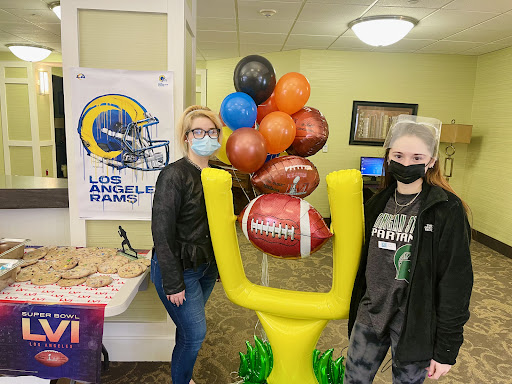
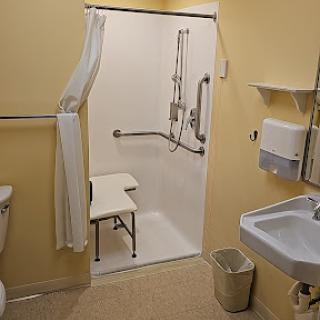
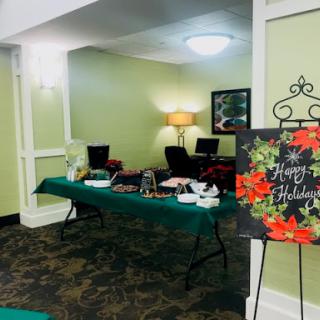
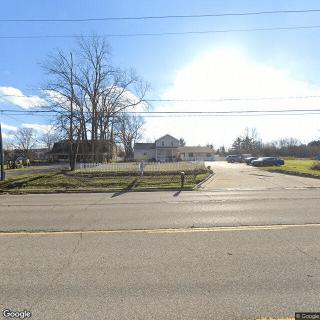
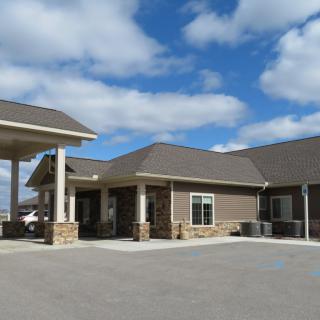
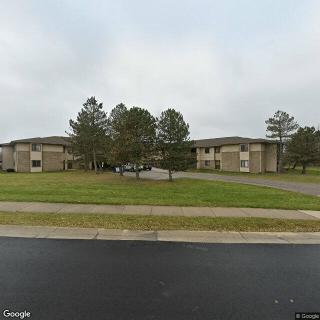
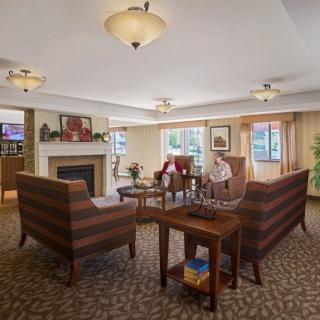
Regency At Grand Blanc on seniors.fyi includes 9 photos including images showing interior, dining, decor, bathroom, lobby, cooking, flag, office, and more.
Nearby Communities
Bella Vita of Grand Blanc
Grand Blanc, MI
2.3 from 10 reviews
$4,300 to $7,200 / month
Memory-care focused with 24/7 supervision and extensive on-site amenities.
Right At Home
Grand Blanc, MI
4.2 from 23 reviews
Excellent access to nearby dining, pharmacies, parks, and cultural venues.
Porter Place
Grand Blanc, MI
4 from 4 reviews
Full-service assisted living with 24/7 supervision, ADL support, meals, and medical transport.
Porter Road Home
Grand Blanc, MI
3.7 from 3 reviews
Personalized, home-like care with 24-hour supervision and comprehensive daily support.
Hope Shores 2
Burton, MI
5 from 1 review
Fully furnished apartments with meals, housekeeping, care, and transportation to medical appointments.
Maple Place
Flint, MI
4.7 from 3 reviews
Small, homelike setting with attentive staff and on-site nurse; home-cooked meals.
Grand Blanc Fields
Grand Blanc, MI
4.3 from 48 reviews
$4,000 to $4,600 / month
Clean, home-like environment with private rooms and private baths, supported by caring staff.
Grand Meadows II Senior Apartments
Grand Blanc, MI
4 from 6 reviews
$640 to $760 / month
Renovations and new ownership aim to improve services for disabled/assisted living, with on-site amenities and accessible features.
American House Grand Blanc Senior Living
Grand Blanc, MI
4.6 from 188 reviews
$1,850 to $3,540 / month
Friendly staff and an active, welcoming community.
Senior move management provides specialized support for older adults relocating by assisting with logistics, emotional challenges, and downsizing decisions to ensure a smooth transition to new living environments. These services address the unique needs of seniors and have become increasingly important as baby boomers retire and seek to downsize.
Weight training is vital for seniors to maintain muscle mass, bone density, and overall health, combating age-related declines through customized resistance exercises that enhance balance and well-being. Safe routines should start with realistic goals and proper form, while emphasizing gradual progress and consultations with healthcare providers to ensure safety and effectiveness.
The Sandwich Generation comprises adults managing the dual responsibilities of caring for aging parents and raising children, leading to significant emotional, logistical, and financial challenges. This situation is exacerbated by longer life expectancies and cultural expectations, necessitating effective coping strategies and support resources to alleviate caregiver stress and burnout.
Get PricingAsk A QuestionSchedule A TourContact Senior Advisor
By clicking submit, you agree to our Partner's Terms of Use. You
also consent to receive calls and texts, which may be autodialed, from our Partner. Your consent is not a condition to
using our Partner's service. Please visit our Partner's Privacy Policy for information about their privacy practices.










 138 resident community capacity
 Skilled Nursing Facility
 Air-conditioning
 Beauty salon
 Cable or satellite TV
 Computer center
 Dining room
 Fitness room
 Fully furnished
 Gaming room
 Garden
 Housekeeping services
 Kitchenette
 Move-in coordination
 Outdoor space
 Private bathrooms
 Restaurant-style dining
 Small library
 Telephone
 Wellness center
 Wi-Fi/high-speed internet available
 Bishop (4 miles away)
 Community operated transportation
 12-16 hour nursing
 24-hour call system
 Activities of daily living assistance
 Assistance with bathing
 Assistance with dressing
 Assistance with transfers
 Diabetes diet
 Medication management
 Mental wellness program
 Special dietary restrictions
 Concierge services
 Planned day trips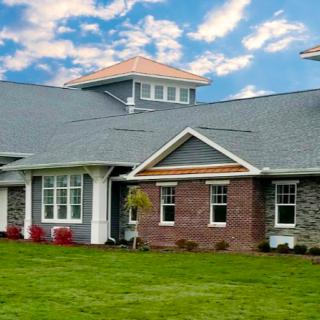
 Memory-care focused with 24/7 supervision and extensive on-site amenities.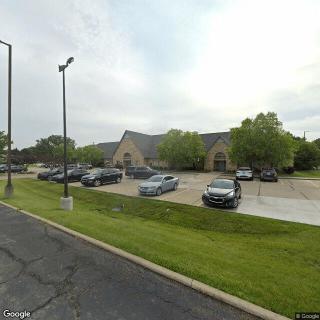

 Senior Move Management: Understanding the Role, Value, and Associated Costs
 Weight Training for Seniors: Building Strength and Vitality
 Understanding the Sandwich Generation: Stress and Responsibilities for Multigenerational Caregivers