

1132 East Maple Avenue, Flint, MI 48507
To contact a resident: (810) 238-7678
For more information about senior living options: (866) 208-4318
Maple Place Costs & Pricing
| Floor plans | Maple Place | Genesee County | Michigan |
|---|---|---|---|
| Private | $5,500 | $4,118 | $3,674 |
Overall Review of Maple Place
Pros
 The staff at Maple Place is good and attentive.
- The facility is consistently clean.
- They offer engaging activities like bingo, movie nights, and arts and crafts.
- Residents enjoy outdoor activities, such as going outside to catch a ball.
- They provide home-cooked meals and a large, communal dining table.
- The care for residents is impressive, with strong staffing and on-site RN coverage.
- The owner is outstanding, and the environment is welcoming, friendly, and home-like.
- The setting feels more like a home than a nursing facility, with a warm, personable vibe.
- The care and overall experience are reasonably priced for the level of service.
Cons
 They don’t have a whole lot of activities.
- It’s not a new place.
Review
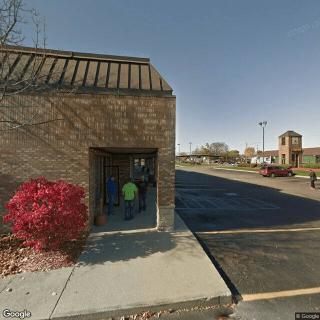
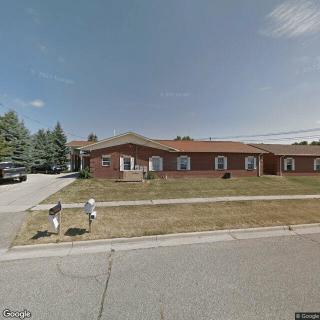
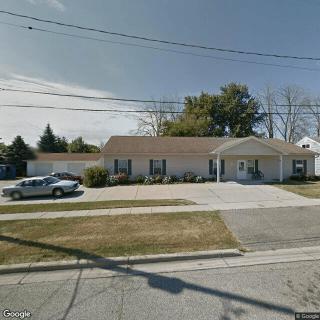
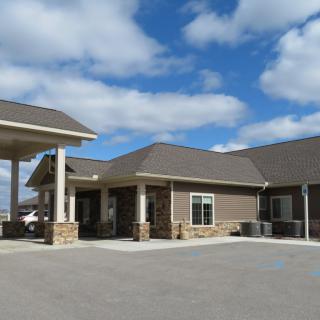
Maple Place is best suited for families seeking a truly intimate, home-like assisted living experience in Flint. This community shines for residents who prioritize personalized attention, a warm social atmosphere, and simple, predictable routines over a glossy, institutional setting. The small size, roughly 10 to 13 residents, creates a tightly knit environment where staff can know each person well and respond quickly. It is particularly well-matched for seniors who may need dementia- or hospice-oriented care, where the emphasis is on comfort, familiar surroundings, and steady daily rhythms. Those needing a large campus with extensive programming or aggressive rehabilitation services should consider alternatives.
What sets Maple Place apart is the combination of hands-on caregiving and medical oversight wrapped in a home-like frame. Several reviews highlight a nurse-owner involvement and a strong front-line staff presence, with high contact and attention to residents’ needs. The on-site conveniences extend beyond care: meals are home-cooked and included, cleaning and laundry are handled, and the overall environment feels clean and welcoming. The owner’s nursing background appears to translate into thoughtful medical support, while the pastoral, smaller setting makes warmth and respect a daily standard rather than a bonus. That mix appeals to families who want reassurance that medical needs will be monitored without sacrificing everyday dignity.
On the downside, Maple Place presents a lean activity schedule and a pace that can feel gentle to some. The same small footprint that fosters closeness also constrains the breadth of programming, no robust, campus-wide activity calendar with busier outings or extensive structured therapies. One reviewer notes a lack of a heavy activity slate, while others emphasize social opportunities like bingo, movie nights, crafts, and periodic guests. For families seeking a dynamic, highly scheduled day filled with frequent outings, concerts, or formal therapy programs, these limits may be a meaningful gap. The facility’s renovation as a two-wing home keeps the charm but sacrifices the newest amenities and architectural scale some residents expect.
The care model shifts perceived pros into practical advantages that offset the downsides for the right resident. The high staff-to-resident engagement, including four aides for a cohort of about a dozen, translates into attentive monitoring, quicker assistance, and more consistent routines than larger facilities often provide. Cleanliness, reliable housekeeping, and the sense of home, along with the social warmth of a welcoming staff, help reduce isolation and anxiety for residents who thrive on personal recognition. For families managing dementia or transitional hospice needs, the intimate setting paired with home-cooked meals and caregiver familiarity can significantly ease daily stress, even if the activity calendar isn’t as expansive as at bigger communities.
However, potential residents should clearly verify current nursing coverage and rehabilitation options, as reports vary. Some accounts emphasize an on-site RN around the clock, while others describe daily visits and reliance on visiting therapists rather than resident nurses. Prospective families should confirm the present nursing model during a tour and ask how medical oversight is detailed in care plans, especially for residents with evolving needs. It’s also prudent to probe the availability and frequency of physical therapy, speech therapy, and other rehabilitative services, since the lean setting may limit in-house offerings. Cost clarity matters too, understand what is included in the base rate and what would incur additional charges.
In sum, Maple Place is a compelling choice for families prioritizing a warm, home-like atmosphere, strong caregiver presence, and practical medical oversight in a compact community. It excels for residents who value dignity, familiar routines, and shared mealtimes within a supportive, neighborly environment. Alternatives may be preferable for those seeking a more extensive activity program, a newer facility aesthetic, or more comprehensive on-site rehabilitation services. Guided by a candid tour and clear questions about current nursing coverage, therapy access, and schedule depth, families can determine if Maple Place aligns with their loved one’s health needs, personality, and budget.
 16 resident community capacity
 Assisted Living
 Board and Care Home
 Cable or satellite TV
 Dining room
 Fully furnished
 Garden
 Housekeeping services
 Move-in coordination
 Outdoor space
 Telephone
 Wi-Fi/high-speed internet available
 Bishop (3 miles away)
 24-hour supervision
 Activities of daily living assistance
 Assistance with bathing
 Assistance with dressing
 Assistance with transfers
 Diabetes diet
 Meal preparation and service
 Medication management
 Special dietary restrictions
 Transportation arrangement (medical)
 Transportation to doctors appointments

 8 Key Indicators That Suggest It May Be Time to Transition from Assisted Living to Skilled Nursing Care
 Vibrant Senior Living: A Comprehensive Guide for Active Older Adults
 When to Transition from Assisted Living to Memory Care: Key Indicators, Steps, and Finding the Right Community