
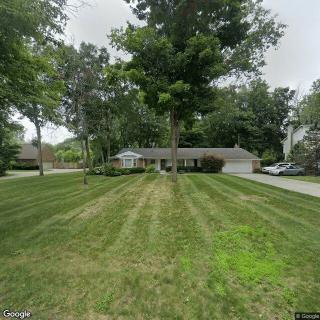
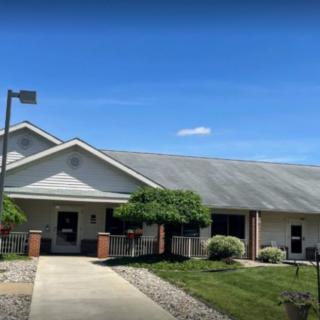
1152 Woodkrest, Flint, MI 48532
For more information about senior living options: (866) 208-4318
Overall Review of The Sugarbush House III
Pros
 The mother is very happy at Sugarbush Woodkrest House.
- Requisha and the caregivers are kind and caring toward her.
- She is very happy here.
- She is in very good hands.
Review
The Sugarbush House III in Flint is best suited for families seeking a small, home-like assisted living where the caregiving staff are consistently attentive and residents enjoy stable, reassuring routines. This community tends to appeal to a parent who values a warm, personal touch over a wide array of bells and whistles. Feedback from families highlights staff kindness and a resident who feels secure and well cared for. That combination, meaningful staff–resident relationships paired with a resident who smiles and remains at ease, positions Sugarbush House III as a practical fit for families prioritizing comfort, continuity, and hands-on reassurance in daily care.
Those who should consider alternatives are families with higher medical needs or a desire for specialized memory care, larger social ecosystems, or more extensive on-site medical oversight. The limited public information makes it prudent to compare with other Flint options that offer around-the-clock nursing coverage, stronger clinical programs, and more varied activity calendars. The small footprint of available feedback means experiences can diverge; a formal tour, direct questions about staffing ratios, and references from current families are essential. If transparency on rates, care levels, and hospital-to-home communication is non-negotiable, use Sugarbush as an initial touchpoint rather than the final decision.
Key strengths revolve around staff warmth and resident happiness. The caregiving team is described as genuinely kind, with caregivers who invest time to ease daily living and to reassure families. Practically, this translates into calmer days for residents, reduced agitation for those who thrive on familiar faces, and smoother transitions for families handing over daily tasks. When the environment feels like a trusted extension of home, the risk of social withdrawal drops and routines stay steady, which can help preserve independence longer. In short, the human connection becomes the central safeguard against the kinds of dissatisfaction that alarm families about senior living.
Those benefits offset potential gaps in data in a practical, workmanlike way: a homey, attentive culture can compensate for limited publicly visible programming. Still, the absence of detailed information about medical support, activity breadth, and response times means potential gaps may exist for residents with more complex needs. If a resident requires frequent nursing checks, specialized wound care, or highly structured daily schedules, the warmth may not fully cover those requirements. Families should balance the emotional comfort of seasoned caregivers with concrete assurances about clinical oversight, emergency protocols, and how care plans are updated and communicated.
What to verify on site is concrete: staffing levels by shift and the frequency of nursing oversight; exactly what services are included versus what carries an additional charge; memory care capabilities if needed; meal quality and dietary accommodations; transportation options for errands and appointments; and how activities are tailored to different energy levels. Ask to meet direct caregivers who would be assigned to the resident, not just administrative staff, and request a representative week of activities. Pull current licensing status, and request recent references. Compare this setting with at least two other local communities to gauge value, safety nets, and the speed with which issues are resolved.
Bottom line: Sugarbush House III is a solid choice for families prioritizing tenderness, consistency, and a home-like atmosphere where a resident can feel genuinely cared for. It excels in caregiver engagement and resident happiness, which reduces the emotional burden on families. But for those needing robust medical management, specialized memory care, or a broader social milieu, alternatives deserve serious consideration. Use a focused tour to stress-test staffing, care levels, and financial terms, then determine whether the day-to-day experience aligns with the resident’s needs and the family’s peace of mind.
 6 resident community capacity
 Assisted Living
 Board and Care Home
 Memory Care
 Cable or satellite TV
 Dining room
 Fully furnished
 Garden
 Housekeeping services
 Move-in coordination
 Outdoor space
 Telephone
 Wi-Fi/high-speed internet available
 Bishop (4 miles away)
 24-hour supervision
 Activities of daily living assistance
 Assistance with bathing
 Assistance with dressing
 Assistance with transfers
 Diabetes diet
 Hospice waiver
 Meal preparation and service
 Medication management
 Mental wellness program
 Special dietary restrictions
 Transportation arrangement (medical)
 Transportation to doctors appointments



 5 Early Indicators of Dementia and What You Can Do
 8 Important Indicators That Memory Care May Be Necessary
 Delving into the Inner World of Dementia: Insights into Thoughts and Awareness