For more information about senior living options: (866) 208-4318
4.2 from 24 reviews
5 stars
15
4 stars
4
3 stars
2
2 stars
1
1 stars
2
Sugarbush House Costs & Pricing
Sugarbush House offers competitive monthly rates that reflect its commitment to quality care and comfortable living. For semi-private rooms, the cost is set at $3,500, slightly above the average for Genesee County at $3,243 but still favorable in comparison to the state of Michigan where the average stands at $3,191. Similarly, the one-bedroom option is priced at $3,500, aligning closely with the county's average of $3,121 while remaining lower than Michigan's state average of $3,384. The private room rate of $3,800 is higher than both local and state averages - $4,118 in Genesee County and $3,675 statewide. Overall, Sugarbush House reflects a balanced approach to pricing that acknowledges both its premium services and the regional market dynamics.
Floor plans
Sugarbush House
Genesee County
Michigan
Semi-Private
$3,500
$3,243
$3,189
1 Bedroom
$3,500
$3,121
$3,384
Private
$3,800
$4,118
$3,674
Memory care communities with a similar price nearby
Residents and families repeatedly describe staff as caring and communicative.
Across the reviews, families describe staff as attentive, kind, and focused on residents’ comfort. Several people mention feeling kept in the loop, including updates about how loved ones are doing and quick responses when concerns come up. A few reviews also highlight specific caregivers building rapport, with families saying their loved ones felt safe and cared for day to day. The community also includes support during transitions and end-of-life, which reviewers frame as comforting for families.
common7 reviews mention this
Cleanliness and safety get praise
Families frequently praise the community’s cleanliness and safety focus.
Multiple reviewers say the home is kept clean and that loved ones are dressed and groomed when they visit. Several also describe safety as a priority, including staff staying engaged and monitoring residents’ well-being. There are also a couple of more critical tour experiences that mention dirt or upkeep concerns, but the overall pattern in reviews is strongly positive on cleanliness and safety practices.
common7 reviews mention this
Home-style dining with special diets
Meals feel home-style, and families like the food quality.
Residents and families describe dining as nutritious and varied, with meals served in a home-like way rather than institutional. Some reviewers specifically mention group meals and snacks, while others connect food to daily comfort. The community also offers special-diet support in the care plan, and reviewers who mention diabetes or dietary needs connect that to meal support.
caveat8 reviews mention this
Activities can be limited for some
Activity levels vary, with some visitors seeing mostly TV and meals.
Several reviews mention frequent engagement such as social events, scheduled activities, and musicians, along with routines that keep residents active during the day. Others describe a quieter day-to-day, saying there aren’t many set group activities and that they mostly see residents seated in front of the television. Even within positive reviews, the “small-group home” feel and relative quiet can show up as fewer structured outings compared with more active communities.
differentiator2 reviews mention this
Nurse visits and monitoring are noted
Some families note nurse monitoring and ongoing observation in daily care.
A couple of reviews describe staff checking vital signs and having a system to monitor residents’ movements. One family also mentions technology used to watch residents and caregivers responding when a resident tried to get up at night. This aligns with the community’s provided supervision and daily care support included in its care services.
caveat2 reviews mention this
Cost stands out, with value mentioned
A few reviewers frame the price as a key reason to choose this place.
One reviewer calls the low price the best part of the experience, while another says value for cost is good. That said, this theme isn’t mentioned as broadly as staff care, so it reads more like a secondary buying point than the centerpiece of daily impressions.
How we summarize
Counts show how many written reviews mention each theme; a review can touch several themes, and only frequently mentioned themes are displayed.
Features
Housing
6 resident community capacity
Studio apartments
Types of Care
Assisted Living
Board and Care Home
Memory Care
Amenities
Activities on-site
Bath tubs
Beautician on-site
Cable or satellite TV
Devotional services on-site
Dining room
Fully furnished
Garden
Housekeeping services
Indoor common areas
Move-in coordination
Outdoor common areas
Outdoor space
Private
Private bathrooms
Respite or short term stays offered
Telephone
Wheelchair accessible showers
Wi-Fi/high-speed internet available
Transportation
Bishop (5 miles away)
Care Services
24-hour supervision
Activities of daily living assistance
Ambulatory care
Assistance with bathing
Assistance with dressing
Assistance with transfers
Coordination with health care providers
Diabetes diet
Diabetic care
High acuity care
Incontinence care
Meal preparation and service
Medication management
Special dietary restrictions
Transportation arrangement (medical)
Transportation to doctors appointments
Dining
Diabetes diet
Meals provided
Special dietary restrictions
Activities
Activities on-site
Community-sponsored activities
Devotional activities on-site
Scheduled daily activities
Nearby Places of Interest
This part of Flint, Michigan offers a variety of amenities and services that cater to seniors looking for convenience and accessibility. With a range of restaurants nearby such as Bongiorno's Pizza and Ruggero's, residents can enjoy delicious meals without having to travel far. Additionally, there are several pharmacies in the area like Villa Linde Pharmacy and Linden Pharmacy for easy access to medications. For medical care, there are physicians such as Mid-Michigan Kidney and Hypertension Specialists, PC within close proximity, along with hospitals like McLaren Health Care Corporation nearby. The neighborhood also provides entertainment options at theaters like Rave Motion Pictures Flint West 14 and cafes like Biggby Coffee for socializing with friends. Furthermore, places of worship like Trinity Baptist Church and St John Vianney Church offer spiritual support for those seeking community connections. Overall, this area of Flint is a well-rounded location that caters to the needs of seniors looking for a comfortable and convenient living environment.
Restaurants
Bongiornos Pizza (0.6 miles)
Ruggero's (1.5 miles)
Sagano Japanese Bistro (1.9 miles)
Liberty Family Dining (2.6 miles)
Halo Burger (2.7 miles)
Red Lobster (2.7 miles)
Big John Steak & Onion (2.7 miles)
Pharmacies
Villa Linde Pharmacy (0.8 miles)
Linden Pharmacy (1.3 miles)
Health Mart Pharmacy (1.3 miles)
Good Neighbor Pharmacy (2.4 miles)
Diplomat Specialty Pharmacy (2.4 miles)
Walgreens (2.8 miles)
Kroger Pharmacy (2.8 miles)
Physicians
Mid-Michigan Kidney and Hypertension Specialists, PC (0.8 miles)
Regional Medical Imaging Villa Linde (0.9 miles)
Michigan Pediatric (1 miles)
Chart Endoscopy Center (1.2 miles)
Michigan Retina Vitreous Institute (1.3 miles)
Karlene Dermatology (1.4 miles)
Denny Martin DO (1.6 miles)
Hospitals
Children's Hospital of Michigan - Hurley Pediatric Surgery Clinic (1.1 miles)
McLaren Health Care Corporation (1.9 miles)
Mclaren Partial Day Treatment Facility (2.2 miles)
Select Specialty Hospital (2.9 miles)
Ross Medical Education Center-Flint (3.2 miles)
Da Vita (4.3 miles)
Theaters
Rave Motion Pictures Flint West 14 (2.3 miles)
Cafes
Biggby Coffee (2.8 miles)
Panera Bread (3.4 miles)
Cafe Rhema (5 miles)
Places of Worship
Trinity Baptist Church (3.1 miles)
St John Vianney Church (3.5 miles)
Holy Cross Lutheran Church (3.6 miles)
St Robert Catholic Church (4.4 miles)
House of Prayer Missionary Baptist Church (4.7 miles)
Sugarbush House offers competitive monthly rates that reflect its commitment to quality care and comfortable living. For semi-private rooms, the cost is set at $3,500, slightly above the average for Genesee County at $3,243 but still favorable in comparison to the state of Michigan where the average stands at $3,191. Similarly, the one-bedroom option is priced at $3,500, aligning closely with the county's average of $3,121 while remaining lower than Michigan's state average of $3,384. The private room rate of $3,800 is higher than both local and state averages - $4,118 in Genesee County and $3,675 statewide. Overall, Sugarbush House reflects a balanced approach to pricing that acknowledges both its premium services and the regional market dynamics.
The features of Sugarbush House are designed to create a supportive and safe environment for residents dealing with dementia or Alzheimer's disease. Assistance with dressing, bathing, and transfers ensures that residents maintain their dignity while receiving help in performing essential daily activities. Medication management is crucial for preventing missed doses and managing complex medication regimens, which can be particularly challenging for individuals with cognitive impairments. Meal preparation and service offer nutritious options tailored to individual dietary needs, fostering both physical health and social engagement during dining experiences. Transportation arrangements facilitate access to medical appointments, reducing stress for both residents and families while ensuring continuity of care. Coordination with healthcare providers enhances communication among caregivers, resulting in comprehensive support plans tailored to each resident's evolving needs. Additionally, 24-hour supervision guarantees safety and reassurance at all times, while incontinence care addresses a sensitive aspect of personal care discreetly, promoting comfort and dignity within the residence. Together, these features ensure a holistic approach to memory care that addresses both the physical and emotional well-being of residents.
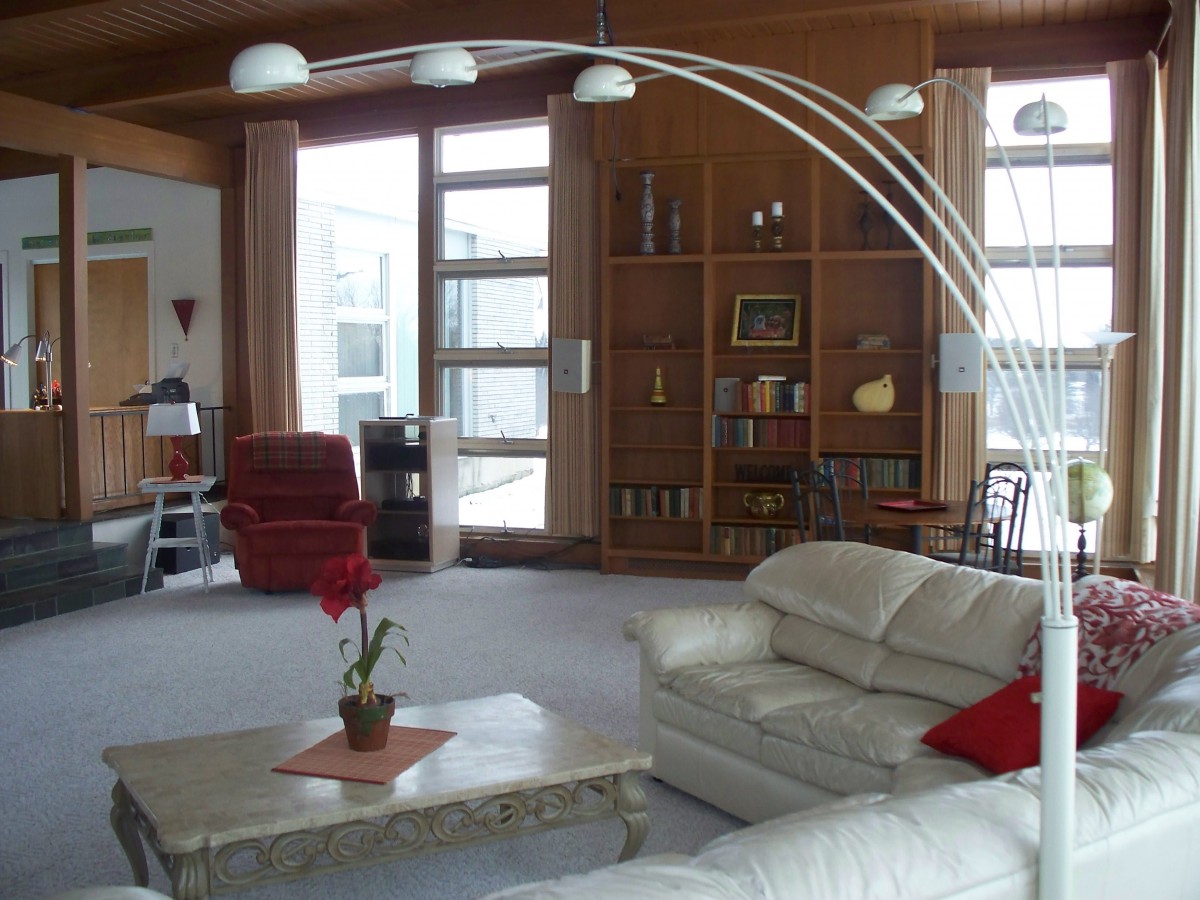
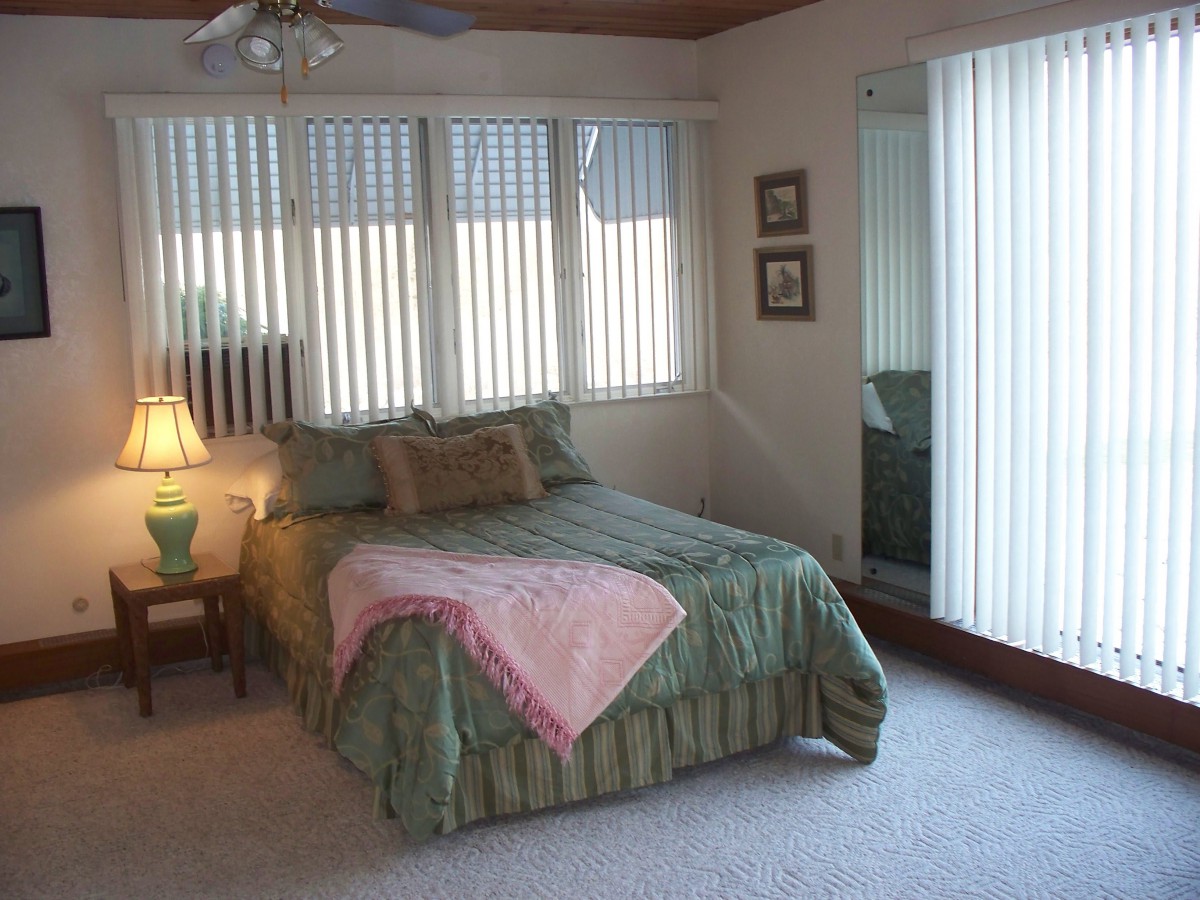
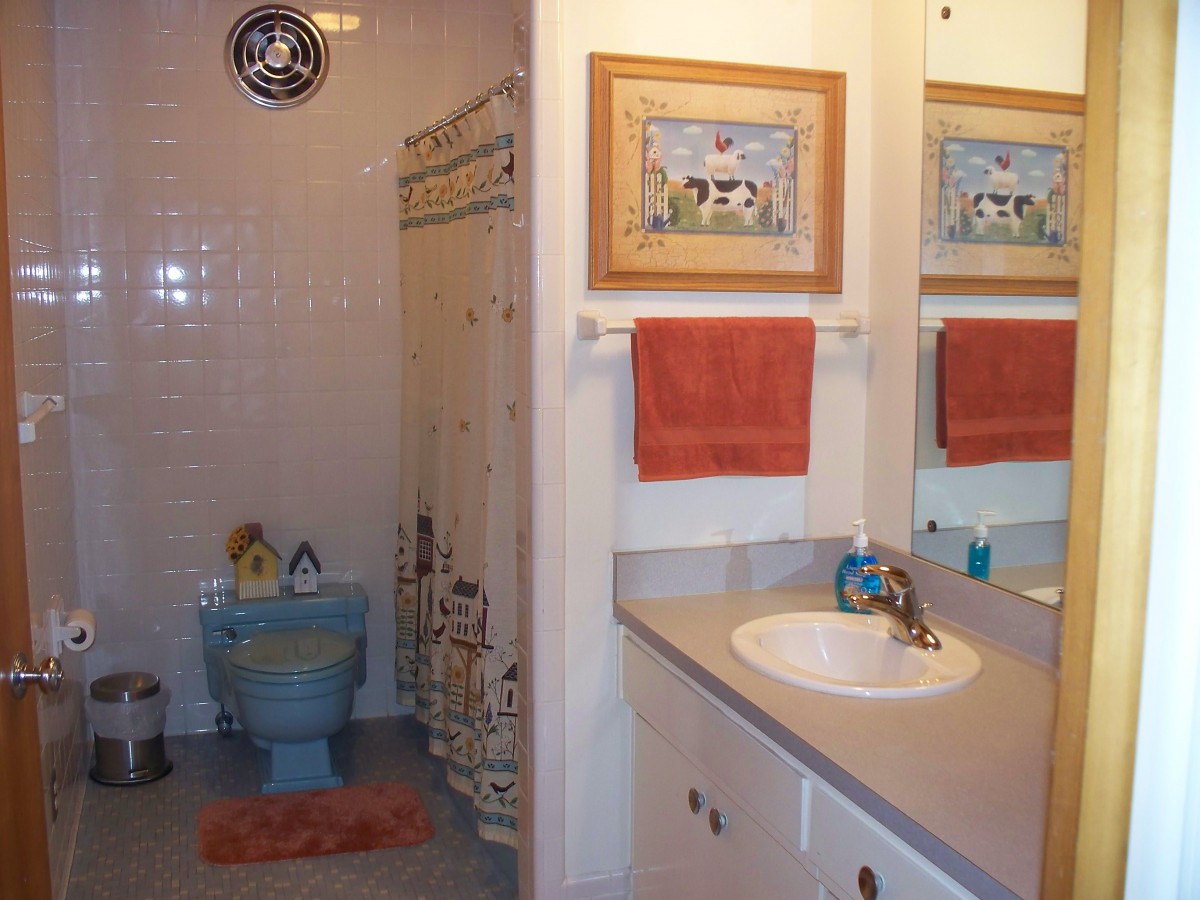
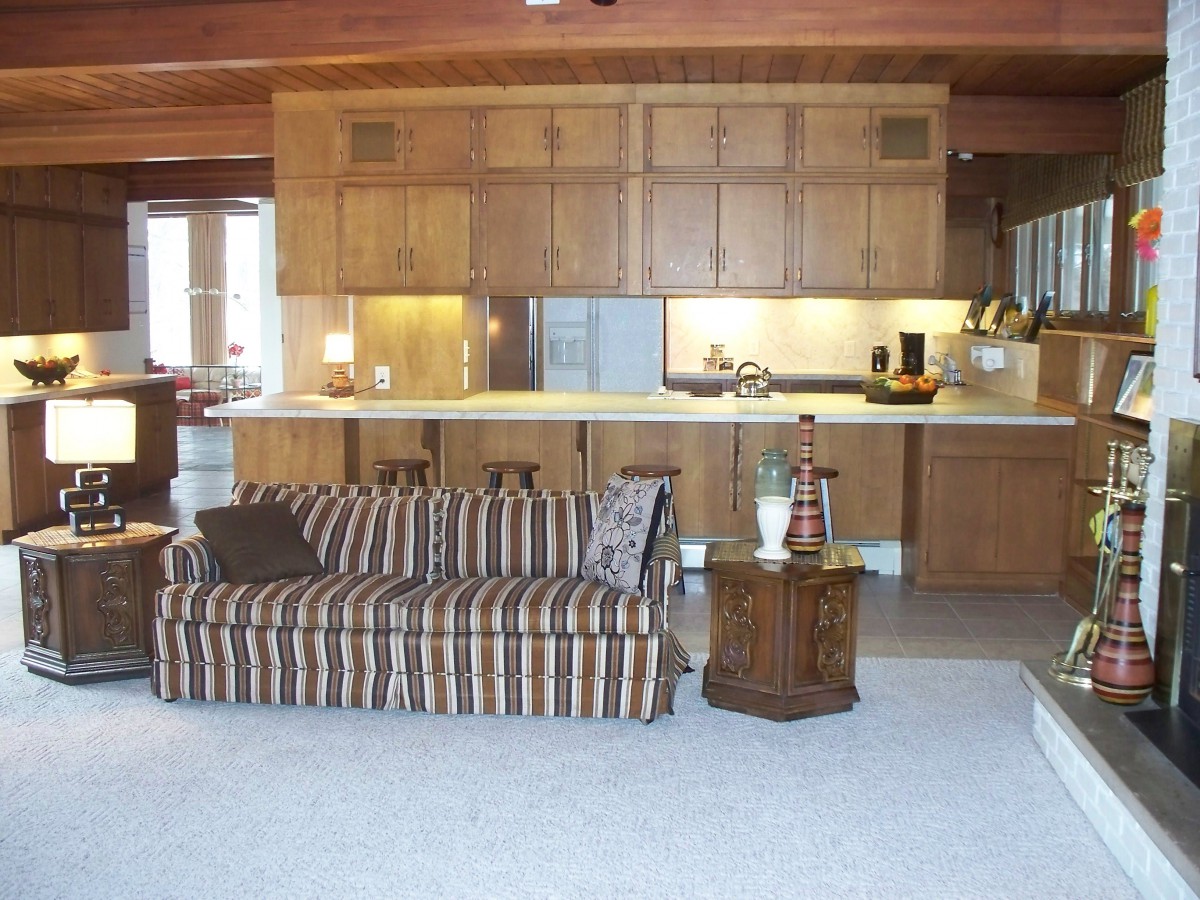
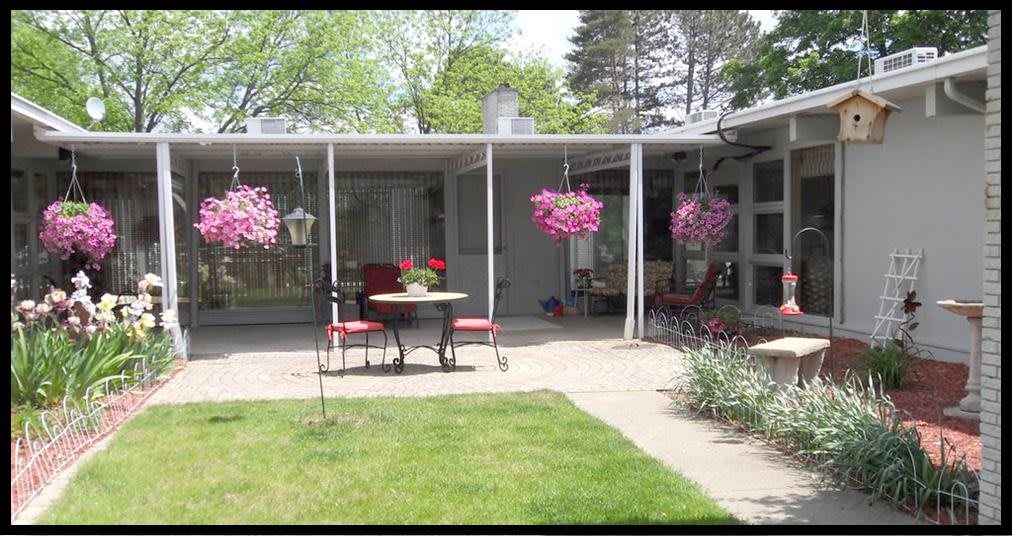
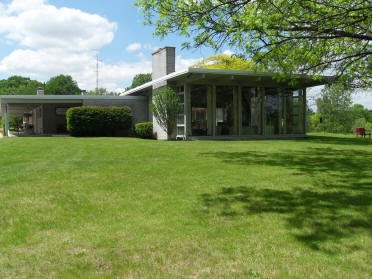
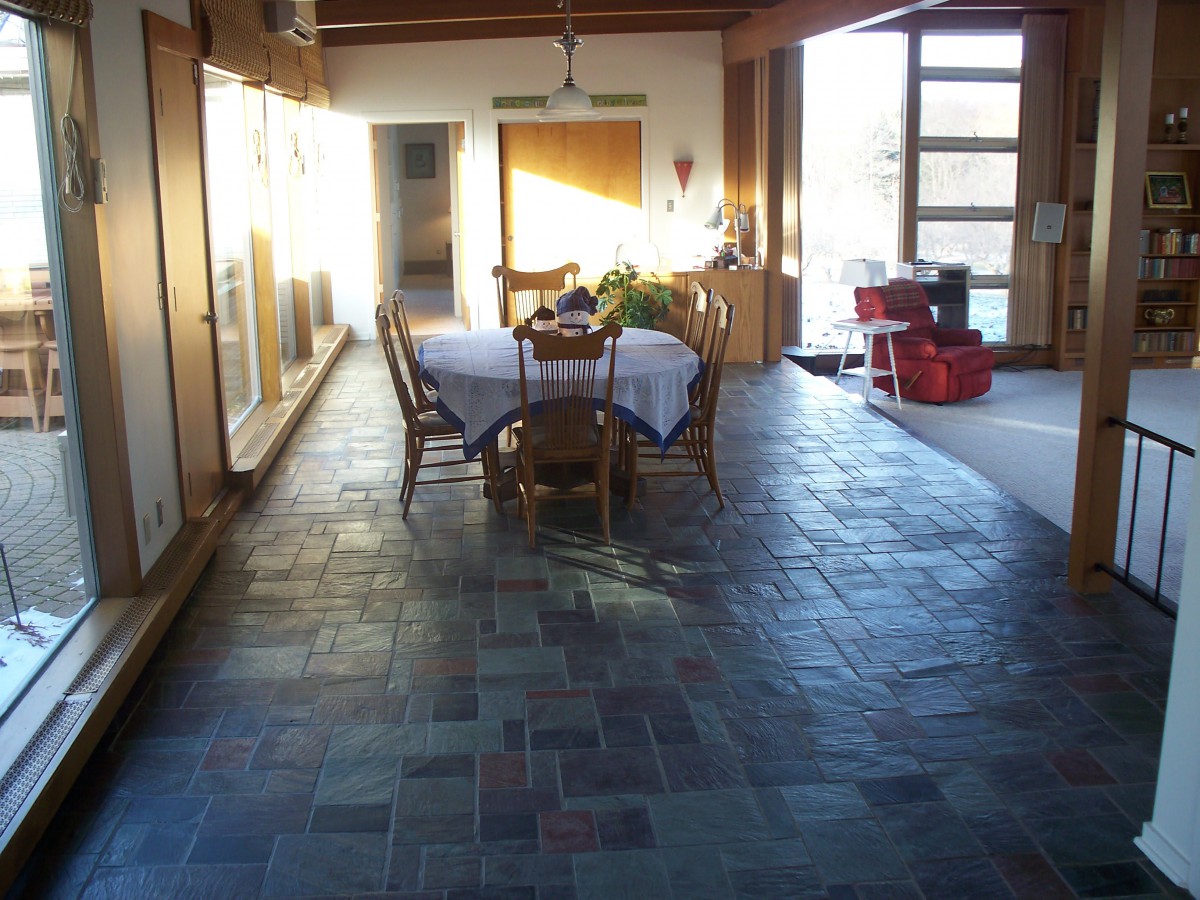
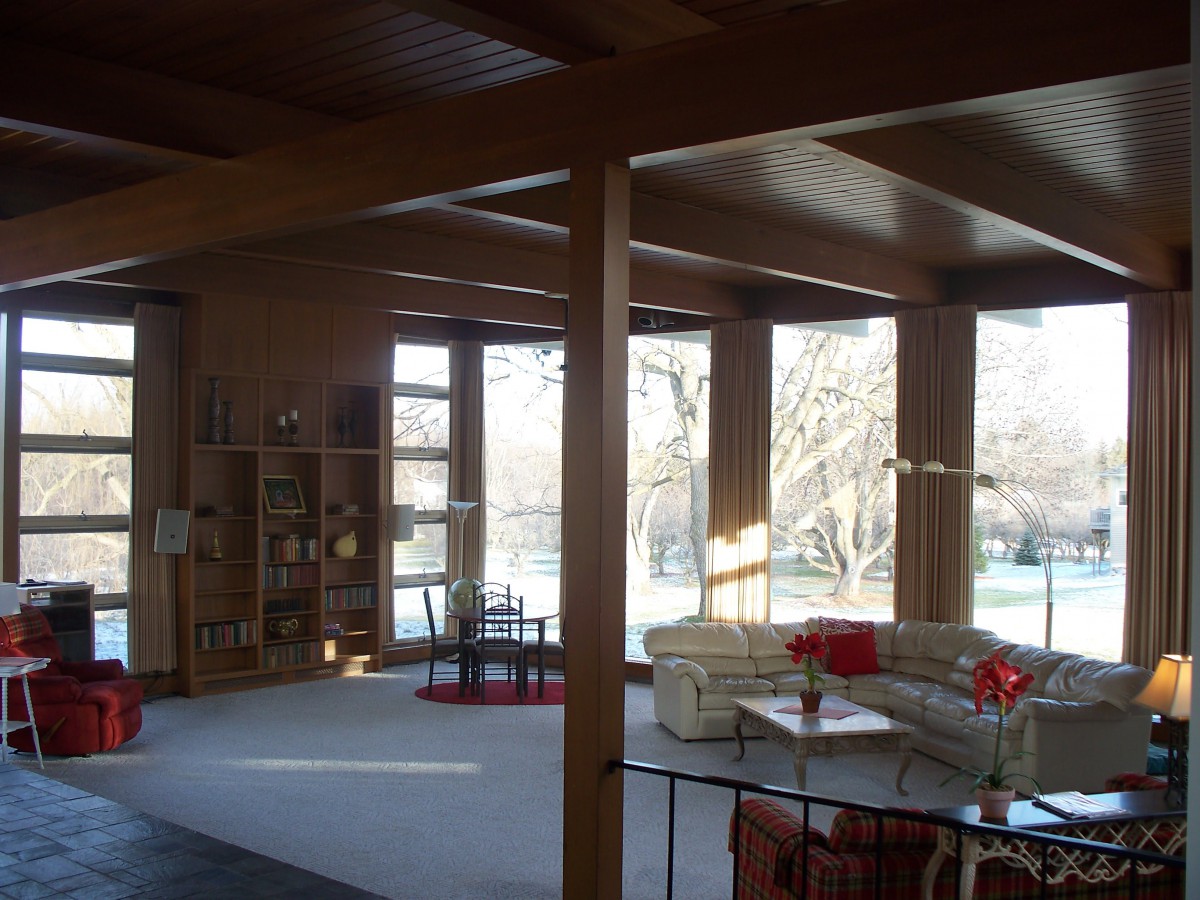
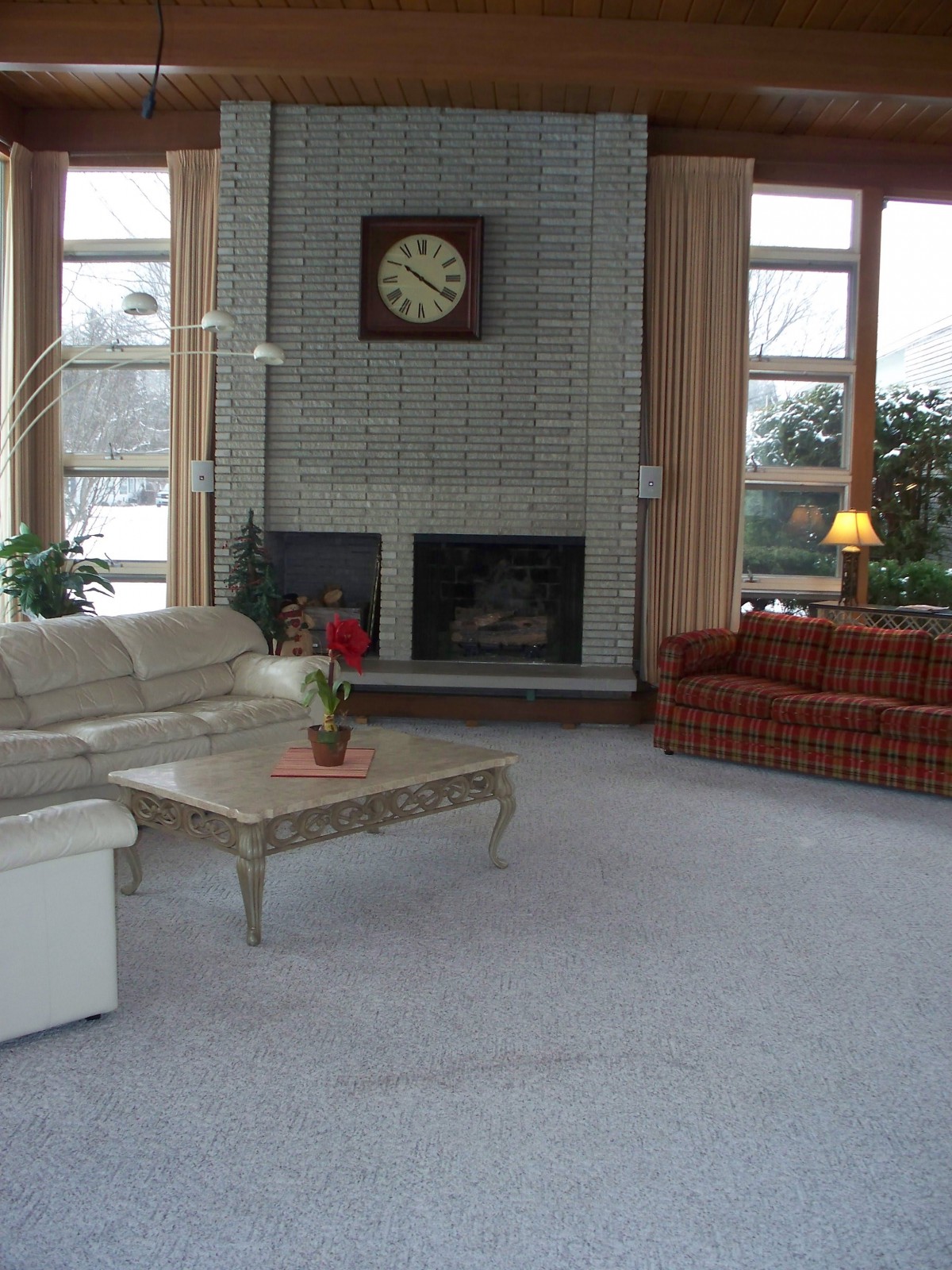
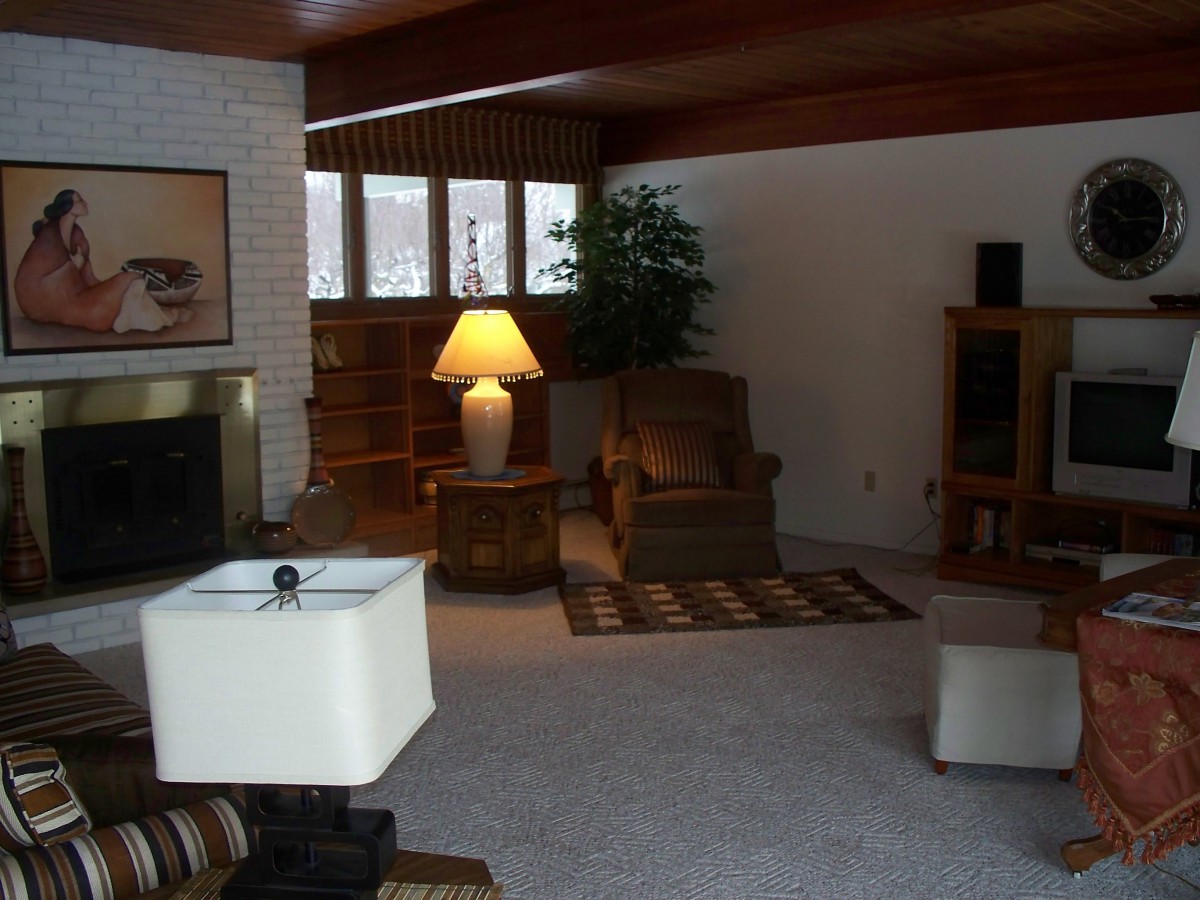
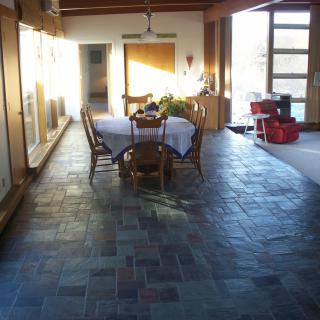
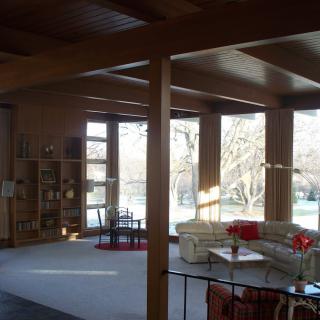
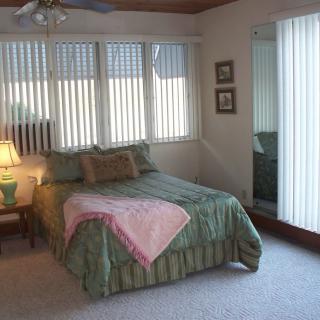
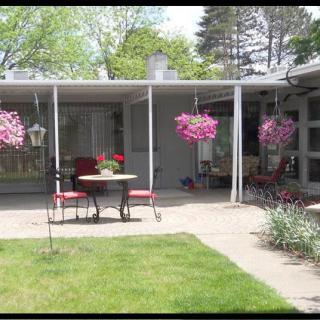
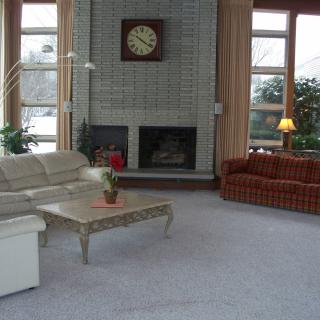
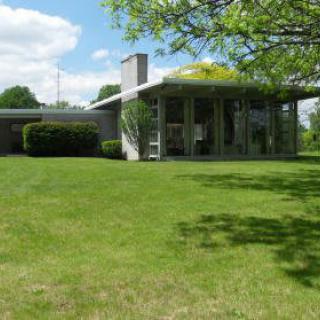
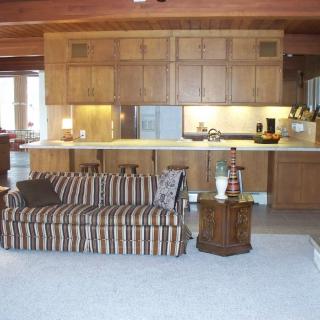
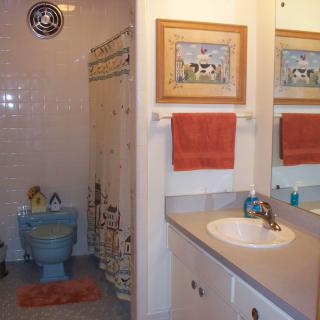
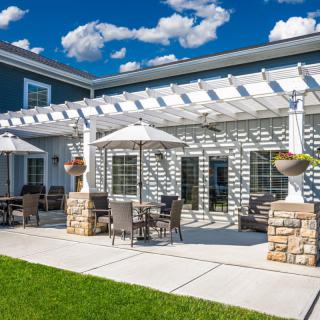
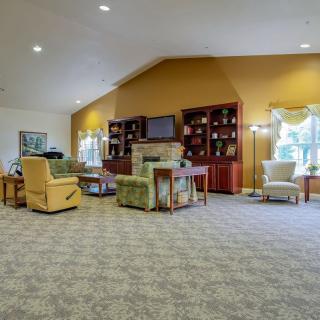
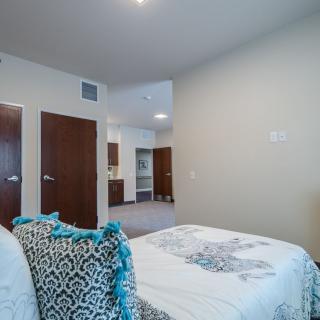
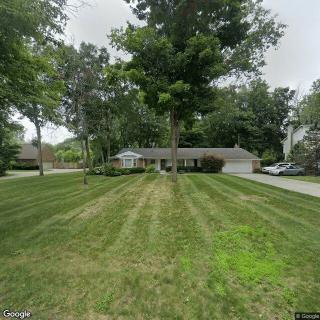
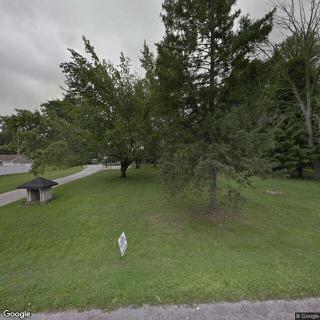
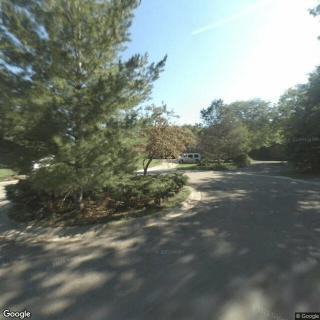
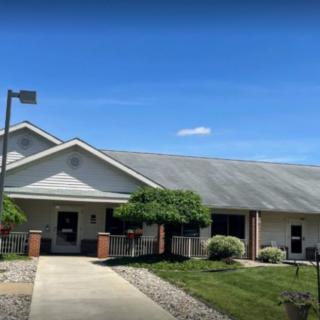
Sugarbush House on seniors.fyi includes 11 photos including images showing interior, living room, windows, decor, landscaping, bedroom, bathroom, dining, and more.
Nearby Communities
The Sugarbush House III
Flint, MI
5 from 2 reviews
Intimate setting with memory-care focus and 24/7 supervision.
Victoria's House
Flint, MI
5 from 1 review
$4,100 to $4,500 / month
Small community with 24-hour supervision, memory care, and comprehensive amenities.
Laurel Heights Adult Foster Care
Flint, MI
5 from 5 reviews
$3,000 to $4,000 / month
Supportive, engaging environment with 24-hour supervision and full personal care.
Sugarbush Living-Calkins House
Flint, MI
3.8 from 16 reviews
Small, intimate community offering personalized care.
Calkins House
Flint, MI
3.2 from 11 reviews
$3,500 / month
Specialized memory care with personalized assistance and affordable studio living.
Briarcrest Manor
Flint, MI
Specialized memory care in a small, home-like setting with personalized attention.
Cedarwood Apartments
Flushing, MI
4.5 from 2 reviews
$698 to $795 / month
Very affordable rents (1BR from $698; 2BR from $795) with on-site beautician and active social events.
Majestic Care of Flushing Assisted Living
Flushing, MI
3 from 12 reviews
$2,700 to $3,100 / month
Engaging activities program led by a dedicated activities director.
Rosehaven Manor
Flint, MI
4.5 from 73 reviews
$999 to $1,390 / month
Well-maintained facility with friendly staff and engaging activities.
Transitioning from assisted living to memory care is driven by an individual's cognitive decline and specific needs, requiring careful evaluation of indicators like increased confusion and wandering. The process involves consulting medical professionals, researching suitable communities, considering financial and legal aspects, and ensuring effective communication for personalized care plans.
The article differentiates between assisted living and memory care, explaining that assisted living supports seniors with daily activities while promoting independence, whereas memory care provides specialized services for individuals with dementia, focusing on secure environments and cognitive support. It also addresses staff training, safety considerations, costs, family involvement, and transition strategies for families navigating these care options.
The article outlines effective communication strategies for interacting with loved ones with dementia, highlighting the need for empathy, patience, and understanding while emphasizing supportive approaches like using simple language, minimizing distractions, and focusing on feelings over facts to maintain dignity and foster connection. It also suggests seeking professional guidance when needed as communication challenges evolve.
Get PricingAsk A QuestionSchedule A TourContact Senior Advisor
By clicking submit, you agree to our Partner's Terms of Use. You
also consent to receive calls and texts, which may be autodialed, from our Partner. Your consent is not a condition to
using our Partner's service. Please visit our Partner's Privacy Policy for information about their privacy practices.


 6 resident community capacity
 Studio apartments
 Assisted Living
 Board and Care Home
 Memory Care
 Activities on-site
 Bath tubs
 Beautician on-site
 Cable or satellite TV
 Devotional services on-site
 Dining room
 Fully furnished
 Garden
 Housekeeping services
 Indoor common areas
 Move-in coordination
 Outdoor common areas
 Private
 Private bathrooms
 Respite or short term stays offered
 Telephone
 Wheelchair accessible showers
 Wi-Fi/high-speed internet available
 Bishop (5 miles away)
 24-hour supervision
 Ambulatory care
 Assistance with bathing
 Assistance with dressing
 Assistance with transfers
 Diabetes diet
 Diabetic care
 High acuity care
 Incontinence care
 Meal preparation and service
 Medication management
 Special dietary restrictions
 Transportation arrangement (medical)
 Transportation to doctors appointments
 Intimate setting with memory-care focus and 24/7 supervision.
 When to Transition from Assisted Living to Memory Care: Key Indicators, Steps, and Finding the Right Community
 Understanding the Distinctions: Assisted Living and Memory Care Explained
 How to Communicate with a Loved One Living with Dementia: 10 Supportive Strategies