Bel-Aire Woods Adult Foster Care 2 Costs & Pricing
Bel-Aire Woods Adult Foster Care 2 offers a private room at a monthly rate of $4,000, which is competitively positioned within the landscape of care facilities in Genesee County and the broader state of Michigan. While the facility's pricing is slightly below the county average of $4,118, it is higher than the statewide average of $3,675. This pricing reflects not only the quality of care and amenities provided but also positions Bel-Aire Woods as an attractive option for individuals seeking personalized support in a comfortable environment. By balancing cost with service quality, this facility aims to meet the needs of residents while ensuring they receive exceptional care tailored to their individual requirements.
Floor plans
Bel-Aire Woods Adult Foster Care 2
Genesee County
Michigan
Private
$4,000
$4,118
$3,674
Assisted Living communities with a similar price nearby
Overall Review of Bel-Aire Woods Adult Foster Care 2
common36 reviews mention this
Staff friendliness stands out
Residents and families repeatedly describe staff as friendly and helpful.
Across reviews, people mention staff who are kind, professional, and quick to answer questions. Several caregivers and team members are singled out by role—nurses, aides, therapists, and the front desk—often in the same breath as supportive day-to-day help. A few reviews also note communication problems, but most comments about staff interactions are positive and consistent.
common30 reviews mention this
Clean rooms and facility
Many reviewers highlight how clean the facility feels during visits.
Cleanliness comes up often, with multiple reviewers describing clean rooms and a well-kept building when they toured or visited. Residents or family members also describe the environment as bright, in order, and smelling clean. A smaller number of comments include concerns about other details, but cleanliness is a recurring, positive theme.
common4 reviews mention this
Activities keep residents engaged
Reviews frequently mention activities that keep residents busy.
Several reviewers describe an activities program that helps pass the day, including community-sponsored and scheduled daily activities. In a few accounts, families mention seeing residents participating or being kept engaged rather than idle. The community also offers an activities room, which aligns with those observations.
caveat5 reviews mention this
Dining quality is mixed
Food quality is a mix of praise and complaints.
Some reviewers say there is plenty of good food and that meals are handled in a timely way. Others report specific problems, like food arriving cold, and a general dissatisfaction with how food tastes. The community provides a dining room and supports special diets, which matches the dining-related discussion in reviews.
caveat3 reviews mention this
Communication can be hard
Multiple reviewers report difficulty getting updates by phone.
A recurring frustration is that families struggle to reach the nurses station or get timely updates. Some reviews also mention delayed or incomplete coordination around paperwork or medications, which adds to the sense of poor follow-through. The reviews contrast with the generally positive remarks about caring staff by focusing on access to information.
How we summarize
Counts show how many written reviews mention each theme; a review can touch several themes, and only frequently mentioned themes are displayed.
Features
Housing
6 resident community capacity
Types of Care
Assisted Living
Amenities
Cable or satellite TV
Dining room
Fully furnished
Garden
Housekeeping services
Move-in coordination
Outdoor space
Telephone
Wi-Fi/high-speed internet available
Transportation
Bishop (5 miles away)
Care Services
24-hour supervision
Activities of daily living assistance
Assistance with bathing
Assistance with dressing
Assistance with transfers
Coordination with health care providers
Diabetes diet
Meal preparation and service
Medication management
Special dietary restrictions
Transportation arrangement (medical)
Transportation to doctors appointments
Dining
Diabetes diet
Special dietary restrictions
Activities
Community-sponsored activities
Scheduled daily activities
Nearby Places of Interest
Pharmacies
Rite Aid (0.5 miles)
Good Neighbor Pharmacy (1 miles)
Diplomat Specialty Pharmacy (1 miles)
Walgreens (1.3 miles)
Villa Linde Pharmacy (1.8 miles)
Flint Pharmacy (2 miles)
Advanced Care Pharmacy (2 miles)
Restaurants
McDonald's (0.6 miles)
McDonald's (2.3 miles)
Red Lobster (2.5 miles)
Taco Bell (2.6 miles)
Halo Burger (2.6 miles)
Cracker Barrel (2.7 miles)
Sagano Japanese Bistro (2.7 miles)
Physicians
MaClaren internal medicine residency group (0.9 miles)
Pulmonary Associates PC (1 miles)
Denny Martin DO (1 miles)
Great Lakes Spine Center (1.1 miles)
Advanced General and Oncological Surgery (1.1 miles)
Chest and Sleep Medicine Consultants PLC (1.1 miles)
Bel-Aire Woods Adult Foster Care 2 offers a private room at a monthly rate of $4,000, which is competitively positioned within the landscape of care facilities in Genesee County and the broader state of Michigan. While the facility's pricing is slightly below the county average of $4,118, it is higher than the statewide average of $3,675. This pricing reflects not only the quality of care and amenities provided but also positions Bel-Aire Woods as an attractive option for individuals seeking personalized support in a comfortable environment. By balancing cost with service quality, this facility aims to meet the needs of residents while ensuring they receive exceptional care tailored to their individual requirements.
The article compares assisted living and skilled nursing facilities, detailing their differing levels of assistance, medical support, cost structures, and day-to-day experiences. It emphasizes that assisted living is for those needing help with daily activities while maintaining independence, whereas skilled nursing facilities provide intensive medical care with 24-hour staff supervision.
The transition from assisted living to skilled nursing care is often prompted by complex medical needs that assisted living cannot meet, with key indicators including frequent health declines, increased falls, severe memory issues, and caregiver burnout. Families should recognize these signs early to discuss options with healthcare providers and prepare for the emotional and logistical aspects of moving to a facility that offers comprehensive medical support.
Vibrant Senior Living emphasizes active senior living communities that promote independence and engagement through diverse amenities and activities, fostering wellness and social interaction among older adults. These communities range from independent to assisted living, with a focus on personal growth, family involvement, financial planning, and leveraging technology to enhance residents' experiences.
Get PricingAsk A QuestionSchedule A TourContact Senior Advisor
By clicking submit, you agree to our Partner's Terms of Use. You
also consent to receive calls and texts, which may be autodialed, from our Partner. Your consent is not a condition to
using our Partner's service. Please visit our Partner's Privacy Policy for information about their privacy practices.

 6 resident community capacity
 Assisted Living
 Cable or satellite TV
 Dining room
 Fully furnished
 Garden
 Housekeeping services
 Move-in coordination
 Outdoor space
 Telephone
 Wi-Fi/high-speed internet available
 Bishop (5 miles away)
 24-hour supervision
 Activities of daily living assistance
 Assistance with bathing
 Assistance with dressing
 Assistance with transfers
 Diabetes diet
 Meal preparation and service
 Medication management
 Special dietary restrictions
 Transportation arrangement (medical)
 Transportation to doctors appointments
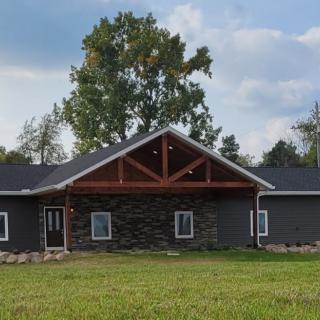
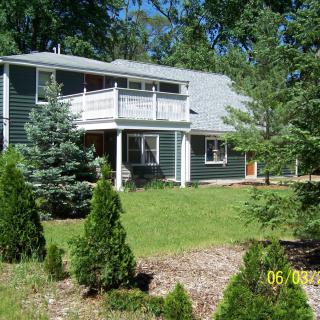
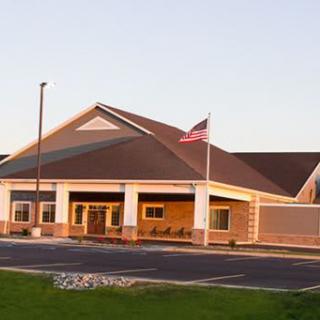
 Small, home-like assisted living with 24/7 supervision and ADL support in a furnished setting.
 Exploring the Contrasts Between Assisted Living and Skilled Nursing
 8 Key Indicators That Suggest It May Be Time to Transition from Assisted Living to Skilled Nursing Care
 Vibrant Senior Living: A Comprehensive Guide for Active Older Adults