
700 South Adelaide, Fenton, MI 48430
For more information about senior living options: (866) 208-4318
Overall Review of Rockwell Memory Care
Cons
 The facility is described as a zero-star operation and not something anyone would want for a loved one.
- It was run down and cheap, with insinuations that inspections were passed through bribery.
- The higher-ups are said to view residents as paychecks rather than humans, while staff are overworked and undercompensated.
- The facility allegedly lacked basic supplies necessary for daily activities.
- The reviewer spent personal money on snacks and soap dispensers because supplies were so scarce.
- There is a warning to not let a parent or loved one live there, since the cost-saving comes at a heavy cost to care.
- Severe understaffing resulted in as few as two staff for fifteen patients, with residents sometimes going without meals or water and appearing drugged.
Review
Rockwell Memory Care in Fenton, MI is best suited for families with extreme budget constraints who are prepared to supervise care very closely and supply many essentials themselves. This is not a community that delivers dependable, dignified memory-care support as a default. If a family’s priority is consistent staffing, reliable daily routines, and a safe, well-supplied environment, Rockwell is not the right fit. The price point may draw interest, but it comes with a steep trade-off in basic care quality and oversight. For most families, a higher-cost option that guarantees better staffing, oversight, and resident engagement is worth pursuing sooner rather than later.
Those who should actively consider alternatives include anyone prioritizing reliable care, transparent operations, and a professional, well-supported staff. Families who must rely on limited on-site observation due to distance or work schedules should be cautious, as inadequate staffing and inconsistent supplies can mask serious issues. Out-of-state relatives will face real challenges verifying daily conditions, and this can leave loved ones vulnerable to lapses in meals, hydration, hygiene, and safety. In short, Rockwell may only appeal to those who are prepared to bet on cost savings while accepting substantial risk to daily well-being and safety.
The handful of potential positives, primarily price and a basic facility footprint, do not meaningfully offset the core concerns. Affordability cannot compensate for chronic under-staffing, limited access to essentials, or the impression that residents are treated as sources of revenue rather than people. When a community appears to deprioritize routine supplies, timely meals, and consistent care, any savings evaporate quickly in the form of risk, stress for families, and avoidable health concerns for residents. In practice, cost savings at Rockwell come at the cost of safety, dignity, and predictable routines.
The main drawbacks are concrete and repeatable: staffing shortages that leave residents inadequately supervised, insufficient supplies for daily living, and a pattern of care that fails to sustain basic comfort and health. Descriptions of too few staff for too many residents translate into missed meals, inconsistent hydration, and delayed or skipped activities that support cognitive and emotional well-being. Residents have reportedly experienced cold environments, weight loss, skin irritation, and a lack of exposure to meaningful engagement beyond passive television watching. The combination of limited hygiene resources and reports of insufficient caregiving creates a hazardous baseline that undermines every other consideration.
Families evaluating Rockwell should demand concrete assurances before any commitment. Request current staffing ratios by shift, weekly menus, and a complete inventory of daily-provision supplies. Insist on transparent care plans, evidence of regular bathing, grooming, and mobility assistance, and documented oversight from a licensed clinician. If possible, speak with current residents and strictly verify how often meals are served, how hydration is managed, and whether there is access to safe, reliable toilet and bathing facilities. Check state inspection records and independent assessments; insist on speaking with a resident advocate or ombudsman. If the answers do not satisfy basic standards for dignity, safety, and responsiveness, move on.
In the end, Rockwell Memory Care should be treated as a last resort option only when families sense there is truly no viable alternative and are prepared to assume a hands-on role in caregiving. The reality of staffing gaps and resource limitations means that reliable expectations about daily life are risky at best. For most families, prioritizing higher-quality memory-care communities with stronger staffing, better oversight, and guaranteed daily routines remains the prudent path. If choosing Rockwell, enter with a clear plan for ongoing involvement, explicit benchmarks for safety, and a readiness to pivot at the slightest sign that care standards are slipping.
 21 resident community capacity
 Assisted Living
 Memory Care
 Beauty salon
 Cable or satellite TV
 Dining room
 Fully furnished
 Garden
 Housekeeping services
 Kitchenette
 Move-in coordination
 Outdoor space
 Restaurant-style dining
 Small library
 Telephone
 Wi-Fi/high-speed internet available
 Bishop (12 miles away)
 24-hour call system
 Activities of daily living assistance
 Assistance with bathing
 Assistance with dressing
 Assistance with transfers
 Diabetes diet
 Medication management
 Mental wellness program
 Special dietary restrictions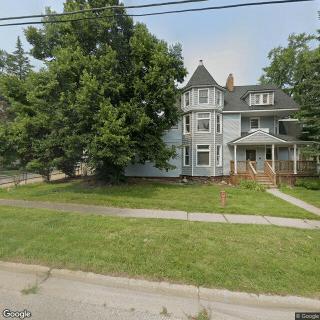
 Friendly staff and private rooms in a small, historic setting.


 22 Remarkable Caregiver Support Groups Available Online and In-Person
 Understanding Medicaid Coverage for Assisted Living: A Comprehensive Guide
 How and When Medicaid May Cover Assisted Living Costs