
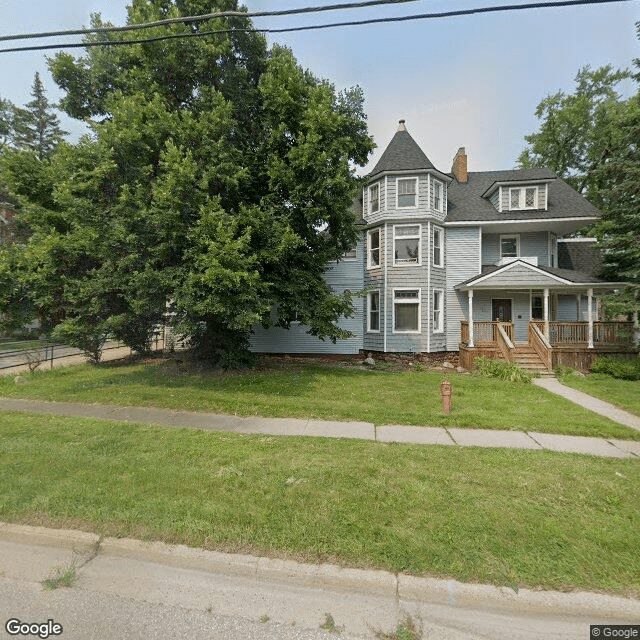
700 S. Adelaide, Fenton, MI 48430
To contact a resident: (810) 629-9641
For more information about senior living options: (866) 208-4318
Rockwell Memory Impaired Costs & Pricing
Rockwell Memory Impaired offers competitive pricing for its services, particularly when compared to both Oakland County and the broader state of Michigan. For semi-private accommodations, residents at Rockwell pay $2,600 per month, which is significantly lower than the county average of $3,204 and the state average of $3,191. Similarly, for those requiring a one-bedroom setup, Rockwell's rate of $2,800 also stands out against Oakland County's $3,507 and Michigan's average of $3,384. These cost advantages not only highlight Rockwell Memory Impaired's commitment to affordability but also make it an appealing choice for families seeking quality care without breaking their budget.
| Floor plans | Rockwell Memory Impaired | Oakland County | Michigan |
|---|---|---|---|
| Semi-Private | $2,600 | $3,204 | $3,189 |
| 1 Bedroom | $2,800 | $3,507 | $3,384 |
Memory care communities with a similar price nearby
-
from +$200 / mo
Dragonfly Manor
$2,800 to $3,000 / month24.8 miles away -
from -$100 / mo
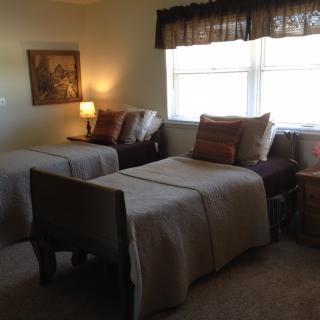
Sunset Pines AFC
$2,500 to $3,500 / month20.1 miles away -
from +$300 / mo

Metacare Inc
$2,900 to $3,300 / month23.1 miles away -
from +$400 / mo

Vicinia Gardens Transition
$3,000 to $4,500 / month0.5 miles away -
from -$100 / mo

Lakeview Elderly Home
$2,500 / month14.7 miles away
Overall Review of Rockwell Memory Impaired
Pros
 The reviewer notes that the resident is adjusting well in a small facility with good service and private rooms.
- Caregivers were described as very nice.
- The reviewer was impressed by the security measures to keep track of the residents.
- The senior staff were greeted with a cordial welcome.
- The setting was described as a lovely historic home.
Cons
 The facility is described as a zero-star facility.
- The higher-ups looked at residents as paychecks and nothing else, not human.
- The staff were overworked and burnt out with little compensation.
- The facility was never properly supplied with necessities for daily activities.
- There were no soap dispensers or refills in the bathrooms; soap was lacking.
- Neither residents nor their roommates had access to drinking water in their rooms.
- Residents were cold, wet, and suffering from weight loss and skin rashes.
- Some residents appeared sedated or drugged; there was excessive drug treatment.
- There were only two staff for at least 15 patients, leaving many unattended.
- Residents were largely unengaged and not stimulated beyond watching TV.
- Mealtimes were inconsistent, with residents sometimes not being fed promptly.
- The home was described as a lower-end facility with crowded, very small rooms.
- The reviewer cautions not to place a loved one there.
Review
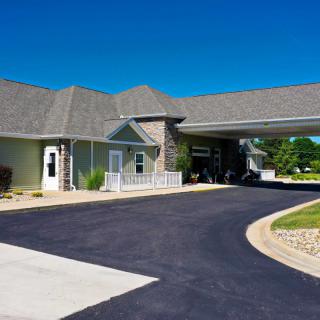
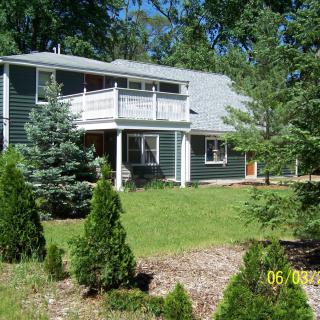
Rockwell Memory Impaired in Fenton, MI is best suited for families prioritizing affordability and a small, home-like memory-care environment, with the willingness and bandwidth to supervise care closely. The facility sits in a historic house that has been renovated into a memory-care setting, offering private, double, or triple rooms at a lower price tier than many peers. The intimate, non–corporate feel can be appealing for families who want a quieter, less clinical atmosphere and are comfortable navigating a smaller operation where staff coverage and resource levels may vary by shift.
That practicality, however, comes with clear caveats. Families needing robust supervision, high caregiver-to-resident ratios, consistent engagement programs, and reliable daily structure should consider alternatives. Reviewers repeatedly flag concerns about staffing levels, meal timely-ness, and everyday supplies, all of which factor heavily into whether a resident with memory impairment receives stable, predictable care. Residents with advanced dementia, significant medical needs, or behaviors that require constant monitoring may not get the level of oversight they require here. In short, this setting can be a struggle for those needing comprehensive, high-touch care.
On the plus side, the pros that do exist can matter for families watching costs closely. The small footprint can foster a sense of familiarity, and there is a stated commitment to security measures to track residents in a way a larger facility might not replicate as easily. Some visitors report cordial welcomes and a staff presence, even if overworked, which can translate into moments of personal connection in a setting where resources are lean. The option for private rooms can also be a meaningful perk for residents who benefit from a quieter, more individualized space within a shared building.
Yet the main cons bluntly challenge the viability of this as a long-term, high-quality memory-care solution. Across multiple accounts, there is a pattern of under-staffing, sometimes only a couple of aides for 15 residents, leading to delayed meals, insufficient assistance with daily activities, and limited engagement beyond television. Basic supplies, cleaning products, soap, and hand sanitizer, are inconsistently available, and some residents have gone without readily accessible drinking water, which raises concerns about hydration and nutrition. Reports of weight loss, skin issues, cold rooms, and even a perception of residents being “drugged” rather than assisted suggest a risk profile far higher than acceptable for many families evaluating memory care options. The living arrangements, often three residents sharing a room in a two-story, historic-building layout with stairs, also raise safety questions for lower-activity or mobile-impaired residents.
Given these dynamics, the degree to which the pros offset the cons depends on individual priorities and risk tolerance. If affordability is the overriding concern and a family is prepared to advocate daily, document care, and intervene quickly when gaps appear, the small, lower-cost setting can be workable for a resident who is relatively stable, semi-independent, or needs only light daily support. For others, the gaps in staffing, nutrition management, and basic provisioning are not easily offset by price or a cozy atmosphere. In these cases, options with higher staffing ratios, more predictable routines, and stronger clinical oversight will deliver greater peace of mind, even at a higher price point.
For families proceeding with due diligence, several practical steps are non-negotiable. Schedule visits on multiple shifts to observe staffing real-time: how many aides are on duty, how residents are assisted with meals, and how quickly needs are met. Inspect room conditions, especially when triple occupancy exists, and verify the availability of essentials like soap, drinking water, and clean linens. Request recent inspection reports and ask for the current plan of care for residents with memory impairment, including details on feeding schedules, hydration monitoring, grooming, and activities. Speak with administrators about staffing policies, training, and how behavioral changes are managed. Finally, have a candid conversation about contingency plans if health or safety needs escalate.
In sum, Rockwell Memory Impaired is a tough fit for families seeking robust, consistently resourced memory-care. It is a practical option only for those who can tolerate lean staffing, potential care gaps, and the ongoing demand of vigilant oversight, all in exchange for a markedly lower price and a home-like environment. For most families navigating memory impairment with higher care requirements or a strong preference for guaranteed daily engagement and safety, alternatives that offer higher staffing ratios and more structured programming are the prudent path. The decision hinges on balancing budget realities against the essential non-negotiables of daily care, safety, and reliable nourishment.
 Memory Care
 Activities on-site
 Bath tubs
 Beautician on-site
 Devotional services off-site
 Indoor common areas
 Outdoor common areas
 Respite or short term stays offered
 Swimming pool / hot tub
 Wheelchair accessible showers
 Bishop (12 miles away)
 Diabetic care
 High acuity care
 Incontinence care
 Meals provided



 Understanding Dementia Behaviors: Practical Insights and Strategies for Caregivers
 When Dementia Sparks Anger and Aggression: Understanding the Connection and Ways to Cope
 Dementia Behaviors: In-Depth Understanding and Effective Coping Strategies