
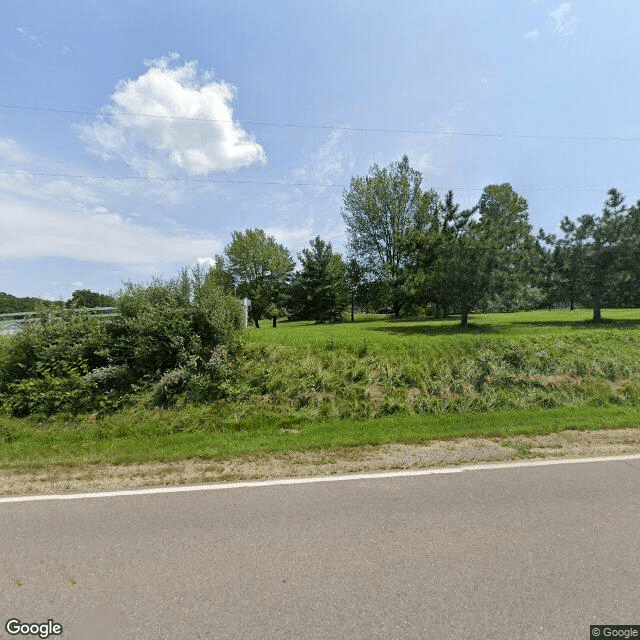
10530 Hartland Road, Fenton, MI 48430
To contact a resident: (810) 629-3810
For more information about senior living options: (866) 208-4318
Brooks Manor Assisted Living Costs & Pricing
Brooks Manor Assisted Living offers a competitive pricing structure for its semi-private accommodations at $3,200 per month. This cost is slightly below the average monthly rate in Oakland County, which stands at $3,204, and just above the state average for Michigan at $3,191. With these rates, Brooks Manor provides a valuable option for those seeking assisted living services in a nurturing environment while ensuring affordability compared to local and statewide benchmarks. The facility's commitment to quality care and comfortable living spaces makes it an appealing choice for residents and their families considering assisted living options.
| Floor plans | Brooks Manor Assisted Living | Oakland County | Michigan |
|---|---|---|---|
| Semi-Private | $3,200 | $3,204 | $3,189 |
Senior living communities with a similar price nearby
-
from -$400 / mo
Dragonfly Manor
$2,800 to $3,000 / month23.4 miles away -
from +$400 / mo
Pineview Manor
$3,600 / month21.2 miles away -
from +$600 / mo
Advanced Care AFC Home, LLC
$3,800 to $4,800 / month14.0 miles away -
from +$300 / mo
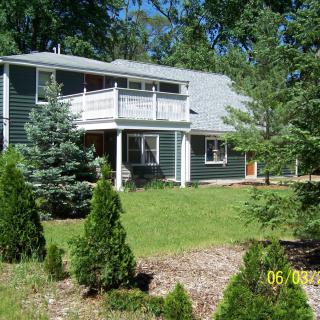
A Touch Of Home
$3,500 / month3.5 miles away -
from -$300 / mo
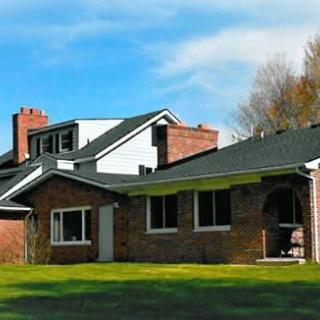
Metacare Inc
$2,900 to $3,300 / month24.7 miles away
Overall Review of Brooks Manor Assisted Living
Pros
 The hospice care was compassionate and took great care of the reviewer’s family.
- The caregiver cared for the reviewer’s mother for 10 years with love and attention.
- The facility has a lovely country setting.
- They are very interested in placing their mother in this facility.
Cons
 The caregivers, who are the owners' two children, are not experienced enough for their situation.
Review
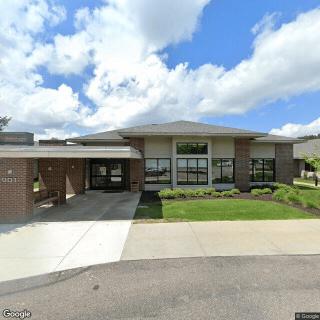
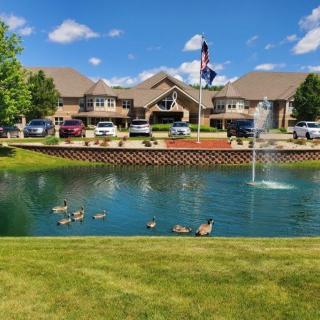
Brooks Manor Assisted Living in Fenton, Michigan is best suited for families seeking a small, home‑like setting where a loved one receives steady, hands‑on attention from a close‑knit, family‑run team. It works well for residents who need routine daily assistance, value long‑standing caregiver relationships, and benefit from ongoing family communication in a tranquil, country‑style environment that supports regular visits and easy social interaction. The stories coming from families emphasize decades of steady support, including care of a mother for ten years with affection and attention. For households prioritizing intimate oversight and accessible, personalized care, this community delivers a tangible sense of warmth and reliability that larger complexes sometimes lack.
Nevertheless, Brooks Manor may not fit every situation. For residents requiring high‑acuity medical oversight, complex wound care, or rapid clinical escalation, a larger facility with on‑site licensed nurses and formal governance often provides more predictable, scalable coverage. The notes suggest an owner‑operated model where caregivers are the owners’ children, which raises legitimate questions about depth of professional training and capacity to handle evolving or acute needs. Families with higher expectations for clinical stability should verify staffing credentials, nurse availability, training procedures, and how care plans are adjusted as health status changes. Clear expectations up front prevent misalignment as needs progress.
On the positive side, several core strengths center on warmth, continuity, and personalized attention. Compassionate hospice care has been cited as a strength, with families feeling that their loved ones receive thoughtful, attentive support through terminal stages. The long tenure of caregiving, one family notes caring for a mother for ten years, signals stability and the kind of relationships that help families sleep at night. The country setting contributes to a calm daily rhythm, reducing agitation and supporting gentle activity. In practice, these factors translate into staff who know residents’ routines, preferences, triggers, and histories, enabling proactive care and meaningful interactions that many families value above all else.
Yet the main drawback centers on staffing depth and professional breadth. The sense that caregivers are the owners’ children suggests a potential gap in seasoned clinical leadership, which can matter when health trajectories shift or more complex conditions emerge. That perception matters because it touches how the community would handle emergencies, memory‑care programming, or coordination with outside specialists. While many residents experience warmth and steadiness, others may worry about whether there is enough depth to manage higher‑level needs without delays. This risk is real enough to prompt careful comparison with facilities that consistently demonstrate a broader team, formal credentials, and robust protocols for escalating care.
Families weighing Brooks Manor should anchor their decision in the resident’s current and anticipated care plan. For mid‑level assisted living needs, daily living support, social engagement, and moderate supervision, the combination of personal attention, stable staffing, and a serene setting can offset typical concerns about depth of clinical expertise. For anyone facing dementia progression, frequent medical interventions, or situations requiring on‑site nursing judgment, it pays to benchmark against communities with established nursing leadership and larger care teams. Prospective residents should request current staff ratios, nurse availability, and examples of how the facility partners with external clinicians and hospice programs to maintain continuity should conditions evolve.
In sum, Brooks Manor Assisted Living represents a practical option for families seeking intimate, relationship‑driven care in a peaceful, country‑adjacent setting. It is best suited for residents who thrive on steady human connection and can function with moderate medical needs under attentive, family‑led oversight. Those with significant medical complexity or a need for strong, on‑site clinical management should compare alternatives with more formal staffing and established governance. A thoughtful visit, asking about staff experience, training, escalation processes, and how care plans adapt over time, will reveal whether the fit is right. When alignment exists, Brooks Manor offers reliable, compassionate support that many families prioritize over larger, more clinical environments.
 Board and Care Home
 Cats allowed
 Dogs allowed
 Activities on-site
 Bath tubs
 Indoor common areas
 Outdoor common areas
 Respite or short term stays offered
 Wheelchair accessible showers
 Bishop (14 miles away)
 Diabetic care
 High acuity care
 Incontinence care
 Medication management
 Meals provided


 Supportive Employee Benefits That Help Caregivers Attain Better Work-Life Harmony
 Top Cars for Senior Drivers and Essential Safety Innovations
 A Closer Look at Private Pay Home Care