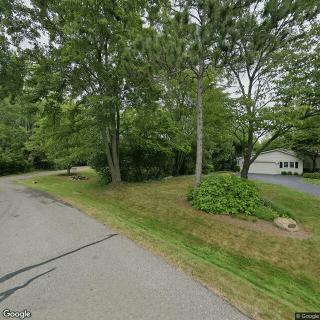
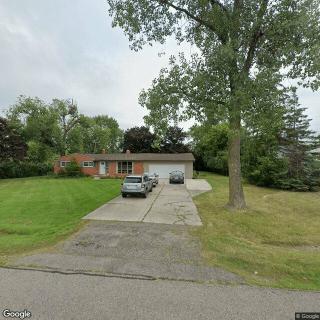
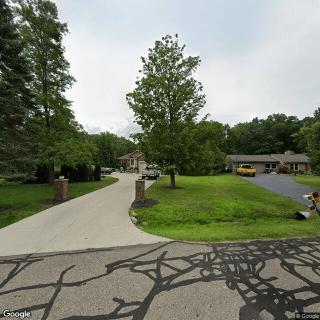
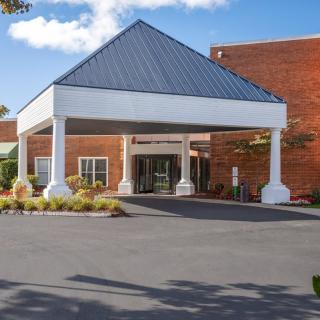
North Meadow in Farmington Hills, MI

25911 Middlebelt, Farmington Hills, MI 48336

For more information about senior living options: (844) 490-3973

4.5 from 4 reviews
5 stars
3
4 stars
0
3 stars
1
2 stars
0
1 stars
0

Assisted Living

Overall Review of North Meadow

Pros

  • pro The rehab here is amazing.
  • pro The patient can sit up, stand, walk with a walker, and transfer with minimal or zero assistance.
  • pro They are further along than they ever imagined they would be.
  • pro The staff kept them from giving up and pushed them to do more in a respectful way.
  • pro In time, they expect to walk without a walker thanks to the staff.
  • pro They are grateful for everything.
  • pro Rainbow Rehab provides excellent care.
  • pro The therapist developed a comprehensive, adaptable plan and was very attentive.
  • pro They made significant progress.
  • pro They would recommend Rainbow Rehab without reservation.

Cons

  • pro The patient felt useless upon arrival.
  • pro They needed a machine to assist in moving into and out of bed.
  • pro They were not back to 100% of what they were before their accident.
  • pro There were days when they wanted to throw in the towel and quit.

Review

North Meadow in Farmington Hills is best suited for seniors who need aggressive, outcome-focused rehabilitation and place a premium on measurable progress toward independence. The community appears to run a robust post-acute program where physical therapy and occupational therapy are the centerpiece, designed to move residents from dependence on machines or substantial assistance to sitting up, standing, transferring, and walking with a walker. For families facing a medical setback - such as a fall, stroke, or major surgery - the facility is a clear destination if the priority is reclaiming function quickly and with a disciplined, goal-driven rehab staff.

There are clear caveats for those considering alternatives. A rehab-centric emphasis may not meet the needs of residents seeking a broader, long-term assisted living environment, extensive social programming, or around-the-clock medical supervision beyond the recovery window. The available feedback concentrates on therapy outcomes, with little information to judge dining variety, leisure activities, memory care, or the full spectrum of daily living support. Families weighing options should compare North Meadow to communities that offer more comprehensive, non-therapy services or deeper continuity of care beyond post-acute rehabilitation.

The strengths lie in the demonstration of tangible gains and the accountability of therapy teams. The reviews highlight a standout rehabilitation trajectory: residents who arrive needing assistive devices or substantial support make meaningful, sustained progress toward greater independence. A notably proactive approach is described - therapists craft comprehensive plans and adjust them as conditions change - producing progress that feels both measurable and durable. The most compelling evidence centers on a therapy culture that keeps residents moving forward, with staff pushing respectfully to exceed perceived limits and to prevent give-up moments. When the objective is to restore mobility and independence, these pros directly address the core need.

Another distinctive advantage is the teamwork behind the recovery process. Therapists like Melissa are portrayed as highly attentive, designing plans that are not only thorough but adaptable, ensuring that the regimen evolves with the resident's recovery. The narratives convey trust in the rehab professionals who coordinate with residents to set ambitious milestones and then celebrate steady wins. This level of focus matters deeply for families anxious about whether a setback will stall progress, because it signals a reliable pathway to regain functionality and the confidence that comes with progress toward normal daily activities.

The limited breadth of data should prompt careful questions before committing. While the rehab outcomes shine, one three-star rating among predominantly five-star feedback suggests that not every resident experiences the same pace or fit with the program. Prospective families should probe how discharge planning is handled, what post-discharge supports exist, and how ongoing medical needs are managed if the stay extends beyond rehab. It remains important to understand whether the resident's non-therapy needs - social programming, daily living support outside therapy hours, and long-term care options - will align with expectations.

In the end, North Meadow stands out for families prioritizing a strong, effectiveness-driven rehabilitation pathway with credible, progress-focused therapy teams. It is a compelling choice for post-acute recovery where the objective is to reduce dependence and regain independent function. For those who require sustained medical supervision or a broader life-enrichment program beyond rehab, alternatives should be pursued with careful comparison. Practical next steps involve scheduling a tour, meeting the therapy director, and reviewing sample rehabilitation milestones, discharge planning details, and potential payer arrangements to confirm whether the rehab-first model fits the resident's broader care goals.

Features

Housing

  • 20 resident community capacity 20 resident community capacity

Types of Care

  • Assisted Living Assisted LivingAssisted living facilities provide crucial support and care for seniors who may need help with daily tasks such as medication management, bathing, and meal preparation. These communities offer a safe and comfortable environment where seniors can maintain their independence while receiving the assistance they need to thrive in their golden years.

Amenities

  • Beauty salon Beauty salonBeauty salons are important for seniors because they provide a space for them to feel pampered, socialize, and maintain their personal grooming and hygiene. Regular visits to a beauty salon can help boost seniors' self-esteem and overall well-being.
  • Cable or satellite TV Cable or satellite TVCable or satellite TV is important for seniors because it provides entertainment, news, and companionship, helping to combat loneliness and boredom. It also offers a wide range of programming options tailored to different interests and preferences.
  • Dining room Dining roomDining rooms are important for seniors as they provide a space for socialization, connection, and nutritious meals. They offer opportunities for residents to bond over shared meals, foster a sense of community, and promote healthy eating habits. Dining rooms also ensure that seniors have access to well-balanced meals tailored to their dietary needs and preferences.
  • Fully furnished Fully furnishedFully furnished senior living communities are important for seniors because they provide convenience, comfort, and a hassle-free moving experience. Seniors can easily settle into their new living space without the stress of having to buy and move furniture. This allows them to focus on enjoying their new home and community.
  • Garden GardenGardens are important for seniors as they provide a peaceful and therapeutic environment for relaxation, physical activity, and socialization. Being in nature has been shown to reduce stress, improve mood, and promote overall well-being. Gardens also offer opportunities for seniors to engage in gardening activities, which can improve mobility, flexibility, and cognitive function. Additionally, gardens create a sense of community and connection with others who share a passion for plants and outdoor spaces.
  • Housekeeping services Housekeeping servicesHousekeeping services are important for seniors because they help maintain a clean and safe living environment, promote independence, and reduce the risk of accidents or illnesses. Additionally, having assistance with household chores can alleviate physical strain and allow seniors to focus on other aspects of their well-being.
  • Kitchenette KitchenetteKitchenettes are important for seniors living in senior living communities because they provide the convenience and independence of being able to prepare simple meals and snacks in the comfort of their own living space. This can help promote a sense of autonomy and well-being for seniors, allowing them to maintain some level of control over their dietary choices and daily routines.
  • Move-in coordination Move-in coordinationMove-in coordination is important for seniors because it helps ease the transition into their new living environment. It ensures that all logistics, such as packing, organizing movers, and setting up utilities are taken care of, allowing seniors to focus on settling in and adjusting to their new home. Having a smooth move-in process can alleviate stress and anxiety, making the transition smoother and more enjoyable for seniors.
  • Outdoor space Outdoor spaceOutdoor spaces are important for seniors as they provide opportunities for physical activity, social interaction, exposure to natural light and fresh air, and a sense of connection to nature. Having access to outdoor spaces can improve overall well-being and quality of life for older adults living in senior communities.
  • Telephone TelephoneTelephones are important for seniors as they provide a lifeline for communication with loved ones, emergency services, and healthcare providers. They offer a sense of security and independence, enabling seniors to stay connected and access assistance when needed.
  • Wi-Fi/high-speed internet available Wi-Fi/high-speed internet availableWi-Fi/high-speed internet is important for seniors to stay connected with loved ones, access online resources, and participate in virtual activities to combat feelings of loneliness and isolation. It also allows them to easily manage healthcare needs, access entertainment, and engage in lifelong learning opportunities.

Transportation

  • Detroit Metropolitan-Wayne County (19 miles away) Detroit Metropolitan-Wayne County (19 miles away)

Care Services

  • 24-hour call system 24-hour call system24-hour call systems are important for seniors because they provide peace of mind and immediate assistance in case of emergencies. This technology ensures that help is always available, promoting safety and security for elderly individuals living alone or in assisted living facilities.
  • 24-hour supervision 24-hour supervision24-hour supervision is important for seniors to ensure their safety, well-being, and access to immediate assistance in case of emergencies or health issues. This constant support provides peace of mind for both seniors and their loved ones, allowing them to age in place with dignity and security.
  • Activities of daily living assistance Activities of daily living assistanceActivities of daily living assistance are important for seniors because they provide essential support with tasks such as eating, bathing, dressing, and mobility. This assistance helps seniors maintain their independence, dignity, and overall quality of life as they age.
  • Assistance with bathing Assistance with bathingAssistance with bathing is crucial for seniors as it helps maintain personal hygiene, prevents infections, and ensures their overall well-being and comfort. It also provides a sense of dignity and independence for seniors who may struggle with this task on their own.
  • Assistance with dressing Assistance with dressingAssistance with dressing is important for seniors because it helps maintain their independence, promotes personal hygiene, prevents accidents and injuries, and improves overall quality of life. This service ensures that seniors can continue to dress comfortably and confidently, despite any physical limitations they may have.
  • Assistance with transfers Assistance with transfersAssistance with transfers is crucial for seniors as it helps prevent falls and injuries, maintains their independence, and ensures they can safely navigate their living environment. It also provides peace of mind for both seniors and their loved ones.
  • Coordination with health care providers Coordination with health care providersCoordination with health care providers is crucial for seniors to ensure proper medical care, medication management, and overall well-being. This collaboration helps prevent overlapping treatments, track progress more effectively, and provide comprehensive support tailored to individual needs.
  • Diabetes diet Diabetes dietA diabetes diet is crucial for seniors as it helps manage blood sugar levels, reduce risks of complications, and improve overall health and well-being. By following a balanced and nutritious diet tailored to their specific needs, seniors can better control their diabetes and enhance their quality of life.
  • Meal preparation and service Meal preparation and serviceMeal preparation and service are crucial for seniors as they may have limited mobility or energy to cook nutritious meals. Having access to healthy and convenient food options can ensure they are getting the proper nutrition needed to maintain their overall health and well-being.
  • Medication management Medication managementMedication management is crucial for seniors to ensure they are taking the right medications at the correct dosages and times. This helps prevent adverse drug interactions, reduces the risk of medication errors, and promotes overall health and well-being. Proactive management also allows for adjustments as needed based on changing health conditions or new prescriptions.
  • Mental wellness program Mental wellness programMental wellness programs are essential for seniors as they promote cognitive stimulation, emotional support, and social engagement. These programs help prevent isolation, depression, and cognitive decline, ultimately enhancing the overall quality of life for older adults.
  • Special dietary restrictions Special dietary restrictionsSpecial dietary restrictions are important for seniors because age-related changes in metabolism and health conditions can make it difficult for their bodies to process certain foods. By following a diet tailored to their specific needs, seniors can maintain their overall health and well-being, manage chronic conditions, and reduce the risk of complications such as malnutrition or food interactions with medications.
  • Transportation arrangement (medical) Transportation arrangement (medical)Transportation arrangements for medical purposes are essential for seniors as they may have difficulty driving themselves to appointments or accessing public transportation. Having reliable and safe transportation options ensures that seniors can receive timely medical care and maintain their health and well-being.
  • Transportation to doctors appointments Transportation to doctors appointmentsTransportation to doctors' appointments is crucial for seniors as it ensures they have access to necessary medical care and support for their health needs. Without reliable transportation, seniors may struggle to attend important appointments, leading to potential delays in treatment and health complications. Providing transportation services helps seniors maintain their overall well-being and quality of life.

Dining

  • Diabetes diet Diabetes dietA diabetes diet is crucial for seniors as it helps manage blood sugar levels, reduce risks of complications, and improve overall health and well-being. By following a balanced and nutritious diet tailored to their specific needs, seniors can better control their diabetes and enhance their quality of life.
  • Special dietary restrictions Special dietary restrictionsSpecial dietary restrictions are important for seniors because age-related changes in metabolism and health conditions can make it difficult for their bodies to process certain foods. By following a diet tailored to their specific needs, seniors can maintain their overall health and well-being, manage chronic conditions, and reduce the risk of complications such as malnutrition or food interactions with medications.

Activities

  • Community-sponsored activities Community-sponsored activitiesCommunity-sponsored activities are important for seniors as they provide opportunities for social interaction, mental stimulation, and physical activity. These activities can help improve overall well-being, combat loneliness and isolation, and promote a sense of belonging and purpose among older adults.
  • Resident-run activities Resident-run activitiesResident-run activities are important for seniors as they encourage social interaction, creativity, and a sense of autonomy. These activities empower seniors to stay engaged and active in their community while fostering meaningful connections with their peers.
  • Scheduled daily activities Scheduled daily activitiesScheduled daily activities are important for seniors because they provide structure, socialization, mental stimulation, and physical activity. Engaging in regular activities can improve overall well-being and quality of life for seniors living in a community setting.

Description

North Meadow in Farmington Hills, MI is an exceptional assisted living community that offers a wide range of amenities to ensure the comfort and well-being of its residents. Each apartment is fully furnished and equipped with cable or satellite TV, a kitchenette, and Wi-Fi/high-speed internet access. The community also provides housekeeping services to maintain a clean and comfortable living environment.

Residents at North Meadow receive 24-hour supervision and assistance with activities of daily living such as bathing, dressing, and transfers. The highly trained staff members coordinate with healthcare providers to ensure that each resident's unique needs are met. Medication management is also offered to ensure that residents are taking their medications properly.

The community places a strong emphasis on mental wellness and offers a mental wellness program to promote the mental well-being of its residents. Special dietary restrictions are accommodated with diabetes diet options available for those who require it. The dedicated staff prepares nutritious meals according to individual dietary needs, ensuring that residents receive proper nutrition.

For recreational activities, North Meadow offers resident-run activities as well as scheduled daily activities for all residents to participate in and enjoy. Additionally, the community boasts excellent proximity to various amenities nearby such as cafes, parks, pharmacies, physicians, restaurants, theaters, and hospitals.

North Meadow in Farmington Hills, MI provides a warm and inviting atmosphere where seniors can thrive while receiving the care they need. With its extensive amenities and care services, residents can enjoy a comfortable lifestyle while having their healthcare needs effectively managed by a dedicated team of professionals.

Nearby Places of Interest

Restaurants

  • 2 Rose's Family Restaurant (1.4 miles)
  • Duo Restaurant & Lounge (1.8 miles)
  • McDonald's (2.1 miles)
  • Taco Bell (2.8 miles)
  • Wendy's (2.9 miles)
  • McDonald's (3.2 miles)
  • Kerby's Koney Island (4.2 miles)

Physicians

  • Providence Medical Center (1.7 miles)
  • Michigan Institute For Neurological Disorders (2 miles)
  • Millenium Diagnostic Center (2.7 miles)
  • Asthma & Allergic Disease Center (3.7 miles)
  • Beaumont Midwest Internal Medicine Associates (3.7 miles)
  • Beaumont Medical Center - West Bloomfield (3.9 miles)
  • Ophthalmic Specialists of Michigan - Livonia Office (5.3 miles)

Cafes

  • Starbucks (1.9 miles)
  • Tim Hortons (2.2 miles)
  • Starbucks (2.8 miles)
  • Starbucks (2.9 miles)
  • Starbucks (5.3 miles)
  • Panera Bread (5.8 miles)
  • Starbucks (6.2 miles)

Theaters

  • Riviera Cinema (2 miles)
  • Phoenix Theatres Laurel Park Place (6.2 miles)
  • Emagine Novi (7.5 miles)

Pharmacies

  • Walgreens (2 miles)
  • Rite Aid (3.1 miles)
  • Walgreens (3.4 miles)
  • Walgreens (3.5 miles)
  • Kroger Pharmacy (3.8 miles)
  • CVS Pharmacy (4 miles)
  • CVS Pharmacy (4.3 miles)

Parks

  • Woodland Hills Nature Park (2.4 miles)
  • Flanders Park (3 miles)
  • Karner Farm (6.1 miles)
  • Rotary Park (7.1 miles)
  • Shain Park (7.6 miles)
  • Liberty Park Playground (7.6 miles)

Hospitals

  • Botsford Hospital (2.8 miles)
  • Henry Ford West Bloomfield Hospital (5.1 miles)
  • Trinity Health Wound Care - Livonia Hospital (7 miles)

Places of Worship

  • Brightmoor Christian Church (6 miles)
  • Church of the Holy Family (6.1 miles)
  • Ward Church (7 miles)

Frequently Asked Questions

Where is North Meadow?

Nearby Communities

  • Catherine's Place

    Catherine's Place

    Farmington Hills, MI

    4 from 1 review
     

    pro Extensive amenities and 24/7 supervision.

  • Wisteria Senior Care

    Wisteria Senior Care

    Farmington Hills, MI

    4.9 from 7 reviews
     

    pro Small, fully furnished assisted living with comprehensive care and medical transportation.

  • Shady Lane II

    Shady Lane II

    Farmington Hills, MI


    pro Intimate, well-equipped with on-site dining, 24-hour supervision, and engaging activities.

  • Shady Lane South

    Shady Lane South

    Farmington Hills, MI


    pro Intimate setting with comprehensive care.

  • Comfort's Place

    Comfort's Place

    Farmington Hills, MI

    4.3 from 6 reviews
    $3,300 to $3,900 / month

    pro Home-like environment with compassionate, professional staff and clean, updated facilities.

  • Baley's Residential Care Home IV

    Baley's Residential Care Home IV

    Farmington Hills, MI

     
    $3,200 / month

    pro Affordable memory care at $3,200/mo across private, studio, and 1-bedroom options.

  • Greencastle Family Care

    Greencastle Family Care

    Farmington Hills, MI

    5 from 33 reviews
    $5,000 / month

    pro Intimate, personalized, compassionate care.

  • Senior Helpers - Farmington Hills,  MI

    Senior Helpers - Farmington Hills, MI

    Farmington Hills, MI

    4.4 from 33 reviews
     

    pro Compassionate, well-matched caregivers chosen through a thorough interview process with strong communication.

  • Park at Franklin

    Park at Franklin

    Southfield, MI

    3.9 from 163 reviews
    $1,045 to $1,545 / month

    pro Friendly staff and engaging activities with roomy, well-equipped apartments.

Related Resources

  • is assisted living tax deductibleIs Assisted Living Deductible on Your Taxes? Understanding the Complexities of Assisted Living Expenses and Deductions

    The deductibility of assisted living expenses on taxes hinges on factors like the individual's medical condition and service nature, typically requiring the resident to be "chronically ill" per IRS definitions. Taxpayers may deduct eligible medical expenses related to personal care services but generally not rent unless primarily for medical care, and they should maintain thorough documentation to support claims while considering itemizing versus standard deductions.

  • va benefits for assisted livingAssisted Living Support for Veterans: A Complete and Detailed Overview

    The guide highlights the importance of assisted living facilities for aging veterans needing daily support, discusses unique challenges they face, and outlines available financial assistance from the VA, including the Aid and Attendance program. It emphasizes understanding eligibility criteria and navigating the VA system to access necessary benefits effectively.

  • assisted living vs skilled nursingExploring the Contrasts Between Assisted Living and Skilled Nursing

    The article compares assisted living and skilled nursing facilities, detailing their differing levels of assistance, medical support, cost structures, and day-to-day experiences. It emphasizes that assisted living is for those needing help with daily activities while maintaining independence, whereas skilled nursing facilities provide intensive medical care with 24-hour staff supervision.