
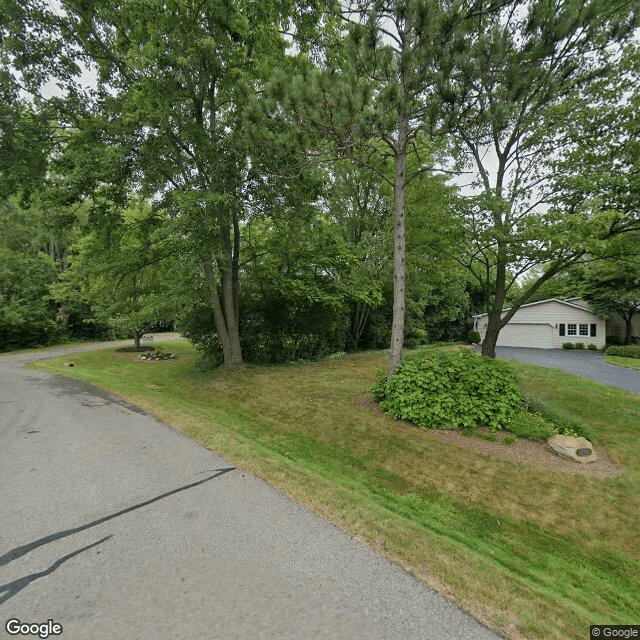
25376 Harcourt Street, Farmington Hills, MI 48336
To contact a resident: (248) 987-6553
For more information about senior living options: (866) 208-4318
Comfort's Place Costs & Pricing
Comfort's Place offers competitive pricing for its residents, with semi-private rooms priced at $3,300 per month and private rooms at $3,900. When compared to the broader context of Wayne County and the state of Michigan, these costs reflect a balanced approach to affordability and quality. In Wayne County, similar semi-private accommodations average around $2,860, while private rooms are typically $3,335. At the state level, prices rise slightly for both types of accommodations - with semi-private rooms averaging $3,191 and private options at $3,675. This positioning suggests that Comfort's Place offers a unique value proposition within its market segment, focusing on providing quality care while remaining mindful of regional pricing trends.
| Floor plans | Comfort's Place | Wayne County | Michigan |
|---|---|---|---|
| Semi-Private | $3,300 | $2,860 | $3,189 |
| Private | $3,900 | $3,335 | $3,674 |
Senior living communities with a similar price nearby
-
from -$300 / mo
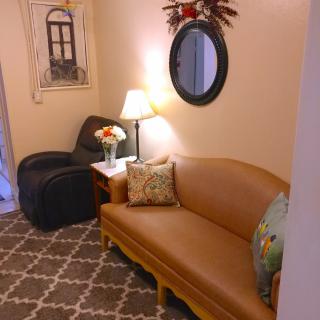
Hutcheson Manor
$3,000 to $4,500 / month2.2 miles away -
from +$395 / mo

Sarah Care Adult Day Care
$3,695 to $4,295 / month20.3 miles away -
from +$500 / mo

Silverbell Manor
$3,800 / month18.1 miles away -
from -$100 / mo
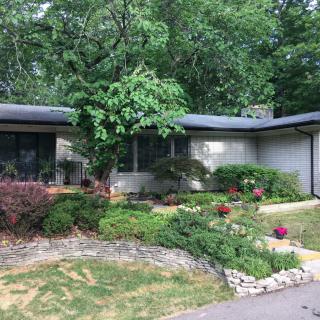
Vicky's Place
$3,200 to $6,000 / month2.7 miles away -
from +$300 / mo

Pineview Manor
$3,600 / month17.9 miles away
Overall Review of Comfort's Place
Pros
 The home care agency provided a good experience.
- The caregiver for the mother was great.
- The reviewer felt comfortable leaving their mother in the caregiver's hands.
- Comfort's Place provides a home-like environment that supersedes a nursing home institution.
- The professional staff treats residents with kindness and dignity.
- It is a nice, peaceful place that is very clean and updated.
Review
Comfort's Place in Farmington Hills is best suited for families seeking a warm, home-like caregiving environment where seniors receive personal, one-on-one assistance rather than institutional care. The feedback consistently points to a peaceful setting, clean and updated spaces, and a staff culture that champions kindness and dignity. For loved ones who value a setting that feels more like home than a nursing home, Comfort's Place offers familiar rhythms, less clinical surroundings, and attentive support designed to keep daily life calm and comfortable. The emphasis on a comfortable daily routine within a well-kept, homelike ambiance is the core strength here, making it a practical option for those prioritizing personal connection and ease of care over formal facility structure.
Those with more complex medical needs or who crave a robust on-site medical team may want to consider alternatives. The reviews indicate a caregiver-driven model rather than a full-service nursing environment, which means continuous licensed nursing oversight, regular medication management, and emergency medical coordination may be limited compared with traditional assisted living or skilled nursing communities. Families should also anticipate variability in caregiver assignments and ensure a clear plan for staffing coverage, especially during evenings or when a designated caregiver is unavailable. If a structured activity calendar, on-site therapy, or in-house physicians are priorities, it’s prudent to explore other options that provide those services consistently.
On the upside, the standout pros align closely with what families want in a home-based care setting: genuine kindness and dignity from caregivers, a calm, clean environment, and a sense of safety in a smaller, more controllable space. The repeated notes that the caregiver was great and that leaving a loved one in capable hands felt comfortable translate into practical advantages: reduced turnover anxiety for families, easier communication with a single point of contact, and a home-style routine that minimizes stress for both resident and family. The home-like atmosphere likely contributes to a steadier mood, better cooperation with daily routines, and overall satisfaction, which often translates into smoother daily functioning and fewer escalations.
Cleanliness and updated surroundings reinforce daily reliability, particularly for families juggling schedules and travel. The non-institutional feel reduces friction around care tasks, making coordination simpler and less intimidating for seniors who resist hospital-like environments. The positive tone of the staff culture suggests training and an emphasis on resident comfort, a valuable asset when aging in place with familiar faces is the goal. Yet the intimate scale also carries a potential drawback: limited redundancy means that if a caregiver is unavailable, continuity of care may suffer. For a family weighing risk against reward, this gap matters if rapid response or around-the-clock supervision is essential.
Decision-making should include practical checks: arrange a face-to-face tour, meet potential caregivers, and ask for the care plan process, including how medications are managed and how changes in condition are communicated. Clarify what’s included in pricing, what constitutes additional charges, and how emergency support is handled after hours. Confirm the availability of on-call nursing support or partnerships with local clinics if medical needs escalate. The right fit balances a preference for a homelike pace with the necessary assurances of safety and medical responsiveness, ensuring peace of mind for both resident and family.
Overall, Comfort's Place delivers a compelling option for families who prioritize a home-like, respectful caregiving environment with reliable, personable staff. It stands out when the aim is to avoid an institutional feel while maintaining high standards of cleanliness and dignity. This makes it an especially strong choice for seniors who thrive on consistency, personal attention, and a peaceful daily rhythm. Those needing advanced medical oversight, a highly structured activity program, or large-scale social opportunities may want to explore alternatives; however, for many families, this community represents a practical, well-regarded path to aging in place with warmth, trust, and a reassuring sense of compatibility with the home-life approach.
 Board and Care Home
 Activities off-site
 Bath tubs
 Beautician on-site
 Devotional services off-site
 Indoor common areas
 Outdoor common areas
 Private
 Private bathrooms
 Respite or short term stays offered
 Wheelchair accessible showers
 Detroit Metropolitan-Wayne County (19 miles away)
 Diabetic care
 High acuity care
 Incontinence care
 Medication management
 Meals provided
 In-Depth Look at the VA Aid and Attendance Program
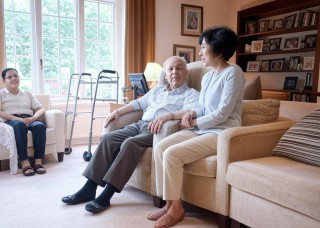 Nurturing Our Loved Ones: A Daughter's Journey in Caring for Her Mother
 Nurturing Our Elders: Linda's Journey of Supporting Her Mother