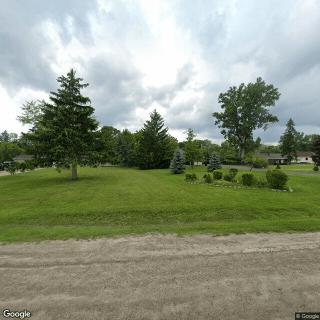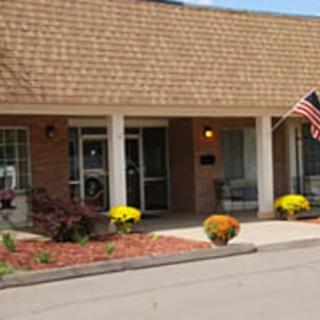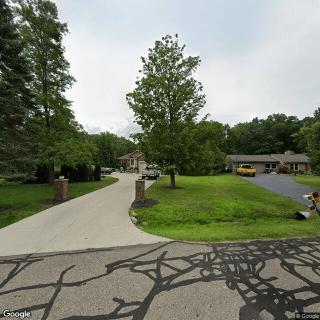

D & P Special Needs Center in Farmington Hills, MI

Save

  • Interior

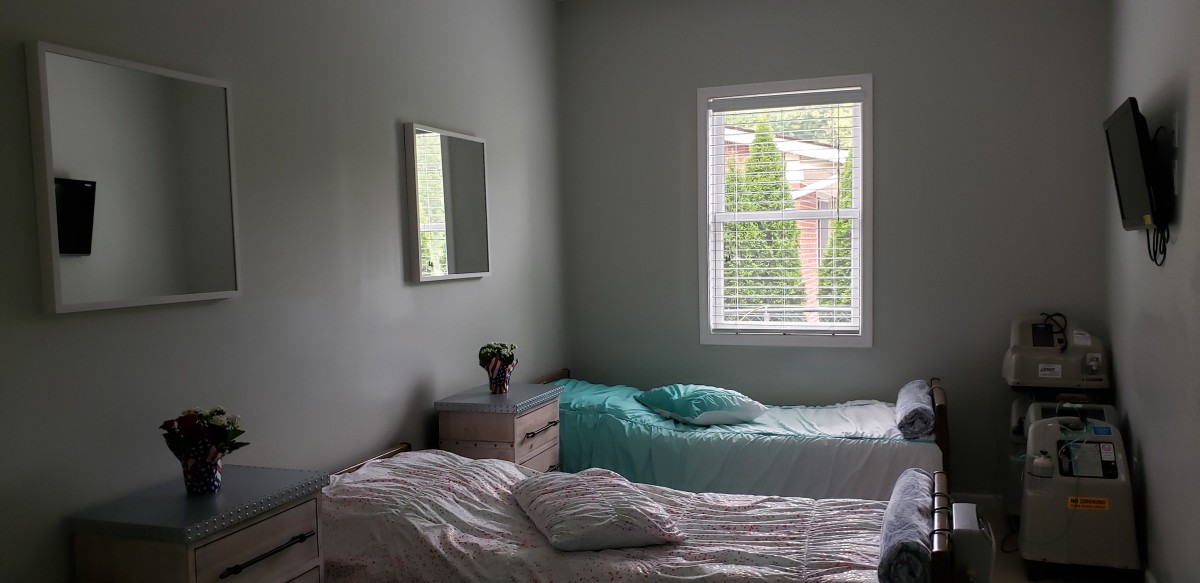
    A minimalist bedroom with two beds, a window allowing natural light in, and a small table with a mirror.
  • Decor

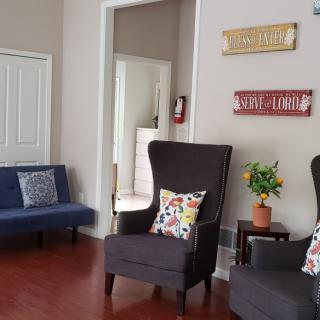
    A cozy living room with comfortable seating and decorative elements.
  • Living Room

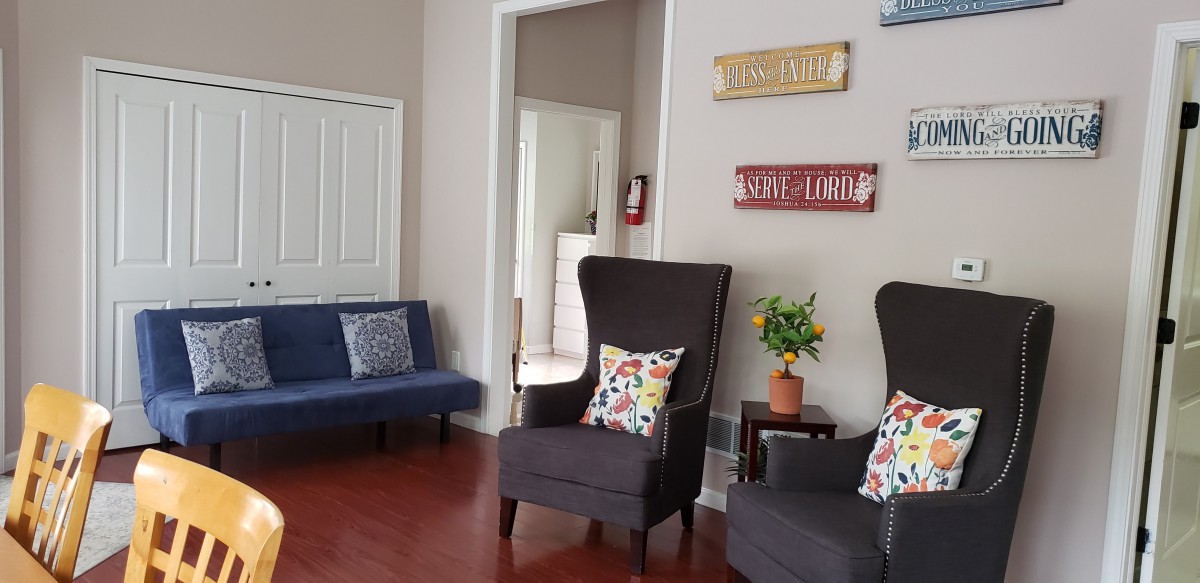
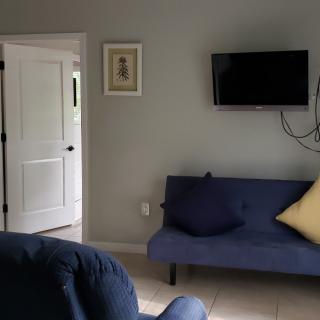
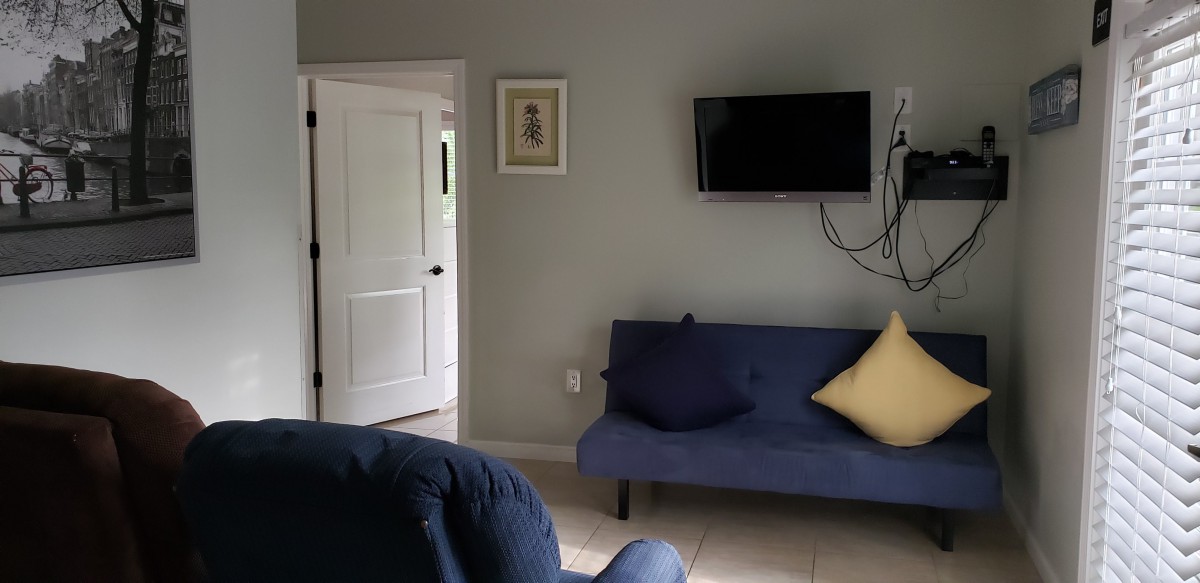
    A cozy living room with a blue sofa, cushions, and a wall-mounted television.
  • Bedroom

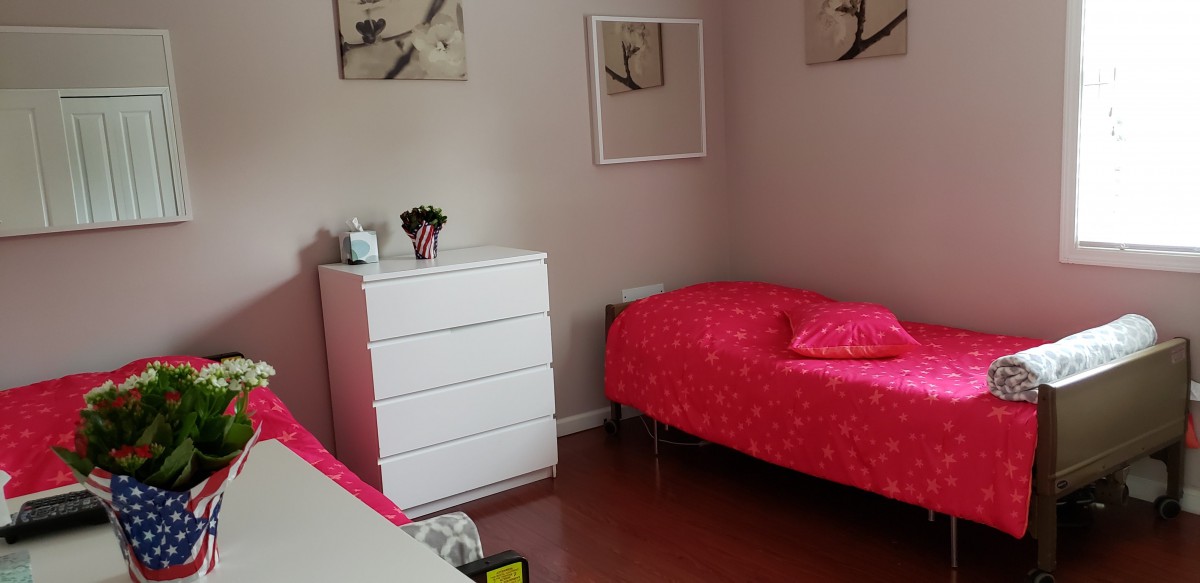
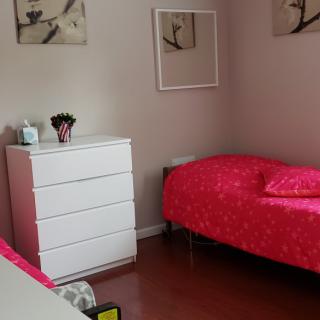
    A neatly arranged bedroom with a pink bedspread and white dresser.
  • Windows

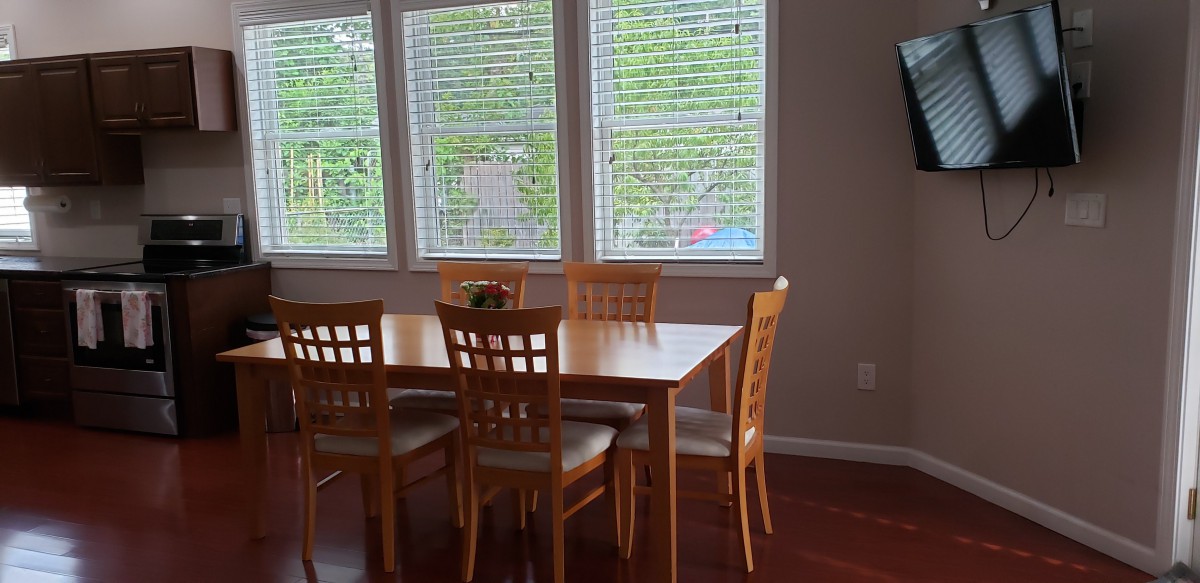
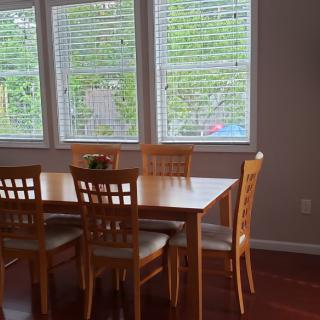
    A cozy dining area featuring a wooden table set with six matching chairs and large windows with blinds.
  • Kitchen

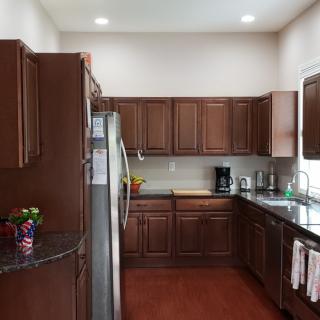
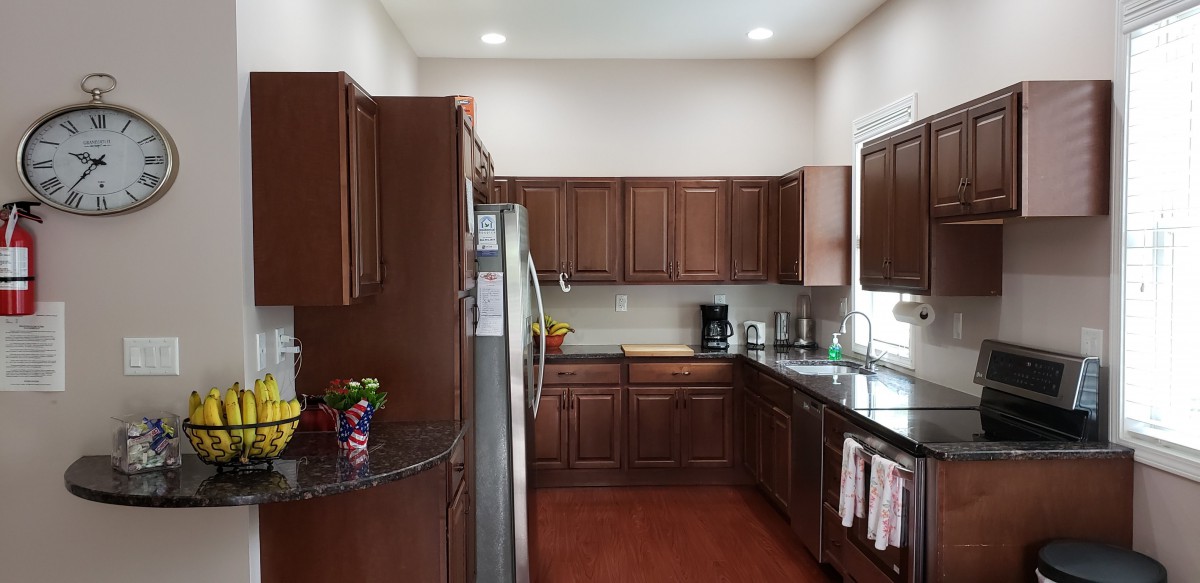
    A modern kitchen with wooden cabinets and stainless steel appliances.

D & P Special Needs Center in Farmington Hills, MI

22223 North Brandon, Farmington Hills, MI 48336

For more information about senior living options: (844) 490-3973

4.8 from 19 reviews
5 stars
16
4 stars
2
3 stars
1
2 stars
0
1 stars
0

Assisted Living Board and Care Home

D & P Special Needs Center Costs & Pricing

D & P Special Needs Center offers competitive pricing for its accommodations when compared to both Wayne County and the broader state of Michigan. For example, their one-bedroom units range from $1,895 to $2,795, significantly lower than the county average of $3,210 and the state average of $3,384. Similarly, studio apartments at D & P are priced between $1,895 and $2,395, while those in Wayne County exceed this range at an average of $3,495. The semi-private rooms are offered at a flat rate of $3,000 - an appealing option given that this is more affordable than both the county's average of $2,860 and the state's typical cost of $3,191. Even for larger accommodations like two-bedroom units and private rooms, D & P maintains a reasonable price point: two-bedrooms range from $3,995 to $4,195 versus averages of approximately $3,452 in the county and $3,523 statewide; private rooms are similarly positioned at around $4,000 compared to county costs of about $3,335 and statewide figures reaching up to $3,675. Overall, D & P Special Needs Center stands out as a cost-effective choice for specialized care within a supportive environment.

Floor plansD & P Special Needs CenterWayne CountyMichigan
1 Bedroom$1,895 to $2,795$3,210$3,384
Studio$1,895 to $2,395$3,495$3,824
Semi-Private$3,000$2,860$3,189
2 Bedrooms$3,995 to $4,195$3,452$3,523
Private$4,000$3,335$3,674

Overall Review of D & P Special Needs Center

Pros

  • pro They provide excellent, compassionate care and truly prioritize residents' well-being.
  • pro The staff are friendly, reassuring, and professional, with a personal investment in each resident.
  • pro The center is immaculate, neat, and feels like a warm, home-like setting.
  • pro Meals are homemade, prepared with care, and residents are kept engaged.
  • pro They do not raise rates as residents become more impaired and include incontinence products in the cost.
  • pro They treat families and residents with respect and put residents first, creating a peaceful environment.
  • pro The atmosphere is like a small, intimate family setting - personal and welcoming.
  • pro The caregivers are attentive, responsive, and genuinely caring, often going above and beyond.
  • pro Regular updates, such as photos, are provided to families.
  • pro The center offers tailored care with on-site therapy and an on-call physician, addressing individual needs.

Cons

  • pro There isn't a lot for residents to do activity-wise.
  • pro The facility is small, with not many residents, which can limit activities.
  • pro They are a bit pricier than other options.
  • pro There is only one large common space, which can limit movement and activities.

Review

D & P Special Needs Center in Farmington Hills is best suited for families seeking a small, home-like setting where a loved one with advanced dementia or complex care needs can receive consistently attentive, compassionate care. The community excels when a intimate, family-driven atmosphere matters more than a bustling activity schedule. It is a place where ownership and staff treat residents as family members, delivering steady oversight, personalized attention, and a sense of everyday peace that comes from knowing care is heartfelt and thorough.

Those who want a facility with expansive activities, large common spaces, or a wide array of enrichment programs may want to consider alternatives. The home is intentionally compact, with one main communal area that limits formal programming. Several reviewers note the price can be higher than some peers, which matters for families budgeting tight margins. For relatives who prize frequent group outings, high-energy entertainment calendars, or very active social life, bigger campuses with dedicated activity directors will usually be a better fit.

The strongest positives lie in the quality and consistency of care. The staff is described as exceptionally compassionate, responsive, and invested in each resident's well-being. The setting feels like a loving, low-stress home where dignity is the default expectation, not a courtesy. The kitchen serves homemade meals, and fresh, well-prepared menus make a noticeable difference in daily quality of life. Importantly, incontinence products are included in the cost, which reduces bills and simplifies planning at a time when expenses can spike. Family communications are reliable: frequent updates, photos, and transparent conversations reinforce trust and reduce the anxiety many families feel.

Clinical and therapeutic supports translate this intimate model into practical care advantages. On-site physicians and regular visiting doctors ensure medical needs stay within reach, while on-site therapy arrangements help keep mobility and cognition goals within a familiar setting. The care team's approach is tailored rather than formulaic, with sensitivity to residents' pace and participation preferences - no pressure to perform or overexert. Cleanliness and order steadiness are repeatedly highlighted, and anecdotes about personal touches - such as caring attention to nails or listening ears - underscore the extra mile taken to make residents feel cherished daily.

Where the profile shifts, the trade-offs become evident. The limited activity slate can feel constraining for residents who crave ongoing stimulation or social engagement beyond one-on-one interactions. The small footprint also means fewer opportunities to mingle with a larger peer group, which can be a drawback for some families. Yet these same constraints create a safer, more predictable environment that reduces stress and accelerates caregiver responsiveness. From a budget perspective, the value is nuanced: although the unit may be pricier than some alternatives, the included incontinence supplies, stable pricing as impairment progresses, strong care quality, and Medicaid eligibility tilt the balance toward "worth it" for the right resident.

In the end, the decision hinges on what a family prioritizes: if steady, compassionate, individualized care in a warm, intimate setting is non-negotiable, D & P Special Needs Center stands out as a trustworthy, well-run option. It is less compelling for families who require abundant daily activities, a larger community footprint, or maximal calendar variety. The care model here - family-like, highly responsive, and anchored by clean, well-maintained surroundings - offsets the modest drawbacks when the goal is to minimize resident distress and maximize consistent, humane care. For families evaluating this choice, a tour paired with targeted questions about daily routines, the availability of on-site medical services, and appetite for a quieter, more homey environment will reveal whether the fit is right - and if so, how to plan a caregiving path with confidence.

Features

Housing

  • 6 resident community capacity 6 resident community capacity

Types of Care

  • Assisted Living Assisted LivingAssisted living facilities provide crucial support and care for seniors who may need help with daily tasks such as medication management, bathing, and meal preparation. These communities offer a safe and comfortable environment where seniors can maintain their independence while receiving the assistance they need to thrive in their golden years.
  • Board and Care Home Board and Care HomeBoard and care homes provide a smaller, more intimate setting for seniors who require assistance with daily tasks but do not need the level of care offered by a nursing home. They offer personalized care, meals, and social activities in a homelike environment, ensuring that seniors receive individualized attention and support in their golden years.

Amenities

  • Cable or satellite TV Cable or satellite TVCable or satellite TV is important for seniors because it provides entertainment, news, and companionship, helping to combat loneliness and boredom. It also offers a wide range of programming options tailored to different interests and preferences.
  • Dining room Dining roomDining rooms are important for seniors as they provide a space for socialization, connection, and nutritious meals. They offer opportunities for residents to bond over shared meals, foster a sense of community, and promote healthy eating habits. Dining rooms also ensure that seniors have access to well-balanced meals tailored to their dietary needs and preferences.
  • Fully furnished Fully furnishedFully furnished senior living communities are important for seniors because they provide convenience, comfort, and a hassle-free moving experience. Seniors can easily settle into their new living space without the stress of having to buy and move furniture. This allows them to focus on enjoying their new home and community.
  • Garden GardenGardens are important for seniors as they provide a peaceful and therapeutic environment for relaxation, physical activity, and socialization. Being in nature has been shown to reduce stress, improve mood, and promote overall well-being. Gardens also offer opportunities for seniors to engage in gardening activities, which can improve mobility, flexibility, and cognitive function. Additionally, gardens create a sense of community and connection with others who share a passion for plants and outdoor spaces.
  • Housekeeping services Housekeeping servicesHousekeeping services are important for seniors because they help maintain a clean and safe living environment, promote independence, and reduce the risk of accidents or illnesses. Additionally, having assistance with household chores can alleviate physical strain and allow seniors to focus on other aspects of their well-being.
  • Move-in coordination Move-in coordinationMove-in coordination is important for seniors because it helps ease the transition into their new living environment. It ensures that all logistics, such as packing, organizing movers, and setting up utilities are taken care of, allowing seniors to focus on settling in and adjusting to their new home. Having a smooth move-in process can alleviate stress and anxiety, making the transition smoother and more enjoyable for seniors.
  • Outdoor space Outdoor spaceOutdoor spaces are important for seniors as they provide opportunities for physical activity, social interaction, exposure to natural light and fresh air, and a sense of connection to nature. Having access to outdoor spaces can improve overall well-being and quality of life for older adults living in senior communities.
  • Private PrivatePrivacy is important for seniors as it allows them to maintain their independence, dignity, and sense of control over their own lives. It also gives them the space and freedom to relax, reflect, and engage in activities that bring them joy and fulfillment. Creating private spaces within senior living facilities is crucial for promoting overall well-being and quality of life.
  • Telephone TelephoneTelephones are important for seniors as they provide a lifeline for communication with loved ones, emergency services, and healthcare providers. They offer a sense of security and independence, enabling seniors to stay connected and access assistance when needed.
  • Wi-Fi/high-speed internet available Wi-Fi/high-speed internet availableWi-Fi/high-speed internet is important for seniors to stay connected with loved ones, access online resources, and participate in virtual activities to combat feelings of loneliness and isolation. It also allows them to easily manage healthcare needs, access entertainment, and engage in lifelong learning opportunities.

Transportation

  • Detroit Metropolitan-Wayne County (17 miles away) Detroit Metropolitan-Wayne County (17 miles away)

Care Services

  • 24-hour supervision 24-hour supervision24-hour supervision is important for seniors to ensure their safety, well-being, and access to immediate assistance in case of emergencies or health issues. This constant support provides peace of mind for both seniors and their loved ones, allowing them to age in place with dignity and security.
  • Activities of daily living assistance Activities of daily living assistanceActivities of daily living assistance are important for seniors because they provide essential support with tasks such as eating, bathing, dressing, and mobility. This assistance helps seniors maintain their independence, dignity, and overall quality of life as they age.
  • Assistance with bathing Assistance with bathingAssistance with bathing is crucial for seniors as it helps maintain personal hygiene, prevents infections, and ensures their overall well-being and comfort. It also provides a sense of dignity and independence for seniors who may struggle with this task on their own.
  • Assistance with dressing Assistance with dressingAssistance with dressing is important for seniors because it helps maintain their independence, promotes personal hygiene, prevents accidents and injuries, and improves overall quality of life. This service ensures that seniors can continue to dress comfortably and confidently, despite any physical limitations they may have.
  • Assistance with transfers Assistance with transfersAssistance with transfers is crucial for seniors as it helps prevent falls and injuries, maintains their independence, and ensures they can safely navigate their living environment. It also provides peace of mind for both seniors and their loved ones.
  • Coordination with health care providers Coordination with health care providersCoordination with health care providers is crucial for seniors to ensure proper medical care, medication management, and overall well-being. This collaboration helps prevent overlapping treatments, track progress more effectively, and provide comprehensive support tailored to individual needs.
  • Diabetes diet Diabetes dietA diabetes diet is crucial for seniors as it helps manage blood sugar levels, reduce risks of complications, and improve overall health and well-being. By following a balanced and nutritious diet tailored to their specific needs, seniors can better control their diabetes and enhance their quality of life.
  • Meal preparation and service Meal preparation and serviceMeal preparation and service are crucial for seniors as they may have limited mobility or energy to cook nutritious meals. Having access to healthy and convenient food options can ensure they are getting the proper nutrition needed to maintain their overall health and well-being.
  • Medication management Medication managementMedication management is crucial for seniors to ensure they are taking the right medications at the correct dosages and times. This helps prevent adverse drug interactions, reduces the risk of medication errors, and promotes overall health and well-being. Proactive management also allows for adjustments as needed based on changing health conditions or new prescriptions.
  • Special dietary restrictions Special dietary restrictionsSpecial dietary restrictions are important for seniors because age-related changes in metabolism and health conditions can make it difficult for their bodies to process certain foods. By following a diet tailored to their specific needs, seniors can maintain their overall health and well-being, manage chronic conditions, and reduce the risk of complications such as malnutrition or food interactions with medications.
  • Transportation arrangement (medical) Transportation arrangement (medical)Transportation arrangements for medical purposes are essential for seniors as they may have difficulty driving themselves to appointments or accessing public transportation. Having reliable and safe transportation options ensures that seniors can receive timely medical care and maintain their health and well-being.
  • Transportation to doctors appointments Transportation to doctors appointmentsTransportation to doctors' appointments is crucial for seniors as it ensures they have access to necessary medical care and support for their health needs. Without reliable transportation, seniors may struggle to attend important appointments, leading to potential delays in treatment and health complications. Providing transportation services helps seniors maintain their overall well-being and quality of life.

Dining

  • Diabetes diet Diabetes dietA diabetes diet is crucial for seniors as it helps manage blood sugar levels, reduce risks of complications, and improve overall health and well-being. By following a balanced and nutritious diet tailored to their specific needs, seniors can better control their diabetes and enhance their quality of life.
  • Special dietary restrictions Special dietary restrictionsSpecial dietary restrictions are important for seniors because age-related changes in metabolism and health conditions can make it difficult for their bodies to process certain foods. By following a diet tailored to their specific needs, seniors can maintain their overall health and well-being, manage chronic conditions, and reduce the risk of complications such as malnutrition or food interactions with medications.

Activities

  • Community-sponsored activities Community-sponsored activitiesCommunity-sponsored activities are important for seniors as they provide opportunities for social interaction, mental stimulation, and physical activity. These activities can help improve overall well-being, combat loneliness and isolation, and promote a sense of belonging and purpose among older adults.
  • Scheduled daily activities Scheduled daily activitiesScheduled daily activities are important for seniors because they provide structure, socialization, mental stimulation, and physical activity. Engaging in regular activities can improve overall well-being and quality of life for seniors living in a community setting.

Description

D&P Special Needs Center in Farmington Hills, MI is a board and care home that provides exceptional care and services for individuals with special needs. Our center offers a variety of amenities to ensure the comfort and well-being of our residents. The fully furnished rooms are tastefully decorated and provide a cozy and inviting atmosphere.

Our dining room serves delicious meals that cater to special dietary restrictions, ensuring that all residents receive nutritious and tailored meals. Housekeeping services are provided to maintain cleanliness and tidiness throughout the center.

Residents can enjoy spending time outdoors in our garden or outdoor space, providing a serene environment for relaxation or socializing with fellow residents. Private accommodations offer personal space and privacy, while telephone and Wi-Fi/high-speed internet access keep residents connected with their loved ones.

We prioritize the assistance of daily living activities such as bathing, dressing, and transfers to ensure our residents' comfort and independence. Our dedicated staff coordinates with health care providers to ensure comprehensive care, including medication management for those who require it.

Transportation arrangements are available for medical appointments, allowing residents easy access to necessary healthcare services. Additionally, there are several nearby cafes, parks, pharmacies, restaurants, theaters, and hospitals in close proximity to provide convenience and entertainment options for our residents.

At D&P Special Needs Center, we strive to create a warm and supportive community where individuals with special needs can thrive. We provide personalized care services along with engaging daily activities to promote physical well-being and social interaction among our residents.

Nearby Places of Interest

This part of Farmington Hills, Michigan offers a variety of amenities and services that would be beneficial for seniors looking to settle in the area. With multiple hospitals located within a short distance, including Botsford Hospital and Trinity Health Wound Care, residents have easy access to healthcare facilities. In terms of entertainment, there are theaters such as Riviera Cinema and Phoenix Theatres Laurel Park Place nearby. Additionally, the area features a selection of restaurants ranging from fast food options like McDonald's and Taco Bell to more upscale dining experiences like Duo Restaurant & Lounge. For those who enjoy outdoor activities, parks like Flanders Park and Woodland Hills Nature Park provide opportunities for relaxation and recreation. Seniors can also find convenient locations for their pharmaceutical needs with several pharmacies in close proximity. Lastly, there are places of worship such as Ward Church and Church of the Holy Family for those seeking spiritual fulfillment within the community. Overall, this part of Farmington Hills offers a well-rounded environment with essential services catered to senior living needs.

Hospitals

  • Botsford Hospital (0.8 miles)
  • Trinity Health Wound Care - Livonia Hospital (5.9 miles)
  • Henry Ford West Bloomfield Hospital (7.1 miles)

Theaters

  • Riviera Cinema (1.1 miles)
  • Phoenix Theatres Laurel Park Place (5.6 miles)

Restaurants

  • 2 Rose's Family Restaurant (2 miles)
  • McDonald's (2.4 miles)
  • McDonald's (3.2 miles)
  • McDonald's (3.3 miles)
  • Duo Restaurant & Lounge (3.4 miles)
  • Wendy's (3.5 miles)
  • Taco Bell (3.6 miles)

Parks

  • Flanders Park (2.4 miles)
  • Woodland Hills Nature Park (4 miles)
  • Rotary Park (7.5 miles)
  • Karner Farm (8.2 miles)

Cafes

  • Starbucks (2.7 miles)
  • Starbucks (3.1 miles)
  • Starbucks (3.6 miles)
  • Tim Hortons (4.1 miles)
  • Starbucks (5.4 miles)
  • Panera Bread (5.8 miles)
  • Starbucks (6.4 miles)

Pharmacies

  • Walgreens (2.8 miles)
  • Kroger Pharmacy (3.2 miles)
  • Walgreens (3.2 miles)
  • CVS Pharmacy (3.4 miles)
  • CVS Pharmacy (3.8 miles)
  • Rite Aid (3.9 miles)
  • Walgreens (4 miles)

Physicians

  • Asthma & Allergic Disease Center (2.9 miles)
  • Beaumont Midwest Internal Medicine Associates (3 miles)
  • Providence Medical Center (3.4 miles)
  • Ophthalmic Specialists of Michigan - Livonia Office (4 miles)
  • Michigan Institute For Neurological Disorders (4.1 miles)
  • Millenium Diagnostic Center (4.8 miles)
  • Livonia Dermatology (5.2 miles)

Places of Worship

  • Ward Church (6.6 miles)
  • Church of the Holy Family (6.9 miles)
  • Brightmoor Christian Church (7.6 miles)

Frequently Asked Questions

How much does it cost to live at D & P Special Needs Center in Farmington Hills, MI?
Where is D & P Special Needs Center?
What photos are available for D & P Special Needs Center in Farmington Hills, Michigan?

Nearby Communities

  • Exclusive Home Care for the Aged

    Exclusive Home Care for the Aged

    Farmington Hills, MI

    4.8 from 28 reviews
    $3,800 to $4,000 / month

    pro Friendly, attentive caregivers and a clean, home-like environment with personalized care.

  • Spring Valley

    Spring Valley

    Farmington Hills, MI


    pro Intimate, small-community setting with comprehensive care and convenient amenities.

  • Autumn Ravines

    Autumn Ravines

    Southfield, MI

    4.8 from 4 reviews
    $2,750 to $3,250 / month

    pro Clean, attractive, and well-maintained facility with friendly staff and competitive pricing.

  • Foxmoor Lane

    Foxmoor Lane

    Farmington Hills, MI


    pro Comprehensive care and robust amenities (24/7 supervision, ADL help, medical coordination, diabetes-friendly dining, transportation, and social activities).

  • Canfield Care Manor

    Canfield Care Manor

    Farmington Hills, MI

    3.6 from 14 reviews
    $3,800 to $5,500 / month

    pro Kind, attentive staff; clean facility; home-cooked meals

  • Gentle Care Manor

    Gentle Care Manor

    Farmington Hills, MI

    4.3 from 7 reviews
    $3,200 to $4,400 / month

    pro Well-kept, welcoming environment with friendly, attentive staff.

  • The Manor Of Farmington Hills

    The Manor Of Farmington Hills

    Farmington Hills, MI

    3.4 from 88 reviews
     

    pro Extensive amenities and 24/7 supervision with medication management.

  • Brookdale Southfield

    Brookdale Southfield

    Southfield, MI

    4.3 from 147 reviews
    $2,210 to $3,295 / month

    pro Clean, welcoming community with friendly staff and engaging activities.

  • Greencastle Family Care

    Greencastle Family Care

    Farmington Hills, MI

    5 from 33 reviews
    $5,000 / month

    pro Intimate, personalized, compassionate care.

Related Resources

  • when to move from assisted living to nursing home8 Key Indicators That Suggest It May Be Time to Transition from Assisted Living to Skilled Nursing Care

    The transition from assisted living to skilled nursing care is often prompted by complex medical needs that assisted living cannot meet, with key indicators including frequent health declines, increased falls, severe memory issues, and caregiver burnout. Families should recognize these signs early to discuss options with healthcare providers and prepare for the emotional and logistical aspects of moving to a facility that offers comprehensive medical support.

  • active senior livingVibrant Senior Living: A Comprehensive Guide for Active Older Adults

    Vibrant Senior Living emphasizes active senior living communities that promote independence and engagement through diverse amenities and activities, fostering wellness and social interaction among older adults. These communities range from independent to assisted living, with a focus on personal growth, family involvement, financial planning, and leveraging technology to enhance residents' experiences.

  • when to move from assisted living to memory careWhen to Transition from Assisted Living to Memory Care: Key Indicators, Steps, and Finding the Right Community
    Transitioning from assisted living to memory care is driven by an individual's cognitive decline and specific needs, requiring careful evaluation of indicators like increased confusion and wandering. The process involves consulting medical professionals, researching suitable communities, considering financial and legal aspects, and ensuring effective communication for personalized care plans.