
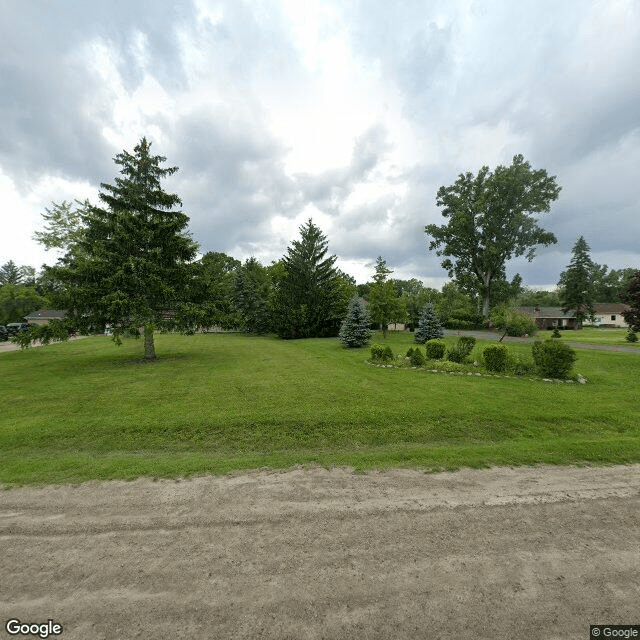
23065 Canfield Avenue, Farmington Hills, MI 48336
To contact a resident: (248) 376-5166
For more information about senior living options: (866) 208-4318
Gentle Care Manor Costs & Pricing
At Gentle Care Manor, the monthly costs reflect a commitment to quality care in a supportive environment. For a semi-private room, the fee is $3,200, which is slightly above Wayne County's average of $2,860 but still competitive compared to the state average of $3,191. For those seeking additional privacy and personalized attention, the private room option is available at $4,400; this rate surpasses both the county's average of $3,335 and Michigan's state average of $3,675. While Gentle Care Manor's costs are higher than local and state averages for both room types, they represent the value of enhanced services and amenities provided to residents.
| Floor plans | Gentle Care Manor | Wayne County | Michigan |
|---|---|---|---|
| Semi-Private | $3,200 | $2,860 | $3,189 |
| Private | $4,400 | $3,335 | $3,674 |
Memory care communities with a similar price nearby
-
from -$200 / mo
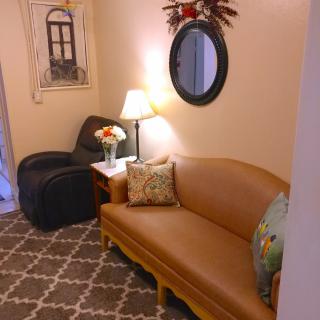
Hutcheson Manor
$3,000 to $4,500 / month0.8 miles away -
from +$600 / mo
Silverbell Manor
$3,800 / month19.1 miles away -
About the same
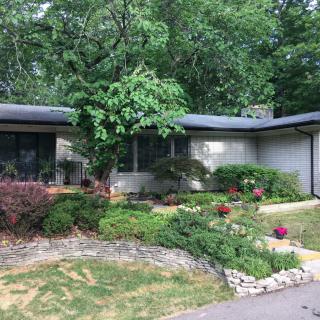
Vicky's Place
$3,200 to $6,000 / month3.9 miles away -
from +$400 / mo
Pineview Manor
$3,600 / month19.2 miles away -
from +$300 / mo
Briar Hill Assisted Living
$3,500 to $4,500 / month0.8 miles away
Overall Review of Gentle Care Manor
Pros
 The aides greeted residents with warm smiles and were attentive to their needs.
- The facility was clean and well-kept, with staff who went above and beyond for residents.
- Most meals were homemade and well-prepared, including special holiday meals for all residents.
- The tour experience was positive, with guides described as kind and informative.
- The staff were consistently kind, helpful, and dedicated to residents.
- Several reviewers would choose Canfield Care Manor again, indicating a generally favorable impression of the care environment.
Cons
 The family states the facility claimed to be skilled specialized care, yet their relative developed hypoxia within a month.
- They say hospice had to be called on a Sunday to “bring her back to life,” after they warned the aide about wheezing and gibberish.
- They allege the aide ignored their concerns and asked if oxygen was needed, which should never have been questioned since it was on the records as must be on at all times.
- They claim depriving her of oxygen accelerated her dementia and led to ongoing decline.
- They describe the owner as not caring about residents and as primarily focused on money, living far away and having “zero clue” what’s going on.
- They assert that about three people died during the short time their relative was there and that they would never send a loved one to Canfield Care Manor.
- They state Rhonda was not skilled and refused to give oxygen, which allegedly left the mother brain dead, and they claim Satish could not care less.
- They call the care center HORRIBLY RUN and urge others to stay clear, with a 1-star assessment being warranted.
Review
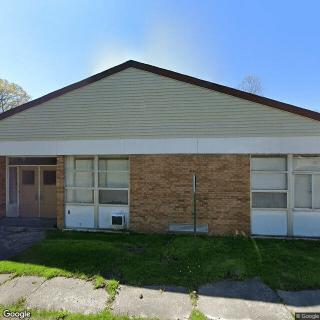
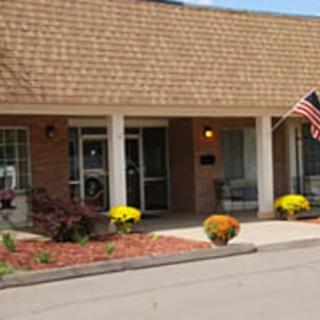
Gentle Care Manor in Farmington Hills is best suited for families seeking a warm, home-like environment where caregivers are visible, meals are home-style and generally well-regarded, and daily life centers on routine, social connection, and approachable staff. It appeals to seniors who do not require constant, high-intensity medical intervention and to families that want approachable, daily oversight from a tight-knit team. The setting isn’t presented as a hospital-like institution; it reads more like a small, personable residence with a caring front-line staff. For those prioritizing a cheerful atmosphere, cleanliness, and regular activities, this community can deliver comfort and a sense of normalcy.
However, serious caveats warrant consideration. Prospective residents with complex medical needs, particularly those relying on meticulous oxygen management or frequent medical intervention, should weigh the narratives of care governance carefully. A number of reviewers describe grave lapses tied to respiratory care and clinical oversight, including episodes where oxygen needs were disputed or inadequately addressed. Such concerns touch the core of what makes a memory-care or skilled-care environment safe: timely response, proper monitoring, and reliable adherence to care plans. Families that cannot tolerate even the perception of medical drift or miscommunication should explore alternatives with stronger documented medical governance and more transparent rescue protocols.
On the positive side, the strongest case for Gentle Care Manor rests with the daily humanity of the staff. Several accounts highlight warm, welcoming aides, consistent attentiveness, and a staff culture that makes residents feel seen. Cleanliness is repeatedly praised, and the kitchen appears to deliver solid, home-cooked meals most days, with special holiday offerings that foster a convivial community atmosphere. Tours and on-site interactions describe a cheerful, engaged resident population and staff that are approachable and helpful. For families who value approachable caregivers who genuinely seem to enjoy their roles, these daily interactions can translate into meaningful quality of life for many residents.
Yet the brighter elements do not erase the more troubling reports. The most serious concerns center on medical reliability and governance: claims of oxygen-related crises, alleged refusals to administer needed oxygen, confrontations with hospice leadership, and criticisms of the owner’s attentiveness, whether distant geographically or emotionally detached from day-to-day resident welfare. A pattern in the reviews suggests a tension between the perceived warmth of caregivers on the ground and concerns about higher-level accountability and decision-making. In short, the day-to-day experience may feel reassuring, while the care supervision and escalation processes raise valid alarms for families who must entrust complex medical needs to the facility.
Ultimately, the value proposition hinges on the resident’s risk profile and the family’s tolerance for risk. The pros offset many daily-life needs: dependable staff presence, a clean, comfortable home, and satisfying meals that contribute to a positive mood and social engagement. These strengths matter tremendously for residents who are relatively stable, enjoy routine, and benefit from a warm, predictable setting. The cons, if realized, pose a disproportionate threat to residents with dementia requiring vigilant, medically precise care. For such individuals, the potential for oxygen-management issues and governance gaps could outweigh the benefits of a friendly environment, shifting the balance toward facilities with more clearly demonstrated medical oversight and transparent leadership.
For families seriously weighing this option, a disciplined due-diligence approach is essential. Prioritize direct discussions with the administrator and the head of nursing to review oxygen policies, emergency protocols, and incident reporting. Request a recent staffing roster, the plan of care for the prospective resident, and a clear escalation path for medical concerns. Speak with current families to gauge consistency between daily care and governance, and tour multiple times at different hours to observe how aides respond under pressure. Consider a trial period with explicit goals and milestones, and verify hospice or external medical partnerships for reliability. Ultimately, Gentle Care Manor can deliver a comforting, social, home-like setting, but it demands careful verification of medical safeguards and leadership engagement before committing.
 Board and Care Home
 Memory Care
 Activities on-site
 Bath tubs
 Indoor common areas
 Outdoor common areas
 Private
 Respite or short term stays offered
 Wheelchair accessible showers
 Detroit Metropolitan-Wayne County (17 miles away)
 Ambulatory care
 Diabetic care
 High acuity care
 Incontinence care
 Medication management
 Kosher


 Understanding Dementia Through Its Seven Stages: A Comprehensive Look at Progression and Expectations
 A Holistic Dementia Care Guide: Effective Strategies for Memory Support
 Memory Care Pathways: A Holistic Guide to Dementia Support