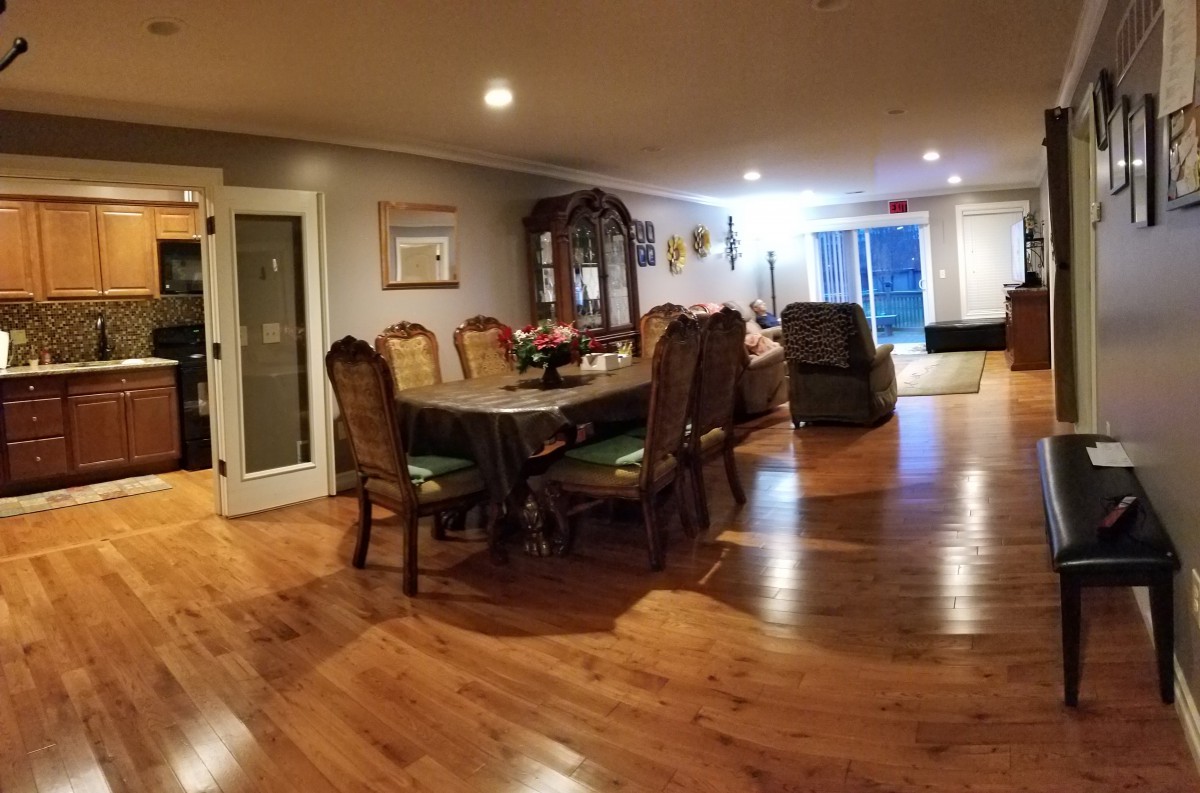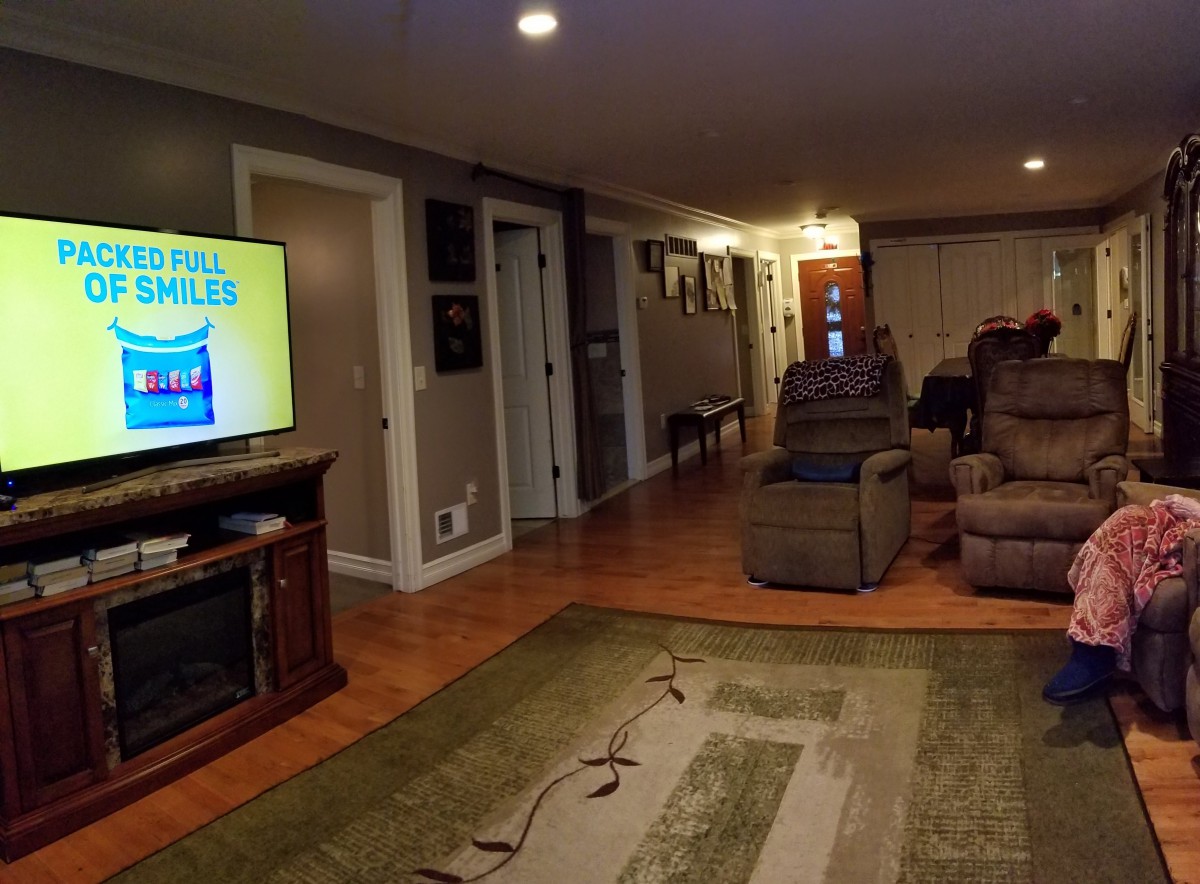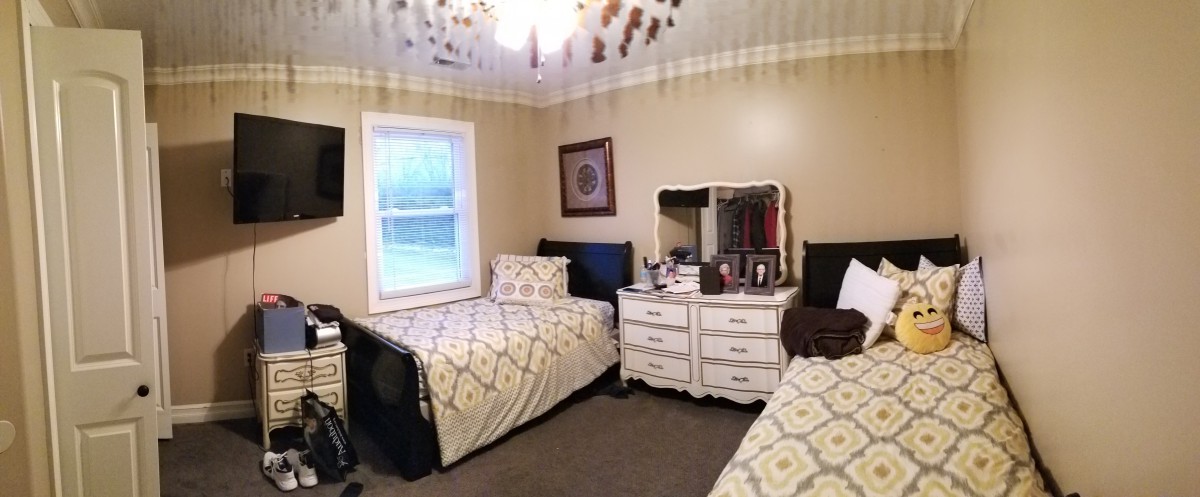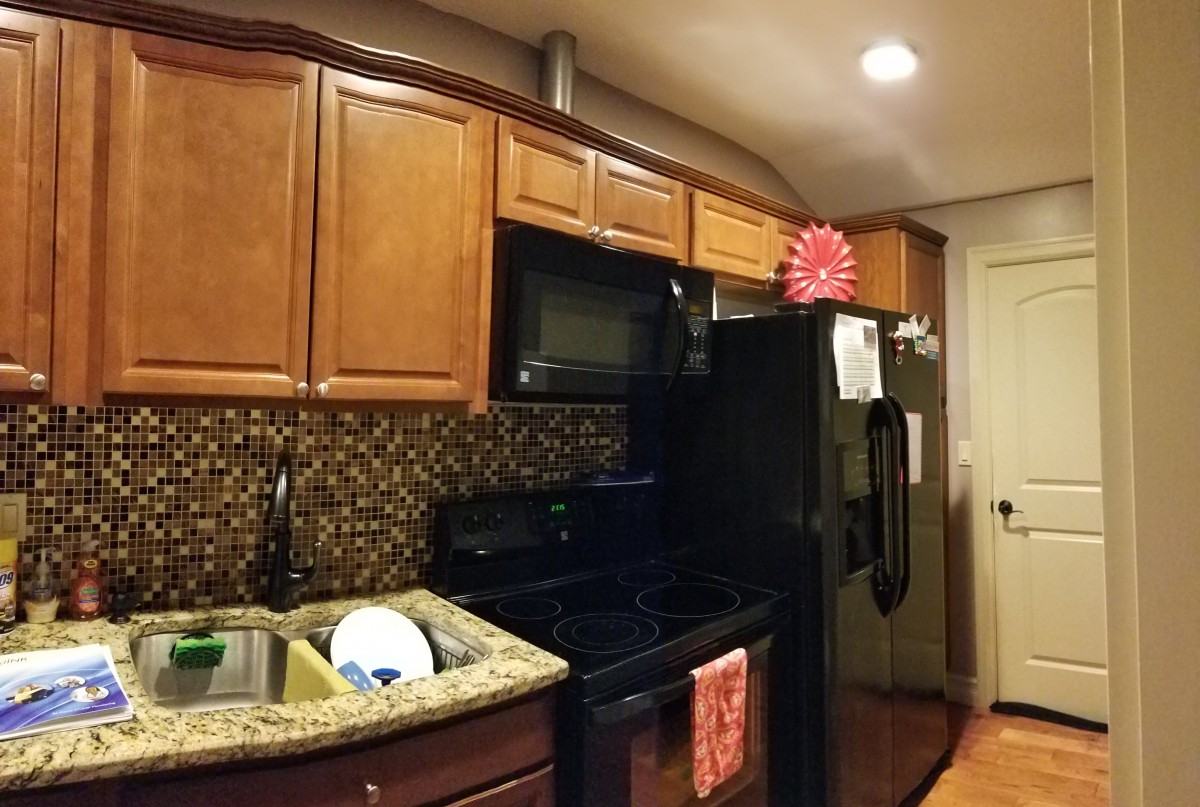
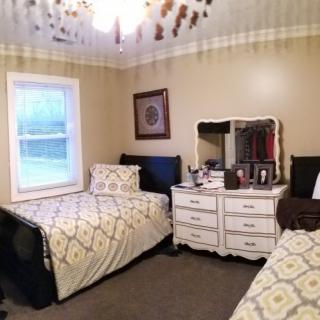
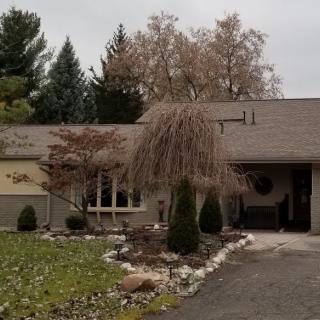
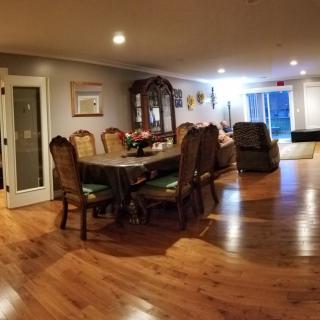
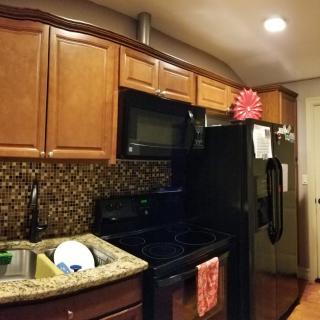
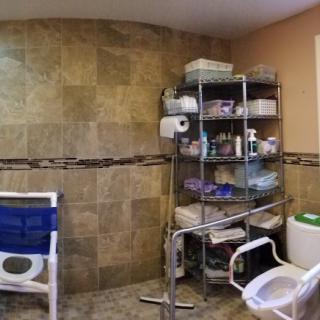

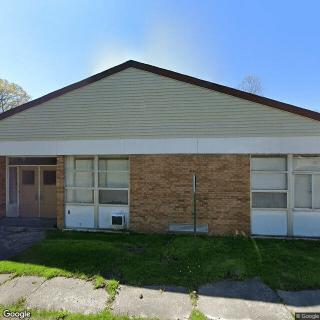
23065 Canfield Avenue, Farmington Hills, MI 48336
For more information about senior living options: (866) 208-4318
Canfield Care Manor Costs & Pricing
Canfield Care Manor offers competitive pricing for its residents, particularly when compared to the broader market in Wayne County and across Michigan. The monthly cost for a semi-private room is set at $3,800, which is significantly higher than the county average of $2,860 and the state average of $3,191. For those seeking more privacy, the studio apartments are available at $5,500 per month - again surpassing both local and state averages of $3,495 and $3,824 respectively. While Canfield Care Manor's rates are elevated in comparison to its peers, they may reflect enhanced amenities or services that cater to the specific needs of their resident population.
| Floor plans | Canfield Care Manor | Wayne County | Michigan |
|---|---|---|---|
| Semi-Private | $3,800 | $2,860 | $3,189 |
| Studio | $5,500 | $3,495 | $3,824 |
Memory care communities with a similar price nearby
-
About the same
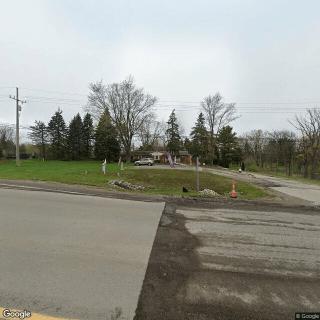
Silverbell Manor
$3,800 / month19.1 miles away -
from -$600 / mo
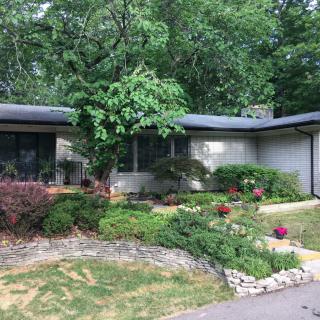
Vicky's Place
$3,200 to $6,000 / month3.9 miles away -
from +$200 / mo
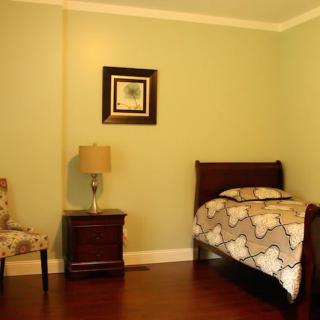
Oakland View Senior Living
$4,000 to $5,000 / month24.5 miles away -
from -$200 / mo
Pineview Manor
$3,600 / month19.2 miles away -
from -$300 / mo
Briar Hill Assisted Living
$3,500 to $4,500 / month0.8 miles away
Overall Review of Canfield Care Manor
Pros
 The tour with Canfield Care Manor was great.
 - The staff were very nice.
- Residents smiled during their stay.
- The home was very clean.
- The aides couldn't do enough for residents.
- 99% of the meals were homemade and good.
- On holidays, staff made a special meal for all the residents.
- The care givers were kind and loving.
- The facility was always spotless.
- If given the choice, people would choose Canfield Care Manor again.
Cons
 The owner is all about the money and not about the residents.
- They deprived her of oxygen, which worsened her dementia.
- Rhonda refused to give the mother oxygen.
- The owner Satish could not care less and lives far away.
- The staff are not skilled.
- The reviewer believes three residents died during the stay.
Review
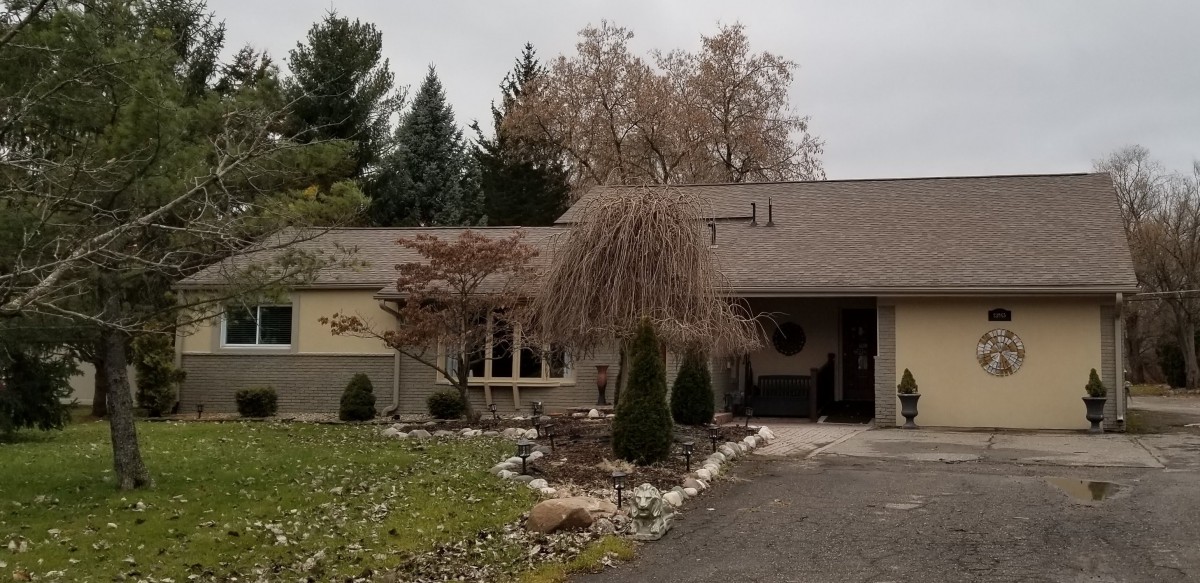
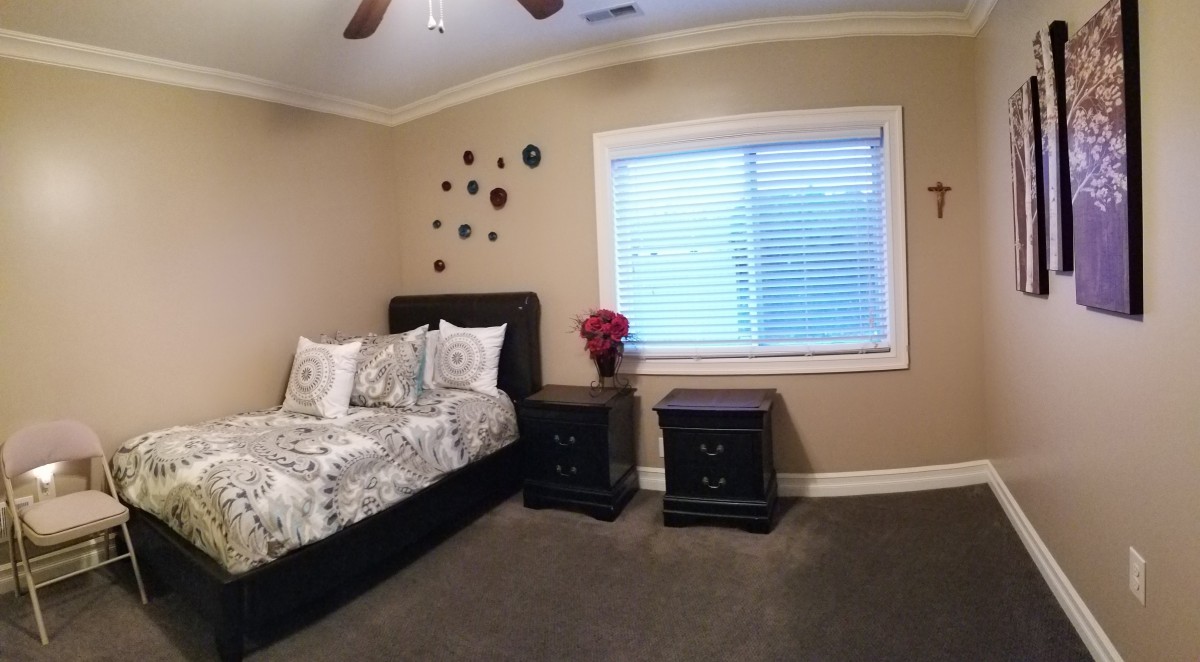
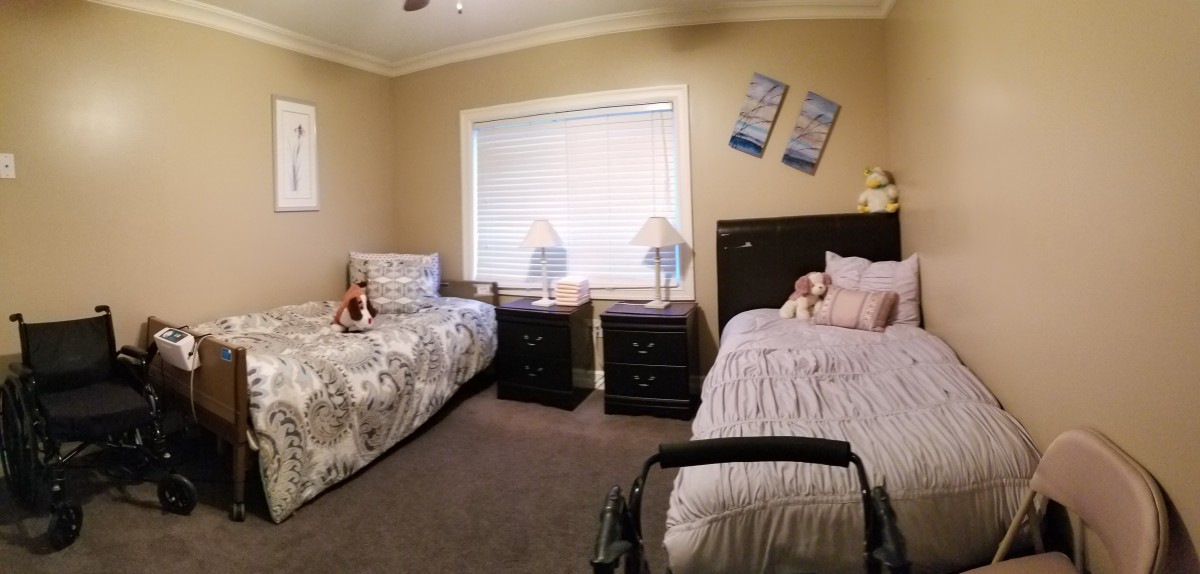
Canfield Care Manor in Farmington Hills is best suited for families seeking a small, home-like assisted living setting where everyday routines feel familiar and staff relationships can form quickly. It works well for residents who need moderate support, appreciate clean, comfortable surroundings, and value reliable respite or short-term care that allows caregivers to step back with some peace of mind. However, this is not the right choice for residents with significant medical complexity or highly demanding clinical needs, especially where oxygen management and rigorous medical oversight are non-negotiable. Prospective families should plan for careful, ongoing monitoring of medical orders and readiness to explore alternatives if safety or responsiveness wavers.
The strongest, enduring positives center on daily life. Staff are repeatedly described as kind, approachable, and consistently attentive, with aides who greet residents warmly and respond to requests. The facility is reported to be clean, homey, and allow for a comfortable, domestic rhythm that feels safe for many seniors. Meals are commonly described as homemade and satisfying, with special holiday offerings reinforcing a sense of community. Short-term respite care can deliver measurable reassurance to families, and tours tend to reassure about layout and livability. When the mood and needs align with what the staff deliver daily, Canfield offers genuine warmth and dependable routine that can be deeply reassuring to families.
Yet serious concerns shadow the positive notes. Several reviews allege that management prioritizes the business bottom line over residents’ welfare, with questions raised about the depth of clinical expertise and the consistency of medical oversight. A core red flag centers on oxygen management, with claims that oxygen was not maintained as required, contributing to hypoxia and rapid decline in some residents. Hospice involvement appears in some cases, sometimes described as arriving during weekends, which underscores perceived gaps in continuous medical monitoring. Additional criticisms point to staff being described as not always skilled, and to a perception that medical orders were not honored with the urgency or precision expected. These safety concerns cannot be dismissed when evaluating long-term placement.
In weighing the pros against the cons, the visible daily comforts and the reliability of frontline staff offset many ordinary, day-to-day care needs, but they do not fully offset the gravity of the medical risks described. For residents whose requirements are primarily assistance with activities of daily living, social engagement, and consistent routine, the environment can be a meaningful fit. When the primary concerns shift toward medical safety, oxygen protocol, and timely escalation of concerns, the positives lose some of their leverage. The risk calculus here hinges on whether medical oversight can be guaranteed in a timely, transparent way, and whether the staff can demonstrate sustained capability to follow complex orders without hesitation.
For families evaluating alternatives, the strongest signals point toward seeking options with documented, strong medical leadership and explicit oversight for residents with dementia or oxygen-dependent conditions. If the priority is robust clinical management, proven dementia care programs, and transparent governance, nearby communities with a track record of reliable medical response or a larger assisted living or skilled-nursing continuum may be preferable. Home-health-supported living or a facility with a clear clinical liaison can also offer more predictable escalation and day-to-day medical confidence. The aim is to align the setting with the resident’s risk profile and the family’s comfort level regarding ongoing medical accountability.
Ultimately, Canfield Care Manor delivers a compelling combination of warmth, cleanliness, and personal attention that resonates for many during respite or transitional periods. However, repeated concerns about medical oversight and oxygen management weigh heavily in long-term decision-making. The prudent approach is to insist on a concrete, written care plan that specifies who supervises medical needs, how oxygen will be managed 24/7, and what happens when concerns arise after hours. Verify licensing and staff qualifications, request up-to-date reference checks, and arrange extended, unvarnished visits to observe how care is delivered in real time. When these assurances are in place, Canfield can be a reasonable choice for suitable cases; when they are not, the search should continue with greater urgency toward safer, more clinically integrated options.
 6 resident community capacity
 Assisted Living
 Board and Care Home
 Memory Care
 Activities off-site
 Air-conditioning
 Beautician on-site
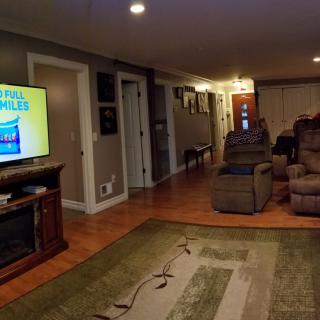
 Cable or satellite TV
 Dining room
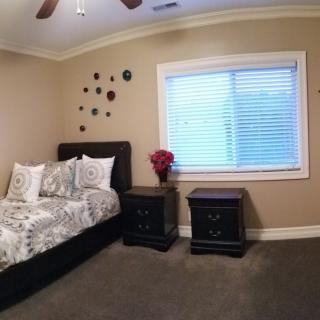
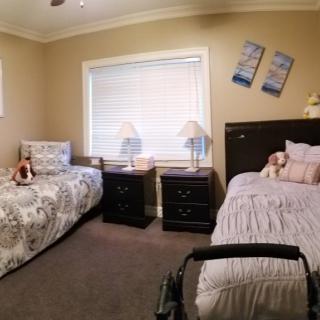
 Fully furnished
 Garden
 Ground floor units
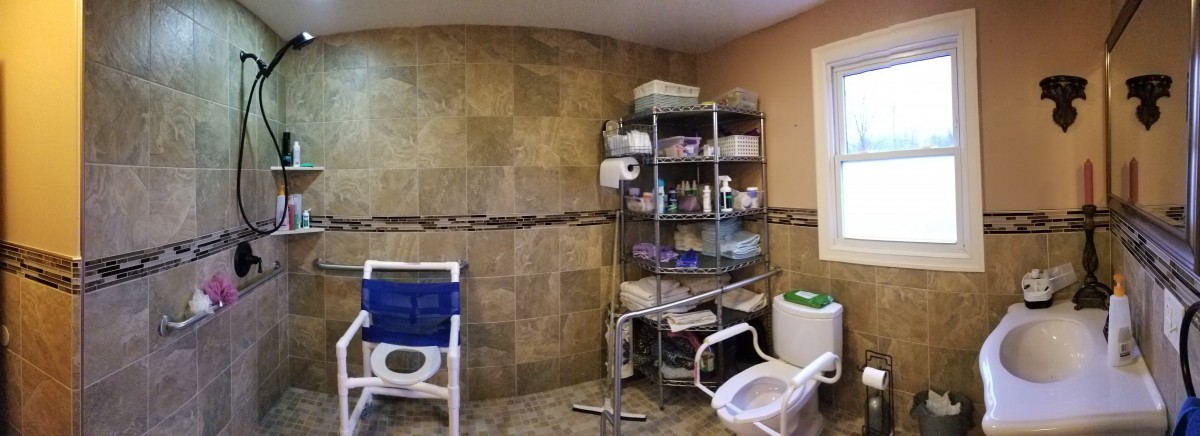
 Handicap accessible
 Housekeeping services
 Indoor common areas
 Move-in coordination
 Outdoor space
 Respite or short term stays offered
 Telephone
 Wheelchair accessible showers
 Wi-Fi/high-speed internet available
 Detroit Metropolitan-Wayne County (17 miles away)
 24-hour supervision
 Assistance with bathing
 Assistance with dressing
 Assistance with transfers
 Diabetes diet
 Diabetic care
 Incontinence care
 Meal preparation and service
 Medication management
 Special dietary restrictions
 Transportation arrangement (medical)
 Transportation to doctors appointments
 BBQs or picnics
 Birthday parties
 Brain fitness
 Stretching classes
 Trivia games


 Understanding the Distinctions: Assisted Living and Memory Care Explained
 How to Communicate with a Loved One Living with Dementia: 10 Supportive Strategies
 Comprehensive Guide to VA Nursing Homes: A Crucial Long-Term Care Resource for Veterans