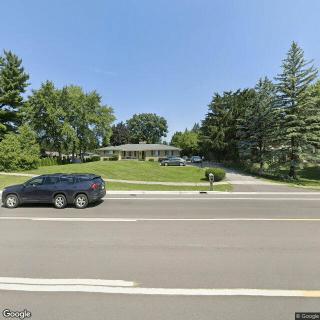
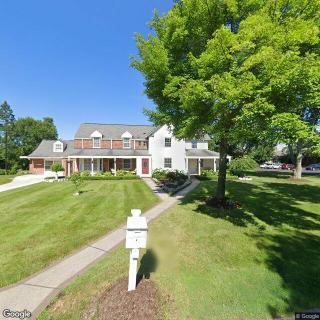
Courtyard Manor Farmington Hills IV in Farmington Hills, MI

29780 Farmington Road, Farmington Hills, MI 48334

For more information about senior living options: (844) 490-3973

3.1 from 28 reviews
5 stars
13
4 stars
1
3 stars
1
2 stars
1
1 stars
12

Assisted Living

Overall Review of Courtyard Manor Farmington Hills IV

Pros

  • pro The staff are consistently praised for their caring nature and attentive service.
  • pro Marlene, the head nurse, is described as an absolute gem who is very patient with residents.
  • pro Mary Beth is highlighted for her genuine care, compassion, and emotional support.
  • pro The staff love residents like family, providing families with peace of mind.
  • pro The Activities Director and Coordinator are engaged and offer a well-balanced program of stimulating activities and excursions.
  • pro The facility is noted for being clean and secure, with responsive care.
  • pro Families regard Courtyard Manor Farmington Hills as an excellent, best-choice for memory care.
  • pro The care team demonstrates extraordinary patience and sympathy, especially during difficult times.

Cons

  • pro The place is disgusting, with bugs everywhere, and the staff are lazy, rude, and disrespectful.
  • pro There are negligent and illegal practices alleged, with serious safety concerns for residents.
  • pro It is claimed that residents were tied into wheelchairs, which is unsafe and unacceptable.
  • pro The nurses are described as garbage who don't care about patients, only about keeping them quiet.
  • pro The facility is in poor condition, with poorly trained staff and management hard to reach after 6 p.m.
  • pro One reviewer felt the care hastened a family member's death and found the experience extremely disappointing, especially during the pandemic.
  • pro The reviewer warned others not to send their loved ones there and noted the facility had state citations.
  • pro The review mentions warnings to not trust the facility with loved ones' lives.

Review

Courtyard Manor Farmington Hills IV is best suited for families seeking dementia-focused memory care where the caregiver team can offer genuine warmth, daily attentiveness, and meaningful engagement for a loved one who needs consistent supervision and activity. The strongest current signal is the emotional and practical support families describe: staff who truly connect with residents, a memory-care environment that feels personal, and an activities program that keeps residents engaged. In these cases, families gain reassurance from nurses like Marlene and from caregivers who treat residents with patience and real compassion. For families navigating advanced memory needs, this community can deliver a high level of day-to-day kindness and reliable routine that often translates into calmer days for residents and peace of mind for relatives.

At the same time, this community warrants caution for families that insist on consistently strong administrative leadership, transparent communication, and uniform safety practices. A substantial portion of the online feedback centers on management and systemic issues - the impression that oversight can be uneven, with some families feeling unheard or left in the dark about care decisions. Several reviewers allege neglectful or unsafe experiences, citing problems with staffing consistency, administrative responsiveness, and even serious safety concerns. Prospective movers should treat these concerns as meaningful red flags, especially when evaluating how shifts are staffed, how care conferences are conducted, and how quickly problems are acknowledged and resolved.

The key positives - the personal care, the warmth of frontline staff, and the robust activities program - do offset some risk for families who prioritize emotional connection and predictable daily life. The care teams receive frequent praise for their compassion, and multiple families credit the staff with treating residents like family. The memory-care focus shines through in the routines, the responsive diet and medication management, and the engaged activities calendar that includes art, pet therapy, excursions, and social programming. When these strengths align with a resident's needs, the resulting stability and sense of belonging can make a meaningful difference in quality of life, especially for someone who values regular human interaction and purposeful engagement.

However, the negative experiences cannot be dismissed. The most serious concerns lie with administrative reliability and overall safety governance. Several reviews describe a pattern of delayed responses, disputes with leadership, and situations where higher-level decisions seemed out of step with family expectations. A few accounts mention specific safety lapses and substandard conditions, including pests or equipment issues, and at least one detailed report cites a formal regulatory finding. These reports matter because they signal risk that can undermine even the strongest day-to-day care. For families weighing this option, a rigorous pre-move evaluation should include direct conversations with the executive team, a tour across all shifts, and a request for recent state inspection results and corrective action plans.

Guidance for families considering Courtyard Manor Farmington Hills IV is practical and direct. Schedule tours on multiple days and times to observe how staff interact with residents and how administration handles questions. Ask for a direct line of contact for care conferences and a clear process for updating families on health changes, weight shifts, or new risks. If a loved one relies on oxygen or strict dietary monitoring, insist on witnessing proper equipment maintenance and clinical oversight during tours and over a trial period. Engage with several families who have residents there to gauge consistency in experiences, not just one positive or negative snapshot. Finally, compare with other local memory-care communities to benchmark staffing ratios, activity quality, and governance transparency.

In the end, Courtyard Manor Farmington Hills IV offers a compelling option for dementia-focused care where frontline staff demonstrate sustained warmth, reliability, and a well-structured activities program. It is less compelling for families that demand pristine administrative consistency, rigorous safety governance across all shifts, and a track record of transparent, proactive communication with families. The decision hinges on priority: if the heart of care is the human connection and steady daily engagement, this community can be a strong match; if governance, safety accountability, and uniform leadership responsiveness are non-negotiables, alternatives should be explored. A disciplined, in-depth due diligence process will reveal whether the balance tilts toward a compassionate, homey memory-care environment or toward a larger, more consistently governed option.

Features

Housing

  • 20 resident community capacity 20 resident community capacity

Types of Care

  • Assisted Living Assisted LivingAssisted living facilities provide crucial support and care for seniors who may need help with daily tasks such as medication management, bathing, and meal preparation. These communities offer a safe and comfortable environment where seniors can maintain their independence while receiving the assistance they need to thrive in their golden years.

Amenities

  • Beauty salon Beauty salonBeauty salons are important for seniors because they provide a space for them to feel pampered, socialize, and maintain their personal grooming and hygiene. Regular visits to a beauty salon can help boost seniors' self-esteem and overall well-being.
  • Cable or satellite TV Cable or satellite TVCable or satellite TV is important for seniors because it provides entertainment, news, and companionship, helping to combat loneliness and boredom. It also offers a wide range of programming options tailored to different interests and preferences.
  • Dining room Dining roomDining rooms are important for seniors as they provide a space for socialization, connection, and nutritious meals. They offer opportunities for residents to bond over shared meals, foster a sense of community, and promote healthy eating habits. Dining rooms also ensure that seniors have access to well-balanced meals tailored to their dietary needs and preferences.
  • Fully furnished Fully furnishedFully furnished senior living communities are important for seniors because they provide convenience, comfort, and a hassle-free moving experience. Seniors can easily settle into their new living space without the stress of having to buy and move furniture. This allows them to focus on enjoying their new home and community.
  • Garden GardenGardens are important for seniors as they provide a peaceful and therapeutic environment for relaxation, physical activity, and socialization. Being in nature has been shown to reduce stress, improve mood, and promote overall well-being. Gardens also offer opportunities for seniors to engage in gardening activities, which can improve mobility, flexibility, and cognitive function. Additionally, gardens create a sense of community and connection with others who share a passion for plants and outdoor spaces.
  • Housekeeping services Housekeeping servicesHousekeeping services are important for seniors because they help maintain a clean and safe living environment, promote independence, and reduce the risk of accidents or illnesses. Additionally, having assistance with household chores can alleviate physical strain and allow seniors to focus on other aspects of their well-being.
  • Kitchenette KitchenetteKitchenettes are important for seniors living in senior living communities because they provide the convenience and independence of being able to prepare simple meals and snacks in the comfort of their own living space. This can help promote a sense of autonomy and well-being for seniors, allowing them to maintain some level of control over their dietary choices and daily routines.
  • Move-in coordination Move-in coordinationMove-in coordination is important for seniors because it helps ease the transition into their new living environment. It ensures that all logistics, such as packing, organizing movers, and setting up utilities are taken care of, allowing seniors to focus on settling in and adjusting to their new home. Having a smooth move-in process can alleviate stress and anxiety, making the transition smoother and more enjoyable for seniors.
  • Outdoor space Outdoor spaceOutdoor spaces are important for seniors as they provide opportunities for physical activity, social interaction, exposure to natural light and fresh air, and a sense of connection to nature. Having access to outdoor spaces can improve overall well-being and quality of life for older adults living in senior communities.
  • Telephone TelephoneTelephones are important for seniors as they provide a lifeline for communication with loved ones, emergency services, and healthcare providers. They offer a sense of security and independence, enabling seniors to stay connected and access assistance when needed.
  • Wi-Fi/high-speed internet available Wi-Fi/high-speed internet availableWi-Fi/high-speed internet is important for seniors to stay connected with loved ones, access online resources, and participate in virtual activities to combat feelings of loneliness and isolation. It also allows them to easily manage healthcare needs, access entertainment, and engage in lifelong learning opportunities.

Transportation

  • Detroit Metropolitan-Wayne County (21 miles away) Detroit Metropolitan-Wayne County (21 miles away)

Care Services

  • 24-hour call system 24-hour call system24-hour call systems are important for seniors because they provide peace of mind and immediate assistance in case of emergencies. This technology ensures that help is always available, promoting safety and security for elderly individuals living alone or in assisted living facilities.
  • 24-hour supervision 24-hour supervision24-hour supervision is important for seniors to ensure their safety, well-being, and access to immediate assistance in case of emergencies or health issues. This constant support provides peace of mind for both seniors and their loved ones, allowing them to age in place with dignity and security.
  • Activities of daily living assistance Activities of daily living assistanceActivities of daily living assistance are important for seniors because they provide essential support with tasks such as eating, bathing, dressing, and mobility. This assistance helps seniors maintain their independence, dignity, and overall quality of life as they age.
  • Assistance with bathing Assistance with bathingAssistance with bathing is crucial for seniors as it helps maintain personal hygiene, prevents infections, and ensures their overall well-being and comfort. It also provides a sense of dignity and independence for seniors who may struggle with this task on their own.
  • Assistance with dressing Assistance with dressingAssistance with dressing is important for seniors because it helps maintain their independence, promotes personal hygiene, prevents accidents and injuries, and improves overall quality of life. This service ensures that seniors can continue to dress comfortably and confidently, despite any physical limitations they may have.
  • Assistance with transfers Assistance with transfersAssistance with transfers is crucial for seniors as it helps prevent falls and injuries, maintains their independence, and ensures they can safely navigate their living environment. It also provides peace of mind for both seniors and their loved ones.
  • Coordination with health care providers Coordination with health care providersCoordination with health care providers is crucial for seniors to ensure proper medical care, medication management, and overall well-being. This collaboration helps prevent overlapping treatments, track progress more effectively, and provide comprehensive support tailored to individual needs.
  • Diabetes diet Diabetes dietA diabetes diet is crucial for seniors as it helps manage blood sugar levels, reduce risks of complications, and improve overall health and well-being. By following a balanced and nutritious diet tailored to their specific needs, seniors can better control their diabetes and enhance their quality of life.
  • Meal preparation and service Meal preparation and serviceMeal preparation and service are crucial for seniors as they may have limited mobility or energy to cook nutritious meals. Having access to healthy and convenient food options can ensure they are getting the proper nutrition needed to maintain their overall health and well-being.
  • Medication management Medication managementMedication management is crucial for seniors to ensure they are taking the right medications at the correct dosages and times. This helps prevent adverse drug interactions, reduces the risk of medication errors, and promotes overall health and well-being. Proactive management also allows for adjustments as needed based on changing health conditions or new prescriptions.
  • Mental wellness program Mental wellness programMental wellness programs are essential for seniors as they promote cognitive stimulation, emotional support, and social engagement. These programs help prevent isolation, depression, and cognitive decline, ultimately enhancing the overall quality of life for older adults.
  • Special dietary restrictions Special dietary restrictionsSpecial dietary restrictions are important for seniors because age-related changes in metabolism and health conditions can make it difficult for their bodies to process certain foods. By following a diet tailored to their specific needs, seniors can maintain their overall health and well-being, manage chronic conditions, and reduce the risk of complications such as malnutrition or food interactions with medications.
  • Transportation arrangement (medical) Transportation arrangement (medical)Transportation arrangements for medical purposes are essential for seniors as they may have difficulty driving themselves to appointments or accessing public transportation. Having reliable and safe transportation options ensures that seniors can receive timely medical care and maintain their health and well-being.
  • Transportation to doctors appointments Transportation to doctors appointmentsTransportation to doctors' appointments is crucial for seniors as it ensures they have access to necessary medical care and support for their health needs. Without reliable transportation, seniors may struggle to attend important appointments, leading to potential delays in treatment and health complications. Providing transportation services helps seniors maintain their overall well-being and quality of life.

Dining

  • Diabetes diet Diabetes dietA diabetes diet is crucial for seniors as it helps manage blood sugar levels, reduce risks of complications, and improve overall health and well-being. By following a balanced and nutritious diet tailored to their specific needs, seniors can better control their diabetes and enhance their quality of life.
  • Special dietary restrictions Special dietary restrictionsSpecial dietary restrictions are important for seniors because age-related changes in metabolism and health conditions can make it difficult for their bodies to process certain foods. By following a diet tailored to their specific needs, seniors can maintain their overall health and well-being, manage chronic conditions, and reduce the risk of complications such as malnutrition or food interactions with medications.

Activities

  • Community-sponsored activities Community-sponsored activitiesCommunity-sponsored activities are important for seniors as they provide opportunities for social interaction, mental stimulation, and physical activity. These activities can help improve overall well-being, combat loneliness and isolation, and promote a sense of belonging and purpose among older adults.
  • Scheduled daily activities Scheduled daily activitiesScheduled daily activities are important for seniors because they provide structure, socialization, mental stimulation, and physical activity. Engaging in regular activities can improve overall well-being and quality of life for seniors living in a community setting.

Description

Courtyard Manor Farmington Hills IV is an excellent choice for individuals seeking assisted living services in Farmington Hills, MI. This community offers a wide range of amenities to ensure comfort and convenience for its residents. Residents can enjoy their favorite shows with cable or satellite TV in the comfort of their fully furnished apartments. The dining room provides a pleasant atmosphere for meals, which are prepared by the community's dedicated staff and cater to special dietary restrictions.

The community also features beautiful gardens and outdoor spaces where residents can relax and enjoy nature. Housekeeping services are provided to ensure that the environment is always clean and well-maintained. For those who require assistance with daily living activities, 24-hour supervision is available along with help in bathing, dressing, and transfers.

Healthcare needs are well taken care of at Courtyard Manor Farmington Hills IV through coordination with health care providers and transportation arrangements to medical appointments. Medication management is also provided to ensure that residents receive their medications as prescribed.

The community understands the importance of mental wellness and offers a mental wellness program to support the emotional well-being of its residents. Scheduled daily activities provide opportunities for socialization and engagement.

Conveniently located near cafes, parks, pharmacies, physicians, restaurants, places of worship, theaters, and hospitals, Courtyard Manor Farmington Hills IV ensures that residents have easy access to necessary amenities and services.

Overall, Courtyard Manor Farmington Hills IV provides a safe and comfortable environment for seniors seeking assisted living services with a focus on personalized care and attention to individual needs.

Nearby Places of Interest

Physicians

  • Michigan Institute For Neurological Disorders (1.1 miles)
  • Millenium Diagnostic Center (1.6 miles)
  • Beaumont Medical Center - West Bloomfield (1.7 miles)
  • Providence Medical Center (2.9 miles)
  • Lakes Urgent Care (4.1 miles)
  • Meadowbrook Medical Center (4.6 miles)
  • Beaumont Midwest Internal Medicine Associates (5.4 miles)

Cafes

  • Tim Hortons (1.2 miles)
  • Starbucks (3.4 miles)
  • Starbucks (3.8 miles)
  • Starbucks (4.8 miles)
  • Starbucks (5.2 miles)
  • Starbucks (5.3 miles)
  • Panera Bread (5.6 miles)

Pharmacies

  • Walgreens (1.2 miles)
  • CVS Pharmacy (1.9 miles)
  • CVS Pharmacy (2.4 miles)
  • Rite Aid (3 miles)
  • Walgreens (3 miles)
  • CVS Pharmacy (3 miles)
  • Henry Ford Pharmacy - Columbus (3.2 miles)

Parks

  • Woodland Hills Nature Park (1.6 miles)
  • Karner Farm (3.1 miles)
  • Flanders Park (4.9 miles)
  • Liberty Park Playground (5.7 miles)
  • Rotary Park (6.6 miles)
  • Clara Miller Park (6.8 miles)
  • Dodge #4 State Park (7 miles)

Hospitals

  • Henry Ford West Bloomfield Hospital (2.1 miles)
  • Botsford Hospital (5.7 miles)
  • Providence Park Hospital (7.5 miles)

Restaurants

  • Kerby's Koney Island (2.4 miles)
  • Duo Restaurant & Lounge (3.3 miles)
  • McDonald's (3.3 miles)
  • 2 Rose's Family Restaurant (3.4 miles)
  • Uptown Grill (3.7 miles)
  • McDonald's (4 miles)
  • On The Dunes (4.1 miles)

Places of Worship

  • Brightmoor Christian Church (3.7 miles)
  • Church of the Holy Family (5.1 miles)
  • Ward Church (7.7 miles)

Theaters

  • Riviera Cinema (4.5 miles)
  • Emagine Novi (5.7 miles)
  • Phoenix Theatres Laurel Park Place (7.3 miles)

Frequently Asked Questions

Where is Courtyard Manor Farmington Hills IV?

Nearby Communities

  • Courtyard Manor Farmington Hills I

    Courtyard Manor Farmington Hills I

    Farmington Hills, MI

    3 from 54 reviews
    $5,600 to $6,200 / month

    pro Friendly staff, clean environment, and good meals/activities

  • Courtyard Manor Farmington Hills III

    Courtyard Manor Farmington Hills III

    Farmington, MI


    pro Comprehensive care options (assisted living, memory care) with 24/7 supervision, ADL support, and transport coordination.

  • Courtyard Manor Farmington Hills II

    Courtyard Manor Farmington Hills II

    Farmington, MI

    3.1 from 28 reviews
     

    pro Broad care options (assisted living, board and care, memory care, respite) with 24/7 supervision and memory care programming.

  • Trillium HomeCare

    Trillium HomeCare

    Farmington Hills, MI

    5 from 1 review
     

    pro Prime location with diverse nearby amenities.

  • Charach 1

    Charach 1

    Farmington Hills, MI


    pro Comprehensive care in a home-like setting.

  • Aleardi's 13 Mile

    Aleardi's 13 Mile

    Farmington, MI

     
    $3,200 to $3,500 / month

    pro Competitive pricing for private rooms and studio units within Oakland County; comprehensive memory care with 24-hour supervision and dementia programming; on-site dining, activities, housekeeping, transportation coordination, and furnished rooms with outdoor spaces.

  • The Baptist Manor - Drake Building

    The Baptist Manor - Drake Building

    Farmington Hills, MI

     
    $2,500 / month

    pro Affordable pricing with extensive nearby amenities (dining, parks, healthcare, worship, and culture).

  • Senior Helpers - Farmington Hills,  MI

    Senior Helpers - Farmington Hills, MI

    Farmington Hills, MI

    4.4 from 33 reviews
     

    pro Compassionate, well-matched caregivers chosen through a thorough interview process with strong communication.

  • Home Instead - Southwest Oakland County,  MI

    Home Instead - Southwest Oakland County, MI

    Farmington Hills, MI

    4.9 from 64 reviews
     

    pro Personalized, compassionate care with family-like caregiver matching and responsive communication.

Related Resources

  • assisted living costUnderstanding the True Cost of Assisted Living in 2025: A Comprehensive Guide

    Assisted living in 2025 offers a crucial balance of independence and support for seniors, with costs varying from $2,500 to over $7,000 per month based on factors such as location and care level. Understanding pricing complexities, including regional differences and potential hidden fees, is essential for families to plan financially while ensuring quality care for their loved ones.

  • does medicaid pay for assisted livingUnderstanding Medicaid Coverage for Assisted Living: A Comprehensive Guide

    The guide outlines the complexities of Medicaid coverage for assisted living, highlighting significant state-to-state variations, limited coverage often restricted to personal care services, and the existence of specialized waivers for certain needs like memory care. It advises families to consult local Medicaid offices for options while emphasizing the importance of understanding state-specific regulations and facility policies.

  • does medicaid pay for assisted livingHow and When Medicaid May Cover Assisted Living Costs

    Medicaid coverage for assisted living varies by state and is primarily available to low-income individuals, with eligibility dependent on strict income and asset limits. Some states offer HCBS waivers for specific services in assisted living, but families must generally cover room and board costs, and should verify facility acceptance of Medicaid while considering potential waiting lists.