For more information about senior living options: (866) 208-4318
3 from 54 reviews
5 stars
18
4 stars
10
3 stars
2
2 stars
3
1 stars
21
Courtyard Manor Farmington Hills I Costs & Pricing
At Courtyard Manor Farmington Hills I, the monthly costs reflect a premium level of care and amenities when compared to both Oakland County and the broader state averages. For a semi-private room, residents can expect to pay $5,600 per month, which significantly exceeds the county's average of $3,204 and the state's average of $3,191. Similarly, the cost for a studio apartment is set at $6,200, again surpassing Oakland County's average of $4,577 and Michigan's average of $3,824. These figures indicate that while the pricing at Courtyard Manor may be higher than both local and state standards, they likely correspond with enhanced services and a quality living environment designed for comfort and well-being.
Floor plans
Courtyard Manor Farmington Hills I
Oakland County
Michigan
Semi-Private
$5,600
$3,204
$3,189
Studio
$6,200
$4,577
$3,824
Memory care communities with a similar price nearby
Overall Review of Courtyard Manor Farmington Hills I
common21 reviews mention this
Staff kindness and responsiveness stand out
Many residentsā€™ families describe staff as caring, friendly, and responsive to needs.
Across the reviews, families repeatedly emphasize that staff show genuine care and patience, and that staff are present and attentive in day-to-day situations. Several reviewers also mention quick follow-through when concerns come up, along with communication that helps families feel informed. A few reviews counter this with claims of unhelpful or insufficient support, but the more consistent pattern is positive responsiveness and kindness.
differentiator15 reviews mention this
Memory care and dementia support
Families frequently point to dementia-focused care and behavior support as a key reason for choosing Courtyard Manor.
Many reviewers discuss memory care in the context of dementia progression, including wandering and challenging behaviors. Several families say the staff was able to address a wider range of behavior needs than other places, while others specifically describe the environment as a good fit for dementia. At the same time, a smaller set of reviews raise serious concerns about supervision, medication practices, and how well wandering or safety issues are handled.
common6 reviews mention this
Meals and dietary support
Residents and families mention meals as a notable part of daily life.
Food shows up as a recurring point in reviews, with multiple families saying their loved one enjoyed the meals prepared on-site. Some reviewers also describe practical support around eating, and others mention better diet-related experience than expected. There are also negative comments about food quality, which suggests opinions are mixed even though meal involvement is widely discussed.
common8 reviews mention this
Activities keep residents engaged
Reviews often highlight a steady schedule of activities and outings.
Several families describe regular activities during the week, plus excursions and special events that help break up the routine. A number of reviewers connect these programs to how their loved ones participate and stay engaged. One review also notes there may be fewer activities than usual, which they relate to visiting limits and pandemic effects.
caveat4 reviews mention this
Facility condition and cleanliness concerns
Some reviews express strong concerns about facility condition, cleanliness, and general upkeep.
A smaller group of reviews describes problems with cleanliness and the overall condition of the building, including claims of bugs or other upkeep issues. These reviewers also mention operational breakdowns such as poor maintenance and staffing or supervision problems. Other reviews in the set say the community is clean and well kept, so experiences appear inconsistent across residents and time periods.
How we summarize
Counts show how many written reviews mention each theme; a review can touch several themes, and only frequently mentioned themes are displayed.
Features
Housing
20 resident community capacity
Types of Care
Assisted Living
Memory Care
Pets
Cats allowed
Dogs allowed
Amenities
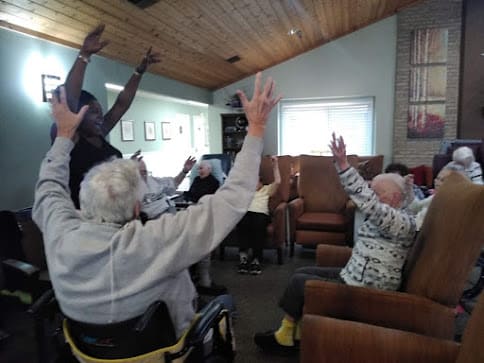
Activities on-site
Beautician on-site
Beauty salon
Cable or satellite TV
Devotional services off-site
Dining room
Fully furnished
Garden
Ground floor units
Handicap accessible
Housekeeping services
Indoor common areas
Kitchenette
Move-in coordination
Outdoor common areas
Outdoor space
Respite or short term stays offered
Telephone
Wheelchair accessible showers
Wi-Fi/high-speed internet available
Transportation
Detroit Metropolitan-Wayne County (21 miles away)
Care Services
24-hour call system
24-hour supervision
Activities of daily living assistance
Assistance with bathing
Assistance with dressing
Assistance with transfers
Coordination with health care providers
Diabetes diet
Diabetic care
High acuity care
Incontinence care
Meal preparation and service
Medication management
Mental wellness program
Special dietary restrictions
Transportation arrangement (medical)
Transportation to doctors appointments
Dining
Diabetes diet
Gluten-free
Guest meals
Low / no sodium
Meals provided
No Sugar
Restaurant style dining
Room service
Special dietary restrictions
Vegan
Activities
Art classes
Catholic services
Community-sponsored activities
Day trips and outings
Devotional activities offsite
Educational speakers / life long learning
Happy hour
Jewish services
Live musical performances
Live well programs
Resident-run activities
Scheduled daily activities
Visiting Rabbi
Visiting chaplain or priest
Wine tasting
Nearby Places of Interest
This area of Farmington Hills, Michigan offers a variety of amenities and services that cater to seniors. With multiple physicians' offices and hospitals nearby, residents have easy access to healthcare services. There are also several pharmacies within a short distance, making it convenient to fill prescriptions. The abundance of cafes and restaurants provide options for dining out or grabbing a quick bite to eat. For recreational activities, there are several parks in the vicinity where residents can enjoy nature and outdoor activities. Additionally, places of worship offer spiritual support and community engagement. If you enjoy entertainment, there are theaters close by for movies and live performances. Overall, this area provides a well-rounded environment for senior living with accessibility to essential services and opportunities for social engagement.
Physicians
Michigan Institute For Neurological Disorders (1.1 miles)
Millenium Diagnostic Center (1.6 miles)
Beaumont Medical Center - West Bloomfield (1.7 miles)
Providence Medical Center (2.9 miles)
Lakes Urgent Care (4.1 miles)
Meadowbrook Medical Center (4.6 miles)
Beaumont Midwest Internal Medicine Associates (5.3 miles)
At Courtyard Manor Farmington Hills I, the monthly costs reflect a premium level of care and amenities when compared to both Oakland County and the broader state averages. For a semi-private room, residents can expect to pay $5,600 per month, which significantly exceeds the county's average of $3,204 and the state's average of $3,191. Similarly, the cost for a studio apartment is set at $6,200, again surpassing Oakland County's average of $4,577 and Michigan's average of $3,824. These figures indicate that while the pricing at Courtyard Manor may be higher than both local and state standards, they likely correspond with enhanced services and a quality living environment designed for comfort and well-being.
The features offered by Courtyard Manor Farmington Hills I are essential in providing comprehensive support for residents with dementia or Alzheimer's disease. Assistance with dressing and bathing promotes personal hygiene and dignity, which can significantly enhance a resident's quality of life. Medication management ensures that individuals receive their prescriptions accurately, reducing the risk of confusion and adverse effects. Meal preparation and service cater to nutritional needs while promoting social interaction during dining experiences. Transportation arrangements facilitate access to medical appointments, ensuring continuity of care. Coordination with healthcare providers streamlines communication regarding each resident's health status, while assistance with activities of daily living supports independence as much as possible. The 24-hour supervision provides safety and security, allowing residents to feel at ease in their environment. A dedicated mental wellness program fosters cognitive engagement and emotional well-being, while incontinence care addresses a sensitive issue discreetly, helping maintain dignity and comfort throughout daily routines. Together, these features create a nurturing and supportive atmosphere conducive to the unique needs of residents navigating memory challenges.
Yes, Courtyard Manor Farmington Hills I allows both dogs and cats.
Nearby Communities
Courtyard Manor Farmington Hills IV
Farmington Hills, MI
3.1 from 28 reviews
Intimate 20-resident community with personalized care and extensive amenities.
Courtyard Manor Farmington Hills II
Farmington, MI
3.1 from 29 reviews
Broad care options (assisted living, board and care, memory care, respite) with 24/7 supervision and memory care programming.
Courtyard Manor Farmington Hills III
Farmington, MI
3.1 from 28 reviews
Comprehensive care options (assisted living, memory care) with 24/7 supervision, ADL support, and transport coordination.
Trillium HomeCare
Farmington Hills, MI
5 from 1 review
Prime location with diverse nearby amenities.
Charach 1
Farmington Hills, MI
3.9 from 7 reviews
Comprehensive care in a home-like setting.
Aleardi's 13 Mile
Farmington, MI
4 from 4 reviews
$3,200 to $3,500 / month
Competitive pricing for private rooms and studio units within Oakland County; comprehensive memory care with 24-hour supervision and dementia programming; on-site dining, activities, housekeeping, transportation coordination, and furnished rooms with outdoor spaces.
The Baptist Manor - Drake Building
Farmington Hills, MI
$2,500 / month
Affordable pricing with extensive nearby amenities (dining, parks, healthcare, worship, and culture).
Senior Helpers - Farmington Hills, MI
Farmington Hills, MI
4.3 from 35 reviews
Compassionate, well-matched caregivers chosen through a thorough interview process with strong communication.
Home Instead - Southwest Oakland County, MI
Farmington Hills, MI
4.9 from 71 reviews
Personalized, compassionate care with family-like caregiver matching and responsive communication.
Assisted living provides moderate support for seniors seeking independence, while memory care offers specialized support for individuals with dementia or cognitive impairments through structured routines and trained staff. Key differences include care approaches, environment security measures, staff training levels, activity types, and cost considerations.
Choosing between assisted living and nursing homes involves evaluating emotional and financial factors, with assisted living offering independence and support for daily activities at a lower cost, while nursing homes provide intensive medical care for individuals with significant health needs. The decision is influenced by personal preferences, health status, cognitive function, and varying Medicaid coverage across states.
The article presents eight strategies for preserving cognitive health and memory in older adults, emphasizing a nutrient-rich diet, regular exercise, intellectually stimulating activities, adequate sleep, social connections, stress management techniques, limiting harmful substances, and regular medical checkups to mitigate age-related memory decline.
Get PricingAsk A QuestionSchedule A TourContact Senior Advisor
By clicking submit, you agree to our Partner's Terms of Use. You
also consent to receive calls and texts, which may be autodialed, from our Partner. Your consent is not a condition to
using our Partner's service. Please visit our Partner's Privacy Policy for information about their privacy practices.

 20 resident community capacity
 Assisted Living
 Memory Care
 Cats allowed
 Dogs allowed
 Activities on-site
 Beautician on-site
 Cable or satellite TV
 Devotional services off-site
 Dining room
 Fully furnished
 Garden
 Ground floor units
 Handicap accessible
 Housekeeping services
 Indoor common areas
 Kitchenette
 Move-in coordination
 Outdoor common areas
 Respite or short term stays offered
 Telephone
 Wheelchair accessible showers
 Wi-Fi/high-speed internet available
 Detroit Metropolitan-Wayne County (21 miles away)
 24-hour call system
 Assistance with bathing
 Assistance with dressing
 Assistance with transfers
 Diabetes diet
 Diabetic care
 High acuity care
 Incontinence care
 Meal preparation and service
 Medication management
 Mental wellness program
 Special dietary restrictions
 Transportation arrangement (medical)
 Transportation to doctors appointments
 Art classes
 Catholic services
 Day trips and outings
 Educational speakers / life long learning
 Happy hour
 Jewish services
 Live musical performances
 Live well programs
 Wine tasting
 Intimate 20-resident community with personalized care and extensive amenities.

 Assisted Living and Memory Care: Understanding Their Core Differences
 Choosing the Right Senior Care: A Detailed Exploration of Assisted Living and Nursing Homes
 Safeguarding Your Memory Through the Golden Years: Eight Ways to Preserve Cognitive Health