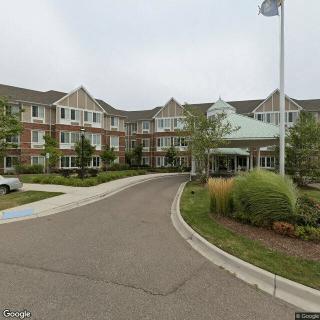
Zareya's Adult Home Care in Eastpointe, MI

16555 Stricker Avenue, Eastpointe, MI 48021

For more information about senior living options: (844) 490-3973

5 from 35 reviews
5 stars
35
4 stars
0
3 stars
0
2 stars
0
1 stars
0

Assisted Living Board and Care Home Memory Care

Overall Review of Zareya's Adult Home Care

Pros

  • pro The staff are kind, patient, and attentive to each person's needs.
  • pro They greet loved ones warmly and make them feel welcomed and accepted.
  • pro The program offers stimulating activities and meaningful social engagement.
  • pro The atmosphere feels like family - caring, respectful, and trustworthy.
  • pro Families report peace of mind knowing their loved ones are well cared for.
  • pro The team communicates clearly, supportively, and with regular updates.
  • pro The care is compassionate, skilled, and dependable.
  • pro Residents leave each day happy, energized, and with companionship.

Review

This community in Eastpointe is best suited for families seeking a daytime, dementia-friendly program that can keep a loved one engaged, supervised, and connected to others while granting caregivers reliable, predictable respite. The pattern of feedback across the SarahCare model highlights warm, patient staff who greet participants warmly, nurture a sense of belonging, and tailor interactions to the realities of dementia. For families balancing work, errands, and caregiving, the program offers structured activities, nutritious meals, and a consistently supportive environment where participants are treated with dignity and respect. It is not just supervision; it is a daily routine built around meaningful engagement, safety, and visible progress in social and cognitive stimulation.

Those considering alternatives should note that this is a daytime program rather than a full-time residential solution. For loved ones who require 24/7 supervision, complex medical care, or a memory-care residence, options such as specialized assisted living with memory care or in-home round-the-clock support will be more appropriate. The reviews consistently frame these programs as excellent for daytime enrichment and caregiver relief, but they stop short of providing overnight care or long-term housing. Families facing advanced functional needs or safety concerns after hours will want to compare a full-continuum option to ensure continuous coverage and care.

The strongest pros - genuine warmth, patient attentive staff, and a culture that feels like family - offset the primary limitation of a daytime-only setup very effectively. The staff's daily demonstrations of empathy, clear communication, and willingness to adjust activities to individual abilities create a trustworthy, low-stress rhythm for both participants and families. The social aspect sits at the core: stimulating activities, opportunities for conversation, and regular feedback to caregivers about mood, effort, and any health concerns. When a loved one thrives on social interaction and routine, these advantages translate into measurable improvements in mood, engagement, and overall well-being.

Equally compelling are the practical benefits that emerge from staff who know each participant well. Reviews repeatedly praise how staff remember preferences - favorite activities, meals, and triggers - and how they communicate with families about changes in behavior or health. The program's approach to safety and health is proactive: staff observe, document, and respond, sometimes catching issues like infections early, which underscores the value of vigilant supervision. The sense of reliability - knowing the person will be welcomed, engaged, and watched over during the day - provides substantial peace of mind for caregivers juggling responsibilities outside the home.

Transportation and scheduling practicality are common considerations for families evaluating day programs, and this model demonstrates flexibility in accommodating changes and fostered routines. While transportation details aren't uniformly spelled out across every review, the emphasis on consistent drop-off and pick-up comfort, along with adaptable scheduling, makes it easier to weave the program into a family's daily life. The shared sentiment that "this feels like a second home" speaks to the intangible benefits: reduced caregiver guilt, predictable days for loved ones, and a trusted team that understands the arc of memory-related needs. These elements collectively strengthen the case for daytime care as a dependable component of a broader care plan.

The bottom-line recommendation is practical and targeted: this model excels for dementia-focused daytime care and caregiver respite, delivering care with warmth, competence, and a sense of family. Families should align expectations with the program's scope - excellent for social engagement, structured activity, and daily supervision, but not a substitute for 24/7 residential memory care. Before deciding, verify transportation options, confirm hours and costs, and discuss a trial period to observe daily interactions and responsiveness to personalized plans. For those seeking a compassionate, activity-rich daytime home away from home, this option stands as a highly reliable choice; for complete round-the-clock support, anticipate pursuing a broader continuum of care to ensure uninterrupted safety and assistance around the clock.

Features

Housing

  • 4 resident community capacity 4 resident community capacity

Types of Care

  • Assisted Living Assisted LivingAssisted living facilities provide crucial support and care for seniors who may need help with daily tasks such as medication management, bathing, and meal preparation. These communities offer a safe and comfortable environment where seniors can maintain their independence while receiving the assistance they need to thrive in their golden years.
  • Board and Care Home Board and Care HomeBoard and care homes provide a smaller, more intimate setting for seniors who require assistance with daily tasks but do not need the level of care offered by a nursing home. They offer personalized care, meals, and social activities in a homelike environment, ensuring that seniors receive individualized attention and support in their golden years.
  • Memory Care Memory CareMemory care is crucial for seniors as it provides specialized support and services for individuals with dementia or Alzheimer's disease. These programs offer a safe and secure environment where residents receive personalized care, cognitive stimulation, and help with daily activities. Memory care helps seniors maintain their independence, quality of life, and dignity while also providing peace of mind for their families.

Amenities

  • Cable or satellite TV Cable or satellite TVCable or satellite TV is important for seniors because it provides entertainment, news, and companionship, helping to combat loneliness and boredom. It also offers a wide range of programming options tailored to different interests and preferences.
  • Dining room Dining roomDining rooms are important for seniors as they provide a space for socialization, connection, and nutritious meals. They offer opportunities for residents to bond over shared meals, foster a sense of community, and promote healthy eating habits. Dining rooms also ensure that seniors have access to well-balanced meals tailored to their dietary needs and preferences.
  • Fully furnished Fully furnishedFully furnished senior living communities are important for seniors because they provide convenience, comfort, and a hassle-free moving experience. Seniors can easily settle into their new living space without the stress of having to buy and move furniture. This allows them to focus on enjoying their new home and community.
  • Garden GardenGardens are important for seniors as they provide a peaceful and therapeutic environment for relaxation, physical activity, and socialization. Being in nature has been shown to reduce stress, improve mood, and promote overall well-being. Gardens also offer opportunities for seniors to engage in gardening activities, which can improve mobility, flexibility, and cognitive function. Additionally, gardens create a sense of community and connection with others who share a passion for plants and outdoor spaces.
  • Housekeeping services Housekeeping servicesHousekeeping services are important for seniors because they help maintain a clean and safe living environment, promote independence, and reduce the risk of accidents or illnesses. Additionally, having assistance with household chores can alleviate physical strain and allow seniors to focus on other aspects of their well-being.
  • Move-in coordination Move-in coordinationMove-in coordination is important for seniors because it helps ease the transition into their new living environment. It ensures that all logistics, such as packing, organizing movers, and setting up utilities are taken care of, allowing seniors to focus on settling in and adjusting to their new home. Having a smooth move-in process can alleviate stress and anxiety, making the transition smoother and more enjoyable for seniors.
  • Outdoor space Outdoor spaceOutdoor spaces are important for seniors as they provide opportunities for physical activity, social interaction, exposure to natural light and fresh air, and a sense of connection to nature. Having access to outdoor spaces can improve overall well-being and quality of life for older adults living in senior communities.
  • Telephone TelephoneTelephones are important for seniors as they provide a lifeline for communication with loved ones, emergency services, and healthcare providers. They offer a sense of security and independence, enabling seniors to stay connected and access assistance when needed.
  • Wi-Fi/high-speed internet available Wi-Fi/high-speed internet availableWi-Fi/high-speed internet is important for seniors to stay connected with loved ones, access online resources, and participate in virtual activities to combat feelings of loneliness and isolation. It also allows them to easily manage healthcare needs, access entertainment, and engage in lifelong learning opportunities.

Care Services

  • 24-hour supervision 24-hour supervision24-hour supervision is important for seniors to ensure their safety, well-being, and access to immediate assistance in case of emergencies or health issues. This constant support provides peace of mind for both seniors and their loved ones, allowing them to age in place with dignity and security.
  • Activities of daily living assistance Activities of daily living assistanceActivities of daily living assistance are important for seniors because they provide essential support with tasks such as eating, bathing, dressing, and mobility. This assistance helps seniors maintain their independence, dignity, and overall quality of life as they age.
  • Assistance with bathing Assistance with bathingAssistance with bathing is crucial for seniors as it helps maintain personal hygiene, prevents infections, and ensures their overall well-being and comfort. It also provides a sense of dignity and independence for seniors who may struggle with this task on their own.
  • Assistance with dressing Assistance with dressingAssistance with dressing is important for seniors because it helps maintain their independence, promotes personal hygiene, prevents accidents and injuries, and improves overall quality of life. This service ensures that seniors can continue to dress comfortably and confidently, despite any physical limitations they may have.
  • Assistance with transfers Assistance with transfersAssistance with transfers is crucial for seniors as it helps prevent falls and injuries, maintains their independence, and ensures they can safely navigate their living environment. It also provides peace of mind for both seniors and their loved ones.
  • Coordination with health care providers Coordination with health care providersCoordination with health care providers is crucial for seniors to ensure proper medical care, medication management, and overall well-being. This collaboration helps prevent overlapping treatments, track progress more effectively, and provide comprehensive support tailored to individual needs.
  • Dementia waiver Dementia waiverDementia waivers are essential for seniors as they provide critical protections and accommodations for those experiencing cognitive decline. These waivers ensure individuals with dementia receive appropriate care, support, and resources to maintain their quality of life and dignity as they navigate the challenges of this progressive condition.
  • Diabetes diet Diabetes dietA diabetes diet is crucial for seniors as it helps manage blood sugar levels, reduce risks of complications, and improve overall health and well-being. By following a balanced and nutritious diet tailored to their specific needs, seniors can better control their diabetes and enhance their quality of life.
  • Hospice waiver Hospice waiverHospice waivers are important for seniors because they allow individuals to receive specialized end-of-life care and support at home or in a hospice facility. This waiver ensures that seniors can access the necessary resources and services to maintain comfort and dignity during their final days.
  • Meal preparation and service Meal preparation and serviceMeal preparation and service are crucial for seniors as they may have limited mobility or energy to cook nutritious meals. Having access to healthy and convenient food options can ensure they are getting the proper nutrition needed to maintain their overall health and well-being.
  • Medication management Medication managementMedication management is crucial for seniors to ensure they are taking the right medications at the correct dosages and times. This helps prevent adverse drug interactions, reduces the risk of medication errors, and promotes overall health and well-being. Proactive management also allows for adjustments as needed based on changing health conditions or new prescriptions.
  • Mental wellness program Mental wellness programMental wellness programs are essential for seniors as they promote cognitive stimulation, emotional support, and social engagement. These programs help prevent isolation, depression, and cognitive decline, ultimately enhancing the overall quality of life for older adults.
  • Mild cognitive impairment Mild cognitive impairment"Mild cognitive impairment" is important for seniors because it is an early stage of cognitive decline that can potentially progress to more severe conditions such as dementia. Recognizing and addressing mild cognitive impairment can help seniors receive appropriate care and support to maintain their quality of life and independence for as long as possible.
  • Special dietary restrictions Special dietary restrictionsSpecial dietary restrictions are important for seniors because age-related changes in metabolism and health conditions can make it difficult for their bodies to process certain foods. By following a diet tailored to their specific needs, seniors can maintain their overall health and well-being, manage chronic conditions, and reduce the risk of complications such as malnutrition or food interactions with medications.
  • Specialized memory care programming Specialized memory care programmingSpecialized memory care programming is crucial for seniors with cognitive impairments such as dementia or Alzheimer's disease. These programs provide a safe and supportive environment tailored to the unique needs of individuals with memory loss, helping them maintain their independence, dignity, and quality of life.
  • Transportation arrangement (medical) Transportation arrangement (medical)Transportation arrangements for medical purposes are essential for seniors as they may have difficulty driving themselves to appointments or accessing public transportation. Having reliable and safe transportation options ensures that seniors can receive timely medical care and maintain their health and well-being.
  • Transportation to doctors appointments Transportation to doctors appointmentsTransportation to doctors' appointments is crucial for seniors as it ensures they have access to necessary medical care and support for their health needs. Without reliable transportation, seniors may struggle to attend important appointments, leading to potential delays in treatment and health complications. Providing transportation services helps seniors maintain their overall well-being and quality of life.

Dining

  • Diabetes diet Diabetes dietA diabetes diet is crucial for seniors as it helps manage blood sugar levels, reduce risks of complications, and improve overall health and well-being. By following a balanced and nutritious diet tailored to their specific needs, seniors can better control their diabetes and enhance their quality of life.
  • Special dietary restrictions Special dietary restrictionsSpecial dietary restrictions are important for seniors because age-related changes in metabolism and health conditions can make it difficult for their bodies to process certain foods. By following a diet tailored to their specific needs, seniors can maintain their overall health and well-being, manage chronic conditions, and reduce the risk of complications such as malnutrition or food interactions with medications.

Activities

  • Community-sponsored activities Community-sponsored activitiesCommunity-sponsored activities are important for seniors as they provide opportunities for social interaction, mental stimulation, and physical activity. These activities can help improve overall well-being, combat loneliness and isolation, and promote a sense of belonging and purpose among older adults.
  • Scheduled daily activities Scheduled daily activitiesScheduled daily activities are important for seniors because they provide structure, socialization, mental stimulation, and physical activity. Engaging in regular activities can improve overall well-being and quality of life for seniors living in a community setting.

Description

Zareya's Adult Home Care in Eastpointe, MI, offers a warm and welcoming environment for individuals seeking quality assisted living and memory care services. Nestled in a community rich with amenities, this board and care home is designed to provide comfort, support, and a vibrant lifestyle for its residents.

The facility features fully furnished accommodations with access to inviting common areas such as a dining room and beautifully landscaped gardens. Residents can enjoy the outdoors in the well-maintained outdoor spaces or stay connected with family and friends using the available Wi-Fi/high-speed internet. Zareya’s commitment to convenience includes housekeeping services and move-in coordination, ensuring a seamless transition for new residents.

At Zareya's Adult Home Care, personalized care is at the forefront of their mission. The dedicated staff provides comprehensive assistance with daily living activities, including bathing, dressing, transfers, meal preparation, and medication management. For those dealing with cognitive challenges such as dementia or mild cognitive impairment, specialized memory care programming is available to ensure their unique needs are met. Additionally, residents benefit from mental wellness programs and dietary accommodations tailored to special dietary restrictions.

Social engagement is encouraged through scheduled daily activities that promote companionship and mental stimulation. The community's prime location enhances the experience even further; it boasts proximity to various amenities such as parks for leisure strolls, cafes for social gatherings, numerous pharmacies for easy access to medications, restaurants offering diverse culinary experiences, places of worship for spiritual support, and multiple hospitals nearby for added peace of mind regarding health concerns.

Overall, Zareya's Adult Home Care stands out as a nurturing haven where residents receive compassionate care while enjoying a fulfilling lifestyle surrounded by supportive staff and engaging community resources.

Nearby Places of Interest

Pharmacies

  • Walgreens (1.8 miles)
  • CVS Pharmacy (2.3 miles)
  • CVS Pharmacy (2.5 miles)
  • Walgreens (2.9 miles)
  • Walgreens (3 miles)
  • Rite Aid (3.2 miles)
  • CVS Pharmacy (3.3 miles)

Restaurants

  • National Coney Island (1.8 miles)
  • Gilbert's Lodge (2.1 miles)
  • Wally's Frozen Custard (2.2 miles)
  • Little Caesars Pizza (2.4 miles)
  • Shores Inn Food & Spirits (2.8 miles)
  • McDonald's (2.9 miles)
  • National Coney Island (3.1 miles)

Places of Worship

  • St Joan Of Arc Church (2.4 miles)
  • Grosse Pointe United Methodist Church (4 miles)
  • Lakeside Community Church (7.2 miles)
  • St Charles Church (7.2 miles)
  • St John's Presbyterian Church (8.7 miles)

Hospitals

  • Select Specialty Hospital (2.8 miles)
  • St John Hospital & Medical Center (2.8 miles)
  • Henry Ford Medical Center (4.5 miles)
  • St John Macomb Hospital (4.7 miles)
  • St John Macomb-Oakland Hospital Warren Emergency Care (4.7 miles)
  • Park Geriatric Village (8.4 miles)
  • Detroit Receiving Hospital (8.6 miles)

Physicians

  • Pointes Allergy And As (3.4 miles)
  • Henry Ford Macomb Family Medicine & Gynecology (5.2 miles)
  • Beaumont East Area Family Physicians (5.2 miles)
  • Childrens Hospital Of Michigan Specialty Center - Detroit (8.6 miles)
  • McLaren Building (8.6 miles)
  • University Health Center (8.7 miles)

Cafes

  • Tim Hortons (4.3 miles)
  • Panera Bread (5.8 miles)
  • Starbucks (6.3 miles)
  • Biggby Coffee (6.9 miles)

Parks

  • Lac St Claire Park (4.5 miles)
  • Center Line Memorial Park (4.7 miles)
  • McKinley Park (5.3 miles)
  • Matthew C Patterson Park (5.8 miles)
  • Windmill Pointe Park (6.4 miles)
  • Scout Park (7.4 miles)
  • Belle Isle Park (8.1 miles)

Theaters

  • AMC Star Gratiot 15 (7.9 miles)

Frequently Asked Questions

Where is Zareya's Adult Home Care?
Does Zareya's Adult Home Care provide care for residents with dementia or Alzheimer's disease?

Nearby Communities

  • Currie Residential Home Care

    Currie Residential Home Care

    Eastpointe, MI

    5 from 2 reviews
    $2,500 / month

    pro Affordable $2,500/month pricing with personalized care and engaging on-site activities.

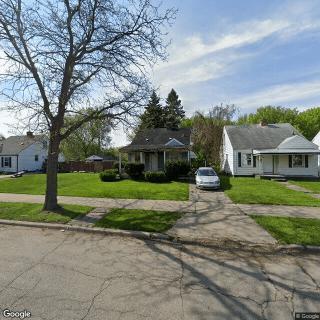
  • Fresh Start Transitional Homes III

    Fresh Start Transitional Homes III

    Eastpointe, MI

    2.5 from 2 reviews
     

    pro Small, intimate 6-bed community with 24/7 supervision and tailored care.

  • Love-N-Patient Michigan

    Love-N-Patient Michigan

    Detroit, MI

     
    $3,700 / month

    pro Convenient Detroit location with abundant nearby amenities (dining, parks, pharmacies, hospitals, places of worship) and competitive private-room pricing.

  • Bringard Home

    Bringard Home

    Detroit, MI

    5 from 1 review
     

    pro Fully furnished assisted living with 24-hour supervision, medical coordination, and diabetes-friendly dining.

  • Tennant's Care

    Tennant's Care

    Harper Woods, MI

    4.5 from 2 reviews
    $2,000 / month

    pro Welcoming staff in a clean, well-maintained setting with good meals.

  • Sunshine Homes 3

    Sunshine Homes 3

    Harper Woods, MI


    pro Fully furnished units with Wi?Fi, meals, and housekeeping; 24/7 ADL support.

  • The Rivers Grosse Pointe

    The Rivers Grosse Pointe

    Grosse Pointe, MI

    2.5 from 82 reviews
    $2,995 to $4,125 / month

    pro Clean, well-maintained facility with attractive finishes and some caring staff.

  • Beechwood Manor

    Beechwood Manor

    Saint Clair Shores, MI

    3.8 from 52 reviews
    $2,500 to $3,500 / month

    pro Welcoming, home-like atmosphere with compassionate, attentive staff, individualized care, strong family communication, and engaging activities.

  • Shorepointe Nursing Center

    Shorepointe Nursing Center

    Saint Clair Shores, MI

    4 from 140 reviews
     

    pro Attractive, clean facility with skilled therapy staff.

Related Resources

  • list of drugs linked to dementiaA Thorough Discussion of Medications Potentially Linked to Dementia Risk

    Dementia, influenced by aging and certain medications, may be exacerbated by drug classes such as anticholinergics, benzodiazepines, and antipsychotics, which are associated with cognitive impairment. Regular medication reviews by healthcare professionals are crucial for older adults to manage risks and optimize cognitive health.

  • do dementia patients sleep a lotWhy Do Dementia Patients Sleep So Much? Understanding Oversleeping, Stages, and Care Approaches

    Dementia often results in disrupted sleep patterns, leading to excessive daytime sleeping due to factors like brain damage affecting circadian rhythms, medication side effects, and lack of structure in daily activities. Caregivers must monitor these changes closely, as oversleeping can increase risks such as malnutrition or dehydration, and provide necessary support and routines to enhance patient engagement and well-being.

  • when to move from assisted living to nursing home8 Key Indicators That Suggest It May Be Time to Transition from Assisted Living to Skilled Nursing Care

    The transition from assisted living to skilled nursing care is often prompted by complex medical needs that assisted living cannot meet, with key indicators including frequent health declines, increased falls, severe memory issues, and caregiver burnout. Families should recognize these signs early to discuss options with healthcare providers and prepare for the emotional and logistical aspects of moving to a facility that offers comprehensive medical support.