
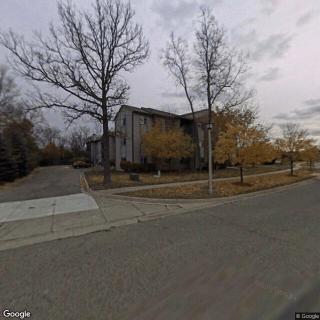
3500 Coolidge Road, East Lansing, MI 48823
For more information about senior living options: (866) 208-4318
Overall Review of The Willows At East Lansing
Pros
 The staff are very nice and patient and take good care of residents.
- The Willows at East Lansing is a lovely building and facility with helpful staff and good care.
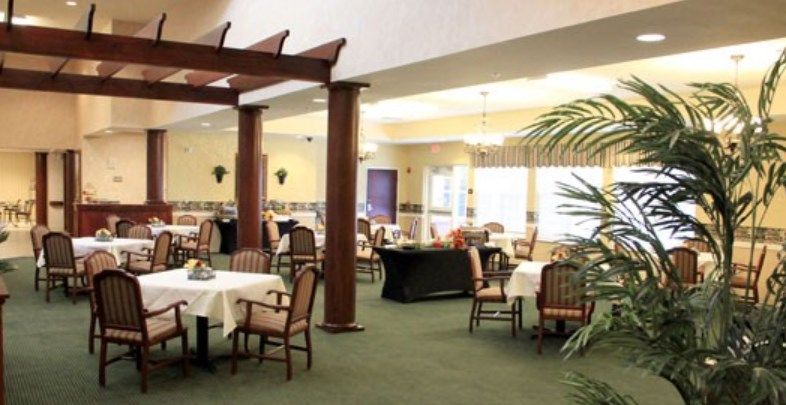
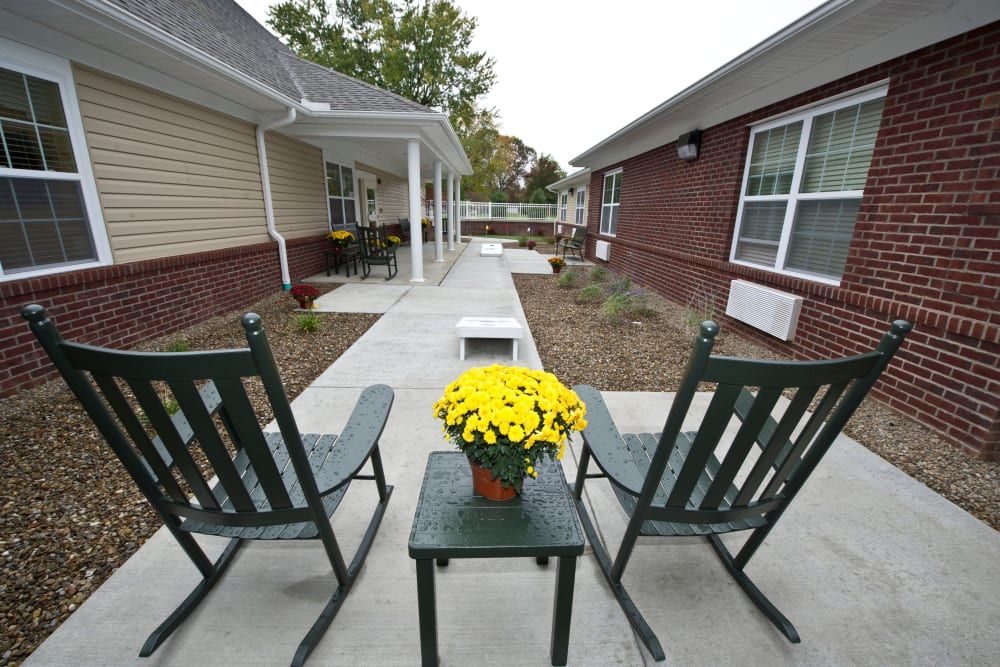
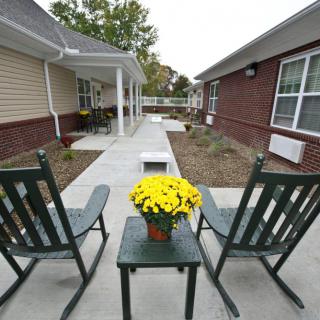
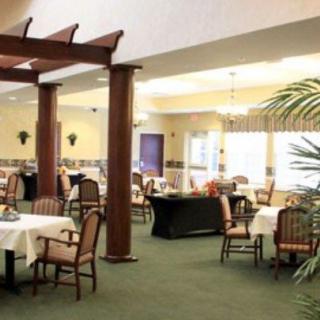
- The dining room, activity rooms, and outside courtyards are attractive features.
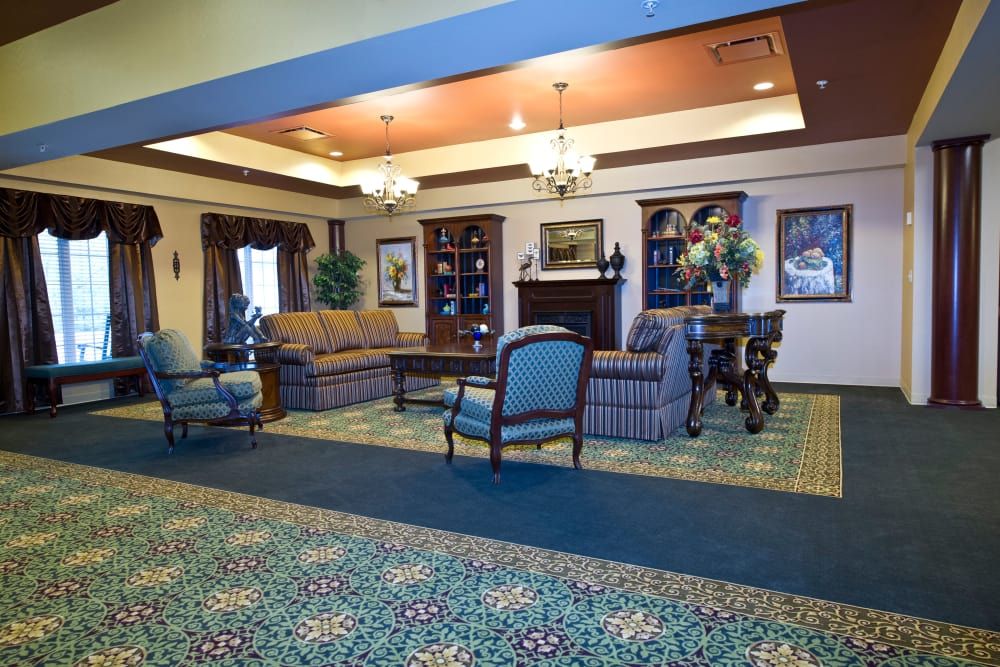
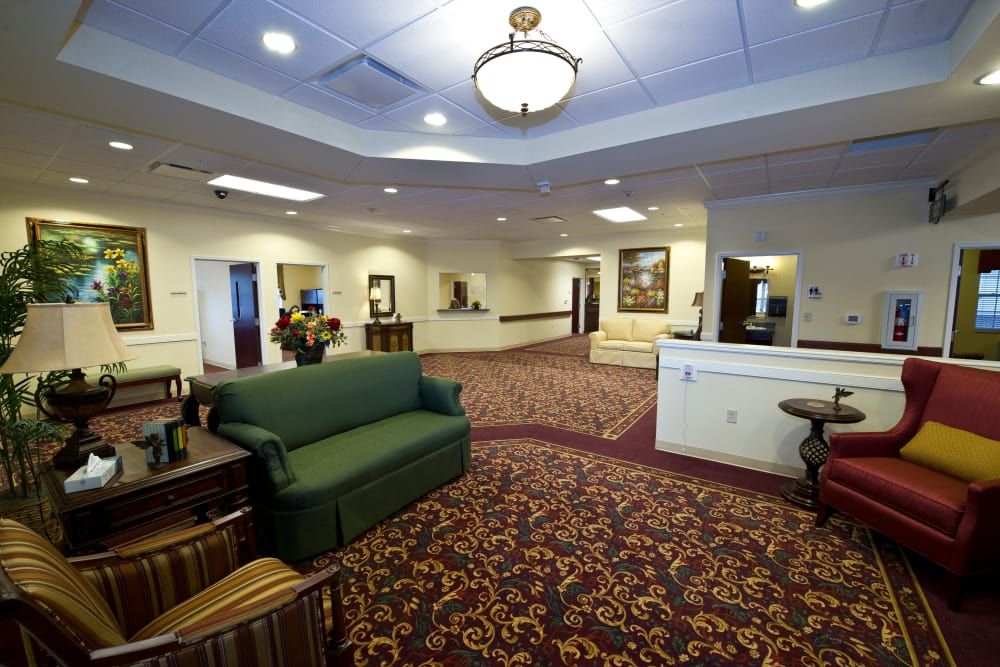
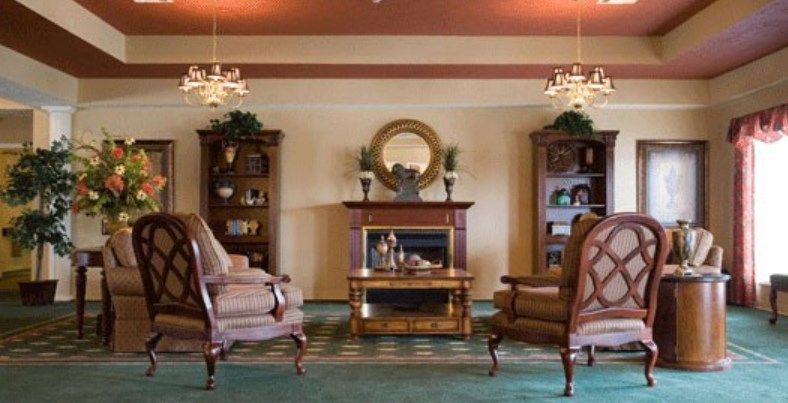
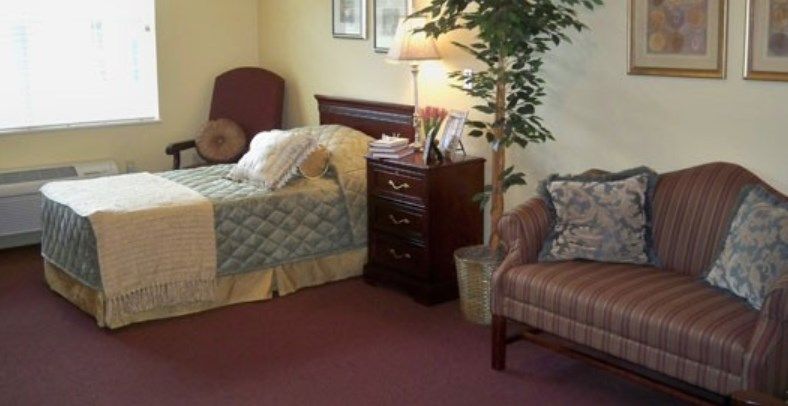
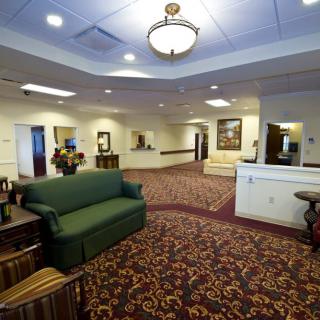
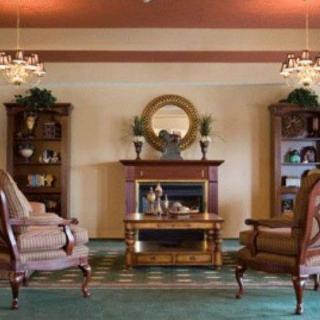
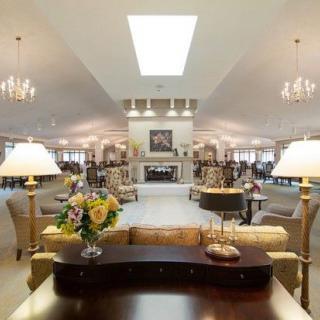
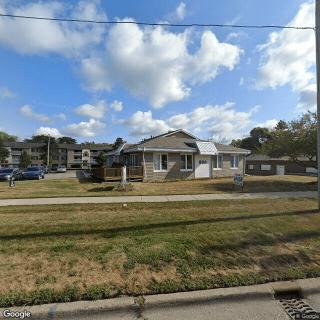
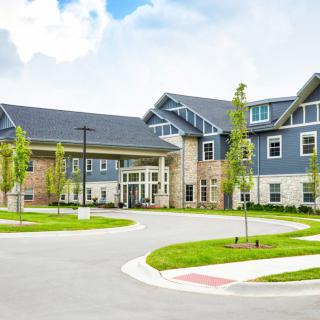
- The facility is new, nicely decorated, and clean.
- The staff are personable and turnover is not high.
- The meals are pretty good, and monthly family gatherings are offered.
- The memory care options provide more activities, including an accessible garden and various activity stations.
- The staff are knowledgeable, and the facility offers strong programming for exercise and rehabilitation.
- The health clinic provides nursing care and checks on residents regularly.
- The apartments are beautiful, the meals are great, and nutrition and activities are well managed.
Cons
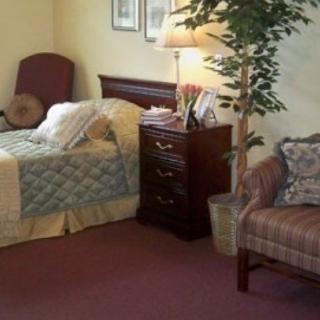
 The rooms at The Willows at East Lansing were dark.
- The dining area was nice, but the food service was awful.
- The place was just too big for the husband.
- Memory care was in a different building, which would have required separation for the residents.
- The physical therapist Sara doesn’t understand residents’ needs.
- The overall experience was just OK after check-in.
- They didn’t have two rooms side by side, which restricted arrangements for the parents.
Review
The Willows at East Lansing is best suited for families seeking a modern, well-staffed campus with strong on-site medical oversight, a robust activities program, and convenient rehab resources. It works well for residents who value a clean, recently built environment, accessible dining and social opportunities, and regular nurse presence on site. Those who place a premium on a bright, welcoming setting, good meals, and dependable transportation for outings will find it a compelling option. However, this community may not be the right fit for couples needing adjacent rooms or for families seeking fully integrated memory care within a single, smaller footprint.
The strongest positives center on care infrastructure and everyday livability. The campus is new, nicely decorated, and maintained with a clean, home-like feel. Staff profiles are consistently described as friendly, patient, and helpful, with low turnover that translates into a sense of familiarity and continuity for residents. A dedicated health clinic with nurses on site supports regular check-ins and responsive care, a crucial factor for families wanting reassurance about medical oversight. Meal quality is repeatedly cited as solid to very good, with nutrition emphasis that aligns with senior needs, and programming, ranging from cards nights to crochet and group outings, creates genuine opportunities for social connection. The facilities include accessible courtyards, exercise areas, and well-equipped activity rooms, reinforcing a holistic approach to daily living beyond basic supervision.
On the practical side, The Willows offers meaningful value in staff accessibility and programming, along with memory-care options on site and a thoughtful layout that supports independence. Residents and family members praise the attentive nursing presence, the willingness of staff to place residents near the nursing station for better monitoring, and the scope of activities that encourage engagement beyond just existing in a room. The campus design, including hallways with street names and multiple gathering spaces, supports orientation and a sense of place. For families with a loved one who will benefit from rehab services, the integration of therapy and nursing care can streamline transitions from hospital to home-like setting, reducing the turbulence often associated with moving into senior living.
Yet, several notable drawbacks temper the overall appeal. Some experiences highlight dark rooms and uneven ambiance in certain spaces, which can affect mood and perceived comfort. Intermittent concerns about dining service quality and consistency in physical therapy performance suggest that not every interaction meets expectations, and specific staff dynamics can vary by shift. A recurring theme is the challenge of space configuration: the memory-care unit is in a separate building, and for couples or residents who hoped for two adjacent rooms, this arrangement can be a deal-breaker. The need to wait on a list for two-room configurations or for proximity to preferred services underscores that this is a larger campus with trade-offs that may frustrate couples or those seeking immediate, intimate accommodations.
These pros and cons are best weighed in light of the core trade-off: extraordinary clinical infrastructure and social vitality versus layout and integration limitations. The on-site nursing clinic, proactive staff engagement, and a broad menu of activities can offset some frustration with room layout by delivering reliable care continuity, prompt response times, and meaningful daily life. For families prioritizing medical oversight and social enrichment, the Willows delivers real value that translates into peace of mind. However, for those who insist on adjacent suite configurations, seamless memory-care integration in the same footprint, or uniformly flawless dining and therapy experiences, alternatives may offer more predictable alignment with expectations.
When evaluating with a decision lens, visit both the legacy long-term care area and the memory-care options to understand how proximity to nurses, therapists, and dining spaces actually feels in person. Ask specifically about room configurations for couples, the feasibility of sharing adjacent spaces, and whether memory care can be integrated more tightly if needs evolve. Inquire about the consistency of therapy staff across different shifts and observe the dining room during different meals to assess service quality. Check with current residents about how often activities are offered, transportation for outings, and the responsiveness of the nursing team in urgent moments. The Willows at East Lansing is a pragmatic, capable choice for a family seeking dependable care and social vitality in a fresh, inviting setting, just enter with eyes wide open to the realities of space and program integration that may influence daily comfort.
 36 resident community capacity
 Studio apartments
 Assisted Living
 Independent Living
 Memory Care
 Skilled Nursing Facility
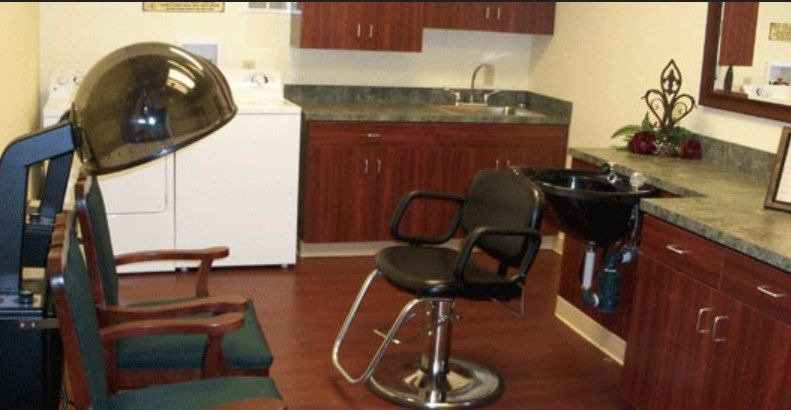
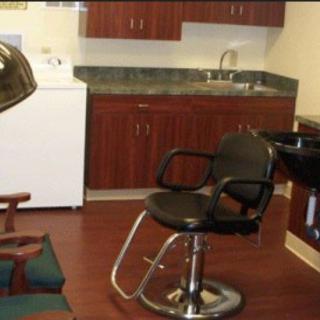
 Beautician on-site
 Cable or satellite TV
 Dining room
 Fully furnished
 Garden
 Housekeeping services
 Kitchenette
 Laundry
 Move-in coordination
 Outdoor space
 Party space
 Respite or short term stays offered
 Restaurant-style dining
 Small library
 Telephone
 Wi-Fi/high-speed internet available
 Capital City (4 miles away)
 Transportation & parking
 24-hour call system
 Activities of daily living assistance
 Assistance with bathing
 Assistance with dressing
 Assistance with transfers
 Diabetes diet
 Medication management
 Mental wellness program
 Physical therapy
 Special dietary restrictions
 Transportation arrangement (medical)
 Fitness programs
 English


 Dementia, Paranoia, and Caregiver Guidance: Understanding the Connection
 Engaging Memory Care Activities That Enhance Quality of Life
 When to Transition from Assisted Living to Memory Care: Key Indicators, Steps, and Finding the Right Community