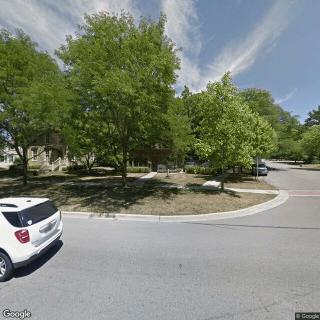
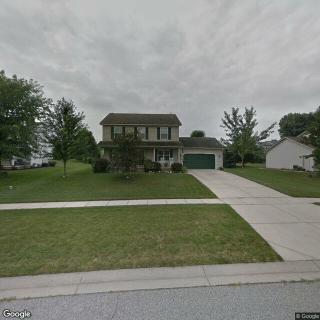
7415 Dexter Pinckney Road, Dexter, MI 48130
For more information about senior living options: (866) 208-4318
Overall Review of Clara's House II
Pros
 The resident's mother was very comfortable staying there.
- The resident did not have a single UTI during that time and was kept very clean and comfortable.
- She was mostly very happy.
- The staff helped her and her family through this.
- The care at Clara’s House is great, with residents kept clean and happy.
- Jody and her staff consistently go above and beyond with their care and concern.
- The staff and owner are patient and great with the residents.
- The family is very pleased and would give Clara’s House a five-star rating.
Cons
 Jody never paid the referral fee and avoids phone calls.
- The reviewer doubts Jody's values, honesty, and character.
- The reviewer would advise others to stay away from Jody.
- The owner was witnessed hitting a resident on the head multiple times and pushing her into a wall.
- The owner discussed giving unprescribed edibles to a resident to avoid dealing with her.
- The state was called but no actions were taken.
- The grandmother was kept locked in a medical chair for almost the entire day.
Review
Clara’s House II in Dexter is best suited for families who want a small, home-like assisted living environment where a loved one with dementia can receive intimate, hands-on daily care and stay in a comfortable, familiar setting. The reviews repeatedly point to a warm, personable staff approach in a tight-knit, AFC-style atmosphere, with residents who appear clean, relaxed, and engaged. Several families report notable improvements in day-to-day well-being for loved ones, including fewer urinary infections after the move and a sense of continuity in living room interaction and routine. For families prioritizing personal attention and a residential, non-institutional feel, the setting can be a meaningful, stabilizing choice.
Those considering alternatives should note that this community carries serious red flags that demand caution. Some reviewers describe credible, highly troubling conduct by the owner, including alleged abusive behavior toward residents and questionable interactions with staff. There are claims of unsafe practices, family confrontations, and even state involvement without clear remediation. Adds to the concern are accounts of questionable staffing decisions, gaps in oversight, and disputes over referral payments. For families needing rigorous professional boundaries, transparent governance, and consistently documented safety measures, these reviews create a compelling reason to evaluate other options before committing.
On the upside, the strongest recurring positives center on caregiving warmth and a hands-on owner who appears deeply invested in residents’ day-to-day happiness. When care is described as great, it is framed around patient, attentive staff who keep residents well-groomed, socially engaged, and comfortable in a homey living environment. A number of families highlight dementia-specific care that feels responsive to residents’ needs, with residents being present in shared spaces and maintained routines that provide reassurance for families seeking reliability in daily life and companionship for memory-care residents.
The most consequential downsides are not minor inconveniences but potential safety and ethical concerns. Allegations of hitting a resident, keeping a family member’s boyfriend on campus, and allegations of non-prescribed substances show up in multiple reviews, along with assertions that the owner minimizes or dismisses complaints. Additional friction arises from disputes over financial arrangements and questions about how well staff levels are sustained to meet care demands. These elements, if true or even perceived, can erode trust, undermine resident safety, and complicate a family’s decision-making, especially for those who need predictable governance and clear escalation paths.
Given these tradeoffs, prospective families should scrutinize governance and safety as a prerequisite to any move. The favorable factors, home-like surroundings, visible warmth in daily care, and dementia-oriented routines, can offset some concerns only if the facility operates with transparent leadership, documented safety protocols, and verifiable licensing or regulatory compliance. Families should request current staffing ratios, a detailed care plan for dementia residents, direct conversations with the caregiver team, and copies of state inspections or enforcement actions. A binding contract should address incident reporting, staff qualifications, visitation rules, and what steps are taken if concerns about abuse or neglect arise.
In the final assessment, Clara’s House II is not a one-size-fits-all option. It can be an excellent match for families who prize a smaller, home-like setting and are comfortable with the possibility, if not probability, of governance gaps and potential safety concerns being raised by other families. For risk-averse families, or those who require ironclad accountability, stronger professional boundaries, and consistently proven safety records, alternatives may prove to be a better long-term fit. The decision hinges on how much weight is given to the intimate, personable care in a domestic environment versus the need for robust oversight and unquestionable safety assurances.
 6 resident community capacity
 Assisted Living
 Cable or satellite TV
 Dining room
 Fully furnished
 Garden
 Housekeeping services
 Move-in coordination
 Outdoor space
 Telephone
 Wi-Fi/high-speed internet available
 24-hour supervision
 Activities of daily living assistance
 Assistance with bathing
 Assistance with dressing
 Assistance with transfers
 Diabetes diet
 Meal preparation and service
 Medication management
 Special dietary restrictions
 Transportation arrangement (medical)
 Transportation to doctors appointments




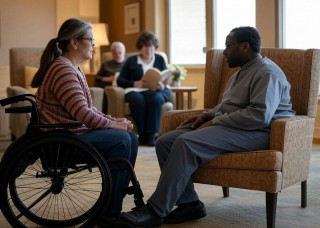 Comprehensive Residential Support and Assisted Living Solutions for Individuals with Disabilities
 Comprehensive Supportive Living Arrangements for Adults with Disabilities
 Funding and Affording Assisted Living: A Thorough Overview