
10111 Island Lake Road, Dexter, MI 48130
For more information about senior living options: (866) 208-4318
Clara's House Costs & Pricing
Clara's House offers competitive pricing for its accommodations when compared to the broader market in Washtenaw County and across Michigan. For a studio, residents pay $2,275 monthly, significantly lower than the county average of $4,158 and also below the state average of $3,824. Those seeking a one-bedroom apartment will find Clara's rates at $2,570, which is more affordable than both the county rate of $3,868 and the state rate of $3,384. Families or individuals needing two-bedroom units can benefit from a monthly cost of $2,975 at Clara's House - again lower than Washtenaw County's average of $4,984 and above Michigan's statewide rate of $3,523. Overall, Clara's House provides substantial savings across all room types compared to both county and state averages while maintaining a welcoming environment.
| Floor plans | Clara's House | Washtenaw County | Michigan |
|---|---|---|---|
| Studio | $2,275 | $4,158 | $3,824 |
| 1 Bedroom | $2,570 | $3,868 | $3,384 |
| 2 Bedrooms | $2,975 | $4,984 | $3,523 |
Memory care communities with a similar price nearby
-
from +$225 / mo
Sunset Pines AFC
$2,500 to $3,500 / month20.7 miles away -
About the same
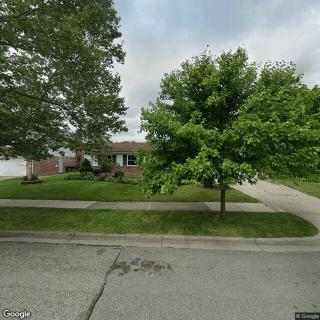
Orchard Hills Manor
$2,300 to $3,300 / month12.1 miles away -
from +$189 / mo

Chelsea Retirement Community
$2,464 to $4,436 / month5.9 miles away -
from -$245 / mo
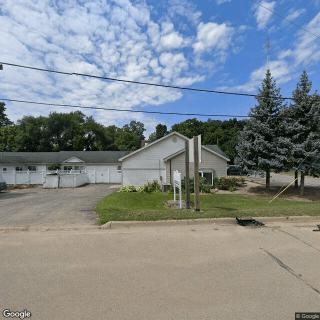
Highland Assisted Living & Memory Care
$2,030 / month24.7 miles away -
from -$175 / mo

Glacier Hills, a CCRC
$2,100 to $3,686 / month13.3 miles away
Overall Review of Clara's House
Pros
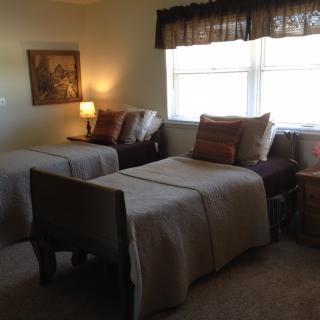
 Care at Clara's House is described as excellent, with residents kept clean and happy.
- The staff are patient and attentive, and the owner is involved and invested in residents' well-being.
- Families report long-term satisfaction, with loved ones thriving over several years.
- Residents enjoy home-cooked meals prepared in a real kitchen.
- The environment is comfortable, family-like, and peaceful.
- There are regular activities and events for residents and their families, including outings and celebrations.
- Health improvements and fewer UTIs are noted after moving to Clara's House.
- Families consistently recommend Clara's House to others seeking AFC services.
Cons
 A reviewer says the facility is not somewhere they would want a loved one to be, alleging the owner repeatedly hit a resident on the head and pushed her into a wall.
- A reviewer claims Jody never paid a referral fee and avoids phone calls, casting doubt on her honesty and character.
- A reviewer warns others to stay away from Jody and says they wouldn’t trust her.
- A reviewer alleges the owner discussed giving a resident unprescribed edibles to avoid dealing with her.
- A reviewer states the owner told a family member, “I’m a [insult], and I’ll always be a [insult],” indicating unprofessionalism and lack of basic care.
- A reviewer reports a resident with dementia was kept locked in a medical chair for almost the entire day, with no explanation when questioned.
- A reviewer claims the owner allowed her daughter’s boyfriend to stay the night, which was described as inappropriate.
- A reviewer notes a pelvic fracture occurred and asserts the facility did not hire an extra person as promised, harming patient care.
Review
Clara’s House in Dexter, MI is best suited for families seeking a small, home-like assisted living option where dementia care is delivered in a warm, neighborly environment rather than a clinical campus. The setting appeals to those who value daily routines, home cooking, and easy access to staff who know residents by name. It works well for seniors who are relatively stable in their dementia journey, do not require heavy hospital-style supervision, and whose families want hands-on involvement in day-to-day life. For anyone needing rapid escalation of medical care or highly formal oversight, alternatives with stronger clinical infrastructure should be on the table.
The strongest positives come from the consistent sense of warmth and belonging reported by multiple families. Residents appear clean, comfortable, and engaged, with caregivers who stay connected to their wellbeing. The small scale of the operation fosters regular social time in common spaces, easy participation in neighborhood activities, and meaningful, home-cooked meals prepared in a real kitchen. Families note improvements in daily mood and health for loved ones who previously struggled in other settings, along with ample opportunities for outings and light, shared activities that feel genuine rather than scripted.
Yet the most serious concerns cannot be dismissed. Several accounts allege serious safety and governance issues, including potential abuse, residents being restrained in chairs, unsanctioned administration of substances, and inadequate staffing responses to injuries. Reports also describe confrontational and unprofessional behavior from the owner, and in one case the state was involved with raised questions about safety and supervision. These are not minor lapses; they strike at core expectations around trust, safety, and compliant operation. Potential residents should treat these allegations with the gravity they deserve and pursue independent verification through licensing records, inspections, and direct conversations with staff and residents.
The practical effect of these dynamics depends on how well the positives can be protected by solid governance and transparent practice. When care is steady, staff know residents well, and activities are thoughtfully tailored, the resulting quality of life can be substantial: fewer infections, more consistent routines, and genuine, home-like nourishment and companionship. However, the credibility and seriousness of the negative reports demand rigorous due diligence. Prospective families should insist on current licensing status, clear staffing ratios, written safety and incident protocols, and candid opportunities to speak with several staff members and multiple residents, not just a single glowing narrative.
For families who prize an intimate, community-oriented setting but also want stronger assurances about safety and accountability, it is prudent to compare Clara’s House with other local options. Larger, licensed memory-care or assisted-living facilities often offer more formal risk-management structures, standardized policies, and documented oversight that can reduce ambiguity in crisis situations. If the loved one’s needs stay manageable within a small AFC framework, Clara’s House remains a viable choice, provided the buyer undertakes thorough, firsthand vetting of governance practices, staffing stability, and past inspection outcomes before making a commitment.
In the end, Clara’s House can be a comforting, homey home for a resident who thrives on routine, personal attention, and community life, paired with the comfort of home-cooked meals and gentle, engaging activities. It is not the right match for families uncomfortable with the possibility of governance or safety concerns, or for those requiring a consistently formal clinical setting. The decisive step is a diligent, on-site evaluation: tour the facility, press hard on staffing levels and safety procedures, review licensing and inspection histories, and talk frankly with several residents and families. When due diligence confirms dependable oversight and a culture of safety, Clara’s House can become a trusted home; if not, stronger, more structured alternatives should be pursued.
 6 resident community capacity
 Assisted Living
 Memory Care
 Cable or satellite TV
 Dining room
 Fully furnished
 Garden
 Housekeeping services
 Move-in coordination
 Outdoor space
 Telephone
 Wi-Fi/high-speed internet available
 24-hour supervision
 Activities of daily living assistance
 Assistance with bathing
 Assistance with dressing
 Assistance with transfers
 Diabetes diet
 Meal preparation and service
 Medication management
 Special dietary restrictions
 Transportation arrangement (medical)
 Transportation to doctors appointments



 How to Communicate with a Loved One Living with Dementia: 10 Supportive Strategies
 Comprehensive Guide to VA Nursing Homes: A Crucial Long-Term Care Resource for Veterans
 Estimating the Expenses of At-Home Dementia Care: A Detailed Exploration