
7568 Marshal Road, Dexter, MI 48130
For more information about senior living options: (866) 208-4318
Overall Review of Claras House 3
Pros
 The mom was very comfortable staying there.
- The mom did not have a single UTI during her stay and was kept clean and comfortable.
- The staff helped her and her family through this.
- The care at Clara’s House is great; the grandma is kept clean, looks happy, and spends time in the living room with others.
- The service and environment were great for AFC services.
- The staff and owner are patient and great with the residents.
- The care is exceptional; the staff consistently go above and beyond with their care and concern.
- The family is very pleased with Clara’s House; the resident has had no UTIs since moving there and is better cared for in a home setting.
Cons
 Clara’s House is not a place one would want a loved one to be.
- Jody never paid the referral fee and avoids phone calls.
- There are doubts about Jody’s values, honesty, and character.
- The reviewer would advise others to stay away from Jody and not trust her.
- The owner is alleged to have hit a resident multiple times on the head and push her into a wall.
- The owner allegedly talked about giving a resident unprescribed edibles to avoid dealing with her.
- The state was called but no actions were taken.
- The owner reportedly told the mother, “I'm a bch and I'll always be a bch,” showing a lack of professionalism.
Review
Clara’s House 3 in Dexter, MI is best suited for families seeking a small, home-like memory-care setting where personal attention feels real and daily life stays intimate. The reviews repeatedly describe a calm, clean environment with caregivers who know residents by name and maintain a comfortable, in-room and living-room presence that keeps dementia patients engaged. For loved ones who respond best to a familiar routine, simple companionship, and a less clinical atmosphere, this community can deliver steadier days and fewer urinary-tract issues compared to rougher, more hospital-like care. The standout wins come from a feeling of personal warmth, consistent supervision, and a setting that avoids a clinical air while still delivering structured care.
Yet this option demands a clear-eyed appraisal of risk. Some reviewers flag serious concerns about leadership and conduct, including allegations of mistreatment and unsafe practices attributed to the owner. There are also whistle-like warnings from a referral partner about unpaid fees and questions of integrity. Those signals matter: they speak to governance, accountability, and the trust families must place in whoever is running the home. In other words, even when the daily care feels reassuring, the tone set by management and the ability to handle problems transparently can tilt the balance toward alternatives for families seeking an ironclad safety and ethics track record.
The practical upside, cleanliness, visible resident engagement, and a homey feel, often aligns with dementia care needs. Residents appear well-groomed, content, and frequently socializing in common areas, which can translate into calmer days and fewer medical setbacks, such as UTIs. Families repeatedly report positive encounters with caregivers who are attentive and patient. These strengths do offset some concerns for certain caregivers who prioritize warmth and routine, but the more troubling claims about management and safety undermine the overall trust in the setting. When safety and governance become the primary filters, the positive day-to-day experiences may not be enough to guarantee peace of mind.
For families actively evaluating Clara’s House 3, the path forward is simple in theory but demands discipline in practice. Request and scrutinize current licensing reports and any state inspection history. Demand a meeting with the administrator or lead caregiver to understand staffing levels, on-call coverage, and how emergencies are managed. Tour during various times of day to observe how staff respond to needs and how incidents are documented and escalated. Talk directly with current residents and their families about responsiveness and how concerns are resolved. Obtain a detailed contract that spells out services, fees, and a clear dispute-resolution framework so issues don’t fester.
Those who should consider alternatives include families with very low tolerance for risk around elder safety or who want a reputation for unimpeachable governance. If leadership questions persist, or if there is a pattern of disputes, unaddressed complaints, or allegations of improper conduct, shifting to a facility with a more transparent oversight structure is prudent. Larger assisted-living communities or other AFC homes with documented governance, third-party oversight, and robust incident reporting can provide more reliable risk mitigation and accountability without sacrificing the personal touch that matters to dementia care.
Bottom line: Clara’s House 3 can serve as a solid match for families prioritizing a warm, intimate setting where a loved one with dementia can feel secure and well cared for, provided due diligence confirms a basic safety and ethics baseline. For those who cannot live with even the possibility of mistreatment, or who require consistently ironclad governance, this option should be treated with caution or passed over in favor of alternatives with stronger, verifiable safety records. When evaluating, insist on transparent governance, observable staffing stability, and a proven track record of responsive, accountable care. If those assurances aren’t present, the wiser choice is to keep looking.
 6 resident community capacity
 Assisted Living
 Cable or satellite TV
 Dining room
 Fully furnished
 Garden
 Housekeeping services
 Move-in coordination
 Outdoor space
 Telephone
 Wi-Fi/high-speed internet available
 24-hour supervision
 Activities of daily living assistance
 Assistance with bathing
 Assistance with dressing
 Assistance with transfers
 Diabetes diet
 Meal preparation and service
 Medication management
 Special dietary restrictions
 Transportation arrangement (medical)
 Transportation to doctors appointments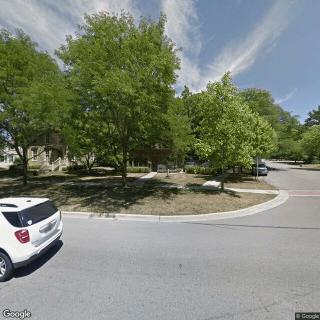




 Is Assisted Living Deductible on Your Taxes? Understanding the Complexities of Assisted Living Expenses and Deductions
 Assisted Living Support for Veterans: A Complete and Detailed Overview
 Exploring the Contrasts Between Assisted Living and Skilled Nursing