
3041 Bewick, Detroit, MI 48214
For more information about senior living options: (866) 208-4318
Tri County Care Provider Costs & Pricing
Tri County Care Provider offers a range of room types with costs that significantly exceed both county and state averages. For a semi-private room, residents can expect to pay $6,306 per month, which is more than double the average cost in Wayne County at $2,860 and considerably higher than Michigan's average of $3,191. The financial disparity continues with private rooms priced at $7,567; this rate not only surpasses the county's $3,335 but also the state's average of $3,675. Lastly, studio apartments at Tri County are available for $8,197 - a stark contrast to the county's average of $3,495 and the state's typical rate of $3,824. This pricing structure indicates that while Tri County Care Provider may offer unique services or amenities justifying these costs, potential clients should carefully consider their budget against local options.
| Floor plans | Tri County Care Provider | Wayne County | Michigan |
|---|---|---|---|
| Semi-Private | $6,306 | $2,860 | $3,189 |
| Private | $7,567 | $3,335 | $3,674 |
| Studio | $8,197 | $3,495 | $3,824 |
Assisted Living communities with a similar price nearby
-
About the same

Sunrise of Grosse Pointe Woods
$6,150 to $8,640 / month6.9 miles away -
from -$721 / mo

Glen Abbey Assisted Living & Memory Care
$5,585 to $7,400 / month23.4 miles away -
from +$644 / mo

The Chester Street Residence
$6,950 / month13.8 miles away -
About the same

Floral - Elmira Adult Foster Care
$6,150 to $10,140 / month17.4 miles away -
from -$911 / mo
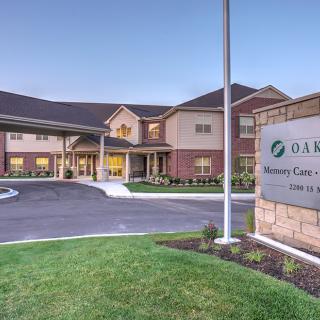
Pomeroy Living Sterling Assisted Living & Memory Care
$5,395 to $6,395 / month13.2 miles away
Overall Review of Tri County Care Provider
Pros
 The reviewer received the most professional service at the Tri County Facility.
- The reviewer would recommend the services to anyone.
Review
Tri County Care Provider in Detroit is best suited for families that prize professional, predictable service and straightforward communication over glossy amenities. The community appears oriented toward orderly operations, reliable staffing, and clear lines of accountability, qualities that matter most when care needs require consistent follow-through and fewer surprises. Prospective residents who value a practical, businesslike approach to senior support will find the strongest fit here. The signal from the available feedback is that competence and reliability are not aspirational; they are the core promise. In such cases, decisions can hinge on admin responsiveness, scheduling clarity, and respect in day-to-day interactions.
However, there are clear reasons some families will want to look elsewhere. The current feedback base is limited to a single positive comment, and no data is provided about memory-care capabilities, skilled-nursing options, or the full spectrum of services. For those needing comprehensive medical oversight, specialized dementia programming, or transparent, itemized pricing and contracts, more evidence is essential. Alternatives should be on the short list for anyone who wants to compare service breadth, resident outcomes, or long-term financial terms. Tours, conversations with the administrator, and third-party reviews will be decisive next steps before committing.
Key strengths lie in the demonstrated professionalism. The reviewer’s statement that the service is professional and that the facility would be recommended to anyone signals staff training, courteous communication, and dependable problem-solving. When care decisions hinge on medication management, appointment coordination, and caregiver handoffs, that kind of competence translates into reduced risk of missteps and anxiety for families. It also suggests a culture where staff accountability is visible, which often correlates with adherence to safety protocols and respectful resident interactions. For families who want reassurance that front-line care is handled competently, this is a meaningful edge.
Yet, the absence of broader, corroborating feedback creates a meaningful blind spot. A single favorable review cannot establish consistency across shifts, days, and seasons. Without data on typical wait times for routine requests, staff-to-resident ratios, or how care plans are developed and updated, certain concerns remain. Potential residents should press for specifics on who coordinates care, how often plans are reviewed, the availability of on-site nursing, medication management procedures, and what happens if needs escalate. Clarify dining options, transportation, and enrichment activities, since these areas often determine daily-life quality as much as clinical care.
Assessing how the pros offset the cons leads to a practical takeaway. The demonstrated professionalism directly targets a primary risk in senior living: miscommunication and disengagement. That strength helps offset uncertainties born of limited public feedback, because it raises confidence that basic operations function smoothly. However, the offset is partial. Until more residents share experiences, the reliability of this excellence across the community cannot be assumed. The prudent conclusion is to treat Tri County Care Provider as a strong candidate for serious consideration, but with a plan to verify breadth and consistency through direct interaction before making a final commitment.
Decision-makers should approach with a structured checklist: schedule a face-to-face tour, request several resident or family references, and review sample care plans and fee structures. Ask pointed questions about staffing levels at peak times, emergency protocols, and how services scale with changing needs. Compare against nearby Detroit options with diverse service lines, such as memory care, skilled nursing, and robust activity programs. If the first impression aligns with the reported professionalism, Tri County Care Provider earns a credible spot on the shortlist. If not, alternatives will likely offer clearer coverage of the missing gaps.
 12 resident community capacity
 Assisted Living
 Cable or satellite TV
 Dining room
 Fully furnished
 Garden
 Housekeeping services
 Move-in coordination
 Outdoor space
 Telephone
 Wi-Fi/high-speed internet available
 Detroit Metropolitan-Wayne County (22 miles away)
 24-hour supervision
 Activities of daily living assistance
 Assistance with bathing
 Assistance with dressing
 Assistance with transfers
 Diabetes diet
 Meal preparation and service
 Medication management
 Special dietary restrictions
 Transportation arrangement (medical)
 Transportation to doctors appointments




 A Detailed Exploration of Assisted Living Medicaid Waivers Across the United States
 Comprehensive Residential Support and Assisted Living Solutions for Individuals with Disabilities
 Comprehensive Supportive Living Arrangements for Adults with Disabilities