Whittier Towers in Detroit, MI
Save
2910 Iroquois St, Detroit, MI 48214
For more information about senior living options: (844) 490-3973
Whittier Towers is best suited for seniors who want to live in a historic, downtown Detroit setting and prize a lively, social atmosphere. The community appeals to residents who value proximity to urban amenities, convenient access to services, and a calendar that fosters regular interaction with neighbors. With recent indications of stronger management and a willingness to invest in the property, it can be a compelling choice for those who expect a dignified living environment and are prepared to engage with a community that emphasizes events, gatherings, and a shared sense of place.
Those who may want to consider alternatives include seniors who require unwavering reliability in essential services, such as heat and hot water, or who cannot tolerate pest issues and ongoing maintenance lapses. Several reviews flag problems ranging from fleas and pest concerns to recurring heating and water pressure issues, along with trip hazards and aging infrastructure. If predictable operations, proactive maintenance, and consistently responsive customer service are non-negotiables, it is prudent to compare other options in the Detroit area before committing.
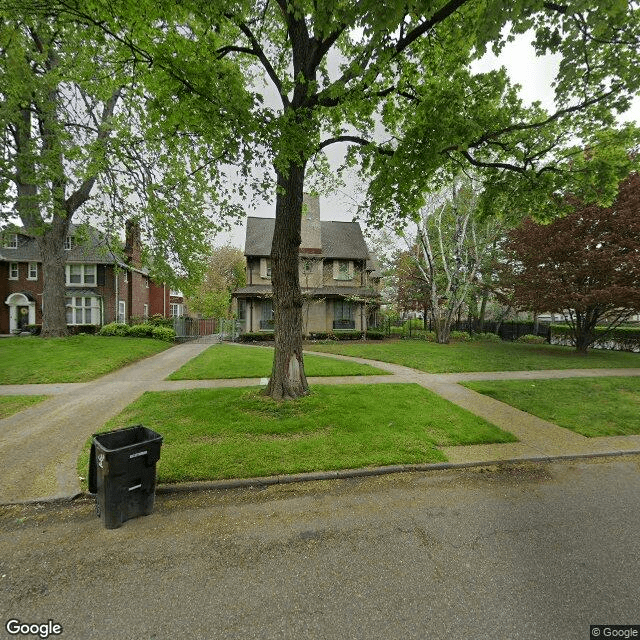
On the upside, the building's beauty and character provide a compelling backdrop for daily living. Common spaces are described as bright and inviting, with a sense of refinement that can elevate the experience of everyday life. Positive testimonials emphasize attentive staff during events and views of a well-managed property when leadership is in alignment. The presence of a strong social fabric - resident activities, gatherings, and a community-oriented vibe - can offset some daily frictions for residents who value connection and engagement and who see maintenance concerns as surmountable with good management.
Yet the main drawbacks cannot be ignored. Flea issues, water and heat irregularities, and the potential for trip hazards point to problems in core operational areas that affect comfort and safety. Inconsistent communication and responsiveness from certain staff members further complicate the decision, creating a perception that resident needs and grievances may be deprioritized at times. Renovation and modernization efforts appear uneven across units and public areas, which can lead to uneven living standards depending on where a resident ends up within the building.
The pros and cons interact in a way that sharpens the decision triangle: for a resident who values a rich social life and a historic, welcoming setting, strong changes in management and visible investment could translate into meaningful improvement over time. If the new leadership maintains accountability, residents may experience steady gains in responsiveness, reliability, and comfort. However, for a senior who must rely on consistent heat, hot water, and a rigorous standard of cleanliness and safety, the current inconsistency creates a substantial risk that can overshadow the upside of community life.
In the end, Whittier Towers can be a solid option for families seeking an active, socially connected senior environment in a standout Detroit location, provided there is due diligence on essential services and ongoing maintenance. Prospective residents should demand transparent demonstrations of reliability in heat and water, a concrete plan for pest remediation, and a track record of responsive, accessible management. Before deciding, schedule a thorough on-site tour, request copies of maintenance logs, and speak with current residents about day-to-day experiences. If those assurances are strong and consistently upheld, Whittier Towers stands as a practical, engaging choice; if not, alternatives offering steadier essential services and steadier customer care deserve close consideration.
Whittier Towers is an assisted living community located in the vibrant city of Detroit, MI. Situated in a convenient location, it offers easy access to various amenities and services for the comfort and well-being of its residents.
One of the highlights of living at Whittier Towers is the abundance of nearby cafes. Whether residents are looking for a cozy spot to enjoy a cup of coffee or meet with friends over pastries, they have plenty of options close by.
Nature enthusiasts will appreciate the proximity to five parks. These green spaces provide opportunities for leisurely strolls, picnics, or simply enjoying the fresh air and beautiful surroundings. The peaceful ambiance can be perfect for relaxation and connecting with nature.
With 12 pharmacies nearby, residents at Whittier Towers have convenient access to their prescription medications and healthcare needs. This ensures that their medical requirements can be easily met without much hassle or travel.
For any medical concerns, three physicians are available in close proximity. Residents can schedule appointments easily and receive necessary medical attention in a timely manner.
Whittier Towers is also a haven for food lovers as it boasts 28 restaurants nearby. With a wide range of cuisines available, residents can indulge in diverse culinary experiences without having to go far from home.
Those seeking spiritual fulfillment are catered to with two places of worship within reach. Whether attending religious services or finding solace through prayer and reflection, residents can nurture their spiritual well-being conveniently.
Additionally, eight hospitals nearby offer peace of mind knowing that emergency medical care is readily available if needed. This quick access ensures that residents can receive prompt attention during any health emergencies that may arise.
In summary, Whittier Towers provides a comfortable assisted living community in Detroit, MI with numerous amenities nearby for convenience and enjoyment. From cafes to parks, pharmacies to physicians, restaurants to places of worship, and hospitals for emergencies – this community strives to meet the diverse needs and preferences of its residents.
This area of Detroit, Michigan offers a variety of amenities and services that would be beneficial for senior living. There are several places of worship nearby, such as St Charles Church and St John's Presbyterian Church, providing spiritual support and community engagement. Pharmacies like Walgreens and CVS Pharmacy are easily accessible for medication needs. The numerous parks in the area, including Belle Isle Park and William G. Milliken State Park, offer opportunities for outdoor recreation and leisure activities. Additionally, there are several dining options available, from Joseph's Coney Island to Elwood Bar & Grill, providing convenient choices for meals. With hospitals like Detroit Receiving Hospital and Henry Ford Hospital in close proximity, residents have access to quality healthcare facilities. Overall, this neighborhood offers a diverse range of resources to support a comfortable and fulfilling senior lifestyle.
Whittier Towers is located at 2910 Iroquois St, Detroit, MI 48214 in Wayne County, Michigan
Seniors and Modern Transportation: Exploring Uber, Lyft, and Other Ride-Hailing Options

Seniors benefit from ride-hailing services like Uber and Lyft, which provide convenient and accessible transportation options that promote independence and social engagement, while addressing mobility challenges. These platforms have adapted to meet senior needs with user-friendly features and safety measures, although costs can be a concern; community programs may help subsidize rides for older adults.
Comprehensive Guide to Qualifying for Home Health Care Services

The guide outlines the eligibility criteria for home health care services, emphasizing clinical requirements, insurance options, and application processes. It distinguishes between Medicare's strict and Medicaid's flexible qualifications while addressing challenges families may face in securing necessary care at home.
Powerful Realities of Elder Abuse and the Most Effective Ways to Report It
Elder abuse affects many older adults worldwide and includes physical, emotional, neglectful, and financial harm, with about one in six individuals over 60 experiencing abuse annually. Prevention and intervention strategies focus on awareness, support for caregivers, and mandatory reporting, while recovery necessitates comprehensive support for both physical and emotional needs.