
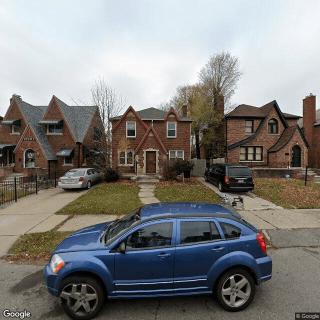
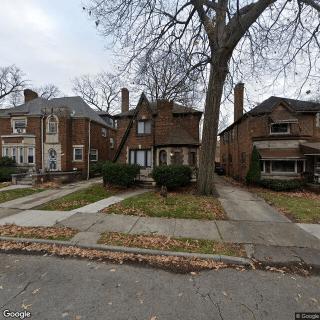
16829 Monica, Detroit, MI 48221
For more information about senior living options: (866) 208-4318
Overall Review of Peoples Community Of Mi Adult Foster Care
Pros
 The staff and management are very nice, educated, experienced, and very patient.
- The facility is clean, never smelly, and very accommodating.
- The daily menus are nutritious and tasty, and the residents really love the exercise program.
- They provide the best care.
Review
This community is best suited for families seeking a small, home-like environment in Detroit where residents receive highly personalized attention from a stable, well-educated staff. The consistently positive remarks about staff being kind, experienced, patient, and easy to trust point to a caregiving culture that prioritizes relationship-building and hands-on supervision. The setting is clean, well-kept, and free of odors, which matters for daily comfort and dignity. For families prioritizing predictable routines, accessible care, and daily engagement in a warm atmosphere, this facility stands out as a practical, reassuring choice.
Those weighing alternatives should consider options that deliver higher levels of medical oversight or specialized memory care. If a loved one requires around-the-clock nursing, complex clinical monitoring, or a dedicated dementia program, a larger community with on-site medical staff and structured memory-care wings may be a better fit. Availability and cost considerations also merit comparison, as some families may find broader campuses with more extensive therapy and transportation services worth pursuing. In short, this setting excels when intimate, attentive care is the priority; others with acute medical or specialized cognitive needs may want to explore other models.
The strongest positives, the caliber of staff, the patient approach, and the clean, accommodating environment, work synergistically to offset potential gaps inherent in a smaller adult foster care model. A well-trained team reduces the risk of overlooked needs, while their patience supports residents through daily routines, from self-care tasks to social interaction. The nutritious, tasty daily menus reinforce health and enjoyment, ensuring meals contribute directly to well-being rather than being a logistical afterthought. An exercise program that residents actually love adds a meaningful, regular structure that supports mobility, mood, and social connection, which can be harder to sustain in less intentional settings.
Cleanliness and accessibility arenā€™t mere aesthetics; they are active safeguards against confusion and discomfort for seniors who value predictability. The accommodating stance of both staff and management signals a responsive culture where small preferences, meals, routines, pacing, get respected. Combined, these strengths create a daily cadence that promotes safety, autonomy, and dignity, making the experience feel less like ordinary care and more like a well-coordinated, living-for-today routine. For families prioritizing consistent engagement, dependable supervision, and a soothing daily rhythm, these factors directly translate into meaningful quality of life.
One practical caveat is the limited public detail on medical capabilities, scope of services, and admission criteria. The reviews underscore strong interpersonal care and everyday vitality but do not illuminate how the facility handles high-acuity needs, complex medication regimens, or emergency medical response. That absence is a logical reason to probe during tours and ask explicit questions about staffing levels during nights and weekends, the availability of on-site nursing, and protocols for changes in health status. Prospective residents should also inquire about transportation, activity variety beyond the exercise program, and opportunities for family involvement in care planning.
Ultimately, this community shines for families seeking a small, attentive, and engaging living environment where residents feel seen, meals are thoughtfully prepared, and daily life centers on purposeful activity. It is a compelling fit for seniors who flourish with a steady routine, close staff relationships, and a home atmosphere that buffers the stress of aging. For those whose priorities include intensive medical oversight, specialized dementia care, or a larger, more resource-rich campus, alternatives may better align with evolving needs. A measured visit, with pointed questions and real-time observations of staff-resident interactions, will reveal whether this setting can sustain long-term well-being or if a different path is warranted.
 6 resident community capacity
 Assisted Living
 Cable or satellite TV
 Dining room
 Fully furnished
 Garden
 Housekeeping services
 Move-in coordination
 Outdoor space
 Telephone
 Wi-Fi/high-speed internet available
 Detroit Metropolitan-Wayne County (18 miles away)
 24-hour supervision
 Activities of daily living assistance
 Assistance with bathing
 Assistance with dressing
 Assistance with transfers
 Diabetes diet
 Meal preparation and service
 Medication management
 Special dietary restrictions
 Transportation arrangement (medical)
 Transportation to doctors appointments


 Assisted Living and Memory Care: Understanding Their Core Differences
 Beyond the Bingo Hall: 50+ Enriching Activities for Seniors in Assisted Living
 Understanding the Distinctions: Assisted Living and Memory Care Explained