
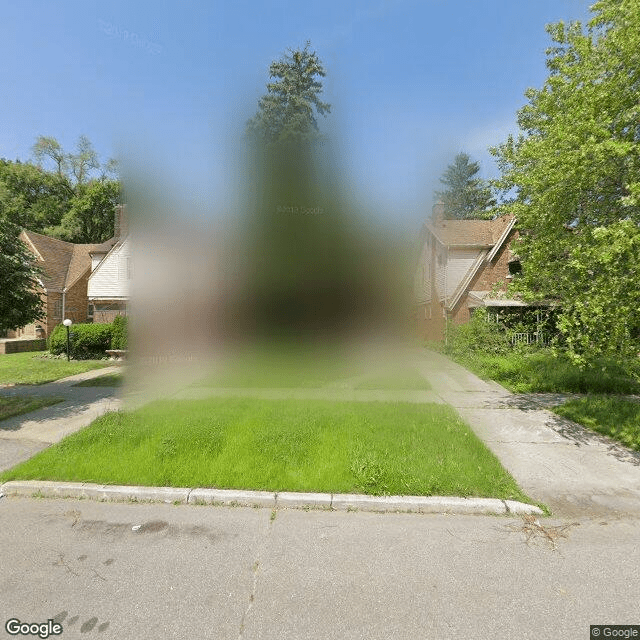
16631 Lawton St, Detroit, MI 48221
To contact a resident: (248) 345-1509
For more information about senior living options: (866) 208-4318
Hope Assisted Living V Costs & Pricing
Hope Assisted Living V offers competitive pricing for its services compared to both Wayne County and the broader state of Michigan. For those considering semi-private accommodations, Hope Assisted Living V is priced at $2,462 per month, which is significantly lower than the county's average of $2,860 and the state's average of $3,191. Private rooms are also more affordable at Hope at $2,954, contrasted with Wayne County's $3,335 and Michigan's statewide cost of $3,675. Additionally, the studio options at Hope are available for $3,200, aligning closely with county rates but still offering distinct savings compared to the statewide average of $3,824. Overall, residents can expect a high-quality living experience without the premium costs typically associated with assisted living facilities in the region.
| Floor plans | Hope Assisted Living V | Wayne County | Michigan |
|---|---|---|---|
| Semi-Private | $2,462 | $2,860 | $3,189 |
| Private | $2,954 | $3,335 | $3,674 |
| Studio | $3,200 | $3,495 | $3,824 |
Senior living communities with a similar price nearby
-
from -$267 / mo

Simply Beautiful Adult Foster Care Homes
$2,195 to $4,100 / month3.9 miles away -
from +$138 / mo
Angelic Foster Care
$2,600 to $3,380 / month10.6 miles away -
About the same
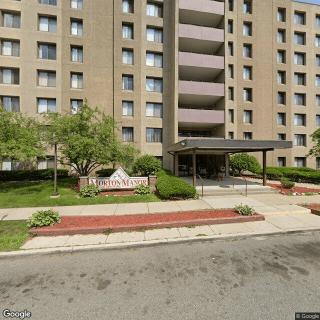
Oakmont Manor
$2,455 to $2,780 / month12.7 miles away -
from +$233 / mo
Atria Kinghaven
$2,695 to $4,595 / month18.2 miles away -
from -$462 / mo

Serenity Fields
$2,000 / month7.8 miles away
Overall Review of Hope Assisted Living V
Pros
 Hope Senior Home Care provides compassionate care and service for the individuals they serve.
- Caregivers are empathetic to the clients and their families.
- Hope Senior Care is very professional and top-drawer in service.
- Hope Senior Care is highly recommended for the care of a loved one.
Review
Hope Assisted Living V in Detroit is best suited for seniors who want a warm, personable living environment where daily care is patiently, consistently delivered by a team that takes neighborhood-specific needs seriously. The standout is a culture of compassion, staff members described as empathetic toward residents and their families, building trust through steady, proactive communication. This community works well for individuals who need help with routine activities, reminders, dressing, mobility, and companionship, and who value a predictable routine supported by caregivers who treat residents with dignity. Families seeking a clearly people-centered experience, where staff know residents by name and remember preferences, will find a strong match here.
On the flip side, this option may not be the best fit for those requiring intensive medical management or memory-care programming within a larger campus. A few reviewers hint at variability in experience, and the lone one-star rating suggests that not every stay meets every expectation. For loved ones with complex clinical needs, or those who insist on on-site nurses around the clock and highly specialized dementia care, alternatives with deeper medical infrastructure or a larger, more specialized team may be a wiser choice. It’s a reality that the best fit hinges on whether the resident’s needs extend beyond daily assistance and personal support.
The core strengths lie in the human touch and disciplined operation of the community. Caregivers are described as top-drawer, professional, reliable, and deeply attentive, creating a sense of safety for residents and reassurance for families. The practical benefits flow from that foundation: timely help with meals and personal care, smooth transitions between activities, and clear, respectful updates to family members. This blend translates into reduced anxiety for residents and greater peace of mind for loved ones who want dependable, evidenced care. Even when schedules shift, the overarching impression is consistency and sincerity.
However, the presence of a low rating among the four reviews cannot be ignored. The one-star experience hints at gaps that can occur in any community, whether due to staffing fluctuations, misaligned expectations, or occasional miscommunication. These potential hiccups underscore the importance of due diligence: verify staffing ratios, request a direct point of contact on the care team, review care plans with caregivers, and consider a trial period or explicit notification protocols for changes. Practically, this means walking through tours with focused questions about daily routines, meal options, activity variety, and crisis response to gauge whether operations consistently meet the high standard echoed by most reviewers.
Taken together, the advantages of compassionate, professional care substantially offset the potential downsides for most families. The tangible benefits, empathetic daily support, reliable service, and respectful communication, establish a foundation of trust that makes transitions and long-term caregiving decisions easier to navigate. For residents who prize personal connection and steady routines, the positives tend to dominate. The key is to engage early: meet caregivers, observe interactions, and confirm that care planning is collaborative and transparent. With clear expectations and ongoing oversight, the positive culture can deliver the consistency that the negative review called into question.
Bottom line: Hope Assisted Living V is a strong match for families seeking a person-centered, warmly professional environment in Detroit. It is particularly well suited for residents who prioritize empathetic care and steady, respectful staff interaction. Those needing heavy medical supervision, specialized memory-care programming, or a larger-scale campus should explore alternatives with more intensive clinical capabilities. The favorable reviews suggest a likely positive experience, but due diligence remains essential, visit, ask pointed questions about staffing, care planning, and family communication, and request opportunities to observe care in real time. When alignment exists, this community offers a reliable home where dignity, attention, and dependable support are the norm.
 Board and Care Home
 Activities on-site
 Devotional services off-site
 Indoor common areas
 Detroit Metropolitan-Wayne County (18 miles away)
 Ambulatory care
 Diabetic care
 Meals provided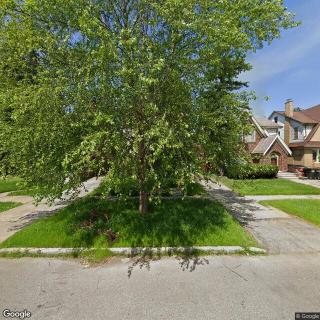


 Understanding the Sandwich Generation: Stress and Responsibilities for Multigenerational Caregivers
 8 Essential Assistive Devices for Older Adults
 Navigating the Financial Road to Nursing Home Care: In-Depth Guidance and Resources