
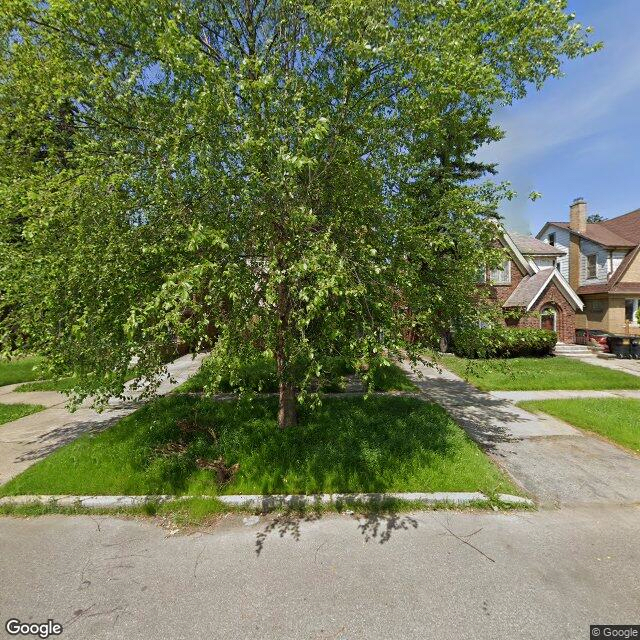
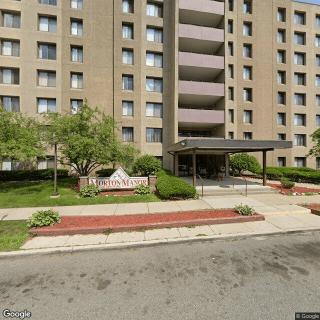
16637 Lawton St, Detroit, MI 48221
To contact a resident: (248) 345-1509
For more information about senior living options: (866) 208-4318
Hope Assisted Living III Costs & Pricing
Hope Assisted Living III offers a competitive pricing structure, with its private rooms available at $2,000 per month. This cost is significantly lower than the average rates in Wayne County, which stand at approximately $3,335, as well as the broader state average in Michigan of around $3,675. By providing a more affordable option without compromising on quality care and services, Hope Assisted Living III stands out as an appealing choice for residents seeking both comfort and value in their assisted living arrangements.
| Floor plans | Hope Assisted Living III | Wayne County | Michigan |
|---|---|---|---|
| Private | $2,000 | $3,335 | $3,674 |
Senior living communities with a similar price nearby
-
from -$200 / mo

Genesis Senior Living- Sterling
$1,800 to $3,110 / month13.3 miles away -
from +$195 / mo
Simply Beautiful Adult Foster Care Homes
$2,195 to $4,100 / month3.9 miles away -
About the same

Serenity Fields
$2,000 / month7.8 miles away -
from +$275 / mo
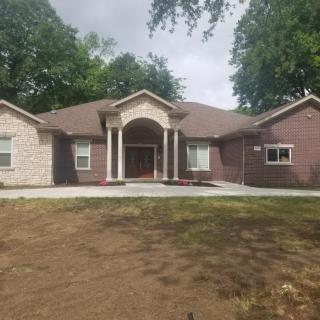
Pleasant Valley Family Care
$2,275 to $7,000 / month11.7 miles away -
from -$105 / mo

D & P Special Needs Center
$1,895 to $4,195 / month10.2 miles away
Overall Review of Hope Assisted Living III
Pros
 Hope Senior Home Care provides compassionate care and service for the individuals they serve.
- Caregivers are empathetic to the clients and their families.
- Hope Senior Care provides very professional and top-drawer service.
- The reviewer highly recommends Hope Senior Care for the care of a loved one.
Review
Hope Assisted Living III in Detroit is best suited for families seeking a smaller, intimate assisted living environment where care staff build meaningful, ongoing relationships with residents. The community shines when the priority is compassionate, person-centered support delivered with warmth and consistency. Residents who value clear, respectful communication with caregivers, prompt responsiveness, and a home-like atmosphere will likely feel at ease here. For seniors who are comfortable with regular assistance rather than a rigid, clinical environment, this setting presents a compelling fit.
Those needing more medical oversight, memory-care specialization, or a robust, 24/7 nursing presence may want to explore alternatives. If a resident requires intensive skilled nursing, complex wound care, or highly structured activity programming tied to dementia-specific protocols, bigger campuses with dedicated medical teams might serve better. Families on strict budget constraints or seeking a facility with a deterministic cost structure could also want to compare options. Finally, if social diversification and a wide array of on-site amenities are priorities, a larger community may provide more opportunities to socialize and participate in varied programming.
The strongest positives center on the human side of care. Caregivers are described as compassionate and empathetic toward both residents and families, creating trust and reducing the stress families feel during transitions. Professionalism is repeatedly highlighted, with service that appears polished and reliable. In practice, that translates into careful attention to daily routines, timely response to requests, and consistent interactions that reinforce a sense of security for residents who rely on others for reminders, assistance, and companionship. The combination of warmth and competence makes the care experience feel personal rather than transactional, which is a meaningful advantage when choosing a home-like setting.
The one-star rating in the mix cannot be ignored, signaling that not every experience will align with expectations. Without specifics, it points to the potential for variability in caregiving, communication gaps, or service consistency, risks that families should probe during tours and contract discussions. The reality of assisted living is that staffing patterns, turnover, and daily energy levels shift; a single negative review suggests there is at least a remote chance of moments when the standard of care does not meet individual expectations. Prospective residents should seek concrete assurances around caregiver assignment, continuity, and escalation paths for concerns.
Despite those caveats, the pros meaningfully offset the risks for families seeking reliable, empathetic care. The demonstrated commitment to compassionate service and professional execution tends to produce a high baseline experience, especially when a caregiver forms a stable relationship with a resident. This stability matters for mood, routines, and overall wellbeing, turning days into predictable, dignified living experiences. When the goal is to protect independence while layering in generous support, Hope Assisted Living III delivers a practical, credible match, and families often find the peace of mind that comes with knowing caregivers are both kind and capable.
Practical next steps: arrange a detailed visit with questions focused on staffing models, caregiver assignment, and care planning. Inquire about standard services included in the rate, any add-ons, and what happens as care needs progress. Ask to meet several caregivers who would potentially work with the resident, and request a written outline of the escalation process for concerns. If the residentā€™s needs include memory care, medical complexity, or strong social engagement desires, confirm the community can tailor programming accordingly. For families who prize intimate, person-centered care and dependable professionals, Hope Assisted Living III is a strong, actionable option in Detroit, best pursued through a focused tour and a candid cost/plan discussion.
 Board and Care Home
 Activities on-site
 Devotional services off-site
 Indoor common areas
 Private
 Detroit Metropolitan-Wayne County (18 miles away)
 Ambulatory care
 Diabetic care
 Meals provided


 A Detailed Exploration of Living Wills and Advance Directives
 Comprehensive Guide to Medicare Coverage for Hospice Care
 Caring for Those Who Care: Recognizing, Understanding, and Overcoming Caregiver Burnout