Many residents and families describe staff as kind, helpful, and responsive.
Across many reviews, residents and family members emphasize staff who are patient, understanding, and attentive to daily needs. Several people call out nursing and CNA care as respectful and supportive, and others mention that staff are responsive when concerns come up. A few reviews are less positive about staffing attitudes or consistency, but even those comments still reference the level of staff involvement residents experienced.
common13 reviews mention this
Clean, welcoming facility
Residents and visitors frequently mention cleanliness and a welcoming environment.
Multiple reviews describe the building as clean and the atmosphere as welcoming, including comments from visitors and families. Several people also connect that cleanliness to feeling confident about care for their loved one. While there are critical reviews about uncleanliness and overall care quality, the majority of written feedback frames cleanliness as a strength.
differentiator6 reviews mention this
Rehab and therapy get praised
Physical therapy and rehab support are highlighted in multiple reviews.
A recurring theme is that therapy helps residents regain strength and mobility, with families describing the therapists as helpful and effective. Some reviewers specifically recommend the facility for rehabilitation needs in addition to nursing care. Taken together with the community’s care-service focus on daily assistance and health-coordination support, residents describe therapy as a key part of their experience.
differentiator5 reviews mention this
Admissions support eases the move
Admissions teams are repeatedly described as warm, knowledgeable, and responsive.
Several reviews mention admissions staff by name and describe the process as smooth and stress-free. Families also credit admissions for helping them feel secure after a hospital stay and for being reachable with questions. This buying-experience support shows up alongside day-to-day praise for nursing and caregiving in the reviews.
caveat5 reviews mention this
Care consistency and pain control concerns
Some reviews report serious concerns about care follow-through and comfort.
A set of reviews raises concerns about how care is delivered, including issues with waiting for help, limited attention to comfort, and staffing behavior. Other comments describe medication-related problems and inadequate treatment for pain. There are also diabetes-related concerns in at least one review, which contrasts with the community’s stated attention to special dietary restrictions and medication management in its provided services.
common2 reviews mention this
Nearby medical and community options
The area includes nearby hospitals, physician offices, and pharmacies.
Families considering the location can rely on nearby healthcare options for routine needs and appointments. The nearby list includes hospitals and physician centers, along with pharmacy options, which may help reduce travel time when care is needed. This is separate from what reviewers said about day-to-day services, but it can matter for families managing frequent visits.
How we summarize
Counts show how many written reviews mention each theme; a review can touch several themes, and only frequently mentioned themes are displayed.
Features
Housing
12 resident community capacity
Types of Care
Assisted Living
Amenities
Cable or satellite TV
Dining room
Fully furnished
Garden
Housekeeping services
Move-in coordination
Outdoor space
Telephone
Wi-Fi/high-speed internet available
Transportation
Detroit Metropolitan-Wayne County (20 miles away)
Care Services
24-hour supervision
Activities of daily living assistance
Assistance with bathing
Assistance with dressing
Assistance with transfers
Coordination with health care providers
Diabetes diet
Meal preparation and service
Medication management
Special dietary restrictions
Transportation arrangement (medical)
Transportation to doctors appointments
Dining
Diabetes diet
Special dietary restrictions
Activities
Community-sponsored activities
Scheduled daily activities
Nearby Places of Interest
Places of Worship
St Charles Church (1.4 miles)
St John's Presbyterian Church (2.2 miles)
Grosse Pointe United Methodist Church (6.8 miles)
St Joan Of Arc Church (8.1 miles)
Pharmacies
Indian Village Market (1.7 miles)
Walgreens (1.8 miles)
CVS Pharmacy (2.4 miles)
CVS Pharmacy (2.5 miles)
Rite Aid (2.6 miles)
CVS Pharmacy (3.1 miles)
CVS Pharmacy (3.2 miles)
Restaurants
McDonald's (2 miles)
Fowling Warehouse (2.2 miles)
Subway (2.2 miles)
Atwater Block Brewery (2.3 miles)
Yemen Cafe (2.3 miles)
McDonald's (2.6 miles)
Second Best Detroit (2.6 miles)
Physicians
Childrens Hospital Of Michigan Specialty Center - Detroit (2.2 miles)
University Health Center (2.3 miles)
Windsor Regional Hospital (4.4 miles)
Hospitals
Detroit Receiving Hospital (2.2 miles)
DMC Heart Hospital (2.4 miles)
Barbara Ann Karmanos Cancer Institute (2.4 miles)
Harper University Hospital (2.4 miles)
Hudson-Webber Cancer Research (2.4 miles)
Hfhs - Main - F4 (3.4 miles)
Henry Ford Hospital (3.5 miles)
Parks
Valade Park (2.4 miles)
William G. Milliken State Park and Harbor (2.6 miles)
Medicaid coverage for assisted living varies by state and is primarily available to low-income individuals, with eligibility dependent on strict income and asset limits. Some states offer HCBS waivers for specific services in assisted living, but families must generally cover room and board costs, and should verify facility acceptance of Medicaid while considering potential waiting lists.
Medicaid waivers for assisted living services provide vital support for seniors and individuals with disabilities in need of long-term care, with varying state-specific eligibility criteria and benefits. These waivers cover personal care and case management but often do not fully cover room and board, leading to waiting lists for many applicants.
The article examines the complexities of assisted living for individuals with disabilities, emphasizing the need for tailored care solutions that enhance quality of life and social inclusion, while addressing financial challenges and advocating for community integration. It discusses various housing options, the importance of financial assistance through public benefits, and highlights trends towards integrated and technology-driven solutions in disability-focused housing.
Get PricingAsk A QuestionSchedule A TourContact Senior Advisor
By clicking submit, you agree to our Partner's Terms of Use. You
also consent to receive calls and texts, which may be autodialed, from our Partner. Your consent is not a condition to
using our Partner's service. Please visit our Partner's Privacy Policy for information about their privacy practices.

 12 resident community capacity
 Assisted Living
 Cable or satellite TV
 Dining room
 Fully furnished
 Garden
 Housekeeping services
 Move-in coordination
 Outdoor space
 Telephone
 Wi-Fi/high-speed internet available
 Detroit Metropolitan-Wayne County (20 miles away)
 24-hour supervision
 Activities of daily living assistance
 Assistance with bathing
 Assistance with dressing
 Assistance with transfers
 Diabetes diet
 Meal preparation and service
 Medication management
 Special dietary restrictions
 Transportation arrangement (medical)
 Transportation to doctors appointments
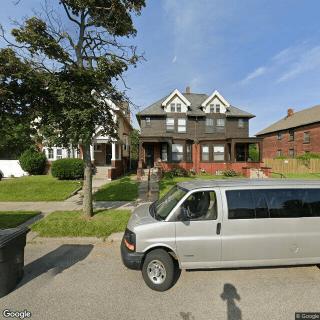
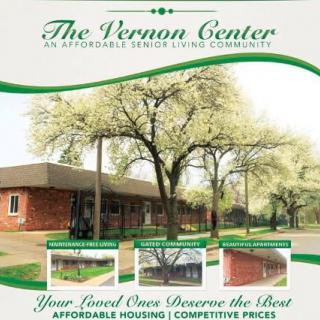
 Small, intimate setting with personalized 24/7 supervision and comprehensive ADL care.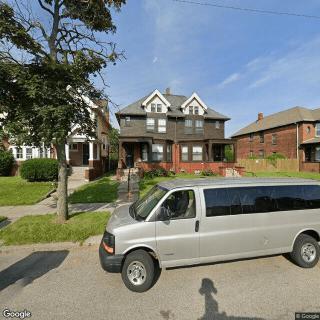

 How and When Medicaid May Cover Assisted Living Costs
 A Detailed Exploration of Assisted Living Medicaid Waivers Across the United States
 Comprehensive Residential Support and Assisted Living Solutions for Individuals with Disabilities