
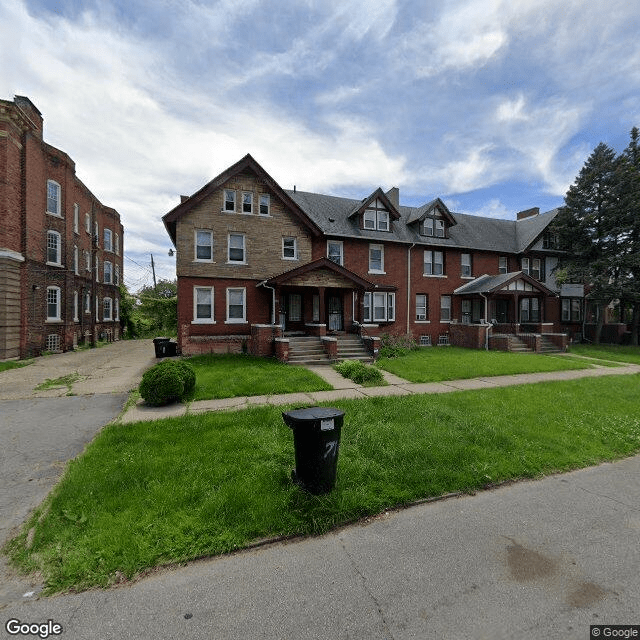
28 Westminster, Detroit, MI 48202
To contact a resident: (313) 215-7844
For more information about senior living options: (866) 208-4318
Esscada Group Home Costs & Pricing
Esscada Group Home offers competitive pricing for its residents compared to both Wayne County and the broader state of Michigan. With a monthly cost of $850 for semi-private rooms, residents benefit from a substantial savings when contrasted with the county's average of $2,860 and the state average of $3,191. Similarly, for private rooms, Esscada's rate of $1,000 not only provides a more affordable option than the county's fee of $3,335 but also falls well below the state's average of $3,675. This pricing structure underscores Esscada Group Home's commitment to providing quality care at accessible rates, making it an appealing choice for individuals seeking supportive living arrangements in a nurturing environment.
| Floor plans | Esscada Group Home | Wayne County | Michigan |
|---|---|---|---|
| Semi-Private | $850 | $2,860 | $3,189 |
| Private | $1,000 | $3,335 | $3,674 |
Senior living communities with a similar price nearby
-
About the same
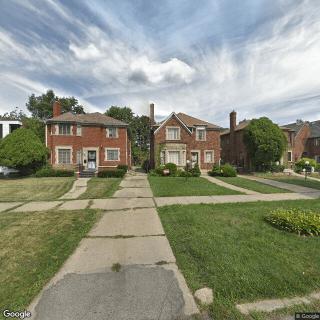
Loving Care Home #1
$850 to $1,000 / month2.5 miles away -
from -$50 / mo
Affectionate Care 1
$800 / month9.5 miles away -
About the same
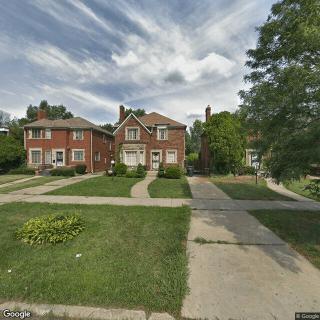
Loving Care Home #3
$850 to $1,000 / month2.5 miles away -
from +$50 / mo
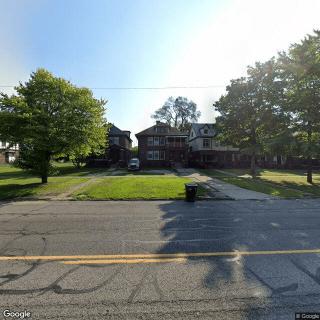
King Special Care
$900 to $2,500 / month4.4 miles away -
from -$50 / mo

Royal Universal Boarding Facility
$800 / month7.3 miles away
Overall Review of Esscada Group Home
Pros
 The home is very clean.
- The staff are attentive.
- The food is great.
- It is very comfortable for residents.
- It is a safe haven for families and friends.
Review
Esscada Group Home in Detroit is best suited for families seeking a small, homelike setting where cleanliness, attentive staff, and high-quality meals create a reassuring, resident-centered atmosphere. This community appeals to loved ones who prioritize safety, predictable routines, and personal care delivered with human warmth. It works well for seniors who value a comfortable living environment that feels like a true home, rather than a clinical campus, and for families who want transparent daily care in a place where staff are readily present and engaged.
Those who should consider alternatives are families whose priorities include robust medical oversight, 24/7 nursing, or a broader slate of on-site activities and services. If a resident requires more intensive clinical support, a larger assisted living or continuing care setting with permanently staffed medical teams may be a better fit. Likewise, if a dynamic program schedule, frequent therapeutic services, or extensive social programming are essential, exploring other options could yield accommodations that align more closely with those needs.
The strongest positives come through clearly in the impressions available: the home is described as very clean, with attentive staff who attend to daily needs and guardian-like oversight of wellbeing, meals that are regarded as great, and an overall level of resident comfort that instills confidence in safety and daily routine. Cleanliness sets a dependable baseline for health and peace of mind, while staff attentiveness translates into reliable reminders, responsive care, and a feeling that residents are truly looked after. High-quality meals and comfortable surroundings reinforce dignity, appetite, and mood, making everyday life smoother and more enjoyable.
No explicit drawbacks appear in the available account, but a practical reader will recognize that a single perspective cannot illuminate every potential gap. In this type of small-group home, natural trade-offs often include more limited on-site medical personnel, a narrower activity calendar, and less availability of specialized therapies compared with larger facilities. Emergency response times, medication management nuances, and access to professional rehabilitation services may depend more on external arrangements or partnerships. Families should verify staffing levels, licensure specifics, and the exact scope of medical support to ensure alignment with their loved one’s requirements.
The key pros offset these typical considerations by delivering a high-touch, consistent daily experience that many families prize. The combination of a meticulously clean environment, visible staff engagement, and consistently nourishing meals creates a sense of security that can compensate for a smaller footprint. The “safe haven” impression matters: residents feel protected, transitions are smoother, and routine becomes a reliable anchor in daily life. When a home-like ambiance, personalized attention, and straightforward, dependable care are the priorities, these strengths form a compelling justification for choosing this community.
For families evaluating options, the practical next steps are direct and focused. Arrange an in-person tour to observe staff interaction and ask about nurse availability, medication management policies, and how emergencies are handled after hours. Request a sample menu and schedule a meal observation to confirm that dining quality is sustainable across weeks. Inquire about activity offerings, guest policies, and transportation assistance to ensure social engagement matches expectations. If medical complexity or expansive programming is essential, compare Esscada Group Home with larger, hospital-aligned settings. Otherwise, for Detroit-area families seeking a clean, attentive, home-like setting with excellent meals, Esscada Group Home stands out as a solid, prudent choice.
 Board and Care Home
 Private
 Detroit Metropolitan-Wayne County (18 miles away)
 Diabetic care



 Comprehensive Exploration of Living Wills and Other Advance Directives
 A Detailed Exploration of Living Wills and Advance Directives
 Comprehensive Guide to Medicare Coverage for Hospice Care