
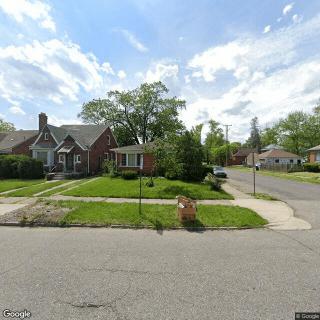
19163 Woodingham, Detroit, MI 48221
For more information about senior living options: (866) 208-4318
Alternative Adult Residence Costs & Pricing
When evaluating the costs associated with Alternative Adult Residence in Wayne County, Michigan, it is evident that this facility presents a more economical option compared to both county and state averages. For a semi-private room, residents can expect to pay $1,800 per month at the Alternative Adult Residence, notably lower than the $2,860 charged in Wayne County and $3,191 statewide. Similarly, those seeking a private accommodation will find the cost of $3,000 per month at this residence to be competitive against the county's average of $3,335 and the state average of $3,675. This affordability not only highlights the financial advantages of choosing an Alternative Adult Residence but also reinforces its appeal for families seeking quality care without straining their budgets.
| Floor plans | Alternative Adult Residence | Wayne County | Michigan |
|---|---|---|---|
| Semi-Private | $1,800 | $2,860 | $3,189 |
| Private | $3,000 | $3,335 | $3,674 |
Memory care communities with a similar price nearby
-
from -$300 / mo
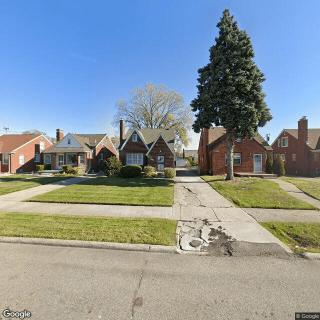
Blue Care Assisted Living
$1,500 to $2,000 / month1.7 miles away -
from -$300 / mo

Wish-U-Well Inn
$1,500 to $2,200 / month5.4 miles away -
About the same
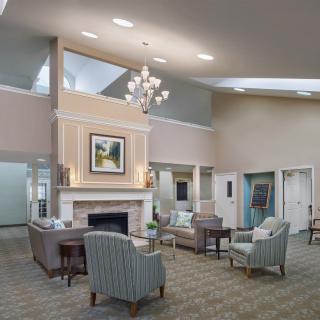
American House West Bloomfield Senior Living
$1,800 to $2,900 / month13.4 miles away -
from +$215 / mo

Fairmont Senior Living of Farmington Hills
$2,015 to $3,935 / month11.3 miles away -
from +$210 / mo
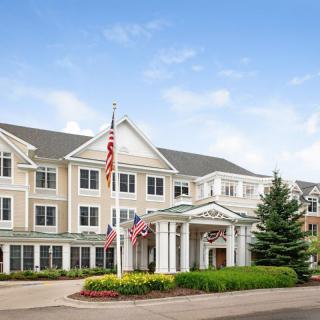
Sunrise of Shelby Township
$2,010 to $3,700 / month16.8 miles away
Overall Review of Alternative Adult Residence
Pros
 Everything is fine so far.
- All the family members are pleased, down to the grandchildren.
- They have responded very well to anything that has come up.
- She keeps the family well informed about everything.
- They arranged special accommodations to put her on the first floor.
- It’s always clean, and everyone is very friendly.
- They would recommend the services.
Review
This community is best suited for families seeking a warm, responsive assisted-living option in Detroit that emphasizes accessibility, clear communication, and everyday quality of life. It works well for a loved one who benefits from a smaller, personable setting where staff are quick to respond, families stay well informed, and day-to-day routines are predictable. The ability to accommodate a resident on the first floor demonstrates a practical commitment to mobility and safety, which can be a make-or-break factor for aging relatives who want to avoid stairs. For families that prize transparency, consistent cleanliness, and dependable meals, this residence checks those boxes and delivers a reassuring, hands-on approach to care.
Those who may want to consider alternatives include families with needs beyond typical assisted living. If memory care or highly specialized medical oversight is required, or if a broader continuum of care (including skilled nursing or intensive therapy) is essential, a larger community with dedicated memory care wings or on-site clinical teams might provide more comprehensive coverage. Additionally, households seeking a wider array of upscale amenities, more expansive programming, or a larger resident community could find other options that feel more expansive. Budget constraints or a preference for a more institutional feel are other contrasts that could steer families toward different setups.
The strongest pros here are directly tied to reliable communication and practical accessibility. Families report feeling continually informed, with staff responsiveness that keeps caregivers at ease. The accessibility emphasis, evidenced by the first-floor accommodation, aligns with common mobility concerns and reduces risk for falls or transfer stress. Cleanliness and friendly staff underpin a trustworthy daily experience, while solid meal quality supports dignity and comfort in everyday living. These positives help offset a potential sense of limitations that might come with a smaller operation: personal attention can substitute for breadth, and the transparent communication reduces the anxiety that often accompanies transitions into care.
From the anecdotes, the core value proposition is clear: a family-centered atmosphere where loved ones are treated with attentiveness and respect. The first reviewer highlights not only smooth operations but also the emotional reassurance of grandchildren acknowledging positive changes and ongoing updates. The second reviewer reinforces that the staff fosters confidence and keeps family members in the loop. Taken together, these signals matter deeply when evaluating options for long-term care, because they translate into fewer friction points during daily life and fewer moments of uncertainty for concerned relatives.
For a prospective move, practical diligence matters as much as sentiment. Prospective families should verify floor-plan availability and confirm how flexible the first-floor option truly is in the current tenancy mix. Assess the level of care coordination, emergency response procedures, and how often families receive formal updates. Observe dining service during a visit and ask about meal variety, nutritional considerations, and dining hours. Inquire about activity calendars, transportation, and social opportunities to ensure that the resident’s interests align with what the community routinely offers. Finally, request a transparent fee outline and a clear understanding of what is included versus optional.
Bottom line: this Alternative Adult Residence in Detroit is a strong fit for families prioritizing dependable communication, a clean and welcoming environment, and practical accommodations like easy access on the first floor. It delivers a reassuring, home-like feel reinforced by responsive staff and solid daily life basics, qualities that translate into real peace of mind for caregivers. For residents whose needs extend into memory care or more intensive clinical services, or for families seeking a larger campus with broader programming, alternatives may be worth exploring. A direct visit, with questions focused on floor plans, care scope, and family involvement, will reveal whether this community truly matches the specific pace and preferences of the loved one.
 6 resident community capacity
 Assisted Living
 Board and Care Home
 Memory Care
 Respite Care
 Cable or satellite TV
 Dining room
 Fully furnished
 Garden
 Housekeeping services
 Move-in coordination
 Outdoor space
 Private
 Telephone
 Wi-Fi/high-speed internet available
 Detroit Metropolitan-Wayne County (18 miles away)
 24-hour supervision
 Activities of daily living assistance
 Assistance with bathing
 Assistance with dressing
 Assistance with transfers
 Diabetes diet
 Diabetic care
 High acuity care
 Hospice waiver
 Meal preparation and service
 Medication management
 Mental wellness program
 Special dietary restrictions
 Transportation arrangement (medical)
 Transportation to doctors appointments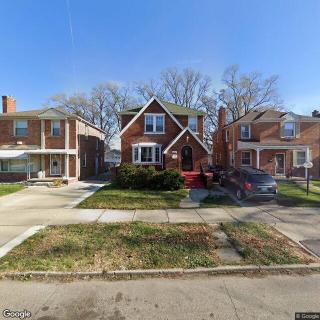



 Assisted Living and Memory Care: Understanding Their Core Differences
 Choosing the Right Senior Care: A Detailed Exploration of Assisted Living and Nursing Homes
 Safeguarding Your Memory Through the Golden Years: Eight Ways to Preserve Cognitive Health