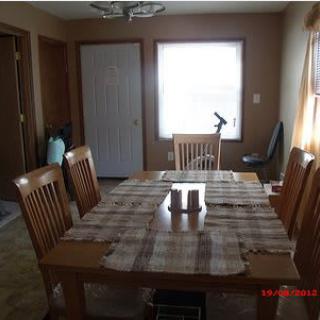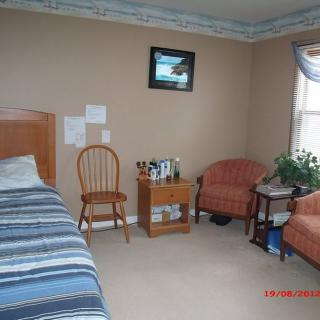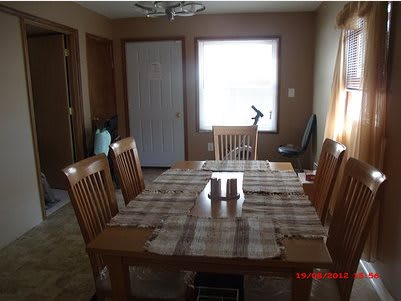
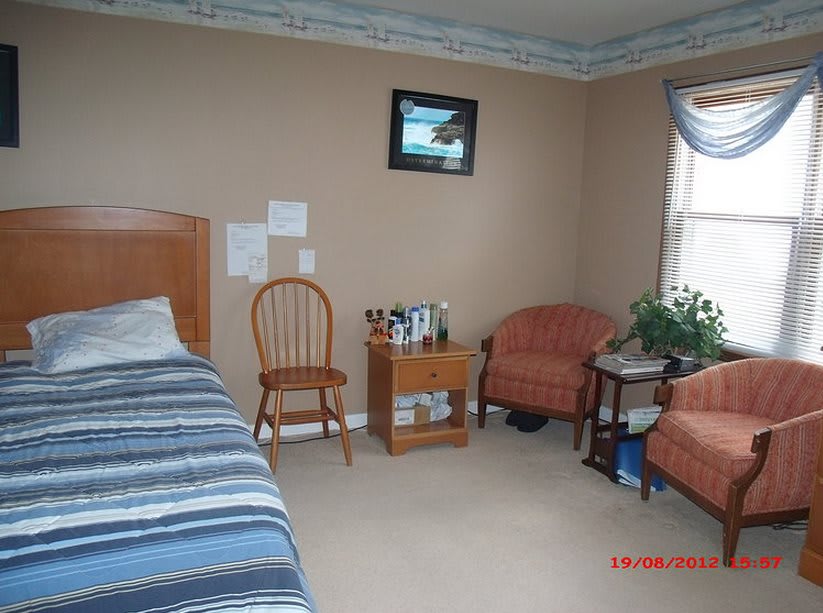
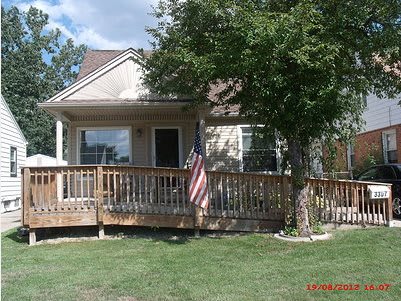
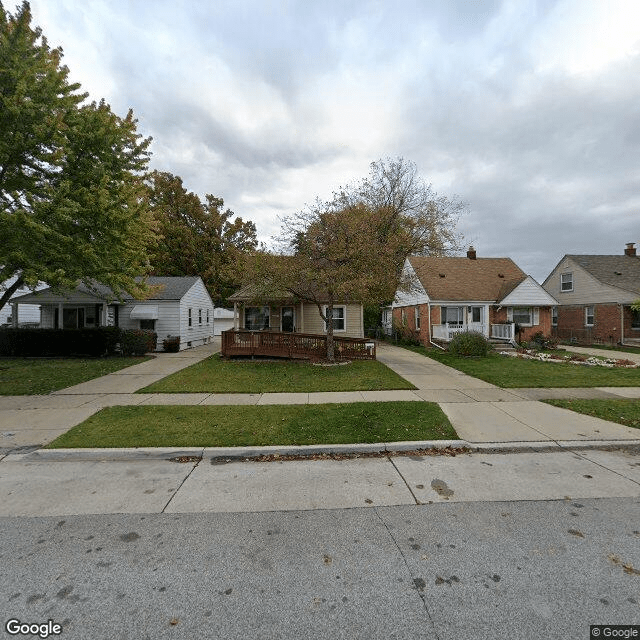
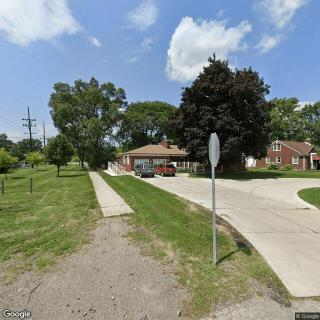
3307 Houston, Dearborn, MI 48124
For more information about senior living options: (866) 208-4318
Houston Special Needs Center Costs & Pricing
The Houston Special Needs Center offers competitive pricing for its services, with semi-private rooms priced at $3,000 per month, slightly above the Wayne County average of $2,860 but lower than the state rate of $3,191. For those seeking more privacy, private rooms are available at $3,500, which is comparable to Wayne County's average of $3,335 and below Michigan's state average of $3,675. Overall, while the costs at Houston may be marginally higher for semi-private accommodations, they remain within a reasonable range relative to both county and state contexts. This positioning suggests a commitment to providing quality care tailored to individual needs amidst a competitive pricing landscape.
| Floor plans | Houston Special Needs Center | Wayne County | Michigan |
|---|---|---|---|
| Semi-Private | $3,000 | $2,860 | $3,189 |
| Private | $3,500 | $3,335 | $3,674 |
Assisted Living communities with a similar price nearby
-
About the same
Hutcheson Manor
$3,000 to $4,500 / month12.7 miles away -
from +$200 / mo
Vicky's Place
$3,200 to $6,000 / month16.9 miles away -
from +$495 / mo
Christman Adult Foster Care Home
$3,495 to $6,395 / month15.5 miles away -
from +$500 / mo
Briar Hill Assisted Living
$3,500 to $4,500 / month13.8 miles away -
from -$400 / mo
Angelic Foster Care
$2,600 to $3,380 / month20.7 miles away
Overall Review of Houston Special Needs Center
Pros
 The staff treated the mother like family and kept her informed about meals and medications.
- They are very attentive and do a great job.
- They communicate well with families about residents' care.
- The care is wonderful and the facility is highly recommendable.
- The manager is very concerned about each resident as if they were her own family.
- The caregivers treat residents with genuine kindness and respect.
- The meals are nutritious and residents enjoy them.
- The smaller center setting appears to help residents do better.
Cons
 The move-in costs were just too high for his father's budget.
- There wasn't enough care there for his loved one.
- There was only one older lady trying to care for two residents, indicating insufficient care.
- The staff did not interact with the residents.
- The arrangement wasn't a good fit for them.
Review
Houston Special Needs Center in Dearborn, Michigan is best suited for families seeking an intimate, home-like setting where care feels personal, consistently attentive, and clearly anchored by strong staff-resident relationships. The center appeals to loved ones who value frequent, candid communication about daily care, medications, and meals, delivered in a smaller environment that reduces the sense of being lost in a big facility. For those prioritizing a faith-informed atmosphere and a family-like vibe in which residents are treated like members of a close-knit household, this community often checks the right boxes.
That said, some families should consider alternatives. The most common red flag is budget sensitivity: move-in costs can be a hurdle, and the price tag may exceed what some families can sustain over time. Others may require a more robust activity calendar or a larger, more varied programming slate to keep residents engaged throughout the day. In addition, those seeking a more medicalized setting with broader on-site clinical resources may find the level of acuity here isn’t a perfect match. For individuals who place a premium on non-Christian traditions or more secular, diverse programming, it may be worth looking at other local options.
The strongest positives here center on care quality and the human touch. Families repeatedly note that staff are attentive, communicative, and genuinely devoted to residents’ well-being. The center’s cleanliness stands out, with residents’ rooms described as comfortable and well-kept, and meals characterized as nutritious and well prepared. The small, home-like footprint helps staff know residents intimately, allowing for consistent routines and proactive responses to needs. Several reports highlight improvements in residents’ mood and independence, with caregivers guiding everyday tasks, encouraging self-feeding, and supporting personal routines in ways that feel respectful and personal. In short, the pros, personal attention, tight-knit staff-family communication, and a sanitary, orderly environment, tend to offset many concerns because they translate directly into daily comfort and perceived safety.
However, the cons carry practical weight for decision-making. The most frequent critique centers on activity breadth: families sometimes wish for more structured programming, social opportunities, outings, and enrichment options. The very strength of a small operation, personalized attention, can also constrain available resources, making it harder to offer a full slate of activities or to accommodate every interest. Move-in costs and ongoing expenses can be a hurdle for budgets, and the semi-private/compact living arrangement, while cozy, may not suit those needing more spacious accommodations or higher levels of medical oversight. One review notes that a bare-bones, small-house setup may not meet higher care expectations, highlighting the importance of aligning residents’ needs with the center’s capacity.
To make a well-informed choice, approach Houston Special Needs Center with a practical checklist. Examine the true economics: what does the move-in package cover, what are ongoing fees, and is there any flexibility if finances tighten? Probe staffing levels and shift coverage, and ask for a recent activity calendar to gauge whether the program can realistically meet current residents’ interests. Request a test stay or a day-to-day observation to observe how staff interact with the resident, and confirm whether the resident’s dietary and medical needs can be managed within the existing framework. Finally, be clear about faith-context preferences: the center’s Christian orientation can be a meaningful fit or a mismatch, depending on the family’s values and the resident’s background.
Bottom line: Houston Special Needs Center is an excellent fit for families prioritizing intimate, attentive care in a clean, respectful, and faith-aligned setting. Its advantages, strong staff dedication, open communication, and a homey, well-maintained environment, often translate into stable health and happiness for residents. Those who can manage the upfront costs and who are comfortable with a smaller program offering fewer daily activities will find this community an unusually reassuring choice. Families needing a broader activity calendar, greater clinical acuity, or more budgetary flexibility should responsibly weigh alternatives that scale those needs more aggressively.
 6 resident community capacity
 Assisted Living
 Board and Care Home
 Activities off-site
 Air-conditioning
 Bath tubs
 Beautician on-site
 Cable or satellite TV
 Devotional services off-site
 Dining room
 Fully furnished
 Garden
 Handicap accessible
 Housekeeping services
 Indoor common areas
 Move-in coordination
 Outdoor common areas
 Private
 Private bathrooms
 Respite or short term stays offered
 Telephone
 Wheelchair accessible showers
 Wi-Fi/high-speed internet available
 Detroit Metropolitan-Wayne County (8 miles away)
 24-hour supervision
 Assistance with bathing
 Assistance with dressing
 Assistance with transfers
 Diabetes diet
 Diabetic care
 High acuity care
 Incontinence care
 Meal preparation and service
 Medication management
 Special dietary restrictions
 Transportation arrangement (medical)
 Transportation to doctors appointments
 BBQs or picnics
 Birthday parties
 Live dance or theater performances
 Live musical performances

 Funding and Affording Assisted Living: A Thorough Overview
 Assisted Living Expenses and Long-Term Care Insurance: A Comprehensive Exploration
 Securing Financial Support for Assisted Living: A Comprehensive Overview