Beaumont Commons Dearborn stands out as a competitive option for seniors seeking a Continuing Care Retirement Community (CCRC) in Michigan. With monthly rates for a one-bedroom at $2,426, it offers a more affordable alternative compared to the average costs in Wayne County ($3,210) and the state of Michigan ($3,384). However, when considering larger accommodations, such as two-bedroom units priced at $4,483, Beaumont Commons is positioned above both the county's average of $3,452 and the state's typical cost of $3,523. The studio apartments are similarly priced at $4,728, which exceeds county and state averages of $3,495 and $3,824 respectively. Overall, while Beaumont Commons offers compelling rates for one-bedroom living arrangements, prospective residents should weigh their options carefully regarding larger spaces when assessing value within the broader market.
Floor plans
Beaumont Commons Dearborn, a CCRC
Wayne County
Michigan
1 Bedroom
$2,426
$3,210
$3,384
2 Bedrooms
$4,483
$3,452
$3,523
Studio
$4,728
$3,495
$3,824
Memory care communities with a similar price nearby
from -$151 / mo
Pleasant Valley Family Care
4.8 from 39 reviews
$2,275 to $7,000 / month
15.1 miles away
from +$454 / mo
Town Village Sterling Heights and The Gem Memory Care
Overall Review of Beaumont Commons Dearborn, a CCRC
caveat8 reviews mention this
Care quality is mixed
Residents describe both attentive care moments and serious lapses in day-to-day help.
Some residents say staff were caring, checked on them often, and helped them feel comfortable, including in rehab and memory care. Others report understaffing and delays, with complaints about nurses and aides not responding when needed. A few reviews describe serious medication and personal-care problems, including medications prescribed but not given and issues with medication handling. Several families also emphasize the importance of having eyes on their loved one every day, especially when they felt coverage was thin.
common10 reviews mention this
Staff friendliness shows up often
Across reviews, staff are frequently described as friendly and willing to help.
Many reviewers highlight kind, compassionate employees and say the facility feels welcoming. Several mention staff patience and help with mobility, therapy, or day-to-day needs, and a few call out specific employees for going above and beyond. Even in critical reviews, some staff members are singled out as helpful or supportive, suggesting that experiences can vary by unit or shift.
common9 reviews mention this
Food and dining are a focal point
Dining stands out, with residents saying the meals are either satisfying or sometimes too limited.
Positive reviews describe nice meals, restaurant-style dining, and a café that feels enjoyable, including for visitors and families. Others describe food as only okay, with portions that felt small and menu items not matching what was served. A few reviewers mention meal value and say they appreciated being able to dine as part of the overall routine.
caveat9 reviews mention this
Staffing and communication vary
Several residents report staffing and communication issues that can affect daily schedules.
A recurring concern is understaffing, with reviews describing slow responses, late meals, delayed room cleaning or personal care, and therapy that did not happen as fully as needed. Families also mention communication problems, including feeling uninformed until they asked questions and not always getting timely updates. Some reviews describe specific shift differences, like daytime care feeling stronger than nighttime care, while others describe a need for more help overall.
differentiator4 reviews mention this
Memory care is described as structured
Memory care residents describe familiar caregivers and personalized engagement.
Reviewers who mention the Terrace Memory Care unit describe it as distinct from other parts of the community, with caregivers who stayed consistent over time. Families also describe 1-on-1 time, activities tailored to individual preferences, and a calmer experience that helped with transitions and ongoing participation. Beyond engagement, several mention staff gentleness during care like bathing and communication with families.
caveat3 reviews mention this
Pricing feels high, value is debated
Pricing is a recurring concern, even when some reviews say the value can still work.
Some reviewers call out the cost as surprising and mention it as a barrier. Others describe meals and the overall experience as a good value, which suggests the perceived tradeoff depends on expectations and care needs. The pricing shown for unit types is also positioned below county and state levels, so for some families it may feel more manageable than alternatives.
How we summarize
Counts show how many written reviews mention each theme; a review can touch several themes, and only frequently mentioned themes are displayed.
Features
Types of Care
Assisted Living
Independent Living
Memory Care
Pets
Cats allowed
Dogs allowed
Amenities
Activities off-site
Activities on-site
Air-conditioning
Bath tubs
Beautician on-site
Cable or satellite TV
Devotional services off-site
Fireplaces
Full kitchen
Ground floor units
Indoor common areas
Kitchenette
Outdoor common areas
Respite or short term stays offered
Wheelchair accessible showers
Wi-Fi/high-speed internet available
Transportation
Detroit Metropolitan-Wayne County (10 miles away)
Care Services
Ambulatory care
Medication management
Dining
Guest meals
Meals provided
Professional chef
Restaurant style dining
Room service
Activities
Brain fitness
Day trips and outings
Devotional activities offsite
Educational speakers / life long learning
Gardening club
Happy hour
Live dance or theater performances
Live musical performances
Live well programs
Stretching classes
Tai Chi
Wii bowling
Videos
Nearby Places of Interest
This part of Dearborn, Michigan offers a convenient and accessible location with a variety of amenities close by. Within a short distance, there are multiple pharmacies such as CVS and Walgreens, as well as reputable hospitals including Beaumont Dearborn Hospital and Henry Ford Wyandotte Hospital. In terms of dining options, there are fast food chains like Taco Bell and McDonald's, as well as local restaurants like Shatila Bakery and Hamido Restaurant. Places of worship such as Masjid Salam and churches like Church of the Divine Child are also nearby for spiritual needs. For healthcare services, there are several physicians' offices in the vicinity, providing access to medical care when needed. Parks like Ford Field Park and Schemansky Park offer opportunities for outdoor recreation, while cafes such as Qahwah House and Starbucks provide spaces for socializing or enjoying a cup of coffee. Overall, this area presents a well-rounded community with essential resources for senior living.
Pharmacies
CVS Pharmacy (1 miles)
CVS Pharmacy (1.5 miles)
Dearborn Fresh Market (1.9 miles)
Walgreens (3.1 miles)
CVS Pharmacy (3.5 miles)
Walgreens (3.6 miles)
Rite Aid (3.7 miles)
Hospitals
Beaumont Dearborn Hospital (1.2 miles)
Henry Ford Wyandotte Hospital (6.8 miles)
Hotel-Dieu Grace Healthcare (6.9 miles)
Henry Ford Hospital (7.3 miles)
Henry Ford Health System (7.3 miles)
Hfhs - Main - F4 (7.4 miles)
Hudson-Webber Cancer Research (8 miles)
Restaurants
Taco Bell (1.5 miles)
Ford's Garage Dearborn (2.1 miles)
Wendy's (2.2 miles)
Shatila Bakery (3 miles)
McDonald's (3 miles)
Hamido Restaurant (3.2 miles)
Station Shawarma (3.3 miles)
Places of Worship
Masjid Salam (1.6 miles)
Church of the Divine Child (4.5 miles)
Physicians
Michigan Eyecare Institute (1.6 miles)
Allen Park Family Physicians (3.3 miles)
Ophthalmic Specialists of Michigan - Dearborn Office (3.9 miles)
Park medical center (3.9 miles)
Dearborn Obstetrical & Gynecological Assoc PC (4.3 miles)
Beaumont Commons Dearborn stands out as a competitive option for seniors seeking a Continuing Care Retirement Community (CCRC) in Michigan. With monthly rates for a one-bedroom at $2,426, it offers a more affordable alternative compared to the average costs in Wayne County ($3,210) and the state of Michigan ($3,384). However, when considering larger accommodations, such as two-bedroom units priced at $4,483, Beaumont Commons is positioned above both the county's average of $3,452 and the state's typical cost of $3,523. The studio apartments are similarly priced at $4,728, which exceeds county and state averages of $3,495 and $3,824 respectively. Overall, while Beaumont Commons offers compelling rates for one-bedroom living arrangements, prospective residents should weigh their options carefully regarding larger spaces when assessing value within the broader market.
Medication management at Beaumont Commons Dearborn ensures that residents receive their prescribed medications accurately and on schedule, which is crucial for maintaining overall health and stability in individuals with dementia or Alzheimer's disease. By alleviating concerns about medication adherence, this feature helps to minimize confusion and potential adverse effects that can arise from missed doses or errors, thereby supporting residents' cognitive function. Additionally, the brain fitness programs promote mental stimulation through engaging activities tailored to individual abilities, fostering social interaction and cognitive engagement. These activities are designed to enhance memory recall, problem-solving skills, and overall brain health, empowering residents to maintain a sense of independence while promoting emotional well-being. Together, these features create an environment conducive to holistic care for those facing memory challenges.
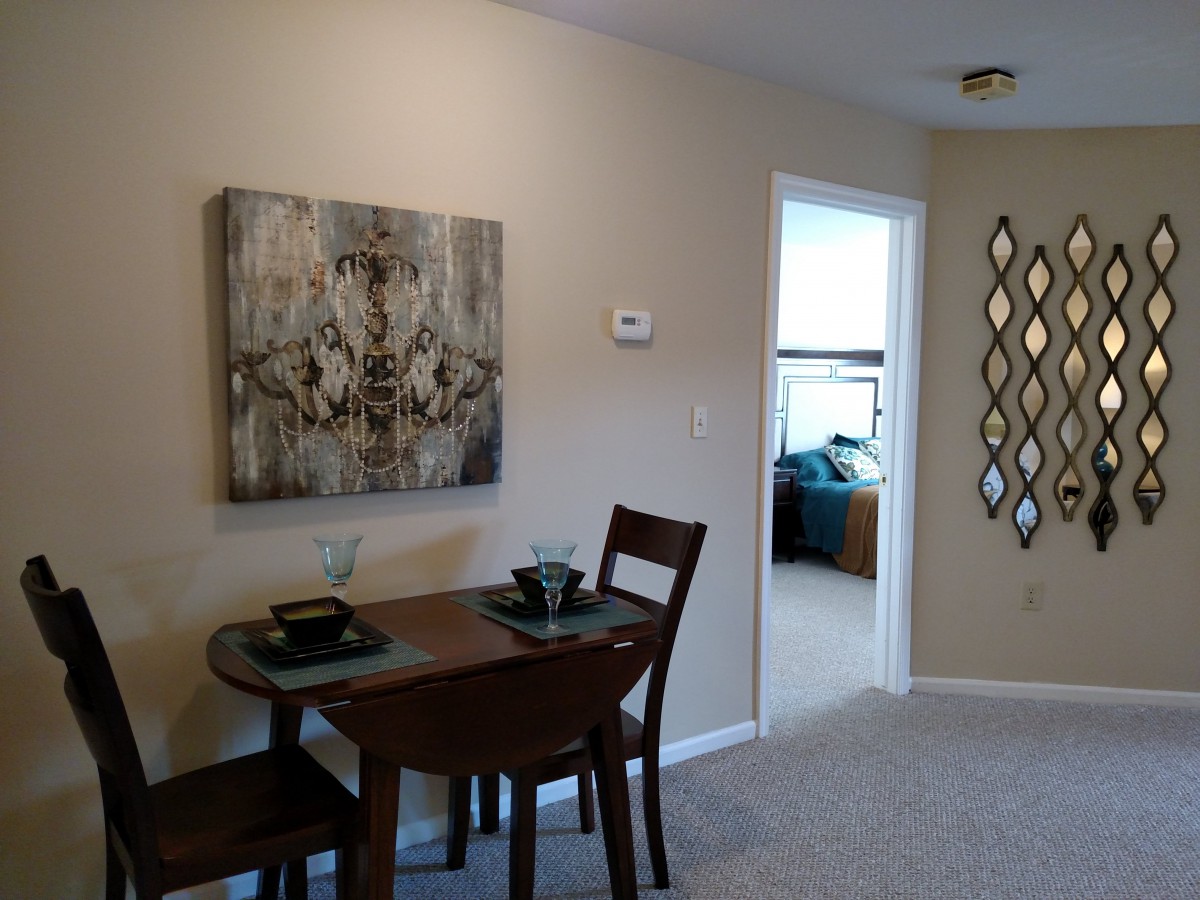
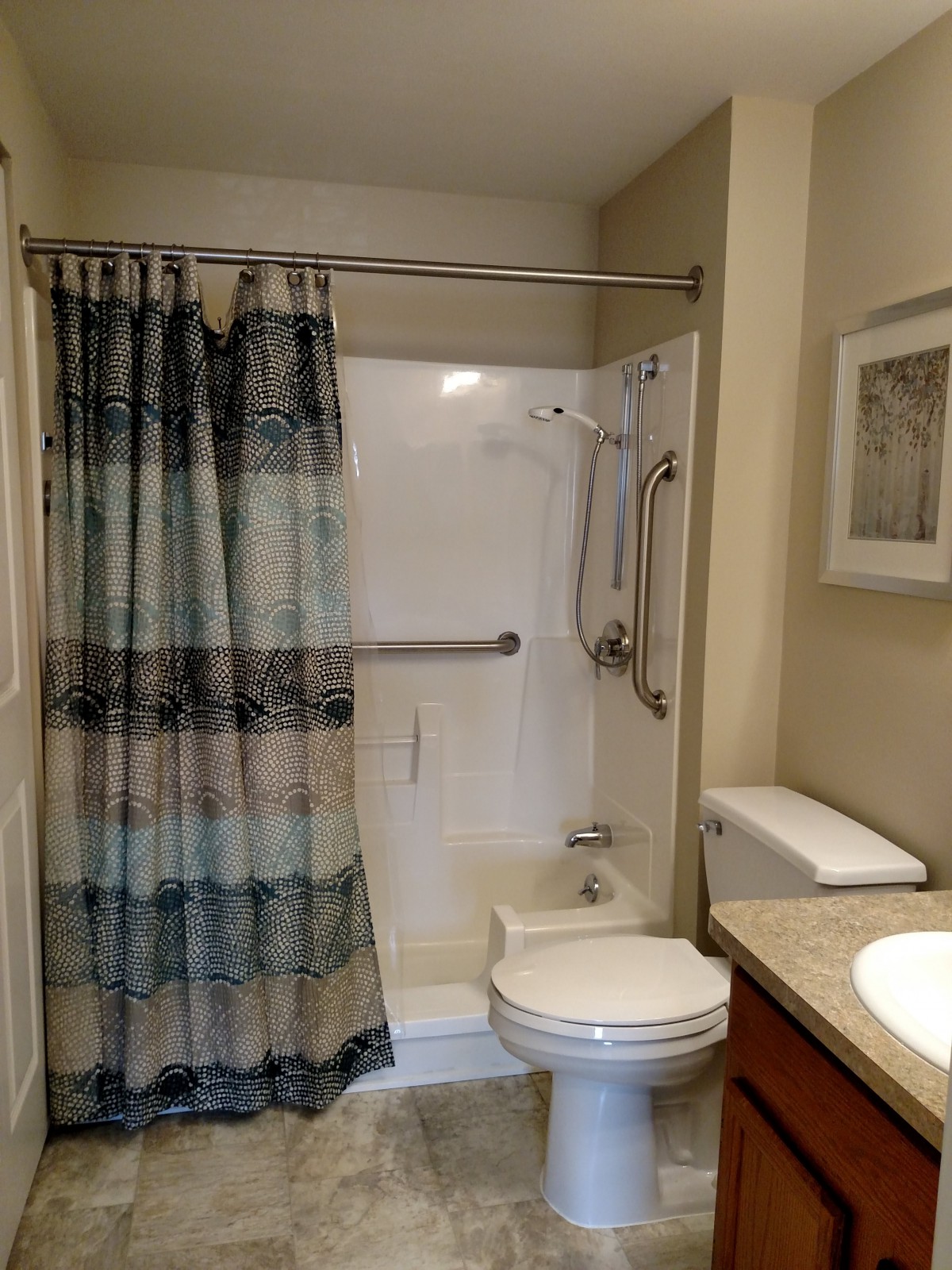
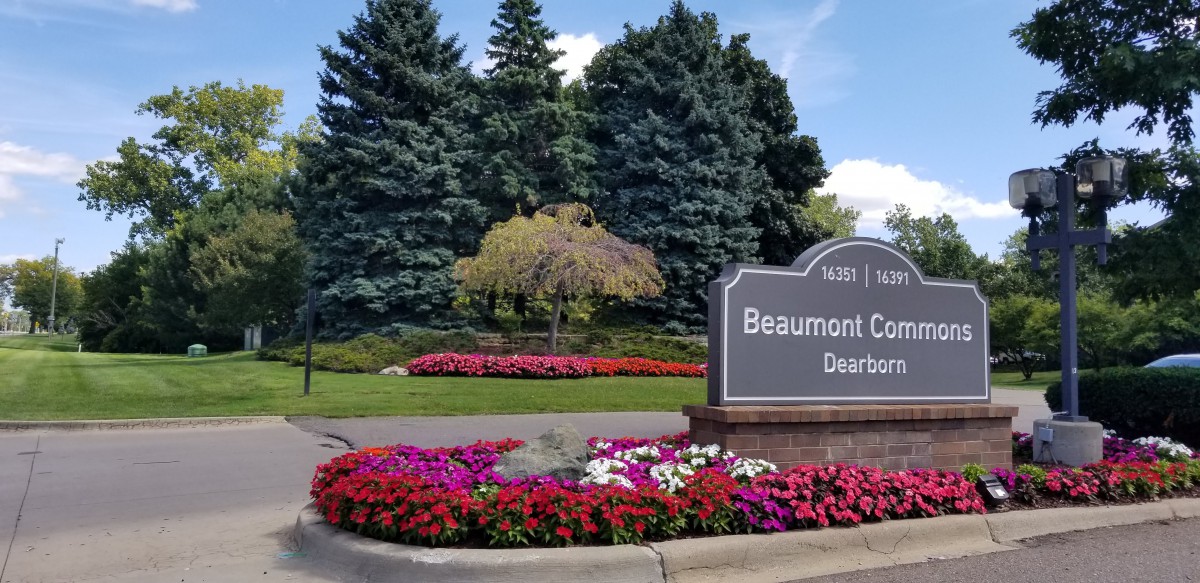
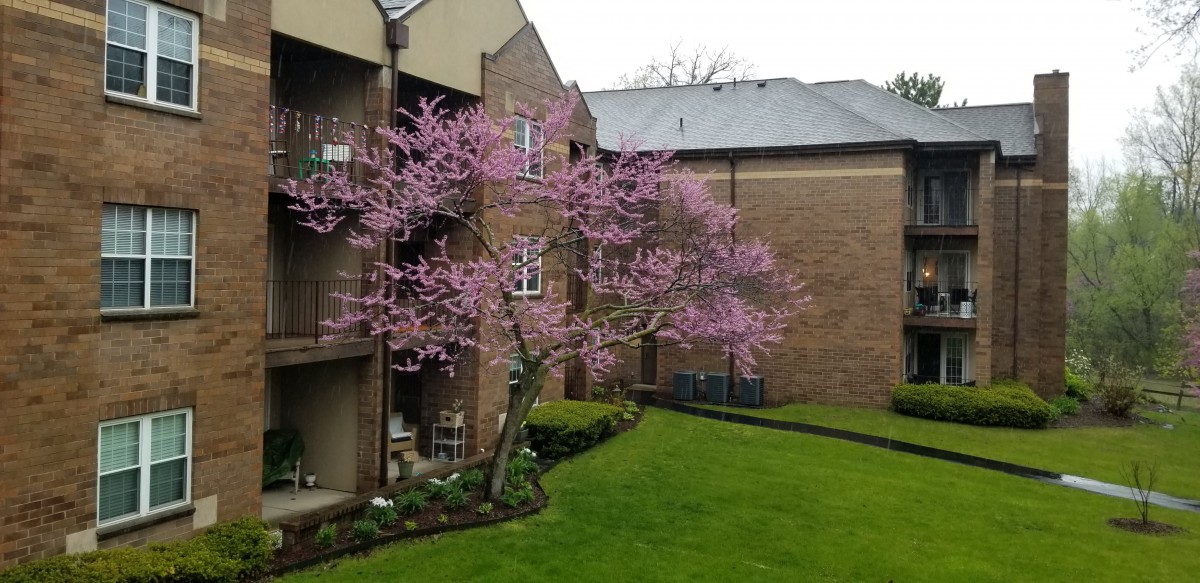
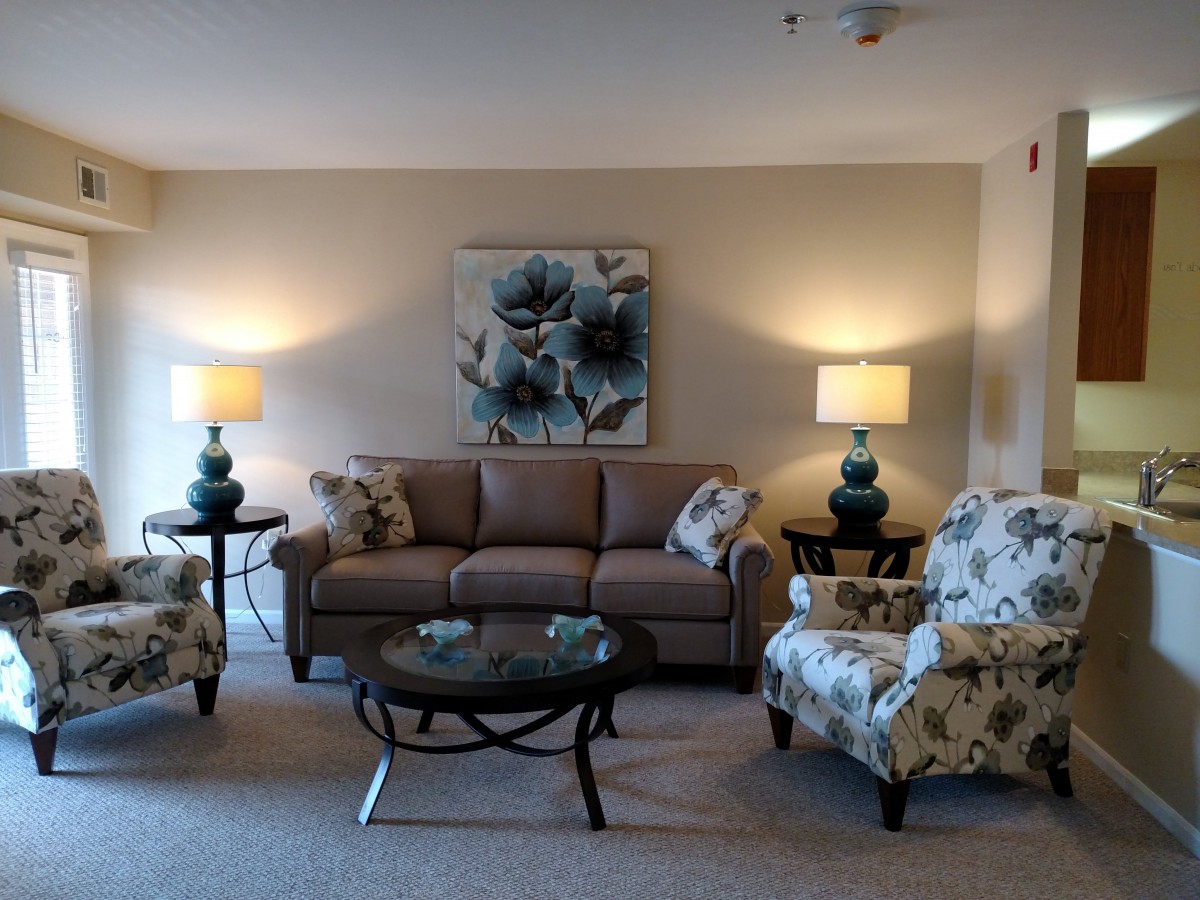
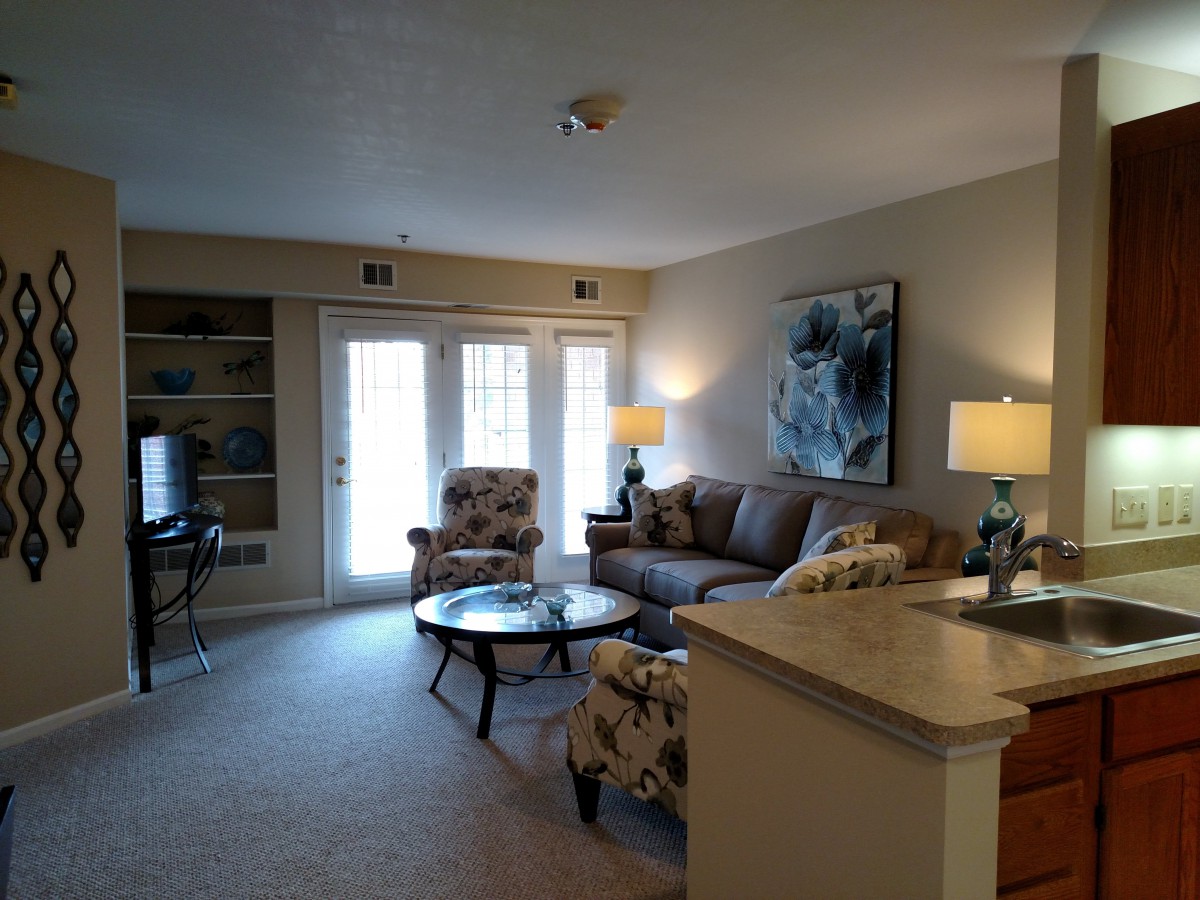
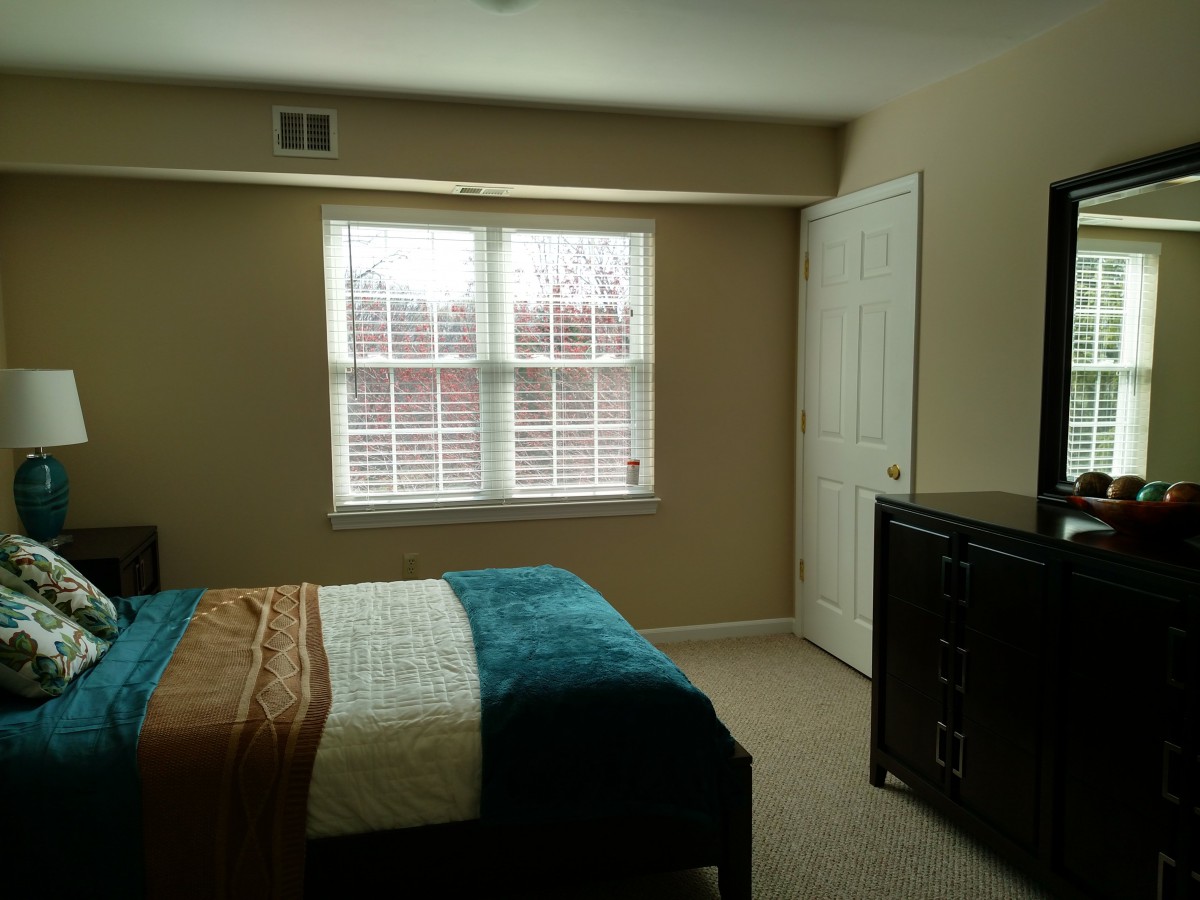
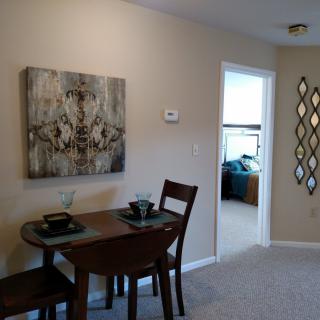
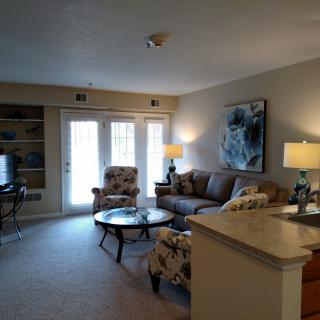
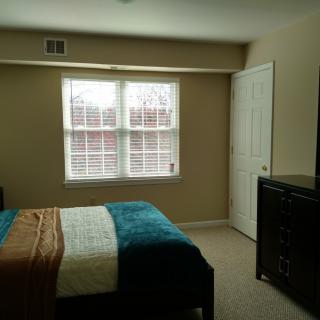
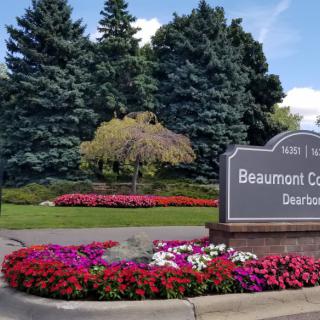
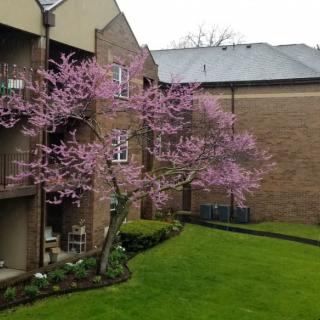
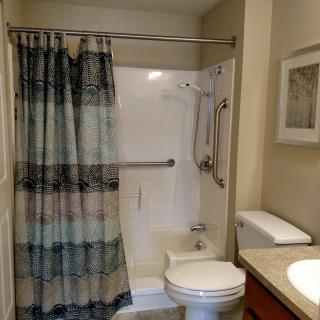
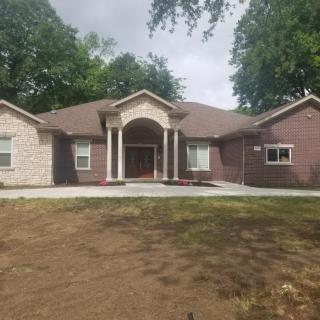
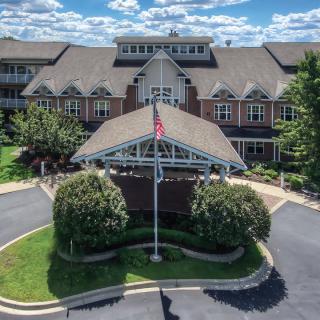
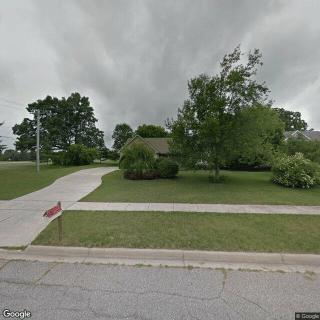
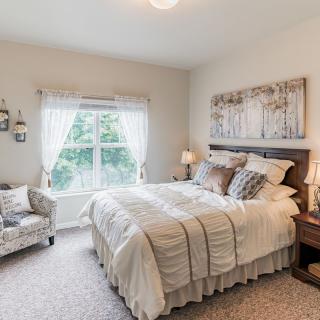
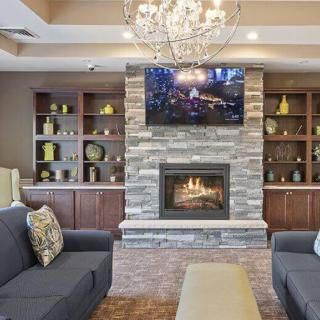
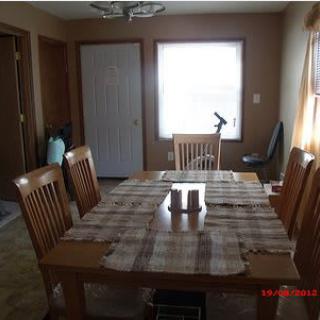
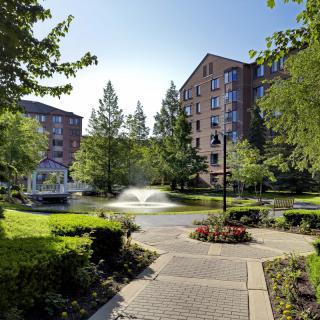
Beaumont Commons Dearborn, a CCRC on seniors.fyi includes 7 photos including images showing interior, bathroom, decor, artwork, bedroom, landscaping, living room, windows, and more.
Nearby Communities
Oakwood Health Promotions
Dearborn, MI
3.7 from 78 reviews
Extensive amenities and comprehensive care (24/7 support, transportation, wellness programs, and furnished apartments).
Beaumont Rehabilitation & Continuing Care Dearborn
Dearborn, MI
2.7 from 38 reviews
24/7 care with ADL assistance and medication management; restaurant-style dining and extensive amenities.
Metro Home Health Care Plans
Dearborn, MI
Extensive nearby amenities and healthcare access.
Westland III
Dearborn, MI
Fully furnished, with comprehensive care, dining, housekeeping, and transportation.
Helen Gardens
Dearborn, MI
Small, personalized assisted living with 24-hour supervision, ADL support, and on-site diabetes-friendly meals.
Houston Special Needs Center
Dearborn, MI
4.6 from 9 reviews
$3,000 to $3,500 / month
Family-like, attentive staff with clear communication.
Allegria Village, a CCRC
Dearborn, MI
4 from 20 reviews
$1,400 to $1,700 / month
Vibrant activities and beautiful grounds, with welcoming staff during tours.
Maple Heights
Allen Park, MI
4.4 from 159 reviews
$2,100 to $2,700 / month
Friendly staff in a clean, engaging community with affordable pricing and convenient amenities.
Dementia, particularly Lewy body dementia, often involves hallucinations that can significantly distress both patients and caregivers due to disruptions in sensory processing and neurotransmitter imbalances. Effective management includes compassionate communication, environmental adjustments, and a multidisciplinary approach to care while addressing the emotional needs of caregivers.
Alzheimer’s disease is a progressive neurological disorder that significantly impacts memory and cognitive functions, accounting for 60-80% of dementia cases, with early diagnosis being crucial yet challenging. It involves brain changes like beta-amyloid plaques and tau tangles, influenced by genetic and lifestyle factors, and while there is no cure, symptom management and support for caregivers are essential.
Dementia, influenced by aging and certain medications, may be exacerbated by drug classes such as anticholinergics, benzodiazepines, and antipsychotics, which are associated with cognitive impairment. Regular medication reviews by healthcare professionals are crucial for older adults to manage risks and optimize cognitive health.
Get PricingAsk A QuestionSchedule A TourContact Senior Advisor
By clicking submit, you agree to our Partner's Terms of Use. You
also consent to receive calls and texts, which may be autodialed, from our Partner. Your consent is not a condition to
using our Partner's service. Please visit our Partner's Privacy Policy for information about their privacy practices.

 Assisted Living
 Independent Living
 Memory Care
 Cats allowed
 Dogs allowed
 Activities off-site
 Air-conditioning
 Bath tubs
 Beautician on-site
 Cable or satellite TV
 Devotional services off-site
 Fireplaces
 Full kitchen
 Ground floor units
 Indoor common areas
 Outdoor common areas
 Respite or short term stays offered
 Wheelchair accessible showers
 Wi-Fi/high-speed internet available
 Detroit Metropolitan-Wayne County (10 miles away)
 Ambulatory care
 Medication management
 Guest meals
 Brain fitness
 Day trips and outings
 Educational speakers / life long learning
 Gardening club
 Happy hour
 Live dance or theater performances
 Live musical performances
 Live well programs
 Wii bowling
 Extensive amenities and comprehensive care (24/7 support, transportation, wellness programs, and furnished apartments).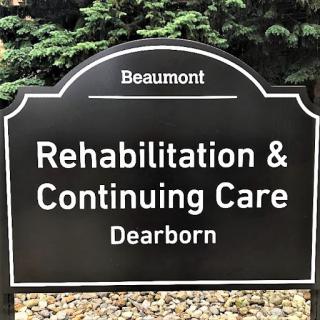


 Dementia-Related Hallucinations: Causes, Experiences, and Practical Approaches
 Illuminating Insights About Alzheimer's Disease: Ten Crucial Realities
 A Thorough Discussion of Medications Potentially Linked to Dementia Risk