Therapy is one of the main reasons families and patients speak highly of the skilled nursing experience.
Multiple reviewers describe the therapy team as effective and attentive, especially during rehab and physical therapy stays. Several mention good relationships with therapists and aides, and say they felt supported while working toward mobility goals. A few reviewers still note gaps elsewhere, but therapy quality comes through repeatedly as a bright spot.
common40 reviews mention this
Staff friendliness and responsiveness stand out
Residents and visitors frequently describe the staff as friendly, attentive, and easy to work with day to day.
Across both visits and longer stays, reviewers repeatedly point to staff who are courteous, helpful, and caring. Patient advocates and unit staff are mentioned by name in multiple reviews, often in the context of getting questions answered and helping with day-to-day needs. Even some critical comments still single out parts of the team as better than others.
caveat7 reviews mention this
Food is mixed across stays
Food quality and options are a common point of disagreement among reviewers.
Some reviewers say meals are good or improving, and a number describe food in neutral terms like “ok” or “so so.” Others raise concerns about limited choices, breakfast needing improvement, or specific comments about how much of the food was edible. Taken together, dining satisfaction appears inconsistent across units and time periods.
caveat10 reviews mention this
Cleanliness is praised, but odors recur
Cleanliness is a frequent topic, with both strong praise and recurring odor-related complaints.
Several reviewers describe the facility as clean, fresh, and well kept, including comments about no urine or unpleasant smells. At the same time, a smaller set of reviews report dirty rooms, sticky floors, stained bedding, and strong urine odors that affected visits. This mix suggests cleanliness can vary by area and timing, not just by individual preference.
common4 reviews mention this
Security presence gets positive mentions
Security measures are noted positively by visitors who feel the entry process is controlled.
A few reviewers mention security at the entrance or around the building, including references to gated access and systems used for visitor entry. Reviewers who include these details often connect them to feeling safer during visits or stays. At least one critical review also brings up security, but overall positive comments about controlled entry appear multiple times.
How we summarize
Counts show how many written reviews mention each theme; a review can touch several themes, and only frequently mentioned themes are displayed.
Features
Housing
1 resident community capacity
1-bedroom apartments
2-bedroom apartments
Studio apartments
Types of Care
Assisted Living
Independent Living
Memory Care
Skilled Nursing Facility
Amenities
Beautician on-site
Beauty salon
Cable or satellite TV
Cafe
Computer center
Dining room
Full kitchen
Fully furnished
Garden
General store
Golf
Guasts at mealtime
Guest parking
Hiking trails
Home sale assistance
Housekeeping services
Laundry
Move-in coordination
Outdoor space
Party space
Private cleaning services
Resident parking
Respite or short term stays offered
Security gate
Spa
Swimming pool
TV room
Tennis courts
VA Benefits Consultation
Wi-Fi/high-speed internet available
Transportation
Detroit Metropolitan-Wayne County (11 miles away)
Transportation & parking
Care Services
24-hour call system
24-hour supervision
Activities of daily living assistance
Assistance with bathing
Assistance with dressing
Assistance with transfers
Companion care
Diabetes diet
Hospice care
Meal preparation and service
Medication management
Mental wellness program
Mild cognitive impairment
Personal care assistants
Psychiatric care
Special dietary restrictions
Specialized memory care programming
Dining
Diabetes diet
Kosher
Room service
Special dietary restrictions
Vegetarian
Activities
Activities off-site
Arts and crafts
Book club
Community-sponsored activities
Cooking club
Educational speakers / life long learning
Fitness programs
Games
Gardening club
Live musical performances
Religious services
Scheduled daily activities
Stories
Tai Chi
Wii bowling
Yoga / chair yoga
Nearby Places of Interest
Pharmacies
Dearborn Fresh Market (0.8 miles)
CVS Pharmacy (0.9 miles)
Walgreens (1.3 miles)
CVS Pharmacy (1.9 miles)
CVS Pharmacy (3.2 miles)
Rite Aid (3.5 miles)
CVS Pharmacy (4.5 miles)
Physicians
Michigan Eyecare Institute (0.9 miles)
Ophthalmic Specialists of Michigan - Dearborn Office (4.6 miles)
Dearborn Obstetrical & Gynecological Assoc PC (5 miles)
Allen Park Family Physicians (5.1 miles)
Park medical center (5.7 miles)
Botsford Primary Care Physician (6 miles)
Garden City Hospital Medical Office Building (6.2 miles)
The features offered by Allegria Village are specifically designed to support residents with dementia and Alzheimer's disease, ensuring their safety, comfort, and overall well-being. With 24-hour supervision, caregivers can promptly respond to any needs or emergencies, creating a secure environment. Assistance with activities of daily living (ADLs)--such as bathing, dressing, and transfers--provides the necessary support for residents to maintain dignity and independence while minimizing frustration. Meal preparation and service ensure that nutritional needs are met in a familiar and comforting manner, promoting both physical health and social interaction during dining. Medication management helps caregivers monitor compliance with prescribed treatments, reducing potential confusion related to medication schedules. A mental wellness program coupled with specialized memory care programming addresses cognitive challenges through tailored activities that stimulate the mind while fostering social connections among peers. Together, these services create a holistic approach that enhances quality of life for individuals in various stages of cognitive decline.
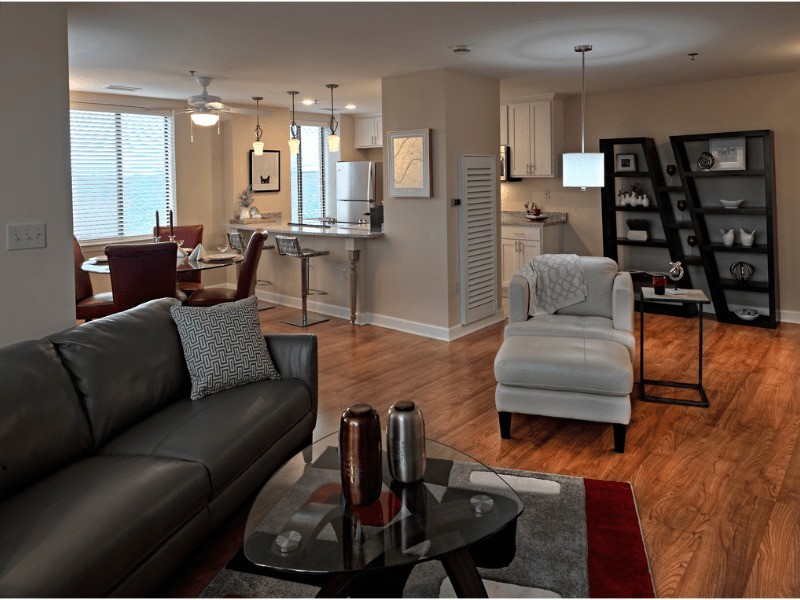
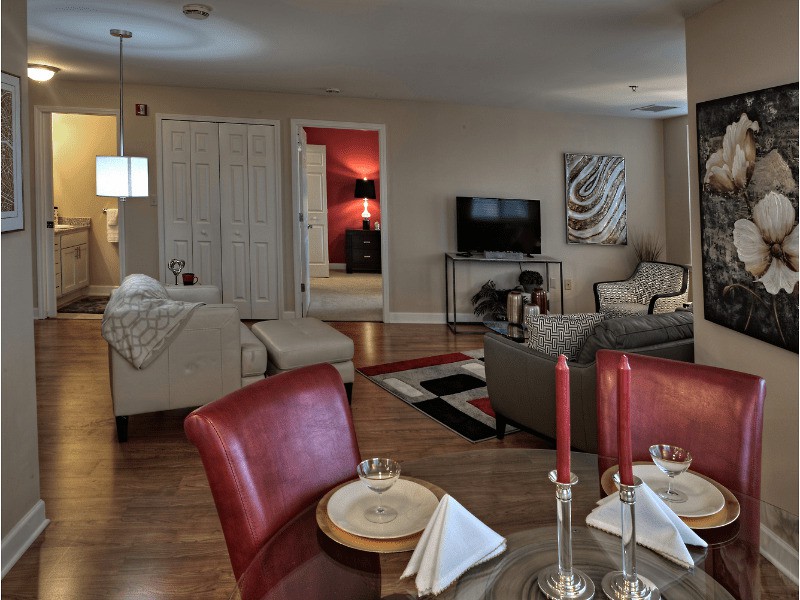
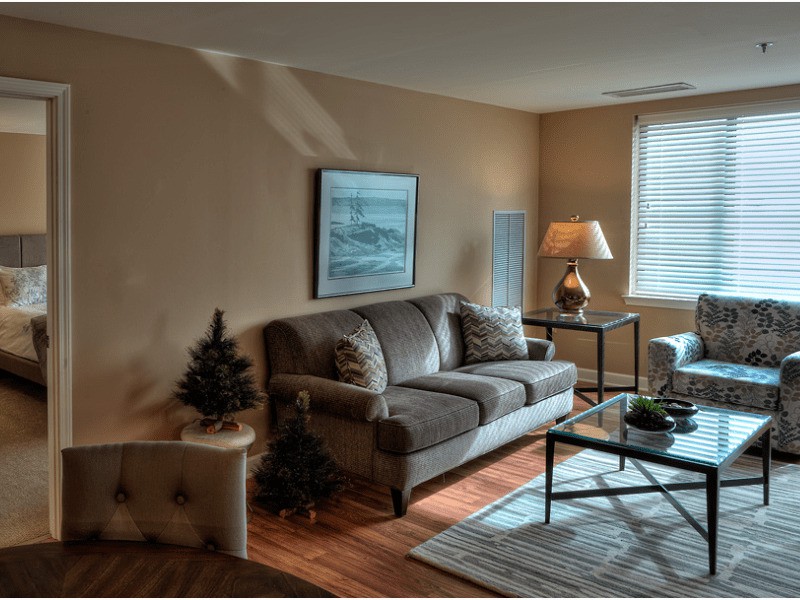
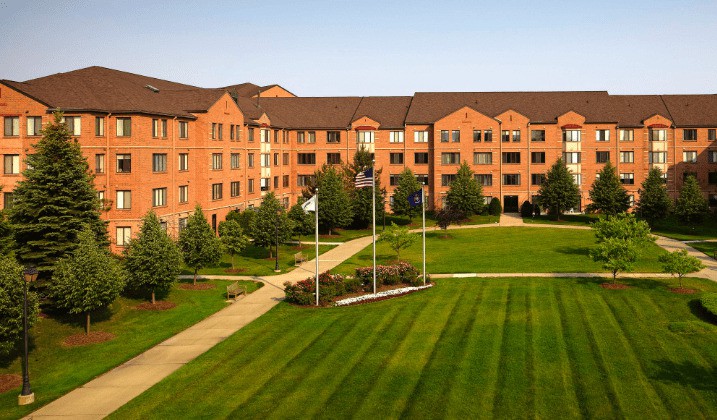
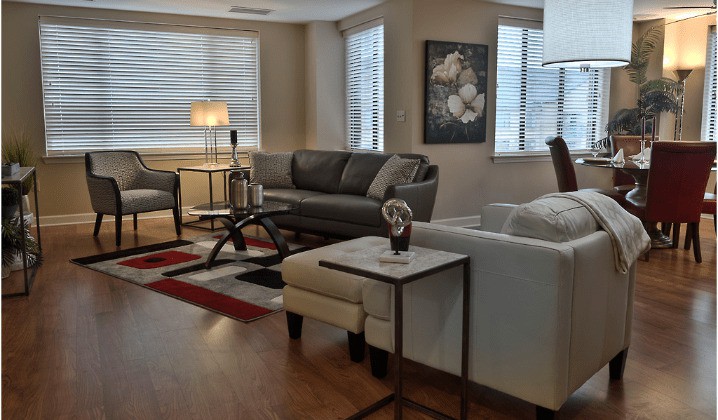
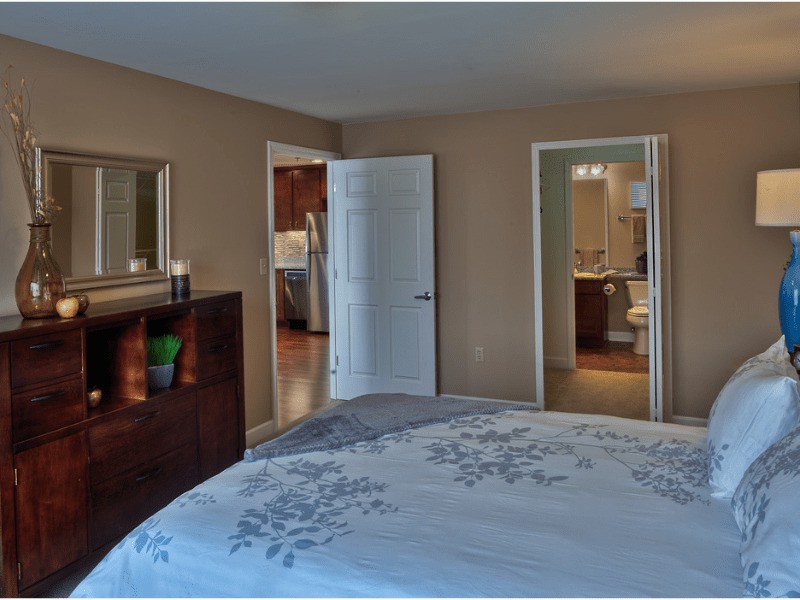
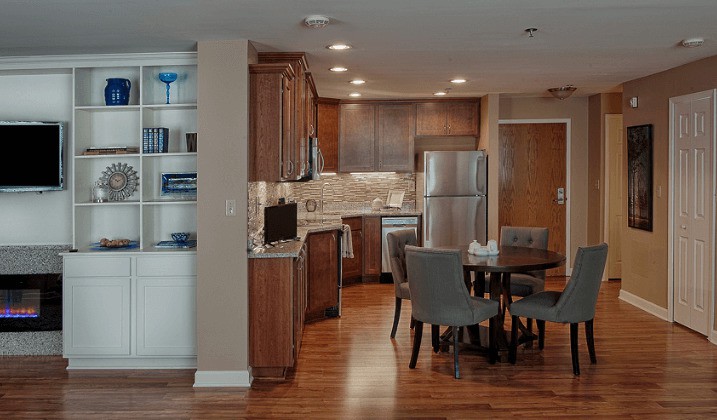
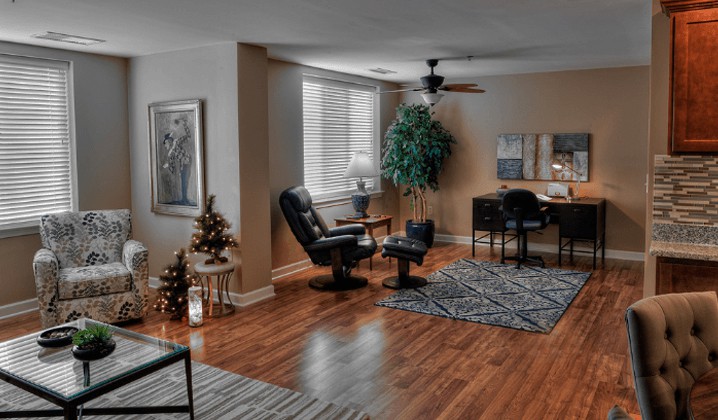
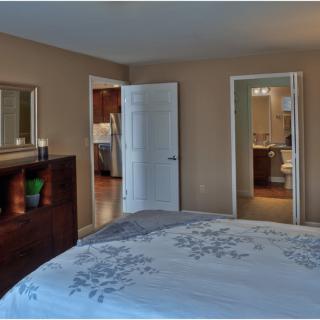
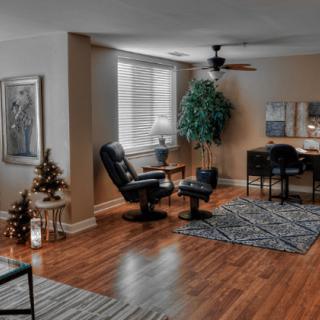
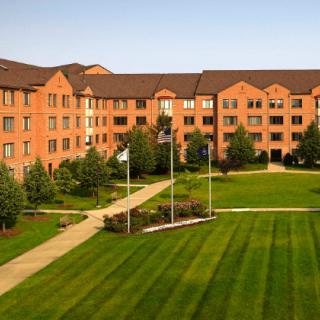
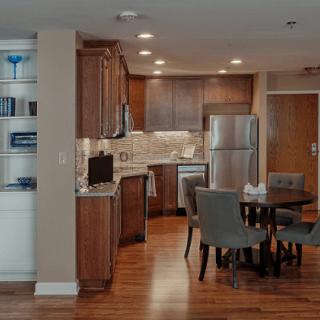
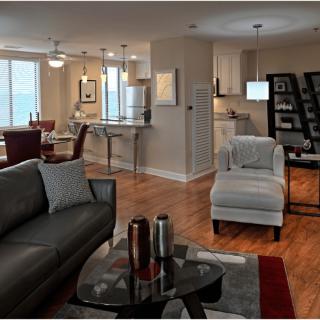
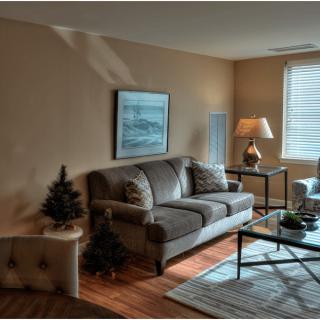
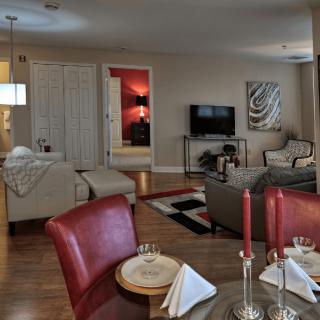
Allegria Village on seniors.fyi includes 8 photos including images showing living room, interior, decor, kitchen, hardwood floor, landscaping, bedroom, dining, and more.
Nearby Communities
Allegria Village, a CCRC
Dearborn, MI
4 from 20 reviews
$1,400 to $1,700 / month
Vibrant activities and beautiful grounds, with welcoming staff during tours.
Helen Gardens
Dearborn, MI
Small, personalized assisted living with 24-hour supervision, ADL support, and on-site diabetes-friendly meals.
Westland III
Dearborn, MI
Fully furnished, with comprehensive care, dining, housekeeping, and transportation.
Metro Home Health Care Plans
Dearborn, MI
Extensive nearby amenities and healthcare access.
Mansfield Home
Detroit, MI
$1,500 / month
Very affordable pricing ($1,500/mo) with high-acuity care and on-site amenities.
Charity Home Care Services
Detroit, MI
3.6 from 11 reviews
Small, fully furnished setting with comprehensive care (ADL support, meds, meals, and transport).
Morley Manor Cooperative Inc
Dearborn, MI
3.4 from 14 reviews
Strong community feel with affordable utilities.
Maple Heights
Allen Park, MI
4.4 from 159 reviews
$2,100 to $2,700 / month
Friendly staff in a clean, engaging community with affordable pricing and convenient amenities.
Advantage Living Center - Northwest
Detroit, MI
3.8 from 80 reviews
Well-maintained, clean facilities with friendly staff that creates a welcoming atmosphere.
Sundown syndrome, or sundowning, is a phenomenon in dementia patients characterized by increased confusion and agitation during late afternoon and evening, influenced by factors like disrupted circadian rhythms and fatigue. Effective caregiver strategies include establishing routines and managing environmental light while addressing caregiver stress through support services.
Delirium is a rapidly onset, reversible cognitive disturbance often caused by acute medical issues, while dementia is a gradual and irreversible decline due to chronic neurodegenerative diseases. Accurate differentiation between the two is essential for appropriate treatment and management in older adults.
Dementia, including Alzheimer’s disease, is often mischaracterized in terms of lethality as it leads to complications that can be fatal rather than being a direct cause of death; it causes a progressive decline in cognitive and physical health, making patients vulnerable to infections and other health crises. Effective management of nutrition, hydration, and communication is crucial in patient care, with palliative care becoming vital in advanced stages to enhance comfort and quality of life while caregivers play a key role amidst the challenges posed by the disease.
Get PricingAsk A QuestionSchedule A TourContact Senior Advisor
By clicking submit, you agree to our Partner's Terms of Use. You
also consent to receive calls and texts, which may be autodialed, from our Partner. Your consent is not a condition to
using our Partner's service. Please visit our Partner's Privacy Policy for information about their privacy practices.


 1 resident community capacity
 1-bedroom apartments
 Assisted Living
 Independent Living
 Memory Care
 Skilled Nursing Facility
 Beautician on-site
 Cable or satellite TV
 Cafe
Cafe Computer center
 Dining room
 Full kitchen
 Fully furnished
 Garden
 General store
 Golf
Golf Guest parking
 Hiking trails
 Home sale assistance
 Housekeeping services
 Laundry
 Move-in coordination
 Outdoor space
 Party space
 Respite or short term stays offered
 Security gate
 Spa
Spa Swimming pool
 Tennis courts
 Wi-Fi/high-speed internet available
 Detroit Metropolitan-Wayne County (11 miles away)
 Transportation & parking
 24-hour call system
 Activities of daily living assistance
 Assistance with bathing
 Assistance with dressing
 Assistance with transfers
 Companion care
 Diabetes diet
 Hospice care
 Meal preparation and service
 Medication management
 Mental wellness program
 Psychiatric care
 Special dietary restrictions
 Arts and crafts
 Book club
 Cooking club
 Educational speakers / life long learning
 Fitness programs
 Games
Games Live musical performances
 Religious services
 Wii bowling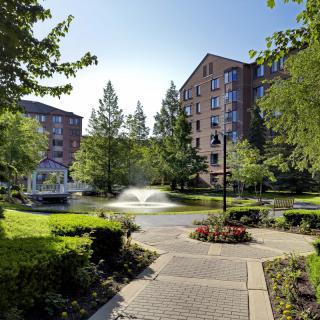
 Vibrant activities and beautiful grounds, with welcoming staff during tours.


 Comprehending Evening Confusion in Dementia: Causes, Manifestations, and Support
 Delirium and Dementia: Unraveling the Key Differences
 Are Dementia and Alzheimer's Disease Lethal? A Comprehensive Exploration