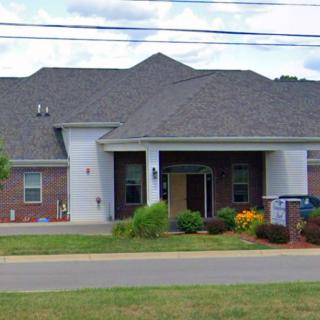
Cranberry Park of Clio Transitional Care Costs & Pricing
Cranberry Park of Clio Transitional Care offers a studio room at a monthly rate of $4,500, which is notably higher than the average costs in both Tuscola County and the broader state of Michigan. In Tuscola County, the average monthly cost for similar accommodations is approximately $3,622, while statewide figures indicate an average of around $3,824. This pricing reflects the facility's commitment to providing enhanced care services and amenities that may justify the premium rate. For families considering transitional care options, it's essential to weigh these costs against the level of individualized support and specialized care that Cranberry Park offers.
Floor plans
Cranberry Park of Clio Transitional Care
Tuscola County
Michigan
Studio
$4,500
$3,622
$3,824
Memory care communities with a similar price nearby
Overall Review of Cranberry Park of Clio Transitional Care
common22 reviews mention this
Caring, attentive staff stand out
Residents and families repeatedly describe staff as caring and attentive.
A large share of reviewers emphasize that the staff takes care of residents with patience, kindness, and respect. Several people mention feeling their loved one is safe and well cared for, including during difficult transitions. There are also compliments about day-to-day responsiveness, from quick help with needs to staff making time to sit with residents when possible.
caveat5 reviews mention this
Staffing and care concerns
Some residents and families report serious staffing and care shortfalls.
A recurring negative theme is that staffing levels are too low for the number of residents, leading to limited attention and inadequate support. Multiple reviews also describe problems tied to personal care and safety, including mentions of falls and bruising. A separate concern is lack of nurses and medication availability, and another review links cost-cutting after ownership changes to reduced quality of care.
common7 reviews mention this
Cleanliness and a feeling of safety
Reviewers frequently mention the facility looks clean.
Cleanliness comes up often, with multiple reviewers saying the community is kept clean. Some also describe comfort elements that contribute to privacy and a home-like feeling, like having a private room and bathroom. On the flip side, a few reviewers raise hygiene and care-frequency concerns, including limited showers and reports that basic grooming needs are not being met.
common4 reviews mention this
Food and meal satisfaction
Several reviewers say the meals are a strong point.
Food is mentioned positively, including praise for cooks and meals being good. Reviewers also describe meal flexibility, such as bringing food to residents who do not want cafeteria dining. Meal enjoyment is also echoed by a review that specifically calls out meals as part of the overall care experience.
common4 reviews mention this
Activities keep residents engaged
Many reviewers describe regular activities for residents.
Activities show up as a consistent positive theme, with reviewers describing arts and crafts, exercising, games, and music. One review also mentions a car show and other events as part of the activity calendar. Another reviewer ties activities to their loved one’s experience, saying the variety is helpful.
caveat3 reviews mention this
Price feels high to some families
Some families say the pricing is not worth the value.
A few reviews call out cost concerns, including language about being over priced or very expensive. One review specifically pairs the price complaint with claims of reduced care after ownership changes. This theme contrasts with other reviewers who recommend the community, but the pricing criticism still appears repeatedly enough to stand on its own.
How we summarize
Counts show how many written reviews mention each theme; a review can touch several themes, and only frequently mentioned themes are displayed.
Features
Types of Care
Assisted Living
Independent Living
Memory Care
Amenities
Activities on-site
Devotional services off-site
Indoor common areas
Transportation
Bishop (15 miles away)
Care Services
Ambulatory care
Dining
Meals provided
Activities
Activities on-site
Devotional activities offsite
Nearby Places of Interest
Located in Clio, Michigan, this area offers a variety of amenities suitable for senior living. With an array of dining options such as Billy's Pine Run Inn and The Black Horse Tavern nearby, residents can enjoy delicious meals without traveling far. Additionally, there are several places of worship including St Charles & Helena Church and Trinity Baptist Church for spiritual fulfillment. Pharmacies like Rite Aid and physicians like Dr Aftabs provide convenient access to healthcare services. For recreational activities, parks such as Flushing Township Nature Park and Riverbank Park offer opportunities for outdoor enjoyment. Overall, this area in Clio provides a peaceful and supportive environment for seniors looking to settle down.
Restaurants
Billy's Pine Run Inn (0.3 miles)
The Black Horse Tavern (1.3 miles)
Mug Shotz Bar & Grill (2.3 miles)
Arby's (2.8 miles)
Burger King (2.9 miles)
McDonald's (2.9 miles)
Taco Bell (3 miles)
Places of Worship
St Charles & Helena Church (1.1 miles)
Bethel Chapel Assembly of God (4.3 miles)
House of Prayer Missionary Baptist Church (7.2 miles)
Trinity Baptist Church (9.3 miles)
St Timothy Lutheran Church (9.7 miles)
Holy Cross Lutheran Church (9.7 miles)
Blessed Trinity Catholic Church (10.6 miles)
Pharmacies
Rite Aid (1.3 miles)
Vg's Grocery (1.5 miles)
Bordens Pharmacy (1.5 miles)
Clio Community Pharmacy (2.7 miles)
Union Prescription Center (4 miles)
Rite Aid (4.1 miles)
Rite Aid (6 miles)
Physicians
Dr Aftabs (2.2 miles)
Dr Arbogast (2.7 miles)
Perdue And Associates Eyecare (6.3 miles)
Moore Julian MD (8.7 miles)
Neurology Clinic (8.8 miles)
Patrick C Gray, DDS (9.3 miles)
Richfield Family Medicine (9.5 miles)
Hospitals
Reliant Renal Care (4.7 miles)
McLaren Health Care Corporation (10.7 miles)
Cafes
Starbucks (6.3 miles)
Asilynot Coffee (9.8 miles)
Zehnder's Snowfest (10.5 miles)
Frankenmuth Kaffee Haus (10.7 miles)
Parks
Crossroads Village & Huckleberry Railroad (6.5 miles)
Cranberry Park of Clio Transitional Care offers a studio room at a monthly rate of $4,500, which is notably higher than the average costs in both Tuscola County and the broader state of Michigan. In Tuscola County, the average monthly cost for similar accommodations is approximately $3,622, while statewide figures indicate an average of around $3,824. This pricing reflects the facility's commitment to providing enhanced care services and amenities that may justify the premium rate. For families considering transitional care options, it's essential to weigh these costs against the level of individualized support and specialized care that Cranberry Park offers.
Yes, Cranberry Park of Clio Transitional Care provides memory care services for residents with mild or advanced stages of dementia or Alzheimer's disease.
Nearby Communities
Cranberry Park of Clio Assisted Living
Clio, MI
4.1 from 43 reviews
$4,000 / month
Friendly staff in a clean, engaging setting.
Cranberry Park of Clio Memory Care
Clio, MI
3.7 from 29 reviews
$5,000 / month
High-acuity memory care with medication management and on-site activities.
Cranberry Park III
Clio, MI
3.8 from 27 reviews
24/7 supervision with specialized memory care, dementia waiver, and coordinated care, plus transportation and ample amenities.
Gross AFC #4
Clio, MI
3.5 from 13 reviews
$2,165 to $4,275 / month
Gross Assisted Living
Clio, MI
3 from 7 reviews
Friendly staff and an affordable option for milder care needs.
Bentley Manor I
Clio, MI
3.9 from 7 reviews
Memory-care focused with 24/7 supervision and comprehensive supports (medication management, meals, transportation, and mental wellness).
Majestic Care of Flushing Assisted Living
Flushing, MI
3 from 12 reviews
$2,700 to $3,100 / month
Engaging activities program led by a dedicated activities director.
Westfall Afc
Montrose, MI
4.9 from 18 reviews
Cozy residential setting with comprehensive daily care and meds management.
Cedarwood Apartments
Flushing, MI
4.5 from 2 reviews
$698 to $795 / month
Very affordable rents (1BR from $698; 2BR from $795) with on-site beautician and active social events.
Dementia encompasses a range of cognitive impairments characterized by types such as Alzheimer's and vascular dementia, and follows a seven-stage progression model known as the Global Deterioration Scale (GDS), highlighting varying symptoms and decline timelines. Early detection allows for lifestyle adjustments to potentially slow progression, while caregivers need support and resources to manage the challenges involved in caring for affected individuals.
The article presents eight strategies for preserving cognitive health and memory in older adults, emphasizing a nutrient-rich diet, regular exercise, intellectually stimulating activities, adequate sleep, social connections, stress management techniques, limiting harmful substances, and regular medical checkups to mitigate age-related memory decline.
Activities of Daily Living (ADLs) are fundamental tasks vital for an individual's independence, particularly in older adults over 85, and include functions like bathing and dressing; assessing ADLs alongside Instrumental Activities of Daily Living (IADLs) helps determine the level of required assistance due to age-related health challenges. Tailored support plans, involving family and community resources, are essential for maintaining dignity and autonomy in assisted living environments.
Get PricingAsk A QuestionSchedule A TourContact Senior Advisor
By clicking submit, you agree to our Partner's Terms of Use. You
also consent to receive calls and texts, which may be autodialed, from our Partner. Your consent is not a condition to
using our Partner's service. Please visit our Partner's Privacy Policy for information about their privacy practices.

 Assisted Living
 Independent Living
 Memory Care
 Activities on-site
 Devotional services off-site
 Indoor common areas
 Bishop (15 miles away)
 Ambulatory care
 Meals provided
 Friendly staff in a clean, engaging setting.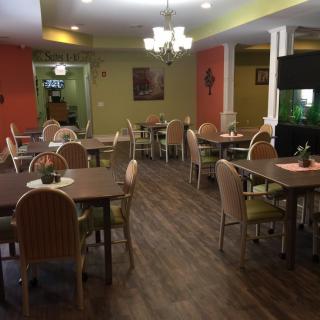


 Understanding Dementia Through Its Seven Stages: A Comprehensive Look at Progression and Expectations
 Safeguarding Your Memory Through the Golden Years: Eight Ways to Preserve Cognitive Health
 Comprehensive Insights into Activities of Daily Living (ADLs) and Their Assessment