Cranberry Park of Clio Memory Care

Save

Cranberry Park of Clio Memory Care

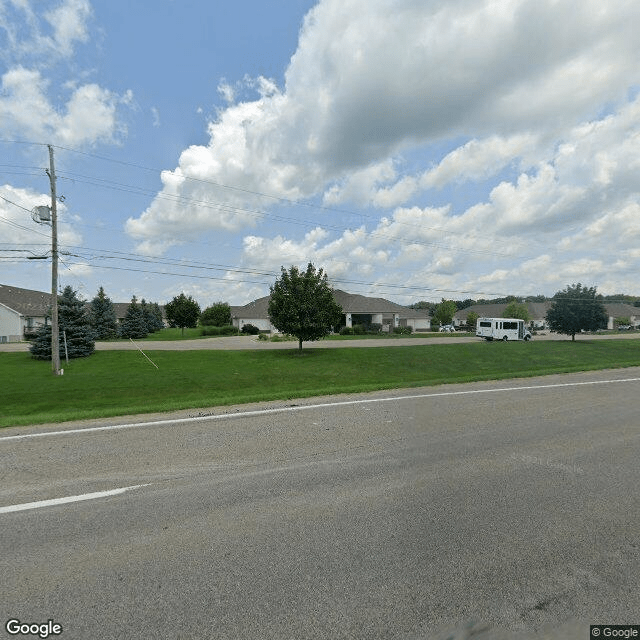
1346 W Vienna Rd, Clio, MI 48420

For more information about senior living options: (844) 490-3973

3.7 from 29 reviews
5 stars
18
4 stars
0
3 stars
2
2 stars
2
1 stars
7

Memory Care

Cranberry Park of Clio Memory Care Costs & Pricing

Cranberry Park of Clio Memory Care offers a studio room at a monthly cost of $5,000, which reflects the specialized services and care tailored for individuals with memory challenges. In comparison to the average costs in Tuscola County, which stand at approximately $3,622, and the broader state average of around $3,824 for similar accommodations, Cranberry Park positions itself at a premium price point. This difference can be attributed to the enhanced support and amenities provided at this facility, ensuring a higher quality of life and personalized attention for its residents. While it represents a significant investment, many families find that the dedicated care and enriching environment justify the additional expense.

Floor plansCranberry Park of Clio Memory CareTuscola CountyMichigan
Studio$5,000$3,622$3,824

Overall Review of Cranberry Park of Clio Memory Care

Pros

  • pro Cranberry Park is described as having a nice atmosphere with caring personnel.
  • pro The staff are nice, caring, and attentive to residents.
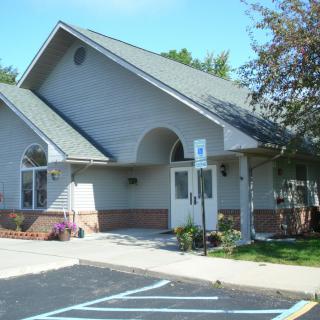
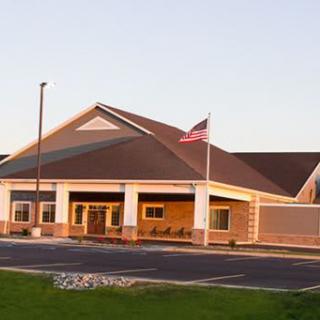
  • pro The facility is beautiful, clean, and welcoming with friendly, compassionate staff.
  • pro Each resident has their own room with a private bathroom, contributing to a home-like environment.
  • pro There are a variety of activities, including arts & crafts, exercise, games, and music, plus events like a car show.
  • pro The team is described as a family, with staff who sit with residents and provide companionship.
  • pro The facility is praised as a blessing, with responsive managers and supportive administration.
  • pro The staff are patient, kind, and respectfully care for residents, delivering top-notch care.
  • pro Amenities like a hair salon and a bird sanctuary enhance residents' quality of life.

Cons

  • pro The staff are inexperienced and not attentive to residents.
  • pro The facility is understaffed and overpriced, offering very little care.
  • pro There are frequent incidents of residents getting bruises, black eyes, stitches, and even broken noses blamed on falls rather than care.
  • pro Clothing mix-ups are common and there are times no sheets on the beds.
  • pro The food served is cheap and usually cold, and residents who can't feed themselves often don't get enough to eat.
  • pro Corporate ownership is described as caring only about money, not quality of care.
  • pro Management is criticized as uncaring and poorly organized, with staff smoking outside and neglect of residents.

Review

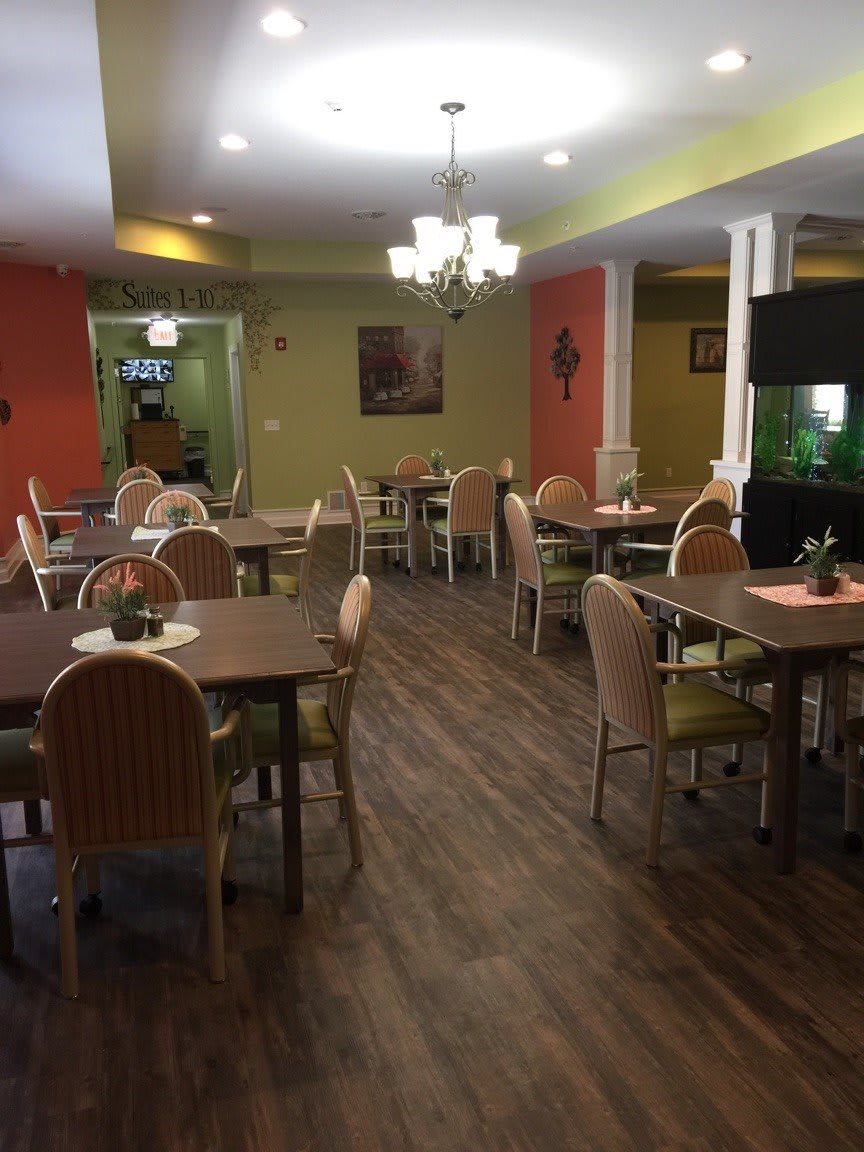
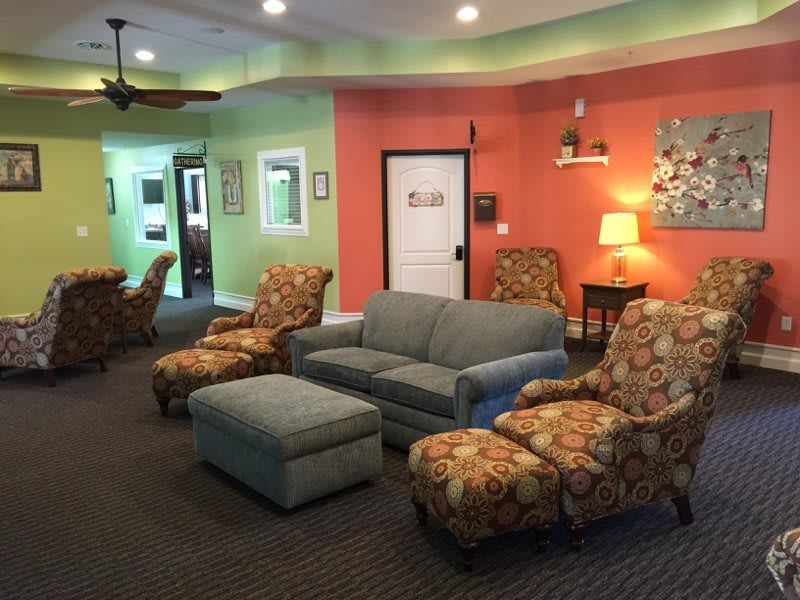
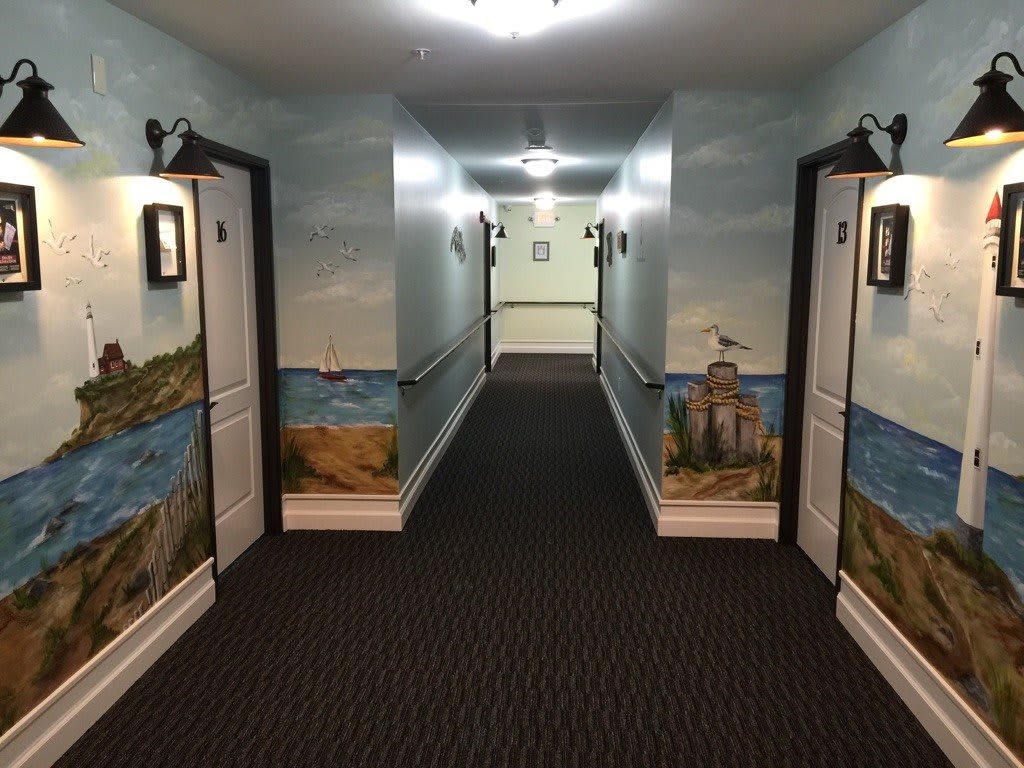
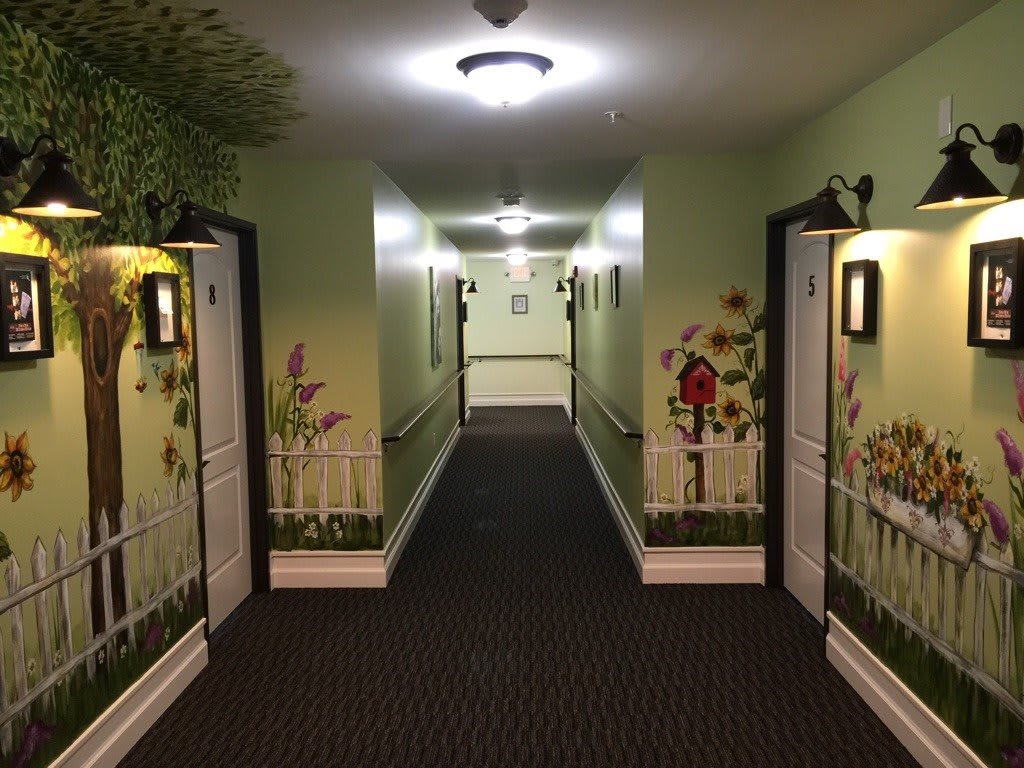
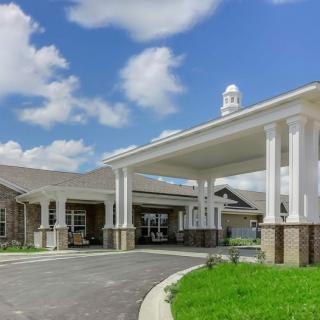
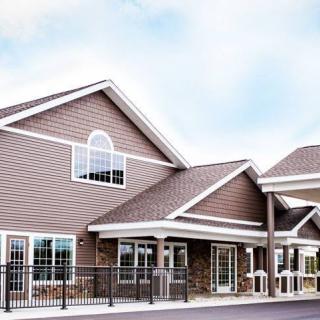
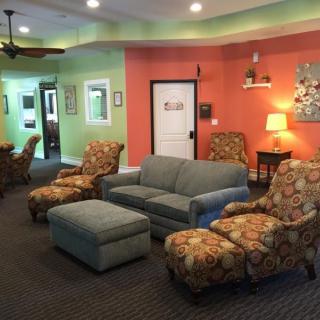
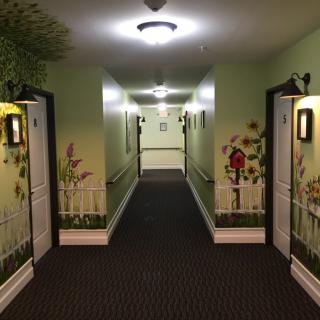
Cranberry Park of Clio Memory Care is best suited for families seeking a distinctly home-like memory-care environment where private rooms, personal bathrooms, and a warm, social atmosphere are valued. The facility often earns praise for cleanliness, familiar comforts (fireplace, courtyard, hair salon, and even unique touches like a bird sanctuary and periodic car shows), and staff who residents and families describe as caring in many encounters. For families prioritizing a village feel, daily activities, and the sense that staff know residents by name, this community can feel like a reassuring, intimate place to transition a loved one from home life into ongoing routine.

But there are clear reasons some families should consider alternatives. This is not a one-note verdict; experiences diverge sharply when it comes to staffing and daily care. A substantial portion of reviews allege chronic under-staffing and inconsistent care, including missed personal care, limited assistance with meals, and insufficient monitoring that sometimes culminates in injuries. Some families report a perception that the facility prioritizes cost containment over hands-on care, and a few accounts point to organizational and leadership gaps that leave families uncertain about accountability and safety. For residents who require robust, nurse-driven medical oversight or a highly predictable staffing pattern, these concerns warrant serious scrutiny.

The strongest positives - an inviting atmosphere, rooms that feel private and homelike, regular activities, and staff who are described as compassionate and attentive by many, not all - do offset the downsides only when staffing is reliably adequate and management remains engaged. Where caregivers are present, responsive, and consistent, residents can thrive socially, enjoy personal space, and experience meaningful daily routines. In these instances, the community's amenities and the sense of belonging can deliver real quality of life benefits that offset budget considerations. When care is timely and respectful, families often report a meaningful, quasi-homelike cadence that can make this option compelling.

Yet the main concerns repeatedly surface as structural risks: persistent understaffing, limited nursing presence, and incidents that raise questions about safety. Reports describe situations where meals are not adequately provided or modified for residents who cannot feed themselves, where clothes and personal items are mislaid, and where the lack of consistent oversight leads to bruises or injuries that seem preventable. Several families question management priorities, with some noting a shift in tone or service after ownership changes. The reality is that the severity of these concerns hinges on daily staffing levels and leadership stability - variables that prospective residents should verify in person before making a commitment.

Decision-makers should insist on a thorough, firsthand assessment during a visit. Ask for the current nurse-to-resident ratio, the typical shift structure, and who supervises care on weekends. Request a transparent review of incident logs, feeding assistance procedures, and how hygiene and dressing routines are documented. Inquire about the memory-care program specifics: cognitive-stimulation activities, safety protocols for wandering, and the degree of individualized care plans. If possible, speak with multiple residents and families about recent experiences, and scrutinize the premises for evidence of cleanliness, bed linens, and the quality of meals. Also weigh price against demonstrated staffing reliability and the consistency of care over time, especially in light of mixed ownership-era feedback.

Ultimately, Cranberry Park of Clio Memory Care can be a solid choice for families who prioritize a homey, engaging setting and can verify dependable staffing and proactive leadership. It is less suitable for those whose priority is unwavering clinical oversight, a guaranteed high nurse-to-resident ratio, or budget-conscious transparency without compromise on care quality. The decision should rest on whether the resident's needs align with a community that shines in warmth and social vitality but requires diligent due diligence to ensure daily care matches expectations. If the visit reinforces strong staffing consistency and responsive leadership, this facility earns serious consideration; if concerns about safety, turnover, or care gaps persist, exploring alternatives is prudent.

Features

Types of Care

  • Memory Care Memory CareMemory care is crucial for seniors as it provides specialized support and services for individuals with dementia or Alzheimer's disease. These programs offer a safe and secure environment where residents receive personalized care, cognitive stimulation, and help with daily activities. Memory care helps seniors maintain their independence, quality of life, and dignity while also providing peace of mind for their families.

Pets

  • Cats allowed Cats allowed"Pet friendly" senior living communities are important for seniors because pets provide companionship, reduce feelings of loneliness and depression, promote physical activity and mental stimulation, and offer a sense of purpose and responsibility. Pets can improve overall well-being and quality of life for seniors in many ways.
  • Dogs allowed Dogs allowed"Pet friendly" senior living communities are important for seniors because pets provide companionship, reduce feelings of loneliness and depression, promote physical activity and mental stimulation, and offer a sense of purpose and responsibility. Pets can improve overall well-being and quality of life for seniors in many ways.

Amenities

  • Activities off-site Activities off-siteEngaging in off-site activities is crucial for seniors to maintain social connections, stay active, and stimulate their minds. It promotes overall well-being and helps combat feelings of isolation and loneliness.
  • Activities on-site Activities on-siteActivities on-site are important for seniors because they provide opportunities for socialization, mental stimulation, physical activity, and overall well-being. Engaging in activities can help seniors stay active, maintain their independence, and improve their quality of life.
  • Air-conditioning Air-conditioningAir conditioning is important for seniors as they are more vulnerable to heat-related illnesses and may have underlying health conditions that make it difficult for them to regulate their body temperature. It helps to keep them comfortable, safe, and healthy in hot weather.
  • Beautician on-site Beautician on-siteHaving a beautician on-site at a senior living community is important for seniors as it allows them to easily access grooming and personal care services, boosting their self-esteem and overall well-being. It also provides convenience and helps seniors maintain their sense of independence and personal style.
  • Cable or satellite TV Cable or satellite TVCable or satellite TV is important for seniors because it provides entertainment, news, and companionship, helping to combat loneliness and boredom. It also offers a wide range of programming options tailored to different interests and preferences.
  • Devotional services on-site Devotional services on-siteDevotional services on-site provide seniors with spiritual support and a sense of community, as well as an opportunity for reflection and guidance during their senior living experience. This can promote emotional well-being and connection to others, leading to a more fulfilling and enriching lifestyle in their later years.
  • Ground floor units Ground floor unitsGround floor units are important for seniors because they provide easy accessibility, reduced risk of falls and injuries, and convenience for those with mobility issues. Seniors can avoid climbing stairs or using elevators, making daily tasks and activities more manageable and enjoyable.
  • Handicap accessible Handicap accessible"Handicap accessible" amenities are crucial for seniors to ensure they can easily navigate and access facilities, services, and activities without barriers or limitations due to physical impairments. This promotes independence, safety, and inclusivity for seniors in senior living communities.
  • Indoor common areas Indoor common areasIndoor common areas are crucial for seniors as they provide a space for socialization, recreation, and community engagement, promoting overall well-being and reducing feelings of isolation and loneliness.
  • Outdoor common areas Outdoor common areasOutdoor common areas are important for seniors as they provide a space for socialization, physical activity, and relaxation. Being outside in nature can improve mood and overall well-being, while also encouraging movement and engagement with others. These spaces can help combat feelings of isolation and promote a sense of community among residents.
  • Respite or short term stays offered Respite or short term stays offeredRespite or short term stays provide seniors with a temporary solution when their regular caregiver is unavailable, offering them the opportunity to receive additional care and support during times of need, while also giving caregivers a chance to rest and recharge.
  • Wheelchair accessible showers Wheelchair accessible showersWheelchair accessible showers are crucial for seniors as they provide a safe and independent bathing option for those with mobility challenges. These showers help prevent falls and allow seniors to maintain their dignity and autonomy while ensuring they can bathe comfortably.
  • Wi-Fi/high-speed internet available Wi-Fi/high-speed internet availableWi-Fi/high-speed internet is important for seniors to stay connected with loved ones, access online resources, and participate in virtual activities to combat feelings of loneliness and isolation. It also allows them to easily manage healthcare needs, access entertainment, and engage in lifelong learning opportunities.

Transportation

  • Bishop (15 miles away) Bishop (15 miles away)

Care Services

  • Diabetic care Diabetic careDiabetic care is crucial for seniors as they are more susceptible to developing diabetes due to aging and other health conditions. Proper management of diabetes can help prevent complications such as heart disease, vision loss, and nerve damage, improving the overall quality of life for seniors in senior living communities.
  • High acuity care High acuity careHigh acuity care is important for seniors because it provides specialized medical attention and support for individuals with complex medical needs. This level of care ensures that seniors receive the appropriate treatment and assistance to maintain their health and quality of life as they age.
  • Medication management Medication managementMedication management is crucial for seniors to ensure they are taking the right medications at the correct dosages and times. This helps prevent adverse drug interactions, reduces the risk of medication errors, and promotes overall health and well-being. Proactive management also allows for adjustments as needed based on changing health conditions or new prescriptions.

Dining

  • Anytime dining Anytime diningAnytime dining is important for seniors because it allows them the flexibility to eat when they are hungry, rather than being restricted to set meal times. This can be especially beneficial for those with medical conditions or medications that affect their appetite, as well as those who may have difficulty adhering to a strict dining schedule. Overall, anytime dining promotes independence and overall well-being for seniors in senior living communities.
  • Gluten-free Gluten-freeGluten-free options are important for seniors as they are more prone to digestive issues and dietary sensitivities. Offering gluten-free meal choices in senior living communities can help improve their overall health and well-being.
  • Guest meals Guest mealsGuest meals are important for seniors living in senior living communities because they provide an opportunity for socialization and companionship. Sharing a meal with friends, family, or new acquaintances can help combat feelings of loneliness and isolation, promote a sense of community, and enhance overall well-being. Additionally, guest meals allow seniors to enjoy delicious food in a comfortable setting without the hassle of cooking or cleaning up, making dining a pleasurable and stress-free experience.
  • Kosher KosherKosher options are important for seniors because they adhere to dietary laws that are significant to many Jewish individuals, providing them with peace of mind and an opportunity to maintain their cultural traditions and beliefs while living in a senior living community.
  • Low / no sodium Low / no sodiumLow/no sodium options are important for seniors because excessive sodium intake can lead to high blood pressure, heart disease, and other health issues commonly experienced by older adults. By choosing low/no sodium foods, seniors can better manage their health and reduce their risk of developing these conditions.
  • Meals provided Meals provided"Meals provided" are crucial for seniors in assisted living communities as it ensures they have access to nutritious, balanced meals without the stress of meal planning and preparation. This can help promote overall health and well-being for seniors who may have limited mobility or cognitive abilities.
  • No Sugar No SugarNo sugar diets are important for seniors because they can help prevent or manage chronic conditions such as diabetes, heart disease, and obesity. Sugar can also contribute to cognitive decline and inflammation in the body, so reducing sugar intake can lead to overall improved health and well-being in older adults.
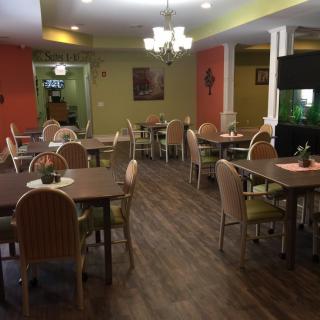
  • Restaurant style dining Restaurant style diningRestaurant style dining is important for seniors as it offers them a social and enjoyable dining experience, promotes healthy eating habits, and provides personalized menu options to cater to their dietary needs and preferences. This type of dining setting can enhance their overall quality of life and create a sense of community within the senior living facility.
  • Room service Room serviceRoom service is important for seniors in a senior living community because it provides convenience and allows them to have their meals delivered directly to their room. This can be especially beneficial for seniors who may have mobility issues or difficulty accessing the dining area. Room service ensures that seniors are able to receive nutritious meals without having to navigate through the facility, allowing them to maintain their independence and overall well-being.
  • Special dining programs Special dining programsSpecial dining programs are important for seniors because they provide nutritious meals tailored to their dietary needs and preferences. These programs also offer socialization opportunities, promote overall health and well-being, and can help prevent malnutrition.
  • Vegan VeganVegan diets can provide numerous health benefits for seniors, including lower risk of chronic diseases, improved digestion, and increased energy levels. Additionally, plant-based diets are often rich in essential nutrients that can support overall well-being and longevity in older adults.
  • Vegetarian VegetarianA vegetarian diet is important for seniors because it can help lower the risk of chronic diseases, maintain a healthy weight, and provide essential nutrients needed for aging bodies. Additionally, plant-based diets are often easier on digestive systems and can contribute to overall well-being in older adults.

Activities

  • Art classes Art classesArt classes are important for seniors because they provide a creative outlet, improve cognitive function, reduce stress and anxiety, promote socialization, and enhance overall well-being and quality of life.
  • Cooking classes Cooking classesCooking classes are important for seniors as they provide opportunities for social interaction, enhance cognitive skills, promote healthy eating habits, and boost confidence in the kitchen.
  • Day trips and outings Day trips and outingsDay trips and outings are important for seniors as they provide opportunities for socialization, mental stimulation, physical activity, and a break from daily routines. These experiences can enhance overall well-being and quality of life for older adults living in senior communities.
  • Devotional activities on-site Devotional activities on-siteDevotional activities on-site provide seniors with a sense of community, spiritual fulfillment, and emotional support, promoting overall well-being and a positive sense of purpose in their lives.
  • Educational speakers / life long learning Educational speakers / life long learningEducational speakers and lifelong learning opportunities are crucial for seniors as they provide mental stimulation, promote social engagement, and contribute to overall well-being. Continuous learning helps seniors stay mentally sharp, build new skills, and maintain a sense of purpose and fulfillment in their lives. It also allows them to stay connected to the world around them and fosters a sense of community within senior living facilities.
  • Forever fit Forever fit"Forever fit" programs are crucial for seniors as they promote physical activity, social engagement, and overall well-being. These programs help seniors maintain their independence, improve their strength and flexibility, and reduce the risk of chronic diseases. By participating in these activities, seniors can enjoy a higher quality of life and live independently for longer.
  • Happy hour Happy hourHappy hour is important for seniors as it provides a social activity that promotes camaraderie and reduces feelings of loneliness or isolation. It also offers an opportunity for older adults to relax, unwind, and enjoy some drinks or snacks in a fun and welcoming atmosphere.
  • Karaoke KaraokeKaraoke provides seniors with a fun and social activity that can boost mood, confidence, and cognitive function. It encourages social interaction, physical movement, and creative expression, making it an important form of entertainment for senior living communities.
  • Live dance or theater performances Live dance or theater performancesLive dance or theater performances are important for seniors because they provide opportunities for socialization, mental stimulation, and emotional engagement. These performances can help combat feelings of isolation and loneliness, while also offering a sense of connection to the arts and culture. Additionally, watching live performances can bring joy and create lasting memories for seniors in their later years.
  • Live musical performances Live musical performancesLive musical performances can provide seniors with a sense of joy, nostalgia, and connection. Music has the power to evoke emotions and memories, improve mood and cognitive function, and foster social interaction among seniors. It can also serve as a form of therapy and stress relief for older adults, making it an important activity to include in senior living communities.
  • Live well programs Live well programs"Live well programs are essential for seniors as they provide opportunities for physical activity, social engagement, and mental stimulation, ultimately promoting overall health and well-being in later years."
  • Stretching classes Stretching classesStretching classes are important for seniors because they help improve flexibility, reduce the risk of injury, and promote overall health and well-being. Regular stretching can also help alleviate joint pain and stiffness, enhance balance and coordination, and increase range of motion.
  • Wine tasting Wine tastingWine tasting can be a fun and social activity for seniors, allowing them to engage their senses, learn about different varieties of wine, and potentially meet new friends. It also offers health benefits such as improved cognitive function and reduced risk of heart disease when consumed in moderation.

Description

Cranberry Park of Clio Memory Care in Clio, MI is a vibrant and welcoming assisted living community that is dedicated to providing comprehensive care and support for seniors with memory loss. Our community offers a wide range of amenities to enhance the quality of life for our residents.

Our residents can enjoy a variety of engaging activities right on-site, fostering social interaction and personal growth. They can also take advantage of our air-conditioned indoor common areas or relax in the tranquil outdoor spaces. We offer respite or short term stays for those who may need temporary care.

At Cranberry Park, we prioritize accessibility and convenience, with ground floor units and wheelchair accessible showers available. Wi-Fi/high-speed internet is provided throughout the community to keep our residents connected to their loved ones.

Our highly trained staff provides high acuity care to meet the specific needs of each resident. Medication management services are also offered to ensure medication adherence and overall wellness.

Dining at Cranberry Park is an enjoyable experience, as we provide a variety of dietary options including gluten-free, kosher, low/no sodium, no sugar, vegan, and vegetarian meals. Our restaurant-style dining allows residents to savor delicious and nutritious meals prepared by our skilled chefs. Room service is available for added convenience.

We believe in promoting an active lifestyle for our residents, which is why we offer a wide range of activities such as cooking classes, day trips and outings, educational speakers/life long learning sessions, fitness programs like Forever Fit and stretching classes. We also provide entertaining events like happy hour, karaoke nights, live dance or theater performances, live musical performances, and wine tasting.

Cranberry Park is conveniently located near several pharmacies, physicians' offices, restaurants, places of worship, and hospitals. This ensures easy access to essential services for our residents.

Overall, Cranberry Park of Clio Memory Care aims to create a warm and supportive environment where seniors can thrive and enjoy a fulfilling retirement experience.

Nearby Places of Interest

Located in Clio, Michigan, this area offers a variety of amenities and services that cater to senior living. There are several restaurants nearby such as Billy's Pine Run Inn and The Black Horse Tavern for dining options. Additionally, there are pharmacies like Rite Aid and Vg's Grocery within close proximity for easy access to medication and healthcare supplies. For medical care, physicians like Dr Aftabs and Moore Julian MD are located nearby. Hospitals such as Reliant Renal Care and McLaren Health Care Corporation are within a reasonable distance for any emergency medical needs. In terms of recreation, the area boasts parks like Flushing Township Nature Park and Riverbank Park for outdoor activities. Cafes like Starbucks provide a cozy spot for socializing with friends or family. Overall, this part of Clio offers a convenient and comfortable environment for seniors looking to live in a peaceful community with access to essential services.

Restaurants

  • Billy's Pine Run Inn (0.3 miles)
  • The Black Horse Tavern (1.3 miles)
  • Mug Shotz Bar & Grill (2.2 miles)
  • Arby's (2.7 miles)
  • Burger King (2.9 miles)
  • McDonald's (2.9 miles)
  • Taco Bell (3 miles)

Places of Worship

  • St Charles & Helena Church (1.1 miles)
  • Bethel Chapel Assembly of God (4.2 miles)
  • House of Prayer Missionary Baptist Church (7.2 miles)
  • Trinity Baptist Church (9.3 miles)
  • St Timothy Lutheran Church (9.7 miles)
  • Holy Cross Lutheran Church (9.7 miles)
  • Blessed Trinity Catholic Church (10.6 miles)

Pharmacies

  • Rite Aid (1.3 miles)
  • Vg's Grocery (1.5 miles)
  • Bordens Pharmacy (1.5 miles)
  • Clio Community Pharmacy (2.7 miles)
  • Union Prescription Center (4.1 miles)
  • Rite Aid (4.1 miles)
  • Rite Aid (6 miles)

Physicians

  • Dr Aftabs (2.3 miles)
  • Dr Arbogast (2.7 miles)
  • Perdue And Associates Eyecare (6.3 miles)
  • Moore Julian MD (8.7 miles)
  • Neurology Clinic (8.8 miles)
  • Patrick C Gray, DDS (9.3 miles)
  • Richfield Family Medicine (9.6 miles)

Hospitals

  • Reliant Renal Care (4.7 miles)
  • McLaren Health Care Corporation (10.7 miles)

Cafes

  • Starbucks (6.2 miles)
  • Asilynot Coffee (9.8 miles)
  • Zehnder's Snowfest (10.4 miles)
  • Frankenmuth Kaffee Haus (10.6 miles)

Parks

  • Crossroads Village & Huckleberry Railroad (6.5 miles)
  • Carousel (6.7 miles)
  • Flushing Township Nature Park (8.3 miles)
  • Riverbank Park (8.5 miles)
  • Stepping Stone Falls (8.5 miles)
  • Bavarian Inn Lodge Family Fun Center (10.4 miles)
  • Flushing County Park (10.5 miles)

Frequently Asked Questions

How much does it cost to live at Cranberry Park of Clio Memory Care in Clio, MI?
Where is Cranberry Park of Clio Memory Care?
Does Cranberry Park of Clio Memory Care provide care for residents with dementia or Alzheimer's disease?
Does Cranberry Park of Clio Memory Care allow residents to have pets?
What photos are available for Cranberry Park of Clio Memory Care in Clio, Michigan?

Nearby Communities

  • Cranberry Park of Clio Assisted Living

    Cranberry Park of Clio Assisted Living

    Clio, MI

    4.1 from 43 reviews
    $4,000 / month

    pro Friendly staff in a clean, engaging setting.

  • Cranberry Park of Clio Transitional Care

    Cranberry Park of Clio Transitional Care

    Clio, MI

    3.9 from 32 reviews
    $4,500 / month

    pro Genuine, caring staff in a welcoming, home-like environment with good meals and engaging activities.

  • Cranberry Park III

    Cranberry Park III

    Clio, MI

    3.8 from 27 reviews
     

    pro 24/7 supervision with specialized memory care, dementia waiver, and coordinated care, plus transportation and ample amenities.

  • Gross AFC #4

    Gross AFC #4

    Clio, MI

    3.3 from 12 reviews
    $2,165 to $4,275 / month

  • Gross Assisted Living

    Gross Assisted Living

    Clio, MI

    3 from 7 reviews
     

    pro Friendly staff and an affordable option for milder care needs.

  • Bentley Manor I

    Bentley Manor I

    Clio, MI


    pro Memory-care focused with 24/7 supervision and comprehensive supports (medication management, meals, transportation, and mental wellness).

  • Westfall Afc

    Westfall Afc

    Montrose, MI

    4.9 from 17 reviews
     

    pro Cozy residential setting with comprehensive daily care and meds management.

  • Majestic Care of Flushing Assisted Living

    Majestic Care of Flushing Assisted Living

    Flushing, MI

    3 from 12 reviews
    $2,700 to $3,100 / month

    pro Engaging activities program led by a dedicated activities director.

  • Cedarwood Apartments

    Cedarwood Apartments

    Flushing, MI

     
    $698 to $795 / month

    pro Very affordable rents (1BR from $698; 2BR from $795) with on-site beautician and active social events.

Related Resources

  • delirium vs dementiaDelirium and Dementia: Unraveling the Key Differences

    Delirium is a rapidly onset, reversible cognitive disturbance often caused by acute medical issues, while dementia is a gradual and irreversible decline due to chronic neurodegenerative diseases. Accurate differentiation between the two is essential for appropriate treatment and management in older adults.

  • can you die from dementiaAre Dementia and Alzheimer's Disease Lethal? A Comprehensive Exploration

    Dementia, including Alzheimer’s disease, is often mischaracterized in terms of lethality as it leads to complications that can be fatal rather than being a direct cause of death; it causes a progressive decline in cognitive and physical health, making patients vulnerable to infections and other health crises. Effective management of nutrition, hydration, and communication is crucial in patient care, with palliative care becoming vital in advanced stages to enhance comfort and quality of life while caregivers play a key role amidst the challenges posed by the disease.

  • reminiscence therapyExploring the Power of Reminiscence Therapy for Individuals With Dementia
    Reminiscence therapy helps individuals with dementia recall past memories through structured discussions and meaningful objects, enhancing mood, relationships, and sense of identity while celebrating their lives. It can be practiced in formal settings or at home, requiring sensitivity to personal histories and cultural backgrounds.