The Pines Of Clarkston Memory Care Costs & Pricing
The Pines of Clarkston Memory Care offers a range of monthly costs that reflect the specialized care and accommodations provided to its residents. For studio apartments, prices range from $3,385 to $5,200, which is competitive when compared to the average cost in Oakland County at $4,577 and Michigan's average of $3,824. One-bedroom options are priced between $4,465 and $5,200; again, this exceeds the county's average of $3,507 and state's average of $3,384. Two-bedroom accommodations are offered at a flat rate of $4,500, significantly higher than both local ($3,881) and state averages ($3,523). Finally, semi-private rooms are available for $5,200 - a substantial mark-up over Oakland County's typical cost of $3,204 and Michigan's average of $3,191. Overall, while The Pines commands higher rates than local and state averages in many categories, these costs likely reflect the premium level of care and community amenities that residents can expect.
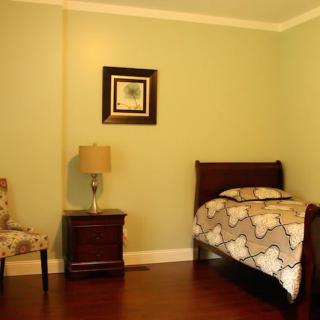
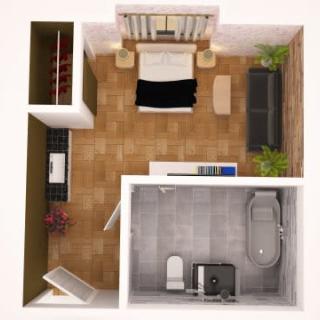
Floor plans
The Pines Of Clarkston Memory Care
Oakland County
Michigan
Studio
$3,385 to $5,200
$4,577
$3,824
1 Bedroom
$4,465 to $5,200
$3,507
$3,384
2 Bedrooms
$4,500
$3,881
$3,523
Semi-Private
$5,200
$3,204
$3,189
Memory care communities with a similar price nearby
Overall Review of The Pines Of Clarkston Memory Care
common39 reviews mention this
Caring, responsive staff stand out
Residents and families repeatedly describe the staff as kind, attentive, and responsive to needs.
Across many reviews, families describe staff members who treat residents with patience, respect, and genuine care. Multiple reviewers also mention regular communication and responsiveness when concerns come up, including help with adjustments after moving in and support during short-term care. A few critical reviews raise concerns about management or staffing competence, but the overall feedback is that staff are involved and professional day to day.
common10 reviews mention this
Meals are a frequent bright spot
Meals are consistently described as delicious and well cared for.
Food shows up often in the reviews, with residents and families praising the taste and the way meals are served. Several reviewers mention residents enjoying the meals and highlight the dining experience as a major part of daily comfort. The community also offers restaurant-style dining and room service, which matches the recurring focus on meal satisfaction. Some reviews criticize cleanliness and facility conditions, but they do not typically blame dining itself.
common10 reviews mention this
Activities keep residents engaged
Residents are regularly kept busy with scheduled activities and programs.
Many reviews describe a steady stream of activities, including arts and crafts, game or movie nights, and other scheduled programming. Families also mention that their loved ones enjoy being involved, forming friends, and having reasons to look forward to each day. The community’s activity approach aligns with what residents describe, including on-site activities and pet-focused programs. Even in mixed feedback, families frequently return to the presence of engagement during visits and day-to-day routines.
common9 reviews mention this
Cleanliness and upkeep vary by review
Some reviews emphasize a clean, well-maintained environment while a few report serious cleanliness problems.
Several families describe the facility as clean, comfortable, and well maintained, including daily room cleaning and an overall home-like atmosphere. Other reviewers report major cleanliness and maintenance issues such as flies, dirty conditions, plumbing problems, and ceiling leaks. Those negative comments also extend to concerns about management and building safety, which contrasts sharply with the many accounts focused on cleanliness and comfort. Overall, cleanliness is a theme with both strong praise and important outliers.
caveat4 reviews mention this
Serious facility and staffing concerns reported
A minority of reviews describe major concerns with conditions and staffing.
A few reviews report serious problems including pests, sewage or plumbing backups, and dirty conditions, along with concerns about leaks and overall building condition. Another recurring concern is staffing competence and consistent care, including claims that residents were left without adequate help for stretches of time. These criticisms are not described in most reviews, but they are specific and high-stakes, so they stand out when you read across the full set. If you’re considering a move, these outlier accounts may be worth addressing directly during a tour and follow-up questions.
How we summarize
Counts show how many written reviews mention each theme; a review can touch several themes, and only frequently mentioned themes are displayed.
The Pines of Clarkston Memory Care offers a range of monthly costs that reflect the specialized care and accommodations provided to its residents. For studio apartments, prices range from $3,385 to $5,200, which is competitive when compared to the average cost in Oakland County at $4,577 and Michigan's average of $3,824. One-bedroom options are priced between $4,465 and $5,200; again, this exceeds the county's average of $3,507 and state's average of $3,384. Two-bedroom accommodations are offered at a flat rate of $4,500, significantly higher than both local ($3,881) and state averages ($3,523). Finally, semi-private rooms are available for $5,200 - a substantial mark-up over Oakland County's typical cost of $3,204 and Michigan's average of $3,191. Overall, while The Pines commands higher rates than local and state averages in many categories, these costs likely reflect the premium level of care and community amenities that residents can expect.
The Pines of Clarkston Memory Care offers a comprehensive array of features designed to support residents with dementia or Alzheimer's disease, enhancing their quality of life and promoting their well-being. With 24-hour supervision, residents receive constant care and safety, ensuring immediate assistance in case of emergencies. Activities of daily living assistance, including bathing and dressing support, fosters independence while addressing the challenges posed by cognitive decline. The facility's coordination with healthcare providers guarantees that medical needs are promptly met, while incontinence care ensures comfort and dignity. Meal preparation and service cater to nutritional requirements essential for health maintenance, complemented by medication management that helps residents adhere to necessary prescriptions. Engaging mental wellness programs stimulate cognitive function and emotional resilience, while transportation arrangements for medical visits ensure that residents maintain access to essential healthcare services without any added stress. Together, these features create a nurturing environment tailored specifically for individuals navigating the complexities of memory loss.
Nearby Communities
The Pines of Clarkston Assisted Living and Memory Care
Clarkston, MI
4.4 from 42 reviews
$4,200 to $8,200 / month
Intimate, well-staffed setting with personalized care and engaging activities.
Addington Place of Clarkston
Clarkston, MI
4.4 from 147 reviews
$4,180 to $5,495 / month
Caring staff and a clean, engaging environment with ample on-site activities.
Autumn Ridge Of Clarkston 1
Clarkston, MI
4.2 from 51 reviews
Small, intimate setting with 24/7 supervision, memory-care options, and engaging activities.
Clarkston Comfort Care Assisted Living and Memory Care
Clarkston, MI
4.5 from 53 reviews
Modern, secure community with spacious rooms, friendly staff, and strong memory-care programming.
Foster
Clarkston, MI
Fully furnished apartments with comprehensive care, dining, housekeeping, and daily activities
Sunshine Acres Adult Foster Care Home
Clarkston, MI
5 from 33 reviews
Personalized, 24/7 supervision with ADL support in a cozy, fully furnished setting with meals and dietary accommodations.
Caremore of Waterford Assisted Living - Drake Wood Manor
The article presents five subtle indicators of dementia, such as memory lapses and mood swings, to help families assess cognitive decline in loved ones. It emphasizes early detection, open communication, and seeking professional help while providing practical support steps.
Dementia encompasses progressive neurological disorders that impair cognitive functions and can lead to paranoia due to cognitive decline and emotional changes. The article discusses the triggers of paranoia in dementia, caregiver strategies for managing it, and the importance of distinguishing between dementia-related paranoia and other psychiatric conditions.
Memory care activities are essential for improving the quality of life of seniors with cognitive impairments, as they stimulate cognitive function, promote well-being, and encourage social interaction through tailored strategies. These activities combine structured exercises with spontaneous tasks, sensory engagement, physical workouts, creative pursuits, and intergenerational interactions to enhance emotional connection and a sense of purpose.
Get PricingAsk A QuestionSchedule A TourContact Senior Advisor
By clicking submit, you agree to our Partner's Terms of Use. You
also consent to receive calls and texts, which may be autodialed, from our Partner. Your consent is not a condition to
using our Partner's service. Please visit our Partner's Privacy Policy for information about their privacy practices.

 20 resident community capacity
 Assisted Living
 Memory Care
 Activities on-site
 Air-conditioning
 Beautician on-site
 Cable or satellite TV
 Devotional services on-site
 Dining room
 Fully furnished
 Garden
 Ground floor units
 Housekeeping services
 Indoor common areas
 Kitchenette
 Move-in coordination
 Outdoor common areas
 Respite or short term stays offered
 Telephone
 Wheelchair accessible showers
 Wi-Fi/high-speed internet available
 Bishop (22 miles away)
 24-hour call system
 Ambulatory care
 Assistance with bathing
 Assistance with dressing
 Assistance with transfers
 Diabetes diet
 Diabetic care
 Incontinence care
 Meal preparation and service
 Medication management
 Mental wellness program
 Special dietary restrictions
 Transportation arrangement (medical)
 Transportation to doctors appointments
 Art classes
 BBQs or picnics
 Birthday parties
 Live dance or theater performances
 Live musical performances
 Pet-focused programs
 Stretching classes
 Trivia games
 Visiting chaplain or priest
 Intimate, well-staffed setting with personalized care and engaging activities.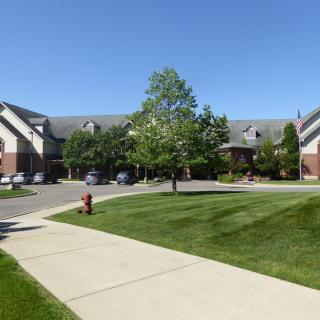


 Five Subtle Dementia Indicators to Observe: An In-Depth Guide to Understanding “Does My Mom Have Dementia?”
 Dementia, Paranoia, and Caregiver Guidance: Understanding the Connection
 Engaging Memory Care Activities That Enhance Quality of Life