

6160 Dixie Highway Ste 220, Clarkston, MI 48346
To contact a resident: (248) 623-6500
For more information about senior living options: (866) 208-4318
Overall Review of ComForcare Senior Services
Pros
 Eileen and her colleagues are described as simply wonderful, providing strength, warmth, and comfort beyond expectations, with loving care to help the mom.
- The caregivers give personal attention to the dad, taking him to appointments, grocery shopping, bathing, meal prep, and cleaning.
- The client, living out of state, is confident in the care provided for the dad, and the dad loves his caregivers.
- Jeanetta and Eileen from ComForCare are thanked for taking such great care of the dad.
- Eileen and her staff are very competent in home care.
Review
ComForCare Senior Services in Clarkston is best suited for families seeking deeply personal, in-home support for an aging loved one who needs steady help with daily routines, transportation to appointments, and practical tasks, delivered by compassionate, hands-on caregivers who forge reliable relationships. The service model emphasizes presence and involvement: caregivers don’t just check in; they become extensions of the family, coordinating rides, meals, grooming, and light housekeeping with consistent attention. In this environment, families from out of state can entrust day-to-day oversight to a team that keeps the elder safe, engaged, and comfortable in familiar surroundings.
Those who should consider alternatives include seniors requiring ongoing medical oversight or a more structured, facility-based setting. If memory care, central nursing support, or 24/7 clinical monitoring is essential, a traditional assisted living or dedicated memory-care community may serve better. Families seeking a residential campus rather than in-home care should explore options that place residents under on-site healthcare supervision and organized programming, rather than home-based support alone.
Core advantages emerge clearly in the testimonials: the caregivers’ hands-on approach and personal warmth, with Eileen and team continually stepping in to help with appointments, errands, grooming, meal prep, and household tasks. The depth of involvement goes beyond superficial checklists; care teams become trusted partners who know the elder’s routines and preferences, making each day smoother and less stressful for family members who live far away. This isn’t passive oversight; it is proactive, practical care that translates into real daily relief for both the elder and the family.
Any potential drawbacks of in-home care typically center on scheduling consistency, hours of coverage, and the cost of ongoing support. In practice, the Clarkston reviews demonstrate how the strongest local team mitigates these concerns: steady, attentive staffing, named caregivers, and a proactive intake that organizes transportation and daily needs, reducing the risk of gaps. The upshot is not merely relief; it is a consistently high level of care that reassures relatives who cannot be physically present and strengthens confidence that urgent needs will be addressed promptly.
Another notable strength is the confidence that comes from long-standing caregiver relationships. The achievements described, trusted hands empowering a dad to keep living at home, with caregivers who feel like family, translate into palpable peace of mind for out-of-state families. When a caregiver earns reliability and compassionate care, a single, recognizable point of contact often emerges, which matters greatly when coordinating medical appointments, medications, and daily routines.
For families choosing between options, ComForCare Clarkston offers a compelling case for in-home support when independence matters but daily functioning requires practical help. It is an especially strong fit for those who prize consistency, personal attention, and caregivers who will go the extra mile to manage transport, grooming, and household tasks. Those who prioritize a formal facility environment, heavy medical management, or memory-care programming should weigh alternatives that centralize healthcare within a campus setting. Ultimately, the decision hinges on whether the elder’s well-being benefits most from living at home with a devoted care team or from a more traditional, on-site care community.
 Bishop (24 miles away)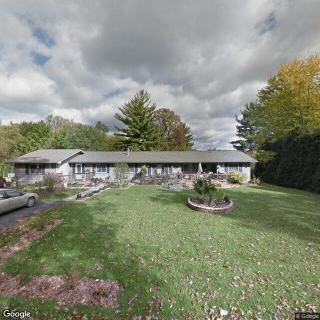





 Seniors and Modern Transportation: Exploring Uber, Lyft, and Other Ride-Hailing Options
 Comprehensive Guide to Qualifying for Home Health Care Services
 Powerful Realities of Elder Abuse and the Most Effective Ways to Report It