
4408 Lippincott Boulevard, Burton, MI 48519
For more information about senior living options: (866) 208-4318
Overall Review of Lippincott Senior Living
Pros
 The staff are amazing, attentive, and go above and beyond for residents and their families.
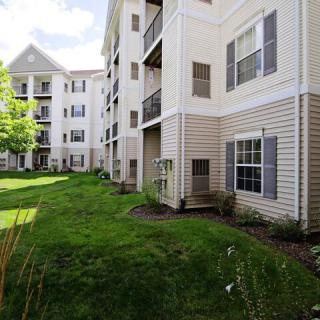
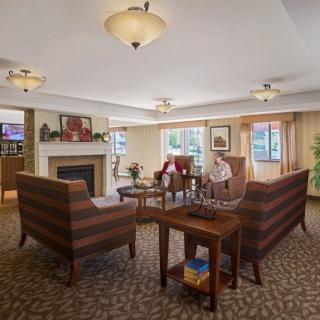
- The facility is beautiful, well-kept, and feels like home to those who visit or live there.
- The environment is safe and inviting, with security measures that help ensure residents’ safety.
- The administration and caregivers genuinely care about residents and their families, making them feel valued.
- The community offers memory care and assisted living in one location, providing convenient continuity of care.
- Staff development is encouraged, giving employees opportunities to advance and stay with the facility.
- The overall care is exceptional, with residents described as safe, happy, healthy, and well cared for.
Cons
 The administration was unprepared for their roles, and the lower-level staff were poorly trained, with leads who were not licensed CNAs administering medications.
- A water pipe burst caused flooding, and residents did not receive medications or basic care in a timely manner.
- Visitors were locked out of the building and had to wait for staff to let them in.
- Cords from dehumidifiers and fans crossed hallways, creating unsafe conditions, and residents’ belongings were not moved.
- Staff failed to respond to a choking incident and did not document or report it to management.
- The kitchen was described as awful with no viable dining options.
- There was a conflict of interest because one of the owners was also the doctor on staff.
- The facility allegedly lied about licensing and only had a temporary license that was suspended, and the reviewer urged others to avoid bringing loved ones.
Review
This community is best suited for families seeking a warm, home-like atmosphere where memory care and assisted living sit on one campus. It appeals to those who value a strong sense of security, with entry controlled by buzz-in access, and who want staff members who feel genuinely caring and invested in residents’ well-being. The strongest case rests with families prioritizing a resident-centered culture, continuity of care within a single community, and opportunities for staff training and advancement that translate into steadier, more attentive service over time.
That said, potential residents or families should consider alternatives if top-tier management reliability and transparent safety practices are nonnegotiable. Several reviews highlight concerns about administrative demeanor and responsiveness, and others flag serious safety lapses, inconsistent supervision, and questions about licensure and governance. For residents who depend on consistent nursing oversight, timely medication administration, and rigorous, well-documented incident reporting, the risk profile here may be too high to overlook.
On balance, the positives create a meaningful offset for many families. The facility’s appearance and upkeep are consistently praised, signaling a respectful environment where dignity and comfort matter. Caregivers and nursing staff receive frequent commendations for attentiveness and empathy, and the integrated memory care option on-site is a practical advantage for families anticipating fluctuating health needs. The security-first model, staffed entrances and visible monitoring, adds a layer of reassurance for loved ones who must trust that visitors are screened and monitored.
Yet the main cons can undercut those strengths when they are not addressed with urgency and clarity. Instances described in the reviews include management interactions that felt abrasive or unprofessional, and reports of critical lapses in care during emergencies, such as delayed medications, unsupervised maintenance hazards, and failed responses to choking emergencies. The recurring concerns about training and supervision, specifically cadences of leadership oversight and the readiness of caregivers to handle med passes and daily contingencies, pose real questions for families evaluating whether their loved one’s needs will be consistently met.
Licensing and regulatory posture also loom large in the decision calculus. A few reviews reference licensing status and the preparedness of the leadership team to navigate compliance, which matters deeply for residents who require reliable medical oversight. Coupled with reports of unsafe conditions related to building repairs and equipment, these issues elevate risk and demand direct, in-person confirmation during site visits. Prospective residents would do well to request current licensure documents, review recent survey results, and probe how supervisors monitor front-line staff performance and ensure medication safety.
The bottom-line recommendation is practical and clear: this community can be a strong fit for families who can deeply vet the operation and are comfortable with the possibility of management-related variability. It is less suitable for those whose loved one relies on flawless, proactive escalation of problems and a consistently transparent governance structure. Prospective residents should demand frank conversations with the administrator and director of nursing, request recent care plans and incident logs, and insist on a detailed tour that includes a walk-through of memory care protocols, staff supervision practices, and the facility’s emergency response workflow. In short, visit with a checklist, speak to multiple staff members and families, and insist on tangible assurances before committing.
 6 resident community capacity
 Assisted Living
 Cable or satellite TV
 Dining room
 Fully furnished
 Garden
 Housekeeping services
 Move-in coordination
 Outdoor space
 Telephone
 Wi-Fi/high-speed internet available
 Bishop (7 miles away)
 24-hour supervision
 Activities of daily living assistance
 Assistance with bathing
 Assistance with dressing
 Assistance with transfers
 Diabetes diet
 Meal preparation and service
 Medication management
 Special dietary restrictions
 Transportation arrangement (medical)
 Transportation to doctors appointments

 Beyond the Bingo Hall: 50+ Enriching Activities for Seniors in Assisted Living
 Understanding the Distinctions: Assisted Living and Memory Care Explained
 Guiding Elderly Parents Who Refuse Assisted Living: 6 Practical Steps