
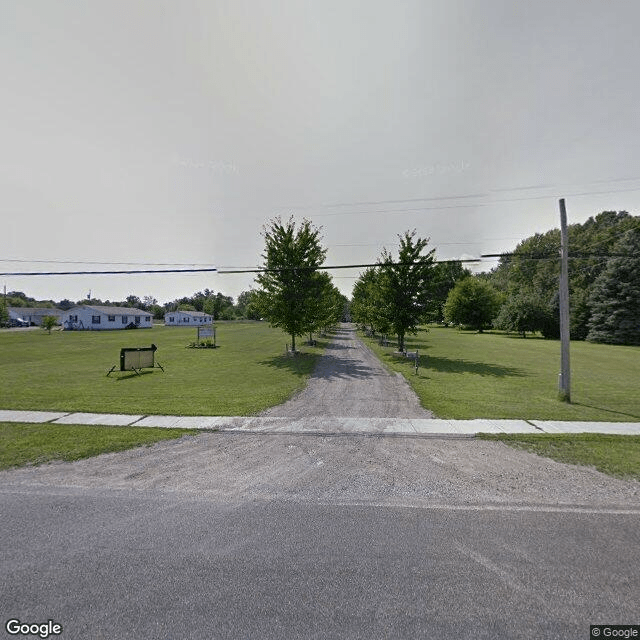
317 North Eighth Street, Breckenridge, MI 48615
For more information about senior living options: (866) 208-4318
Overall Review of Hearts Content
Pros
 They are well pleased with Heart's Content Assisted Living.
- The loved one is very well cared for and enjoys being a resident there.
- He reports good food, friendly and helpful staff, and nice interactions with other residents.
- Each visit finds the facility clean and welcoming.
Review
Hearts Content Assisted Living in Breckenridge is best suited for families seeking a warm, intimate, resident-centered environment where staff attentiveness, daily routines, and social connection take priority. The community appeals to seniors who value a clean, welcoming setting and straightforward, dependable care without the bustle of a large campus. It is particularly well-matched for those who prefer a smaller, hometown atmosphere, where interactions feel personal and care feels consistent. For residents needing high-acuity medical oversight, memory-care specialization, or expansive programming across a wide spectrum of therapies, this community is not the strongest fit. In short, Hearts Content shines for comfort, companionship, and reliable day-to-day support, not for advanced clinical demands.
For families weighing alternatives, the most relevant considerations point to memory-care capabilities, clinical intensity, and the breadth of programming. Alternatives come into play when a resident requires dedicated memory-support services, 24/7 on-site medical supervision, or a more expansive activity and therapy calendar. Larger assisted living communities or facilities with dedicated memory-care wings often offer more structured cognitive care, specialized therapists, and a wider range of on-site amenities. If convenience of location, longer-term clinical options, or a broader, more varied social calendar is a priority, evaluating other communities or in-home care arrangements becomes prudent. Hearts Content remains compelling, but its strengths are most impactful for those not pursuing high-level medical or memory-care services.
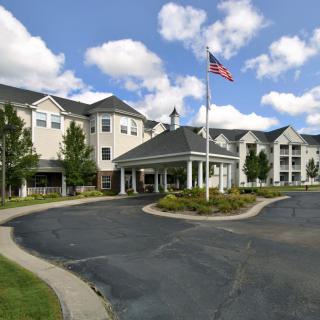
The strongest positives are clear and meaningful. Staff are consistently described as friendly, helpful, and responsive, creating an atmosphere where residents feel seen and supported. Food quality is highlighted as a notable perk, suggesting meals are regularly enjoyable and well-prepared. Residents interact pleasantly with one another, signaling a true community feel rather than a sterile, transactional environment. The physical environment supports these strengths too: the facility is clean, orderly, and welcoming, which reinforces comfort and safety for residents and their families. Taken together, these elements translate into lower stress for families, smoother daily routines for residents, and a sense of continuity that can be hard to find in larger, impersonal settings.
Because the reviews center on these strengths, the primary potential drawback is the absence of detailed public information about certain service depths. The small sample size and the lack of explicit notes on advanced medical care, memory-support offerings, or staffing ratios mean families must verify that the level of clinical oversight aligns with individual needs. This is not presented as a fatal gap, but as a practical caveat: the surest way to confirm fit is to observe direct care dynamics, inquire about on-site nursing coverage, medication management practices, and the availability of specialized therapies if those become necessary. The offset is sizable: the intimate scale often translates into quicker response times, more personal attention, and a consistently clean, well-maintained living environment, factors that frequently outweigh broader program breadth for many seniors.
For families ready to take a close-up look, a purposeful on-site visit is essential. Seek to understand caregiver-to-resident ratios during peak activity periods, and ask who is available for medical questions after hours. Inquire about routine medical oversight, including access to on-call nursing, medication administration, and emergency response protocols. Evaluate the dining experience by requesting to sample a meal and speaking with residents about variety and pacing. Review the activity calendar to assess social, cognitive, and physical engagement opportunities, and note how transportation, housekeeping, and personal care services are coordinated. Finally, probe any concerns about future needs, such as memory-support options or transitions to higher levels of care, to ensure the path remains clear if needs evolve.
In the end, Hearts Content Assisted Living presents a compelling, practical option for families prioritizing warmth, cleanliness, interpersonal warmth, and consistent daily life in a small-community setting. It excels where personal attention and a friendly atmosphere matter most, delivering a high-quality living experience that reduces daily stress for both residents and families. It is not the best match for those whose plans depend on extensive medical oversight, memory-care specialization, or a broad, highly varied programming slate. For those priorities, exploring alternatives with more explicit clinical capabilities is prudent. For many, the clear value proposition, reliable care, a pleasant dining experience, and a welcoming, well-kept home, will make Hearts Content a top contender in the decision process.
 12 resident community capacity
 Assisted Living
 Board and Care Home
 Memory Care
 Cable or satellite TV
 Dining room
 Fully furnished
 Garden
 Housekeeping services
 Move-in coordination
 Outdoor space
 Telephone
 Wi-Fi/high-speed internet available
 Mbs International (21 miles away)
 24-hour supervision
 Activities of daily living assistance
 Assistance with bathing
 Assistance with dressing
 Assistance with transfers
 Diabetes diet
 Hospice waiver
 Meal preparation and service
 Medication management
 Mental wellness program
 Special dietary restrictions
 Transportation arrangement (medical)
 Transportation to doctors appointments
 Are Dementia and Alzheimer's Disease Lethal? A Comprehensive Exploration
 Exploring the Power of Reminiscence Therapy for Individuals With Dementia
 An In-Depth Look at Reminiscence Therapy in Dementia Care