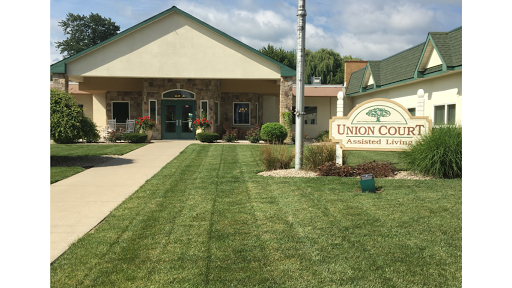




302 Fulton Street, Saint Charles, MI 48655
For more information about senior living options: (866) 208-4318
Union Court Assisted Living Costs & Pricing
Union Court Assisted Living offers a competitive pricing structure for its private room accommodations, charging $3,450 per month. This cost is notably lower than the average monthly rate of $4,477 in Saginaw County and also falls below the state average of $3,675 for Michigan. This pricing strategy positions Union Court as an attractive option for those seeking quality assisted living services without the premium associated with other local facilities. The difference in costs highlights Union Court's commitment to providing accessible care while maintaining a standard of excellence that meets the needs of its residents.
| Floor plans | Union Court Assisted Living | Saginaw County | Michigan |
|---|---|---|---|
| Private | $3,450 | $4,477 | $3,674 |
Assisted Living communities with a similar price nearby
-
from +$540 / mo

Midland King's Daughters Home
$3,990 to $6,180 / month23.0 miles away -
from +$600 / mo
Meadows of Owosso
$4,050 to $5,075 / month20.2 miles away -
from +$550 / mo
Auburn Fields Assisted Living II
$4,000 to $5,500 / month21.8 miles away -
from -$250 / mo
Edgewood Assisted Living Center
$3,200 to $3,300 / month10.7 miles away -
from +$150 / mo
Chesaning Comfort Care
$3,600 to $4,925 / month7.3 miles away
Overall Review of Union Court Assisted Living
Pros
 The staff is very friendly and supportive of families.
- The communication from everyone at Union Court was outstanding.
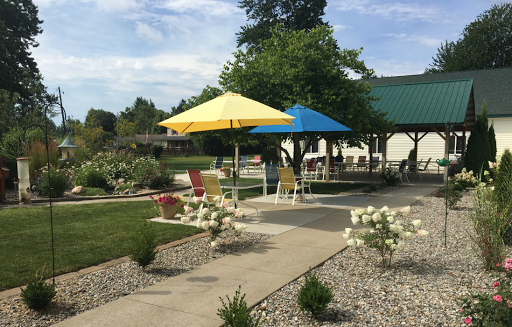
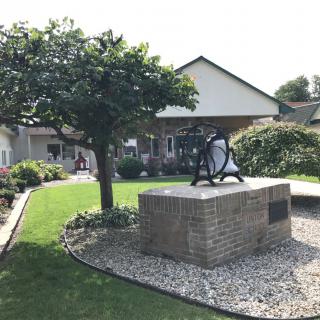
- The place is very neat and the outside garden is beautiful.
- June is the hairdresser at Union Court and she always made sure Mom looked her best.
- The care is very personal and it shows.
- The staff at Union Court are incredible.
- Staff are professional yet personable in all of their interactions.
- They truly care about people.
- They are a family run business and you can tell that they have care in their hearts.
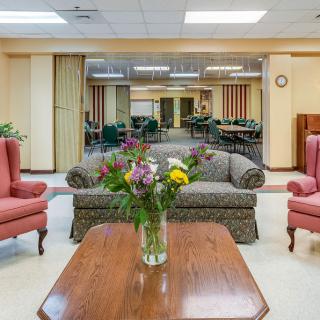
- The rooms and bathrooms are kept very clean and welcoming, as is the rest of the facility.
Cons
 The reviewer stated it felt more like a nursing home facility and that there was never enough staff to support the residents’ needs.
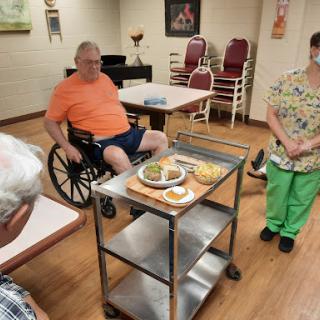
- The reviewer noted that the meals were high in sugar, which was worrisome because many residents have diabetes.
Review
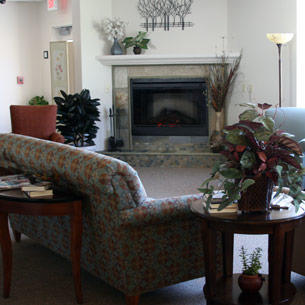
Union Court Assisted Living in Saint Charles, Michigan is best suited for families that want a warm, family-run community where care feels personal, communication with staff is seamless, and daily life centers on social engagement and home-like comfort. The vibe is intimate: long-tenured staff, a welcoming atmosphere, neatly kept rooms and common areas, and a focus on building relationships that feel more like an extended family than a clinical setting. For families seeking predictable, attentive care with strong family involvement, Union Court stands out as a reliable, high-touch option in a small-town environment.
Those weighing alternatives should consider whether independence and lighter assistance are primary goals, or whether a setting with more formal medical oversight is required. If a resident needs minimal daily help and prioritizes a more autonomous lifestyle, or if a facility with a more “traditional” nursing-home cadence is preferred, other communities may better fit. Additionally, for families with strict dietary or medical constraints, such as diabetes management and nutrition control, it's prudent to verify that menus and on-site medical support align with those requirements, since some reviews note meals that skew toward higher sugar content.
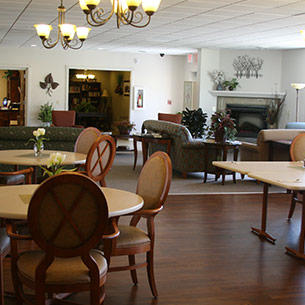
The strongest positives here center on people and process. Families consistently report friendly, caring staff who communicate clearly and treat residents like family. The stability of leadership and caregivers, without high turnover, translates into consistent routines, known preferences, and responsiveness during changing needs. Residents benefit from a clean, welcoming environment, well-maintained grounds, and engaging activities that keep people connected and occupied. The culture is described as professional yet personable, with staff who take the time to know individual histories, preferences, and goals. These factors collectively offset the sense of distance one might feel in a larger chain by delivering a compact, coherent community experience.
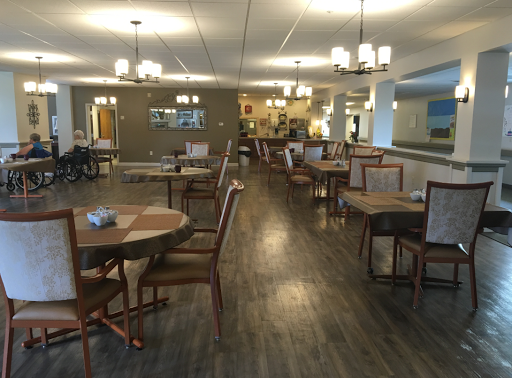
At the same time, several reviews flag practical drawbacks that matter in decision-making. The most frequently cited concern is staffing intensity: at times, there is a perception of not enough staff to promptly meet every resident’s needs during busy periods. This can translate into longer waits for assistance or less spontaneous one-on-one time during peak hours. Another tangible issue is the comparison to a nursing-home atmosphere, which can feel more clinical to some families. Nutrition is another touchpoint: while meals are praised for flavor and variety, a few observers note a tendency toward higher-sugar offerings, raising questions for residents with diabetes or strict dietary plans. These items aren’t universal, but they deserve careful scrutiny.
Nevertheless, the pros largely counterbalance the cons through the facility’s core strengths. The personal touch, stable staff relationships, open channels of communication, and an emphasis on family integration, reduces the anxiety that often accompanies transitions into care. Cleanliness, attractive common spaces, and bright, home-like rooms help residents settle in and feel valued. The social fabric, including activities and events that occur even on Saturdays, creates a vibrant day-to-day rhythm that can slow the isolation that sometimes accompanies aging. The sense that Union Court is more than “a place”, an actual extension of family life, appears repeatedly in reviews, and that sentiment goes a long way toward justifying a recommendation for families prioritizing compatibility with staff and culture.
In the end, Union Court Assisted Living emerges as a solid choice for families seeking a high-touch, family-oriented environment with clear communication, stable caregiving teams, and a welcoming, activity-rich setting. It is particularly well-suited for residents who thrive on personal attention, predictable routines, and strong staff-resident relationships. For those who prize autonomy, lighter assistance, or rigid medical oversight and strictly controlled nutrition, alternatives should be explored. Prior to deciding, request a current staff-to-resident ratio snapshot, review the latest menu options for dietary needs, and arrange to spend targeted time with the activity calendar and dining moments to gauge whether the lived experience aligns with the resident’s goals.
 86 resident community capacity
 Assisted Living
 Activities on-site
 Air-conditioning
 Beauty salon
 Cable or satellite TV
 Computer center
 Devotional services off-site
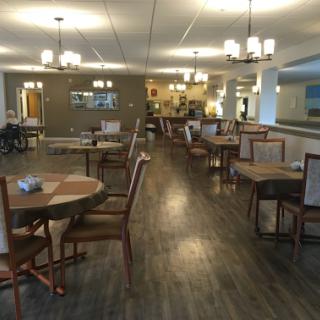
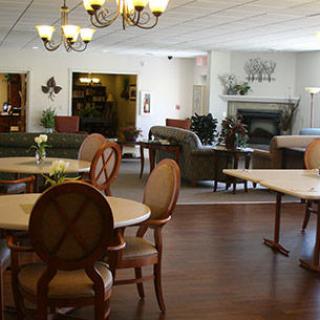
 Dining room
 Fitness room
 Fully furnished
 Gaming room
 Garden
 Housekeeping services
 Indoor common areas
 Kitchenette
 Move-in coordination
 Outdoor space
 Private bathrooms
 Restaurant-style dining
 Small library
 Telephone
 Wellness center
 Wi-Fi/high-speed internet available
 Mbs International (17 miles away)
 Community operated transportation
 12-16 hour nursing
 24-hour call system
 Ambulatory care
 Assistance with bathing
 Assistance with dressing
 Assistance with transfers
 Diabetes diet
 Diabetic care
 Medication management
 Mental wellness program
 Special dietary restrictions
 Concierge services
 Planned day trips
 Assisted Living Support for Veterans: A Complete and Detailed Overview
 Exploring the Contrasts Between Assisted Living and Skilled Nursing
 8 Key Indicators That Suggest It May Be Time to Transition from Assisted Living to Skilled Nursing Care