
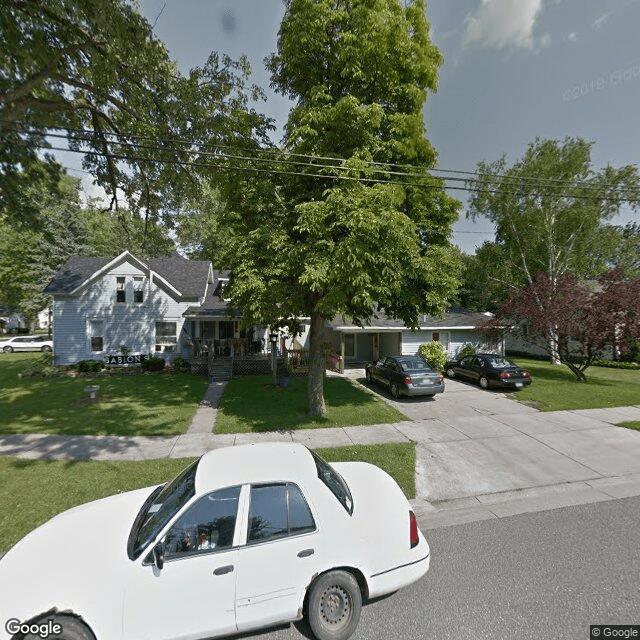
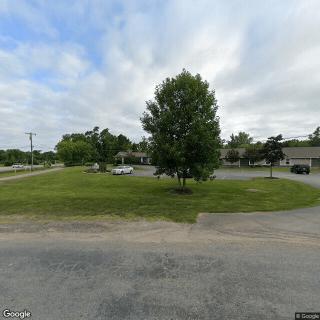
305 South Midland Street, Merrill, MI 48637
For more information about senior living options: (866) 208-4318
Overall Review of Babions Foster Care
Pros
 The owner is frequently on the premises.
- She is compassionate and cares for each of the residents.
- Any issues are addressed promptly and with care.
- Many staff members have been with the facility for years and have done a great job.
Cons
 There have been a few hiccups along the way.
Review
Babions Foster Care in Merrill, Michigan is best suited for families seeking a genuinely intimate, caregiver-led living arrangement for a loved one who benefits from daily, hands-on supervision and a homelike setting rather than a formal, campus-style environment. The owner’s regular presence on the premises is more than a courtesy; it’s a practical guarantee that decisions are weighted with direct knowledge of each resident’s routines, preferences, and needs. Residents respond well to a compassionate, attentive approach, and staff members are described as trustworthy and capable, with several long-tenured employees who know the residents’ histories and quirks. This combination creates comfort for families who value consistency, a direct line to leadership, and the peace of mind that comes from knowing the person in charge is accessible.
Those weighing alternatives should consider the level of medical oversight required and the atmosphere. For seniors who need more intensive medical monitoring, frequent on-site nursing, or highly structured dementia programming, a larger assisted living campus or a facility with dedicated clinical staff might deliver the needed framework more efficiently. Families seeking a broad slate of amenities, on-site therapy, fitness programs, diverse social events, may find that a smaller home like Babions fosters a slower pace and less variety, which can be a fit or a limitation depending on the resident’s interests and stamina. In short, this home shines for care-first residents; alternatives suit those requiring more clinical resources or a more expansive activity calendar.
From the strongly positive side, the most compelling pro is the literal visibility of leadership. The owner’s on-site presence translates into quick adjustments when concerns arise and a consistent tone in how issues are addressed. Care is described as compassionate, with staff who genuinely seem to care for residents as individuals. The culture reflects stability: several long-standing staffers contribute to a sense of continuity, while the majority of the team is described as trustworthy and competent. When hiccups occur, as they inevitably will in care settings, the response is swift and thoughtful, with steps taken to keep residents safe and at ease, not sidelined or rushed.
Those strengths interplay directly with the stated drawbacks to yield a strong overall picture. The immediate, hands-on management by the owner reduces risk and accelerates problem resolution, turning potential disappointments into resolved concerns before they escalate. Long-tenured staff members foster familiarity, reduce anxiety for residents, and limit the disruptions that come from turnover. Trustworthiness across the team further cushions families against worry, because the pattern of dependable conduct and steady routines tends to minimize surprises. In practice, this means families can lean into the security of a small, accountable operation even when minor missteps occur, knowing leadership is accountable and responsive.
However, the most meaningful caveat is the absence of scale. While the care emphasis is solid, the smaller footprint means fewer hands, fewer specialized programs, and a slower cadence on new activities that some residents crave. The occasional hiccup is acknowledged in reviews, but the emphasis remains on immediate correction and personal attention, which may not satisfy families seeking a highly structured daily schedule or advanced medical coordination. For residents with complex needs, requiring frequent rehabilitation services, or demanding a broad network of therapeutic options, alternatives with larger staff rosters and formal protocols may prove more reliable in the long run.
In deciding, families should match Babions Foster Care’s strengths to the resident’s temperament and care needs. The community is a compelling choice for those who prize direct access to leadership, consistent staffing, and a home-like environment where compassion translates into steady care. If a resident requires robust clinical resources, a wider array of daily activities, or more intensive medical support, exploring a larger, more resource-rich option is prudent. Prospective families should ask about staff-to-resident ratios, on-site nursing availability, and examples of how recent hiccups were resolved to gauge whether the operation’s strengths align with expectations. Overall, Babions Foster Care offers a practical, trustworthy setting where sturdy relationships and attentive leadership compensate for the limits of a smaller care home.
 12 resident community capacity
 Assisted Living
 Board and Care Home
 Memory Care
 Activities on-site
 Cable or satellite TV
 Devotional services off-site
 Dining room
 Fully furnished
 Garden
 Housekeeping services
 Indoor common areas
 Move-in coordination
 Outdoor space
 Telephone
 Wi-Fi/high-speed internet available
 Mbs International (15 miles away)
 24-hour supervision
 Ambulatory care
 Assistance with bathing
 Assistance with dressing
 Assistance with transfers
 Diabetes diet
 Diabetic care
 Hospice waiver
 Meal preparation and service
 Medication management
 Mental wellness program
 Special dietary restrictions
 Transportation arrangement (medical)
 Transportation to doctors appointments



 Guiding Your Journey: Understanding Power of Attorney for Elderly Parents
 22 Remarkable Caregiver Support Groups Available Online and In-Person
 Understanding Medicaid Coverage for Assisted Living: A Comprehensive Guide