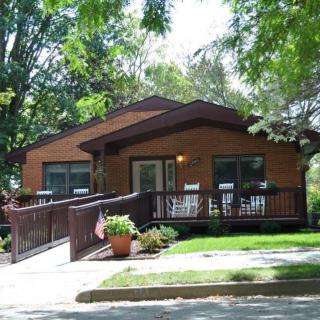
Page House

2308 Page, Ann Arbor, MI 48104

For more information about senior living options: (844) 490-3973

4.9 from 9 reviews
5 stars
8
4 stars
1
3 stars
0
2 stars
0
1 stars
0

Assisted Living

Overall Review of Page House

Pros

  • pro The small museum is a great place worth visiting.
  • pro The building is cute and well maintained.
  • pro The exterior is well maintained.
  • pro The site offers a charming glimpse into Ann Arbor Yesterdays.
  • pro It is educational.
  • pro It is interesting to see how the Kempf family lived.
  • pro The staff are great and very knowledgeable.

Cons

  • pro Unfortunately they were not open today.

Review

Tucked away in Ann Arbor, this small museum feels like a doorway into a gentler era - the kind of place where a quiet stroll through a single-story, unassuming building can become a full-aquarium of memories. Several observers describe it as a "cute little building" whose exterior is well kept and inviting, signaling that what lies inside is worth a careful look. The overall impression is one of charm and a graceful patience, a place that promises a step back into Ann Arbor's yesterdays rather than a flashy, blockbuster museum experience.

Inside, the collection reads like a curated slice of daily life from more than a hundred years ago. Reviewers mention a range of domestic artifacts: sewing machines and typewriters that once hummed with productivity, pianos that probably accompanied many families' evenings, along with sofas, beds, and an assortment of old furniture. In addition to larger pieces, there are other ancient objects and photographs that further illuminate everyday routines, social customs, and private moments from the past. The overall impression is educational and tangible - the kind of museum where you can see, touch (where allowed), and imagine the rhythm of daily life long before the present century.

Access to this treasure is uniquely limited by schedule. The place is described as opening only on Sundays, from 1 to 4 pm, which immediately sets a particular cadence for potential visitors. Some reviewers end up encountering the exterior only, having visited on days when the doors remained shut. One mid-November visit captured the sentiment perfectly: a charming exterior glimpse with a sense of stepping back in time, but no interior exploration that day. The emphasis on Sunday hours makes it a special, almost ceremonial stop for those who happen to be in town at the right moment.

Beyond the objects, the experience is enriched by the atmosphere and the staff. Comments repeatedly note that the site offers an educational experience, and that it's particularly interesting to learn "how the Kempf family lived." The people who staff the place are described as great and very knowledgeable, contributing a crucial human element to the historical narrative. The combination of careful curation, personal touch, and accessible storytelling helps visitors connect with the past in a meaningful way, turning a quiet Sunday excursion into a memorable learning moment.

A thread of history running through the site's very fabric is captured by the nearby historical marker. The marker - approved in 1973 and erected in 1988 - tells a concise, telling story: cast iron grilles in an ancient Greek floral motif frame the frieze of a temple-front Greek Revival house. The building was first completed in 1853 for Henry D. Bennett, who served as secretary and steward of the University of Michigan. In 1890, it became the home and studio of local musicians Reuben H. and Pauline Widenmann Kempf. Trained in Germany, Mr. Kempf taught piano and organ, while Mrs. Kempf, a Cincinnati Conservatory graduate, taught voice. The city purchased the house in 1969, and in 1983 it became the Kempf House Center of Local History. The marker's history anchors the site in a broader narrative of university life, local artistry, and community memory, making the building feel both architecturally interesting and personally significant.

Taken together, the Kempf House Center of Local History emerges as a small but potent museum experience. Its charm lies not in big exhibits or dramatic showcases, but in the quiet accumulation of everyday objects that tell a story about a family, a city, and a way of life long past. For visitors who can time their trip for a Sunday in the right season, the experience offers a chance to see how people lived, learned, and created in Ann Arbor. It is a place that rewards curiosity, patience, and a willingness to imagine life through objects that have endured well beyond their original utility. If you have time on a Sunday and are curious about local history, this is one stop to add to your itinerary.

Features

Housing

  • 6 resident community capacity 6 resident community capacity

Types of Care

  • Assisted Living Assisted LivingAssisted living facilities provide crucial support and care for seniors who may need help with daily tasks such as medication management, bathing, and meal preparation. These communities offer a safe and comfortable environment where seniors can maintain their independence while receiving the assistance they need to thrive in their golden years.

Amenities

  • Cable or satellite TV Cable or satellite TVCable or satellite TV is important for seniors because it provides entertainment, news, and companionship, helping to combat loneliness and boredom. It also offers a wide range of programming options tailored to different interests and preferences.
  • Dining room Dining roomDining rooms are important for seniors as they provide a space for socialization, connection, and nutritious meals. They offer opportunities for residents to bond over shared meals, foster a sense of community, and promote healthy eating habits. Dining rooms also ensure that seniors have access to well-balanced meals tailored to their dietary needs and preferences.
  • Fully furnished Fully furnishedFully furnished senior living communities are important for seniors because they provide convenience, comfort, and a hassle-free moving experience. Seniors can easily settle into their new living space without the stress of having to buy and move furniture. This allows them to focus on enjoying their new home and community.
  • Garden GardenGardens are important for seniors as they provide a peaceful and therapeutic environment for relaxation, physical activity, and socialization. Being in nature has been shown to reduce stress, improve mood, and promote overall well-being. Gardens also offer opportunities for seniors to engage in gardening activities, which can improve mobility, flexibility, and cognitive function. Additionally, gardens create a sense of community and connection with others who share a passion for plants and outdoor spaces.
  • Housekeeping services Housekeeping servicesHousekeeping services are important for seniors because they help maintain a clean and safe living environment, promote independence, and reduce the risk of accidents or illnesses. Additionally, having assistance with household chores can alleviate physical strain and allow seniors to focus on other aspects of their well-being.
  • Move-in coordination Move-in coordinationMove-in coordination is important for seniors because it helps ease the transition into their new living environment. It ensures that all logistics, such as packing, organizing movers, and setting up utilities are taken care of, allowing seniors to focus on settling in and adjusting to their new home. Having a smooth move-in process can alleviate stress and anxiety, making the transition smoother and more enjoyable for seniors.
  • Outdoor space Outdoor spaceOutdoor spaces are important for seniors as they provide opportunities for physical activity, social interaction, exposure to natural light and fresh air, and a sense of connection to nature. Having access to outdoor spaces can improve overall well-being and quality of life for older adults living in senior communities.
  • Telephone TelephoneTelephones are important for seniors as they provide a lifeline for communication with loved ones, emergency services, and healthcare providers. They offer a sense of security and independence, enabling seniors to stay connected and access assistance when needed.
  • Wi-Fi/high-speed internet available Wi-Fi/high-speed internet availableWi-Fi/high-speed internet is important for seniors to stay connected with loved ones, access online resources, and participate in virtual activities to combat feelings of loneliness and isolation. It also allows them to easily manage healthcare needs, access entertainment, and engage in lifelong learning opportunities.

Transportation

  • Detroit Metropolitan-Wayne County (19 miles away) Detroit Metropolitan-Wayne County (19 miles away)

Care Services

  • 24-hour supervision 24-hour supervision24-hour supervision is important for seniors to ensure their safety, well-being, and access to immediate assistance in case of emergencies or health issues. This constant support provides peace of mind for both seniors and their loved ones, allowing them to age in place with dignity and security.
  • Activities of daily living assistance Activities of daily living assistanceActivities of daily living assistance are important for seniors because they provide essential support with tasks such as eating, bathing, dressing, and mobility. This assistance helps seniors maintain their independence, dignity, and overall quality of life as they age.
  • Assistance with bathing Assistance with bathingAssistance with bathing is crucial for seniors as it helps maintain personal hygiene, prevents infections, and ensures their overall well-being and comfort. It also provides a sense of dignity and independence for seniors who may struggle with this task on their own.
  • Assistance with dressing Assistance with dressingAssistance with dressing is important for seniors because it helps maintain their independence, promotes personal hygiene, prevents accidents and injuries, and improves overall quality of life. This service ensures that seniors can continue to dress comfortably and confidently, despite any physical limitations they may have.
  • Assistance with transfers Assistance with transfersAssistance with transfers is crucial for seniors as it helps prevent falls and injuries, maintains their independence, and ensures they can safely navigate their living environment. It also provides peace of mind for both seniors and their loved ones.
  • Coordination with health care providers Coordination with health care providersCoordination with health care providers is crucial for seniors to ensure proper medical care, medication management, and overall well-being. This collaboration helps prevent overlapping treatments, track progress more effectively, and provide comprehensive support tailored to individual needs.
  • Diabetes diet Diabetes dietA diabetes diet is crucial for seniors as it helps manage blood sugar levels, reduce risks of complications, and improve overall health and well-being. By following a balanced and nutritious diet tailored to their specific needs, seniors can better control their diabetes and enhance their quality of life.
  • Meal preparation and service Meal preparation and serviceMeal preparation and service are crucial for seniors as they may have limited mobility or energy to cook nutritious meals. Having access to healthy and convenient food options can ensure they are getting the proper nutrition needed to maintain their overall health and well-being.
  • Medication management Medication managementMedication management is crucial for seniors to ensure they are taking the right medications at the correct dosages and times. This helps prevent adverse drug interactions, reduces the risk of medication errors, and promotes overall health and well-being. Proactive management also allows for adjustments as needed based on changing health conditions or new prescriptions.
  • Special dietary restrictions Special dietary restrictionsSpecial dietary restrictions are important for seniors because age-related changes in metabolism and health conditions can make it difficult for their bodies to process certain foods. By following a diet tailored to their specific needs, seniors can maintain their overall health and well-being, manage chronic conditions, and reduce the risk of complications such as malnutrition or food interactions with medications.
  • Transportation arrangement (medical) Transportation arrangement (medical)Transportation arrangements for medical purposes are essential for seniors as they may have difficulty driving themselves to appointments or accessing public transportation. Having reliable and safe transportation options ensures that seniors can receive timely medical care and maintain their health and well-being.
  • Transportation to doctors appointments Transportation to doctors appointmentsTransportation to doctors' appointments is crucial for seniors as it ensures they have access to necessary medical care and support for their health needs. Without reliable transportation, seniors may struggle to attend important appointments, leading to potential delays in treatment and health complications. Providing transportation services helps seniors maintain their overall well-being and quality of life.

Dining

  • Diabetes diet Diabetes dietA diabetes diet is crucial for seniors as it helps manage blood sugar levels, reduce risks of complications, and improve overall health and well-being. By following a balanced and nutritious diet tailored to their specific needs, seniors can better control their diabetes and enhance their quality of life.
  • Special dietary restrictions Special dietary restrictionsSpecial dietary restrictions are important for seniors because age-related changes in metabolism and health conditions can make it difficult for their bodies to process certain foods. By following a diet tailored to their specific needs, seniors can maintain their overall health and well-being, manage chronic conditions, and reduce the risk of complications such as malnutrition or food interactions with medications.

Activities

  • Community-sponsored activities Community-sponsored activitiesCommunity-sponsored activities are important for seniors as they provide opportunities for social interaction, mental stimulation, and physical activity. These activities can help improve overall well-being, combat loneliness and isolation, and promote a sense of belonging and purpose among older adults.
  • Scheduled daily activities Scheduled daily activitiesScheduled daily activities are important for seniors because they provide structure, socialization, mental stimulation, and physical activity. Engaging in regular activities can improve overall well-being and quality of life for seniors living in a community setting.

Description

Page House in Ann Arbor, MI is a premier assisted living community that offers a wide range of amenities and care services to ensure the comfort and well-being of its residents. The community provides a homely atmosphere with fully furnished rooms, complete with a dining room for communal meals and socializing.

Residents can enjoy the tranquility of the outdoor space, whether it be taking strolls through the garden or simply enjoying some fresh air. Wi-Fi and high-speed internet access are available throughout the community, allowing residents to stay connected with loved ones or engage in online activities.

Page House goes above and beyond by providing housekeeping services to ensure that living spaces are always clean and comfortable. Move-in coordination assistance is also available to make transitioning into the community as smooth as possible.

When it comes to care services, Page House offers comprehensive assistance with daily living activities such as bathing, dressing, and transfers. The staff also coordinates with health care providers to ensure that residents receive the necessary medical attention they require. Medication management is provided to guarantee that medications are taken properly and at the appropriate times.

The community takes special dietary restrictions seriously and has qualified staff who can cater to specific needs such as diabetes diets or other dietary requirements. Meal preparation and service are also included, so residents can enjoy delicious and nutritious meals without any hassle.

Transportation arrangements for medical appointments are readily available for those who need them, ensuring that residents have access to necessary healthcare services. Additionally, regular transportation options are offered for other needs outside of medical appointments.

Page House values engagement and offers scheduled daily activities for residents to participate in. This helps foster a sense of community while keeping individuals mentally stimulated and socially active.

Located conveniently in Ann Arbor, Page House benefits from its proximity to various amenities nearby. With 10 cafes, 11 parks, 12 pharmacies, 22 physicians' offices, 26 restaurants, 2 transportation options nearby (presumably public transport), 4 places of worship, and 13 hospitals, residents can easily access the services they need and explore the surrounding area.

Page House is committed to providing a comfortable and supportive environment where residents can receive personalized care while enjoying a vibrant community and convenient access to nearby amenities.

Nearby Places of Interest

Pharmacies

  • Ann Arbor Pharmacy (0.5 miles)
  • Walgreens (1.1 miles)
  • Clark Professional Pharmacy (1.2 miles)
  • CVS Pharmacy (1.3 miles)
  • Walgreens (1.6 miles)
  • CVS Pharmacy (1.6 miles)
  • Rite Aid (1.6 miles)

Places of Worship

  • Church of the Good Shepherd (0.9 miles)
  • Grace Ann Arbor Church (1.7 miles)
  • St Lukes Lutheran Church (2.1 miles)
  • St Paul Lutheran Church (2.2 miles)

Parks

  • County Farm Park (1 miles)
  • Gallup Park (1.1 miles)
  • Gallup Canoe Livery (1.1 miles)
  • Furstenberg Nature Area (1.1 miles)
  • Nichols Arboretum (1.2 miles)
  • Island Park (1.9 miles)
  • Allmendinger Park (2 miles)

Physicians

  • Bio Energy Medical Center (1.2 miles)
  • Christensen Carl W MD - Christensen Carl W, MD (1.2 miles)
  • Skymint - Ann Arbor - Recreational & Medical Marijuana (1.3 miles)
  • Surgical Oncology-Univ Of Mich Medical Center (1.4 miles)
  • University of Michigan Cardiovascular Center (1.5 miles)
  • Nuclear Medicine (1.5 miles)
  • See (1.6 miles)

Hospitals

  • Serenity Home Care & Rehab Services (1.2 miles)
  • C.S. Mott Children's Hospital (1.3 miles)
  • Ped Cardiology Cs Mott (1.3 miles)
  • University of Michigan Von Voigtlander Women's Hospital (1.3 miles)
  • University of Michigan - Transplant Center (1.4 miles)
  • Amou (1.4 miles)
  • VA Ann Arbor Healthcare System (1.4 miles)

Cafes

  • RoosRoast Coffee (1.2 miles)
  • Starbucks (1.5 miles)
  • Starbucks (1.5 miles)
  • Panera Bread (1.6 miles)
  • Drip House Coffee Co. (1.8 miles)
  • Hyperion Coffee Co. (2 miles)
  • Zingerman's Delicatessen (2 miles)

Restaurants

  • Dominick's (1.3 miles)
  • Olga's Kitchen (1.5 miles)
  • Chili's Grill & Bar (1.6 miles)
  • Ashley's (1.6 miles)
  • New York Pizza Depot (1.6 miles)
  • Namaste Flavours (1.7 miles)
  • Tios Restaurant (1.8 miles)

Transportation

  • Ann Arbor Station (2.1 miles)
  • U-Haul Moving & Storage (2.5 miles)

Frequently Asked Questions

Where is Page House?

Nearby Communities

Related Resources

  • assisted living costUnderstanding the True Cost of Assisted Living in 2025: A Comprehensive Guide

    Assisted living in 2025 offers a crucial balance of independence and support for seniors, with costs varying from $2,500 to over $7,000 per month based on factors such as location and care level. Understanding pricing complexities, including regional differences and potential hidden fees, is essential for families to plan financially while ensuring quality care for their loved ones.

  • does medicaid pay for assisted livingUnderstanding Medicaid Coverage for Assisted Living: A Comprehensive Guide

    The guide outlines the complexities of Medicaid coverage for assisted living, highlighting significant state-to-state variations, limited coverage often restricted to personal care services, and the existence of specialized waivers for certain needs like memory care. It advises families to consult local Medicaid offices for options while emphasizing the importance of understanding state-specific regulations and facility policies.

  • does medicaid pay for assisted livingHow and When Medicaid May Cover Assisted Living Costs

    Medicaid coverage for assisted living varies by state and is primarily available to low-income individuals, with eligibility dependent on strict income and asset limits. Some states offer HCBS waivers for specific services in assisted living, but families must generally cover room and board costs, and should verify facility acceptance of Medicaid while considering potential waiting lists.