
One Lyman Street, Westborough, MA 01581
For more information about senior living options: (866) 208-4318
Overall Review of Whitney Suites
Pros
 Whitney Place provides a warm, welcoming environment where residents feel at home from day one.
- The staff are empathetic, helpful, knowledgeable, and extremely friendly.
- Whitney Place keeps residents safe, cared for, and in a healthy environment.
- The daily activities are geared toward each resident, supporting engagement and well-being.
- Families have peace of mind knowing their loved ones are supported, valued, and well cared for.
- The campus offers a full continuum of care on-site, including Independent Living, Assisted Living, Memory Care, Short-term Rehabilitation, Long-term Care, Hospice, and Palliative Care.
- An engaged engagement team keeps residents actively participating in a variety of programs and social activities.
- The culinary staff takes pride in preparing healthy, delicious meals and meeting individual preferences.
- The staff and leadership are consistently attentive, available, and provide compassionate, non-judgmental support.
Cons
 The staff aren’t well trained on caring for patients with dementia and memory issues, and this can make or break a resident’s experience.
- PCAs are reportedly constantly on their phones, including an incident of a PCA recording a video in the lounge with an earbud in.
- Attempts to contact the facility were not returned, with no one calling back to answer questions or set up a visit.
- They would stay away from this facility and Beaumont due to concerns about care for dementia patients.
- The higher level care unit is described as worse, implying a decline in care quality within the facility.
Review
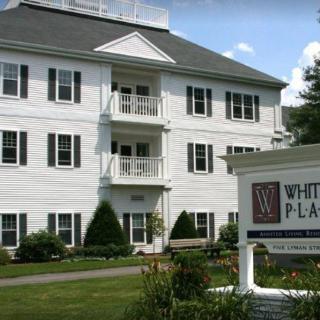
Whitney Place in Westborough is best suited for active seniors who want a warm, community-focused setting with real continuity of care on one campus. Families consistently note a transition to assisted living that is smoother than expected, thanks to staff who welcome new residents with genuine kindness and a palpable sense of belonging. Once settled, residents tend to thrive: they make new friends, participate in a broad slate of activities, and feel seen, valued, and supported every day. The environment is clean, spacious, and inviting, with nursing and care teams that demonstrate attentiveness and a philosophy that places residents at the center. For families seeking reassurance that a loved one will be treated like family while retaining independence, with clear options to grow into more care if needed, Whitney Place delivers.
Alternative considerations are warranted for residents with specialized dementia needs or for families who prioritize flawless outreach and prompt communication during the move. While many reports praise the memory care program and its compassionate staff, a notable minority describe dementia care as undertrained or inconsistent in handling complex cognitive conditions. That divergence suggests outcomes may hinge on the specific care team and shift. Additionally, there are anecdotes about slow responses to inquiries or questions not being followed up promptly. Those factors matter for families navigating a move, especially when timing is critical or when a loved one requires rapid access to memory care services.
On balance, the strongest positives here are compelling: a true continuum of care that lets residents stay on the same campus as needs evolve, a culture of warmth and long-tenured staff, rigorous attention to safety and cleanliness, and a robust program of social and physical activities. Families consistently praise the engagement team, the quality of meals, and the clear willingness of staff to communicate with relatives. The result is a setting that feels both professional and homey, with reliable help for daily tasks, medication administration, and personal care. The main caveat is that dementia-specific care can vary by team, and ongoing alignment between care plans and front-line execution remains essential.
The facility’s differentiator is its people and community. Tenured front-line aides, nurses, dining staff, and activity coordinators express care in tangible ways, from staff who tailor programs to resident interests to groups that include exercise, painting, baking, and outdoor outings. Families notice the stability of the staff, the accessibility of leadership, and the sense that staff know residents by name and history. The campus supports meaningful family involvement, with regular updates, collaborative care planning, and opportunities to participate in events beyond routine. For anyone who refuses to settle for a cold, impersonal operation, Whitney Place often feels like a well-run, close-knit neighborhood.
Memory care at Whitney Place is clearly a focal point, with residents described as safe, engaged, and valued. Yet cautionary notes cannot be ignored: one family reported that dementia training was insufficient and that the care environment did not consistently support memory-impaired residents. Prospective families should verify the competencies and training of dementia-care teams, request up-to-date care plans, and meet the supervisor responsible for memory care. Observing a shift in real time, speaking with current residents and families, and reviewing how care plans are executed can reveal whether the unit’s practices align with expectations. The campus’s link to Salmon Healthcare strengthens the potential for integrated care as needs intensify, but the quality of dementia care can still vary by team.
Bottom line: Whitney Place Westborough is a compelling choice for families seeking a warm, activity-rich community with a proven culture of resident-focused care and a broad continuum of services. It is especially well-suited for those who value stability, social engagement, excellent food, and clear family communication. Those with advanced or highly specific dementia needs, or those who require meticulous, responsive intake and ongoing dementia coaching, should scrutinize the memory-care program and tour with pointed questions about staff training and care-plan accuracy. In the right hands, Whitney Place delivers peace of mind and genuine home-like living; in cases where alignment on dementia care or responsiveness is inconsistent, exploring alternatives may be prudent while still keeping this campus on the short list.
 34 resident community capacity
 Assisted Living
 Beauty salon
 Cable or satellite TV
 Fully furnished
 Garden
 Housekeeping services
 Move-in coordination
 Outdoor space
 Private bathrooms
 Worcester Regional (14 miles away)
 Transportation arrangement
 24-hour call system
 Activities of daily living assistance
 Assistance with bathing
 Assistance with dressing
 Assistance with transfers
 Diabetes diet
 Meal preparation and service
 Medication management
 Special dietary restrictions



 How and When Medicaid May Cover Assisted Living Costs
 A Detailed Exploration of Assisted Living Medicaid Waivers Across the United States
 Comprehensive Residential Support and Assisted Living Solutions for Individuals with Disabilities