
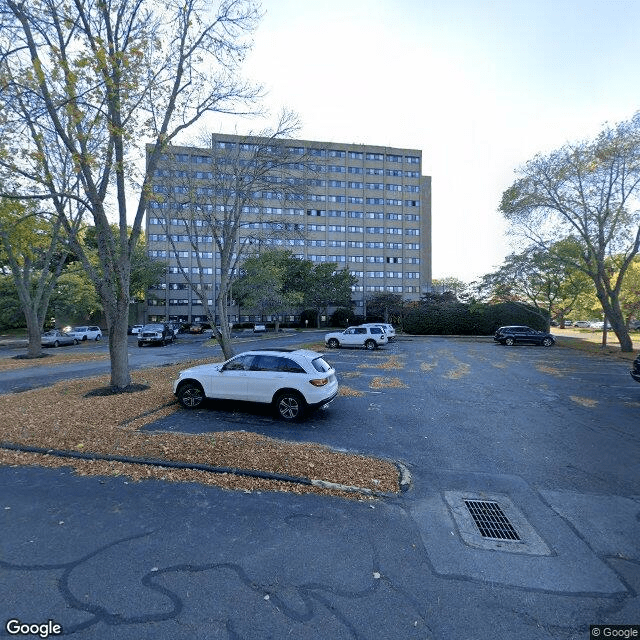
95 Audubon Road 781-246-1111 Wakefield direct, Wakefield, MA 01880
To contact a resident: (781) 245-0414
For more information about senior living options: (866) 208-4318
Colonial Point Costs & Pricing
Colonial Point offers a compelling value for those seeking residential options, particularly when compared to the broader market in Middlesex County and throughout Massachusetts. For instance, a one-bedroom unit at Colonial Point is priced at $1,200 per month, significantly lower than the county average of $5,920 and the state average of $5,349. Similarly, the two-bedroom option is available for $1,375 per month, again presenting a striking contrast to Middlesex County's average of $6,960 and Massachusetts' average of $6,151. This pricing structure positions Colonial Point as an attractive alternative for individuals and families looking to balance affordability with quality living in a competitive real estate landscape.
| Floor plans | Colonial Point | Middlesex County | Massachusetts |
|---|---|---|---|
| 1 Bedroom | $1,200 | $5,920 | $5,349 |
| 2 Bedrooms | $1,375 | $6,960 | $6,151 |
Senior living communities with a similar price nearby
-
About the same

Sophia Snow House
$1,224 to $6,267 / month16.0 miles away -
from -$125 / mo
The Foley Senior Residences
$1,075 to $1,300 / month17.2 miles away -
from +$150 / mo
Residences at Highland Glen
$1,350 to $1,811 / month23.2 miles away -
from +$100 / mo
Wheelwright House
$1,300 / month21.7 miles away
Overall Review of Colonial Point
Pros
 Kerri Tymowicz goes above and beyond for tenants.
- She works hard and does what she’s allowed to do.
- She listens to suggestions.
- She’s fair and professional.
- Heat and air conditioning are included in the units.
- The two-bedroom units have two baths.
- The new manager has gotten more work done than others.
- Kerry Tymowicz has really made residents happy to live there.
Cons
 Nobody showed up for a scheduled showing, and calls or emails went unanswered, which was described as extremely disrespectful of people’s time.
- The property is infested with rats, mice, roaches, and mold, with dumpsters overflowing and maintenance described as nonexistent.
- Appliances are decades old and frequently defective, with some units swapped between tenants and bugs reported in them.
- Despite a lease promising air conditioning, the AC has not been turned on, even during a heat wave.
- Several amenities have been closed for years, including the pool, gym, and community room.
- Elevators are unreliable, with only one operating and the other broken for nearly a year.
- Bed bugs, mold, and persistent odors are repeatedly reported, raising serious cleanliness and health concerns.
- There are fears the building could be condemned, based on comparisons to other Carabetta properties.
- Management is criticized for poor responsiveness and failing to fix issues, leading some to say they would not recommend living there.
Review
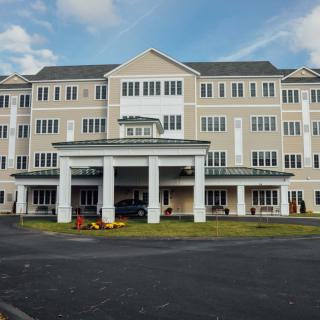
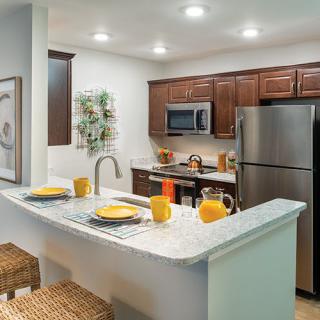
Colonial Point in Wakefield is best suited for households that prize generous living space and an on-site management presence that will push to fix problems, even if the path to improvement is imperfect. The standout feature is the size of the units, especially the two-bedroom plans that include two baths, which translates into practical living space for families or roommates. Heat and air conditioning included in the rent add real value in a market where utilities can bite, and the location offers convenient access to local services and commuting routes. This community rewards tenants who engage with management and bring constructive feedback, recognizing that building-wide issues can and do surface even as leadership works to address them. In short, Colonial Point works for those who want room to grow at a reasonable price and are willing to partner with management to push through necessary fixes.
The strongest positives revolve around space, utility efficiency, and a management presence that is repeatedly cited as a stabilizing force. Prospective residents will find the footprint of the units appealing, and the included heating and cooling reduce monthly volatility. The property manager most often connected to turnaround stories, Kerri Tymowicz, is praised for being accessible, fair, and willing to listen to tenant suggestions, delivering changes over time. When a newer manager, Sonia, takes the helm, tenants describe continued momentum and accountability for getting things done. Beyond people, there are tangible safety signals like security cameras, which contribute to a sense of residence and oversight. All these elements provide a counterweight to the more variable aspects of the property, creating a plausible path toward a stable, if imperfect, home experience.
Yet the negative reports are broad and repeatedly emphatic, and they cannot be dismissed. Bed bugs, roaches, and mice show up in multiple comments, with mold and persistent odors cited as ongoing health and comfort concerns. Maintenance is portrayed as intermittent at best, with elevators that malfunction and common amenities, such as the pool, gym, and community room, either closed or unreliable for extended periods. Appliances are described as aging, sometimes swapped from unit to unit, which fuels frustration about reliability. Communication gaps, phones not answered, lease terms misapplied, and a general sense that issues are not consistently triaged, underscore a pattern of service lag. Adding to the tension are reports of drug activity and unsanitary outdoor areas, painting a picture of safety and cleanliness issues that sap daily peace of mind.
The balancing act between positives and negatives leans toward caution, because the benefits are real but not universal. The roomier layouts and inclusion of heat/AC are meaningful, but they do not fully offset the frequency and seriousness of pest problems, maintenance delays, and unreliable amenities. The managerial improvements show that accountability and follow-through can take root, and that residents are seeing concrete changes when leadership stays engaged. However, the breadth and persistence of the complaints, across multiple buildings, units, and seasons, mean the experience remains inconsistent. For families weighing options, the decision hinges on tolerance for risk and the importance placed on ongoing improvements versus proven reliability.
Explicitly, those who should consider alternatives are families prioritizing predictability and pristine conditions. If steady maintenance, pest-free living, fully functioning shared spaces, and reliable elevator service are non-negotiable, it is prudent to explore other Wakefield or North Shore properties with track records of consistent upkeep and fewer pervasive complaints. Prospective renters should insist on a current, binding maintenance plan, a transparent pest-control schedule, and a clear renovation roadmap before signing. A thorough tour, preferably in multiple areas of the property, along with candid conversations with current residents about response times and recurring problems will be invaluable. If possible, obtain a written commitment on repairs and amenity status to avoid post-move surprises.
Ultimately, Colonial Point can be a reasonable fit for households that want space and value-driven utilities, provided management remains demonstrably accountable and tenants stay informed about ongoing fixes. When reliability and daily-quality of life take precedence, however, the prudent course is to continue the search and compare options with stronger, more consistent service records. The decisive factor will be concrete, verifiable commitments from the leadership team and a clear, current plan for addressing pest, maintenance, and amenity reliability. If those assurances are secured, Colonial Point can stabilize into a solid, affordable home; if not, the risk profile favors pursuing alternatives that offer steadier stewardship and fewer recurring headaches.
 Active Adult Communities (55+)
 Gen Edw L Logan International (11 miles away)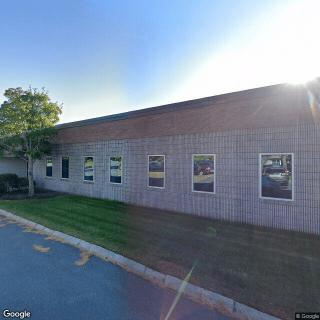



 Navigating the Tax Landscape of Caregiving: Credits, Deductions, and Beyond
 Highly Beneficial Low-Impact Exercises for Senior Living Residents
 Is In-Home Healthcare Tax Deductible? Your Comprehensive Guide