

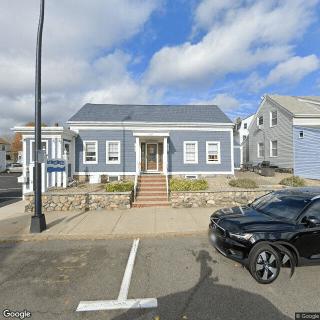
27 Water Street Suite 411, Wakefield, MA 01880
To contact a resident: (781) 246-7810
For more information about senior living options: (866) 208-4318
Overall Review of Homewatch Caregivers
Pros
 The team provides compassionate, high-quality care for the elderly and those living with dementia.
- Families feel their loved ones are in capable and caring hands, with caregivers forming deep emotional bonds.
- The care is dependable, empathetic, and professional, supporting families through transitions.
- Aletha is amazing with the elderly; she is kind, caring, and her visits are looked forward to.
- The company treats clients and staff like family.
- Tete and her team have exceeded expectations with outstanding, trustworthy care for years.
Review
This Wakefield, MA location of Homewatch CareGivers is best suited for families who want to age in place with dignity, relying on a steady, emotionally intelligent caregiving team. It is especially strong for seniors dealing with dementia or memory challenges, where continuity of caregivers and deep familiarity with routine matters matter most. Families that are geographically dispersed or strapped for in-person time will find this option compelling, because the same caregivers build trust, learn personal preferences, and sustain a comforting, home-like rhythm over months and years.
Those who should consider alternatives are families whose priorities tilt toward a medicalized everyday environment or a more structured social scene. If 24/7 licensed nursing oversight, on-site medical management, or a campus-style setting with formal programming is non-negotiable, a traditional assisted living or memory care community may better meet those needs. For individuals requiring extensive on-site clinical services, or whose loved one thrives in a community with scheduled group activities, an alternative that centers around a facility could offer advantages that in-home care cannot.
The strongest advantages here are compassionate, high-quality care delivered by caregivers who genuinely connect with clients. Stories from families highlight not only competence but warmth: clients feel at ease, look forward to visits, and form trusting bonds with caregivers who become an integral part of daily life. The staff are repeatedly described as dependable, empathetic, and professional, capable of managing routines, safety, and daily activities with sensitivity. A notable differentiator is the ability to preserve caregiver continuity even as plans evolve, with families able to retain a preferred aide when transitioning to assisted living, preserving trust and reducing upheaval.
These pros offset several potential drawbacks by creating a sense of stability that is hard to replicate in more clinical settings. The emotional bond and predictable presence alleviate anxiety and disorientation that often accompany transitions between living arrangements. The option to assemble a dedicated care team that can cover around-the-clock needs, when arranged, means the comfort of ongoing support without sacrificing the familiarity of a known caregiver. The “family” culture reported by families translates into lower stress for all involved and a clearer path through complex caregiving journeys.
Practically, families should verify caregiver stability, match quality, and dementia-specific training, alongside clear arrangements for back-up personnel and crisis communication. It is wise to confirm how medications are managed, how reporting and updates are delivered, and what the contingency plans look like for nights, weekends, and caregiver absences. Given the capacity to maintain a preferred caregiver during transitions to a higher level of care, ask how coordination works when a move to assisted living occurs, and how the team integrates with any on-site professionals in that setting. Clarify costs, scheduling, and the scope of 24/7 coverage to prevent gaps in care.
In the end, the Wakefield offering from Homewatch CareGivers earns serious consideration for families prioritizing aging in place with deeply trusted, compassionate caregivers. The experience is defined by relationships that feel genuine, a sense of dependability, and a culture that treats clients and staff like family, elements that translate into real peace of mind for both seniors and their loved ones. If a more formal, on-site medical model or a highly active group-program environment is essential, exploring alternatives is sensible. When continuity, empathy, and the comfort of familiar faces matter most, this option stands out as a prudent, practical choice.
 Gen Edw L Logan International (10 miles away)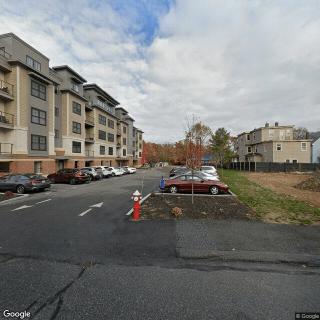


 Is a Geriatric Care Manager the Right Choice for Your Family?
 Compassionate Conversations: How to Comfort Someone Who Is Grieving
 Home Health Care Aides: Understanding Their Role and Supporting Your Family