Residents and families consistently describe staff as attentive, kind, and supportive.
Across many reviews, families describe nurses, aides, therapists, and support staff as courteous and caring, and say they felt kept informed during the stay. Several reviews specifically call out responsiveness during visits, with staff taking time to answer questions and check on patients. A smaller set of reviews sharply disagrees, describing unresponsiveness and not following through—so experiences appear mixed.
common24 reviews mention this
Rehab therapy gets mixed reviews
Physical and occupational therapy is repeatedly mentioned as helping residents regain function.
Many reviewers describe physical therapy as consistent and effective for recovery, including improvements after falls, strokes, and surgeries. Several families also credit occupational therapy with helping residents improve daily living skills and safety. At the same time, a handful of reviews question therapy scheduling and the breadth of services during rehab, describing uncertainty about therapy time and gaps in specific therapy types.
common22 reviews mention this
Food stands out for many
Meals are frequently mentioned, with multiple reviews calling the food notably good.
Several reviews say the food surprised them—in some cases as “astounding”—and mention it as tasty and satisfying. The community also offers meals and supports special dietary restrictions, which aligns with the diet-focused items reviewers mention. A minority of critical reviews complain about meal quality or service problems, including concerns about when meals arrive.
common19 reviews mention this
Cleanliness and upkeep come up often
Many reviewers describe the facility as clean, well-kept, and well maintained.
Multiple families highlight cleanliness and say the property feels bright, modern, and organized. Some also describe staff helping with personal care needs while keeping the environment tidy. A few negative reviews describe unsanitary conditions or cleanliness problems, so this also appears to vary by stay or unit.
caveat18 reviews mention this
Care response times are the biggest caveat
Some residents and families report long waits and gaps in basic care follow-through.
Several critical reviews describe delayed responses to call bells, delayed pain medication, and problems getting basic needs met, including help with bathing, water, and toileting. A few reviews also mention documentation or medication concerns and describe the need to escalate care elsewhere. These reports contrast with more positive reviews that describe attentive support and timely check-ins.
common8 reviews mention this
Case management support is highlighted
Families often single out case management for helpful guidance during rehab transitions.
A number of reviews specifically mention a case manager being responsive, guiding families through insurance or follow-up planning, and coordinating care between providers. Some families say this support made the rehab process feel more manageable and improved communication during recovery. This theme is largely tied to the transition and planning experience rather than day-to-day clinical care.
How we summarize
Counts show how many written reviews mention each theme; a review can touch several themes, and only frequently mentioned themes are displayed.
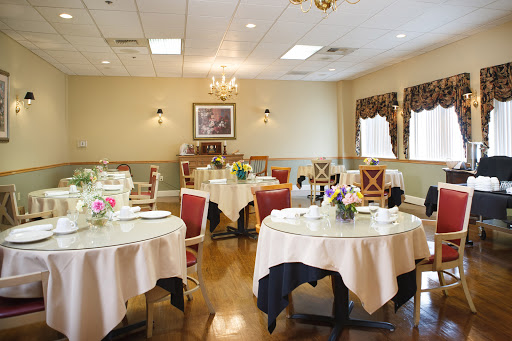
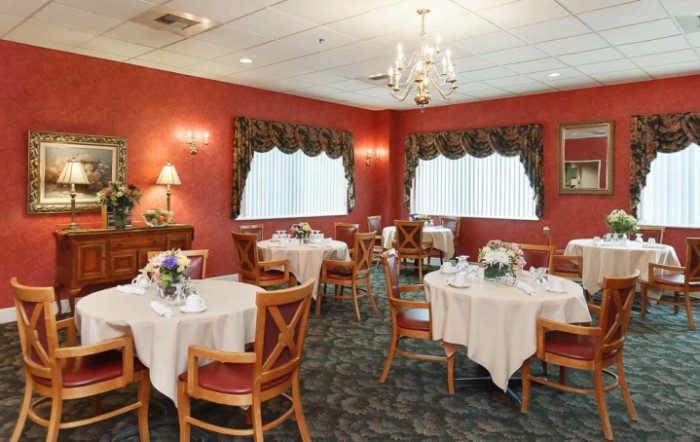
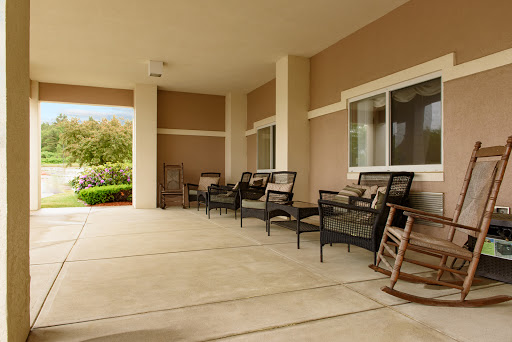
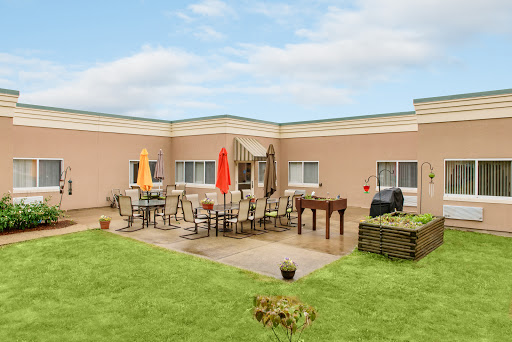
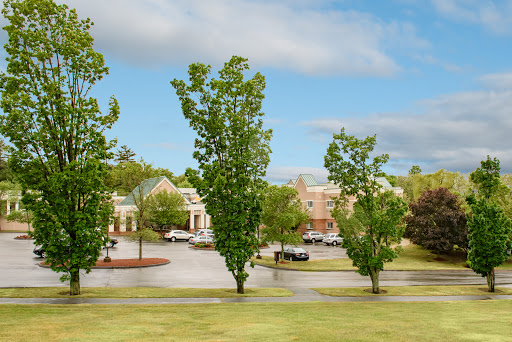
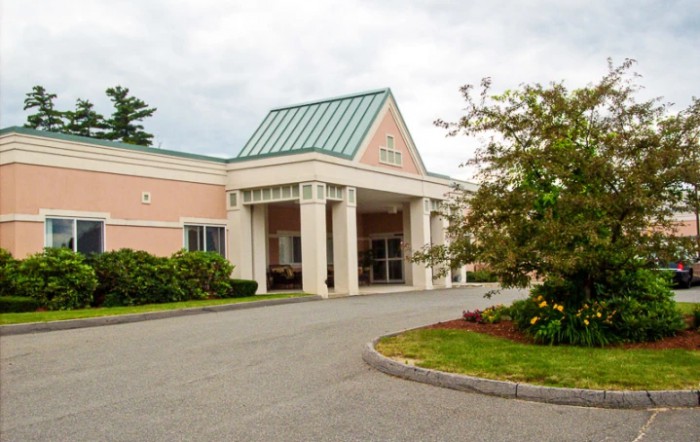
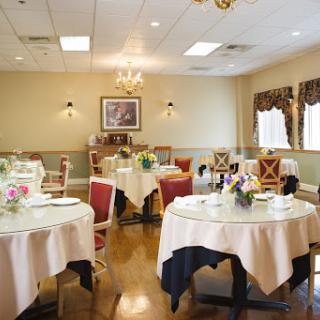
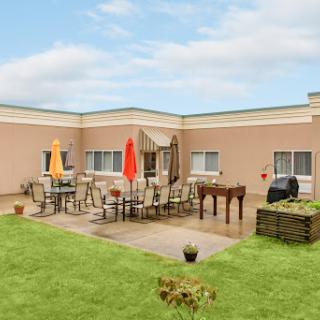
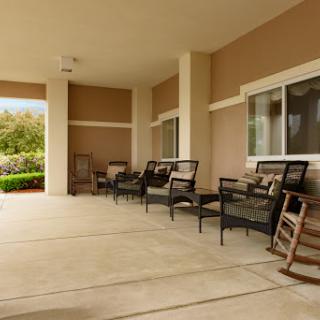
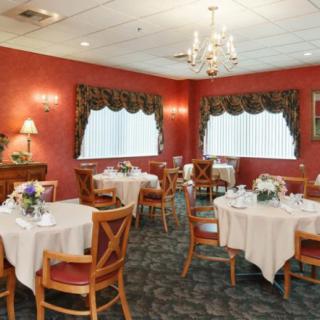
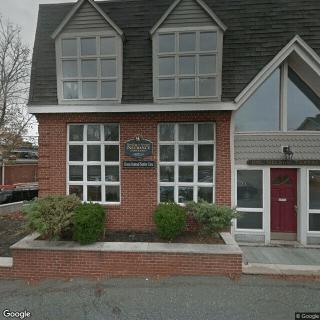
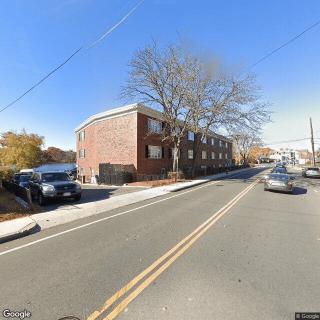
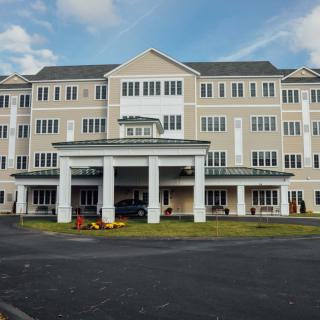
Life Care Center Of Stoneham on seniors.fyi includes 13 photos including images showing building, decor, landscaping, dining, architecture, living room, interior, outdoor, and more.
Nearby Communities
Melrose Healthcare
Melrose, MA
2.9 from 26 reviews
$6,330 to $6,630 / month
Extensive on-site amenities and 24/7 comprehensive care with private rooms.
Congregational Retirement Home
Melrose, MA
4.7 from 6 reviews
The Residence At Melrose Station
Melrose, MA
4.7 from 89 reviews
$6,000 to $8,500 / month
Caring staff in a luxurious, clean setting with engaging activities and dining.
Home Instead - Melrose, MA
Melrose, MA
4.8 from 52 reviews
Tailored, transparent care with compassionate, responsive staff.
Glen Ridge Nursing Care Center
Medford, MA
3 from 27 reviews
Caring staff, engaged residents, and a clean, well-maintained facility.
Elmhurst Healthcare
Melrose, MA
3.4 from 68 reviews
Small, home-like setting with 24/7 supervision and ADL support.
The Arbors at Stoneham
Stoneham, MA
4.7 from 79 reviews
$6,075 to $8,025 / month
Caring, friendly staff in a warm, home-like environment with engaging daily activities.
Forestdale Park
Malden, MA
4.8 from 52 reviews
Well-kept, recently renovated with attentive staff and engaging activities.
New Horizons At Choate
Woburn, MA
5 from 23 reviews
$2,425 to $4,495 / month
Clean facility with friendly staff, convenient location, and affordable pricing.
The guide highlights the importance of assisted living facilities for aging veterans needing daily support, discusses unique challenges they face, and outlines available financial assistance from the VA, including the Aid and Attendance program. It emphasizes understanding eligibility criteria and navigating the VA system to access necessary benefits effectively.
The article compares assisted living and skilled nursing facilities, detailing their differing levels of assistance, medical support, cost structures, and day-to-day experiences. It emphasizes that assisted living is for those needing help with daily activities while maintaining independence, whereas skilled nursing facilities provide intensive medical care with 24-hour staff supervision.
The transition from assisted living to skilled nursing care is often prompted by complex medical needs that assisted living cannot meet, with key indicators including frequent health declines, increased falls, severe memory issues, and caregiver burnout. Families should recognize these signs early to discuss options with healthcare providers and prepare for the emotional and logistical aspects of moving to a facility that offers comprehensive medical support.
Get PricingAsk A QuestionSchedule A TourContact Senior Advisor
By clicking submit, you agree to our Partner's Terms of Use. You
also consent to receive calls and texts, which may be autodialed, from our Partner. Your consent is not a condition to
using our Partner's service. Please visit our Partner's Privacy Policy for information about their privacy practices.















 18 resident community capacity
 Assisted Living
 Board and Care Home
 Respite Care
 Skilled Nursing Facility
 Activities on-site
 Cable or satellite TV
 Devotional services off-site
 Dining room
 Fully furnished
 Garden
 Housekeeping services
 Indoor common areas
 Move-in coordination
 Outdoor space
 Telephone
 Wi-Fi/high-speed internet available
 Gen Edw L Logan International (7 miles away)
 24-hour supervision
 Ambulatory care
 Assistance with bathing
 Assistance with dressing
 Assistance with transfers
 Diabetes diet
 Diabetic care
 Meal preparation and service
 Medication management
 Special dietary restrictions
 Transportation arrangement (medical)
 Transportation to doctors appointments
 Extensive on-site amenities and 24/7 comprehensive care with private rooms.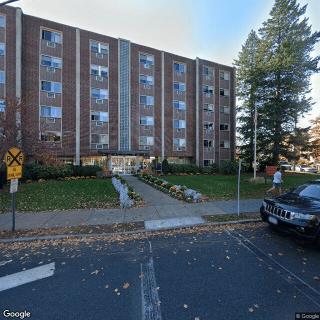




 Assisted Living Support for Veterans: A Complete and Detailed Overview
 Exploring the Contrasts Between Assisted Living and Skilled Nursing
 8 Key Indicators That Suggest It May Be Time to Transition from Assisted Living to Skilled Nursing Care