Chilton Park Village

Harborlight Circle, Plymouth, MA 02360

For more information about senior living options: (844) 490-3973

3.2 from 5 reviews
5 stars
1
4 stars
1
3 stars
2
2 stars
0
1 stars
1

Active Adult Communities (55+)

What level of care are you interested in?

Assisted Living

Memory Care

Independent Living

Skilled Nursing Facility

Continuing Care Retirement Community (CCRC)CCRC

Other


Request a tour at Chilton Park Village

    Overall Review of Chilton Park Village

    Pros

    • pro The staff are caring and concerned.
    • pro The facility is clean and well maintained.
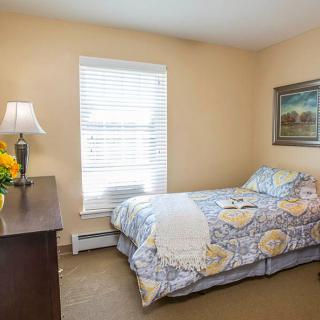
    • pro Interior upgrades such as hardwood floors, oriental rug runners, and flat-screen TVs enhance the home-like feel.
    • pro The cafeteria is homey with wooden dining chairs and tables.
    • pro Small touches make residents feel at home.
    • pro The owner, Tom, is often on site and takes pride in running a smooth, safe facility.
    • pro The reviewer would recommend Chilton House to anyone who can't live alone but is otherwise healthy and ambulatory.

    Cons

    • pro The place is dirty and filthy.
    • pro They treat their residents like dirt.
    • pro They take advantage of the fact that most residents have no one to advocate for them, making neglect seem acceptable.
    • pro The reviewer felt that basic personal care services, such as trimming nails and ear hair, were not being provided.

    Review

    The Chilton House in Plymouth presents itself in the eyes of visitors as a facility with a strong sense of place and a clear commitment to the people who live there. The most lasting impression from several years of visits is not simply a snapshot of care, but a portrait of a home-like environment where staff seem to prioritize attentiveness and warmth. The place has been described as consistently clean and well maintained, with an ongoing impression of care rather than clinical detachment. What stands out in this view is a belief that the staff genuinely looks out for residents, creating an atmosphere that feels safe and supported rather than impersonal.

    One reviewer who spent about a decade living there highlights how the facility has evolved over time. According to this account, the staff's care and concern were evident in every interaction, and the site's upkeep reflected a proactive pride in the space. Upgrades inside the building appear to have contributed to a more comfortable living experience: hard wood floors, pretty oriental rug runners, and flat-screen televisions mounted on walls. The dining area is described as homey and inviting, with attractive wood dining chairs and wood tables that contribute to a sense of normalcy and dignity for residents. The owner, Tom, is portrayed as a frequent presence who takes an active role in ensuring the facility runs smoothly and that residents feel both happy and safe. From this perspective, Chilton House is a place where those who are healthy enough to be ambulatory but who still need some level of support can maintain a sense of independence and belonging.

    Yet, another review introduces a more personal and urgent concern. The writer notes that their husband is currently a resident and, despite urging him to relocate, he asserts that he genuinely likes Chilton House. This account adds a layer of uncertainty and emotional complexity: the caregiver would still like to see certain personal care tasks addressed more consistently, specifically mentioning nails and ear hair. The tone here blends affection and worry, underscoring how family members can form different kinds of attachments and judgments about care. It hints at routine care expectations - like grooming - that may rely on staff attentiveness and the resident's own preferences and capabilities. The sentiment suggests that, even when a resident feels content, family members may fear that some practical aspects of daily living could be improved.

    A third voice delivers a starkly contrasting experience, presenting Chilton House in a much more critical light. The reviewer claims they would not entrust their cats to the facility, and they allege that residents are treated poorly. The description cites dirt and filth, painting a picture of neglect that sharply opposes the positive portrayals described by others. The reviewer emphasizes a belief that the vulnerability of residents - often driven by limited outside contact - can make neglect easier to overlook, leading to systemic issues that disturb the sense of community and safety. The intensity of this critique conveys a deep concern for standards of cleanliness and treatment, and it challenges readers to consider the possibility that experiences at Chilton House can vary dramatically depending on who is observing and when.

    Taken together, these accounts sketch a landscape of mixed experiences at Chilton House. On one hand, there is a narrative of attentiveness, improvements to the living environment, and an owner who appears engaged in the daily operations and resident welfare. The polished interiors, comfortable dining settings, and the sense of a welcoming atmosphere offered by staff and leadership contribute to a positive picture for many families and residents. On the other hand, the conflicting testimony highlights serious concerns about upkeep and the day-to-day treatment of residents, including impressions of dirtiness and neglect. Such divergent perspectives underscore how subjective comfort, expectations of care, and the specifics of daily routines can shape vastly different impressions of the same place.

    For anyone considering Chilton House, these varied experiences suggest a careful, balanced approach. It would be wise to visit multiple times, speak directly with staff, observe interactions with residents, and ask pointed questions about hygiene, grooming routines, and how personal care tasks are handled. The presence of a actively involved owner could be a positive sign for some, indicating oversight and accountability, while other potential residents and families may want assurances about cleanliness and respectful treatment. Ultimately, the range of experiences reflected here points to the importance of individual evaluation - what works for one resident and family may not feel sufficient for another, and firsthand observation remains essential in forming a well-grounded decision.

    Features

    Housing

    • 6 resident community capacity 6 resident community capacity

    Types of Care

    • Active Adult Communities (55+) Active Adult Communities (55+)Active Adult Communities provide seniors with opportunities for socialization, activities, and wellness programs tailored to their needs. These communities offer a sense of belonging and security while promoting an active and independent lifestyle for those aged 55 and older.

    Amenities

    • Housekeeping services Housekeeping servicesHousekeeping services are important for seniors because they help maintain a clean and safe living environment, promote independence, and reduce the risk of accidents or illnesses. Additionally, having assistance with household chores can alleviate physical strain and allow seniors to focus on other aspects of their well-being.
    • Telephone TelephoneTelephones are important for seniors as they provide a lifeline for communication with loved ones, emergency services, and healthcare providers. They offer a sense of security and independence, enabling seniors to stay connected and access assistance when needed.
    • Wi-Fi/high-speed internet available Wi-Fi/high-speed internet availableWi-Fi/high-speed internet is important for seniors to stay connected with loved ones, access online resources, and participate in virtual activities to combat feelings of loneliness and isolation. It also allows them to easily manage healthcare needs, access entertainment, and engage in lifelong learning opportunities.

    Care Services

    • Assistance with dressing Assistance with dressingAssistance with dressing is important for seniors because it helps maintain their independence, promotes personal hygiene, prevents accidents and injuries, and improves overall quality of life. This service ensures that seniors can continue to dress comfortably and confidently, despite any physical limitations they may have.
    • Meal preparation and service Meal preparation and serviceMeal preparation and service are crucial for seniors as they may have limited mobility or energy to cook nutritious meals. Having access to healthy and convenient food options can ensure they are getting the proper nutrition needed to maintain their overall health and well-being.
    • Medication management Medication managementMedication management is crucial for seniors to ensure they are taking the right medications at the correct dosages and times. This helps prevent adverse drug interactions, reduces the risk of medication errors, and promotes overall health and well-being. Proactive management also allows for adjustments as needed based on changing health conditions or new prescriptions.

    Dining

    • Diabetes diet Diabetes dietA diabetes diet is crucial for seniors as it helps manage blood sugar levels, reduce risks of complications, and improve overall health and well-being. By following a balanced and nutritious diet tailored to their specific needs, seniors can better control their diabetes and enhance their quality of life.
    • Special dietary restrictions Special dietary restrictionsSpecial dietary restrictions are important for seniors because age-related changes in metabolism and health conditions can make it difficult for their bodies to process certain foods. By following a diet tailored to their specific needs, seniors can maintain their overall health and well-being, manage chronic conditions, and reduce the risk of complications such as malnutrition or food interactions with medications.
    Description

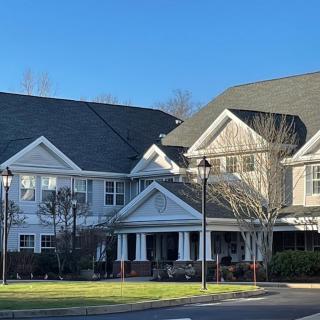
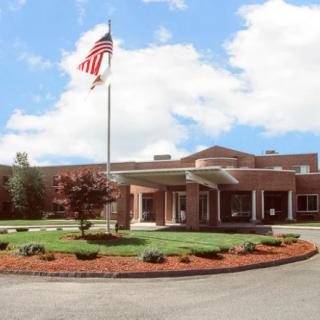
    Chilton Park Village is a premier assisted living community located in the beautiful city of Plymouth, MA. With a wide range of amenities and care services, residents can enjoy a comfortable and fulfilling lifestyle.

    For those who like to stay connected, Chilton Park Village offers telephone and Wi-Fi/high-speed internet access, ensuring that residents can easily communicate with loved ones or browse the web at their convenience.

    Care services are also provided to ensure the well-being of all residents. Meal preparation and service are available, ensuring that residents receive nutritious and delicious meals each day. Additionally, medication management is offered to help residents maintain their health and adhere to their prescribed medication schedules.

    The dining experience at Chilton Park Village is designed to cater to individual needs. Special dietary restrictions can be accommodated, providing peace of mind for those with specific dietary needs or preferences.

    Convenience is another advantage of living at Chilton Park Village. There are four cafes nearby for residents to enjoy a leisurely cup of coffee or meet friends for a chat. Three parks in close proximity offer opportunities for outdoor activities and relaxation in nature. With eight pharmacies nearby, obtaining medications or other health-related items is quick and effortless. The presence of 27 physicians nearby ensures that residents have access to medical care conveniently. In addition, there are 31 restaurants nearby for those who wish to explore different culinary experiences. Transportation options are also available nearby for easy commuting or exploring the local area. Finally, in case of any medical emergency, four hospitals are situated within close proximity.

    Chilton Park Village provides a warm and vibrant community where residents can lead an engaged and fulfilling lifestyle while receiving the necessary support they require.

    Nearby Places of Interest

    Physicians

    • Doctor Lerner's Office (0.4 miles)
    • BID Plymouth Surgery (0.6 miles)
    • Plymouth Bay Urology Specialists P C (0.6 miles)
    • Plymouth Urology (0.6 miles)
    • Anne Mcclenon DR (0.8 miles)
    • Long Pond Pediatrics (0.9 miles)
    • Kenneth M Reed MD PC (0.9 miles)

    Hospitals

    • Jordan Hospital (0.6 miles)
    • Beth Israel Deaconess Hospital Plymouth (0.6 miles)
    • Beth Israel Breast Center (0.6 miles)
    • Rehabilitation Hospital Of The Cape And Islands (3.5 miles)

    Cafes

    • Panera Bread (0.6 miles)
    • Water Street Cafe (1.7 miles)
    • Starbucks (3.9 miles)
    • Plane Jane's Place (4.8 miles)
    • Starbucks (7.1 miles)
    • Coffee Shack (10.3 miles)

    Restaurants

    • Bramhall's Country Store (0.7 miles)
    • Ninety Nine Restaurant (0.8 miles)
    • Friendly's (0.8 miles)
    • Wendy's (0.9 miles)
    • Fat Mike's Diner (0.9 miles)
    • McDonald's (0.9 miles)
    • Second Wind Brewing Company (2 miles)

    Pharmacies

    • The Medicine Shoppe (0.9 miles)
    • CVS Pharmacy (2.5 miles)
    • Masciantonio, Richard A - Richard A Masciantonio (2.5 miles)
    • Walgreens (2.6 miles)
    • Health Mart Pharmacy (3.3 miles)
    • Balboni's Drug Store (3.3 miles)
    • CVS Pharmacy (3.5 miles)

    Parks

    • Brewster Gardens (1.7 miles)
    • Plymouth Waterfront State Park (1.8 miles)
    • Nelson Street Park (2.6 miles)
    • Off the Wall Kidz (8.7 miles)

    Transportation

    • Plymouth Municipal Airport (PYM) (4.8 miles)

    Frequently Asked Questions

    Where is Chilton Park Village?

    Nearby Communities

    Related Resources

    • geriatric care managerIs a Geriatric Care Manager the Right Choice for Your Family?

      Geriatric care managers create personalized care plans for older adults, addressing their medical, social, financial, and psychological needs while coordinating services and advocating for their well-being. They help families navigate caregiving challenges but may be hindered by high costs and a shortage of qualified professionals.

    • what to say to someone who is grievingCompassionate Conversations: How to Comfort Someone Who Is Grieving

      The article highlights the importance of empathy and open communication when comforting someone who is grieving, noting that grief is unique to each individual and emphasizing the need for sincere expressions of condolence, active listening, and ongoing support. It also addresses cultural differences in mourning practices and encourages tailored approaches to provide effective comfort.

    • home care aideHome Health Care Aides: Understanding Their Role and Supporting Your Family

      Home health care aides provide vital medical and non-medical support to individuals at home, assisting with daily living activities and promoting emotional well-being, while the demand for these services increases due to an aging population. Families benefit from in-home care's flexibility and cost-effectiveness but face challenges like scheduling consistency and caregiver turnover.


    Get Pricing Ask A Question Schedule A Tour Contact Senior Advisor