

215 South St, Northampton, MA 01060
To contact a resident: (413) 584-2865
For more information about senior living options: (866) 208-4318
Overall Review of Lathrop Home
Pros
 The staff is wonderful, especially the nurses.
- Kathy is very knowledgeable and friendly.
- Kathy gave them a tour.
- They can't wait to move their mother into the Lathrop Home.
Review
Lathrop Home in Northampton, MA is best suited for families seeking a care-forward assisted living environment where front-line clinicians, especially nurses, anchor daily life. The reviews repeatedly spotlight the staff as the standout asset, with nurses delivering dependable, compassionate oversight and a sense that a loved one will be well looked after. The admissions experience also emerges as a strength: kin and potential residents leave with a clear sense of what to expect, aided by an informed, approachable guide such as Kathy who can walk through capabilities and next steps. For families prioritizing hands-on, professional care in a warm, small-to-mid-sized setting, Lathrop Home is a compelling match.
However, possible buyers should consider alternatives if specialized memory care needs, a more expansive social calendar, or a lower-cost option are primary drivers. The reviews provide no explicit critique, but the small sample size and lack of detail about daily activities, dining variety, or pricing leave gaps. If a resident requires dementia-specific programming, around-the-clock supervisory coverage, or a campus with broader on-site medical services, exploring other communities may yield better alignment. In short, this community shines for compassionate caregiving, but a closer look is warranted when medical complexity, financial constraints, or lifestyle breadth are non-negotiable.
Pros center on the people who would be delivering daily care. The nurses are highlighted as a core strength, delivering reliable clinical attention and personal warmth. The tone around Kathy’s tour points to a polished admissions process, an important confidence builder for families navigating transitions. The combination of skilled caregiving and a welcoming culture tends to translate into smoother onboarding, clearer expectations, and less anxiety about moving a relative into assisted living. Even in a small sample, the consistency of praise for staff suggests that care quality is not merely episodic but embedded in the community’s ethos.
That said, the conspicuous absence of detailed cons in the reviews means potential gaps remain unspoken. Without explicit information on cost structures, meal options, or the breadth of activities, a potential resident may need to verify what is included and what requires extra. The four-review snapshot also cannot fully reveal long-term satisfaction, response times, or how care adapts as needs evolve. These unknowns argue for careful due diligence: request a concrete sample schedule, speak with current residents or families, and seek a transparent pricing outline before making commitments.
Yet the strongest positives, staff competency, especially among nurses, and a warm, responsive admissions experience, tend to offset common concerns. Talented nursing coverage lowers risk of lapses in daily care and ensures medical issues are addressed promptly, which often matters most as independence wanes. The positive tour dynamic signals not just friendliness but a culture that values clear communication and practical support during transitions. For families who fear hidden add-ons or opaque expectations, this combination provides a reliable counterweight, making the decision not just about cost but about trusted, day-to-day care.
For families prioritizing a care-forward environment with evident nursing strength and an admissions process that builds confidence, Lathrop Home warrants serious consideration. It is less about sheer market noise and more about the substance of frontline care and familial reassurance. The next moves should include an in-depth tour, a written outline of what is included in the base rate, and direct conversations about care levels, staffing ratios, and available social and therapeutic programming. If those axes align with needs, especially for families valuing staff expertise and a welcoming culture, this Northampton community stands out; if not, alternatives with more extensive memory-care resources, larger footprints, or different financial structures may be the prudent path.
 Board and Care Home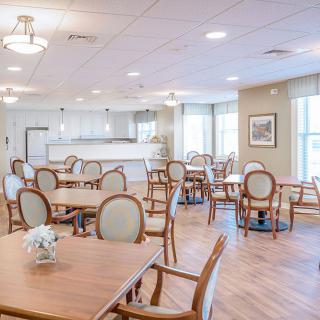



 Comprehensive Insights and Practical Strategies to Help Older Adults Avoid Falls
 6 Crucial Ways an Elder Law Attorney Assists Families
 Navigating the Tax Landscape of Caregiving: Credits, Deductions, and Beyond