
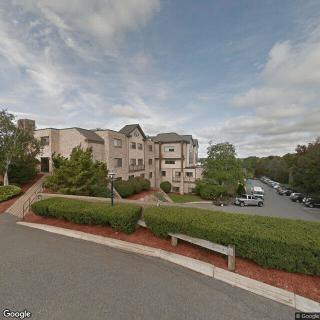
130 South Main Street, Middleton, MA 01949
To contact a resident: (781) 224-3600
For more information about senior living options: (866) 208-4318
Overall Review of Best Home Care N'More Inc.
Pros
 Best Home Care is wonderful.
- Martha has a magical flair for pairing just the right caregiver.
- Shanniel’s caregiving exceeds expectations.
- The field nurse is wonderful, knowledgeable, and supportive.
- The agency offers a wonderful, patient, and caring team to help care for loved ones.
- Ruth is awesome and highly recommended as a very good worker.
Cons
 The reviewer does not recommend Best Home Care.
- The first scheduled caregiver never showed up.
- There was a scheduling mix-up and the caregiver would not start until the following week.
- The next week the caregiver never showed up, and no one called to tell them.
- The agency's phones did not answer, leaving voicemails only.
- Milly promised to get back but never did.
- The service was described as awful, with caregivers who didn’t cook, had limited English, didn’t administer medications properly, stayed on their cell phones, and neglected basic needs.
Review
Best Home Care N’More Inc. in Middleton is best suited for families seeking intermittent, in-home non-medical support for an elderly relative who wants a warm, individually matched caregiver and can tolerate occasional scheduling hiccups. The service tends to shine when tasks are straightforward: light housekeeping, shopping assistance, meal prep, errands, and reminders as part of a daily routine. The strongest endorsements come from clients who praise Martha for careful caregiver matching and describe the field nurse as knowledgeable and supportive. When functioning well, the agency can deliver genuinely compassionate help and practical daily living support, making daily life more manageable and easing family strain.
That said, this option is not uniformly reliable. Multiple reviews detail missed visits, arrivals that are either late or far too early, and little to no advance communication when plans change. Phone access is frequently unreliable, with families reporting dead lines or voicemail overload that leaves crucial concerns unanswered for days. Beyond scheduling, some caregivers allegedly failed to perform basic tasks, mishandled medications, or spoke so little English that clear instruction could not be conveyed. For families relying on precise medication administration or on rapid, predictable response times, these gaps translate into real risk and ongoing frustration. Alternatives should be considered by those who need unwavering reliability.
Still, the positives demonstrate what the agency is capable of when the right fit is secured. Several reviews highlight a caregiver like Shanniel who delivers care that exceeds expectations, and others praise Ruth as a standout worker. The cooperative dynamic between a capable field nurse and a responsive coordinator, when present, creates a reassuring sense of comprehensive support around a loved one. In these instances, care feels coordinated and personal, providing not only practical help but genuine reassurance to families navigating aging at home.
Where the system falters, confidence wanes. The recurring scheduling and communication problems undermine trust and complicate planning, often leaving families in a reactive position rather than a proactive one. Time-card disputes, the perception of unperformed tasks billed as completed, and inconsistent oversight erode the sense of accountability that families must rely on. Language barriers further complicate safe, effective care, especially for medication routines or nuanced care instructions. Taken together, these issues can erode the value proposition and turn well-intentioned help into a source of stress.
In weighing the pros against the cons, the advantages offset the main risks only when active family involvement is built into the arrangement. A deliberate caregiver-matching process, stable assignments, and a single point of supervision can convert uneven starts into dependable support. Prospective clients should insist on a formal written care plan with guaranteed core hours, a clear escalation path, and transparent, timely communication. A trial period, thorough reference checks, and explicit expectations about tasks and English-language communication are essential. Without these safeguards, the likelihood of recurring issues remains high.
Bottom line: Best Home Care N’More Inc. can be a solid option for seniors who want in-home, non-medical assistance and have the bandwidth to oversee scheduling and caregiver consistency. When the agency’s strengths align with a family’s needs, caregivers who are compassionate, a nurse-led support structure, and thoughtful matching, the results can be deeply meaningful. However, for families that cannot tolerate frequent scheduling faults, communication breakdowns, or medication-management gaps, exploring alternatives, whether a larger home-care provider with stronger accountability or an assisted-living option with built-in supervision, is prudent. The decisive step is to demand a robust care plan, guaranteed coverage, and a clear escalation process before committing, then monitor performance closely through the initial weeks.
 Gen Edw L Logan International (15 miles away)






 A Detailed Exploration of Living Wills and Advance Directives
 Comprehensive Guide to Medicare Coverage for Hospice Care
 Caring for Those Who Care: Recognizing, Understanding, and Overcoming Caregiver Burnout