For more information about senior living options: (866) 208-4318
4.2 from 72 reviews
5 stars
42
4 stars
18
3 stars
4
2 stars
0
1 stars
8
The Atrium At Veronica Drive Costs & Pricing
The Atrium At Veronica Drive offers competitive pricing for its residential options when compared to both Essex County and the broader Massachusetts market. For a semi-private room, residents can expect to pay $4,610 per month, which is significantly lower than the county average of $5,800 and the state average of $5,805. Similarly, the cost for a studio at The Atrium is set at $5,825, which is slightly above the county's average of $5,255 but remains within reach of the state's average of $5,312. This positioning suggests that The Atrium provides value by offering quality care in a welcoming environment while maintaining costs that are generally favorable compared to surrounding options.
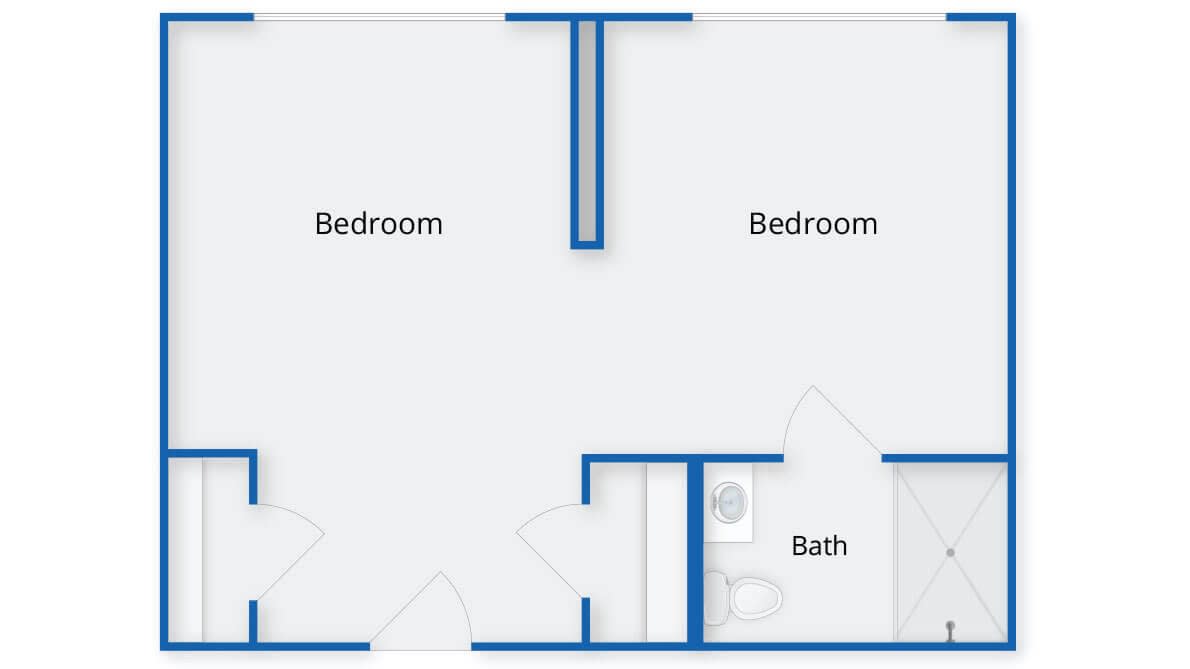
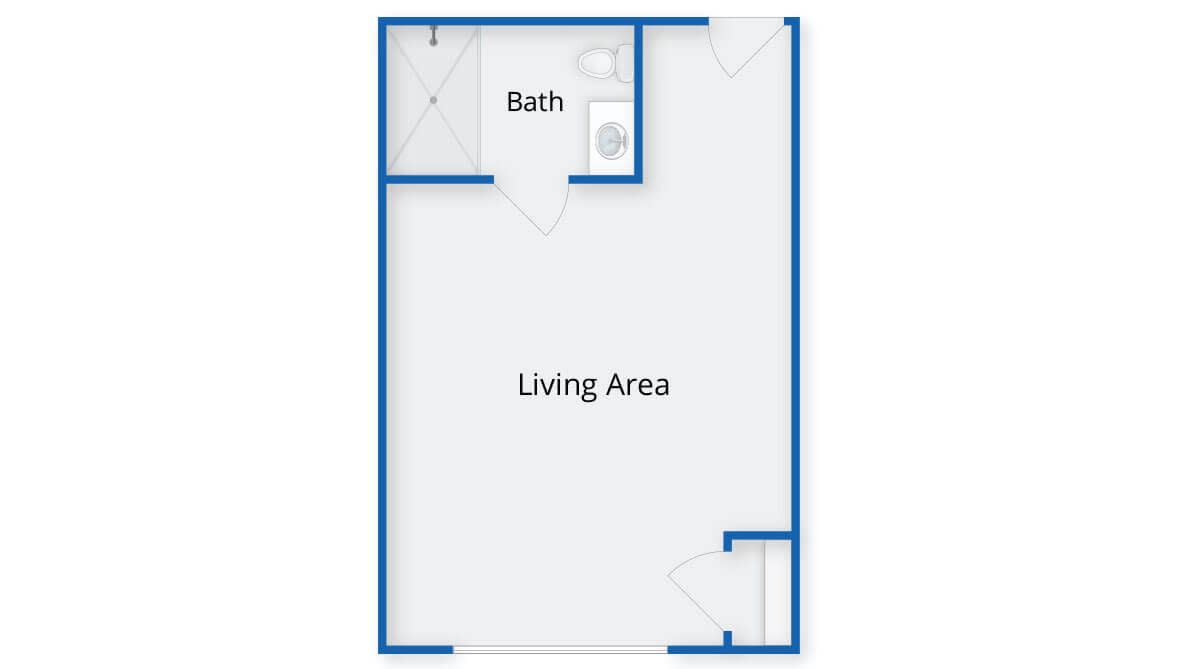
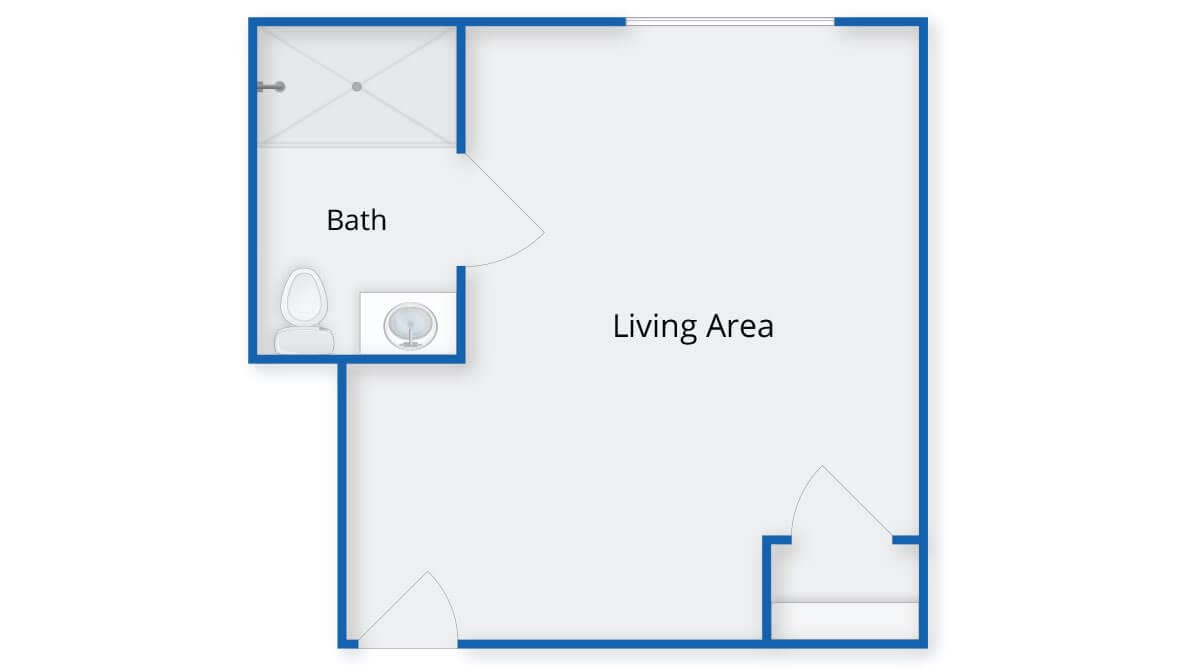
Floor plans
The Atrium At Veronica Drive
Essex County
Massachusetts
Semi-Private
$4,610
$5,800
$5,805
Studio
$5,825
$5,255
$5,312
Memory care communities with a similar price nearby
Residents and families describe staff support that makes transitions feel smoother.
Across multiple reviews, families say staff helps with the move-in transition and stays in contact as needs change. Several residents are described as being supported with activities, daily engagement, and day-to-day care while families feel kept in the loop. A few reviewers also emphasize that staff communication is a standout when it works well, including regular updates and reaching out to families.
differentiator4 reviews mention this
Secure setup and safety
Residents and families highlight a secure environment that helps with safety.
Reviewers repeatedly describe the community as safe and secure for their loved one. Some mention comfort and security tied to the staff’s presence and support, while another review specifically points to a secured area for residents who may wander. In the structured offering, the community is described as memory care, and the review themes align with families looking for day-to-day safety in that context.
caveat3 reviews mention this
Some families flag cost concerns
A number of reviewers say the cost can be a drawback.
Some reviews call out that the community is expensive or very pricey. Others contrast the price with what they felt they were getting, including mentions of how it compared to other care options. Even with strong praise for care and meals in other reviews, cost is still a recurring hesitation for a subset of families.
How we summarize
We summarize when many written reviews mention each theme; a review can touch several themes, and only frequently mentioned themes are displayed.
Features
Housing
56 resident community capacity
Studio apartments
Types of Care
Memory Care
Pets
Cats allowed
Dogs allowed
Amenities
Activities off-site
Activities on-site
Air-conditioning
Beautician on-site
Beauty salon
Cable or satellite TV
Computer center
Devotional services on-site
Dining room
Financing advice
Fitness room
Fully furnished
Gaming room
Garden
Ground floor units
Guasts at mealtime
Guest parking
Handicap accessible
Housekeeping services
Indoor common areas
Kitchenette
Laundry
Move-in coordination
Outdoor common areas
Outdoor patio
Outdoor space
Overnight guests
Party space
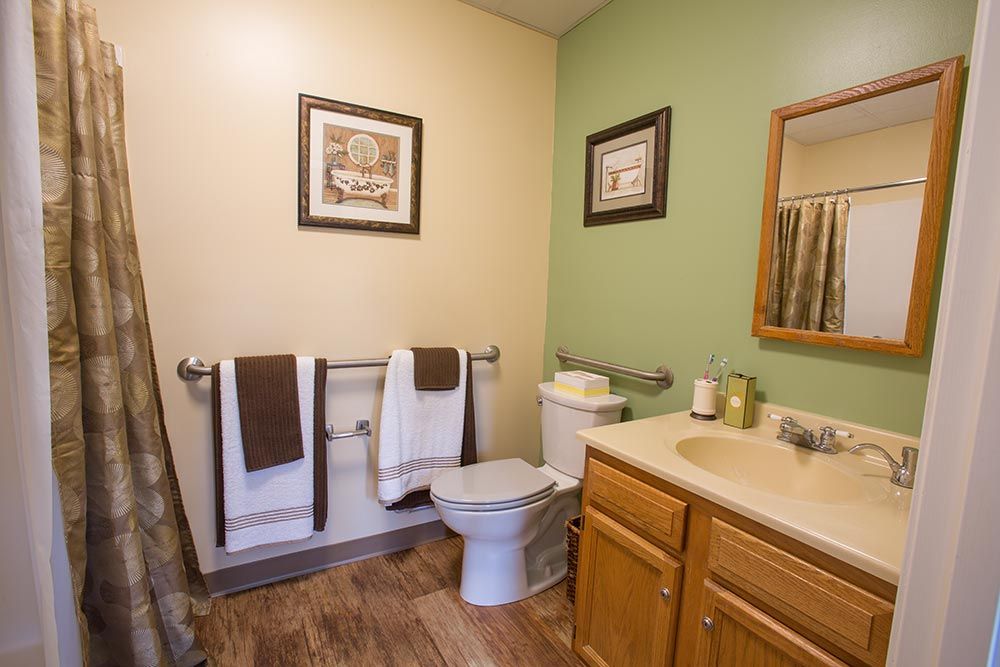
Private bathrooms
Respite or short term stays offered
Restaurant-style dining
Small library
TV room
Telephone
VA Benefits Consultation
Wellness center
Wheelchair accessible showers
Wi-Fi/high-speed internet available
Transportation
Gen Edw L Logan International (14 miles away)
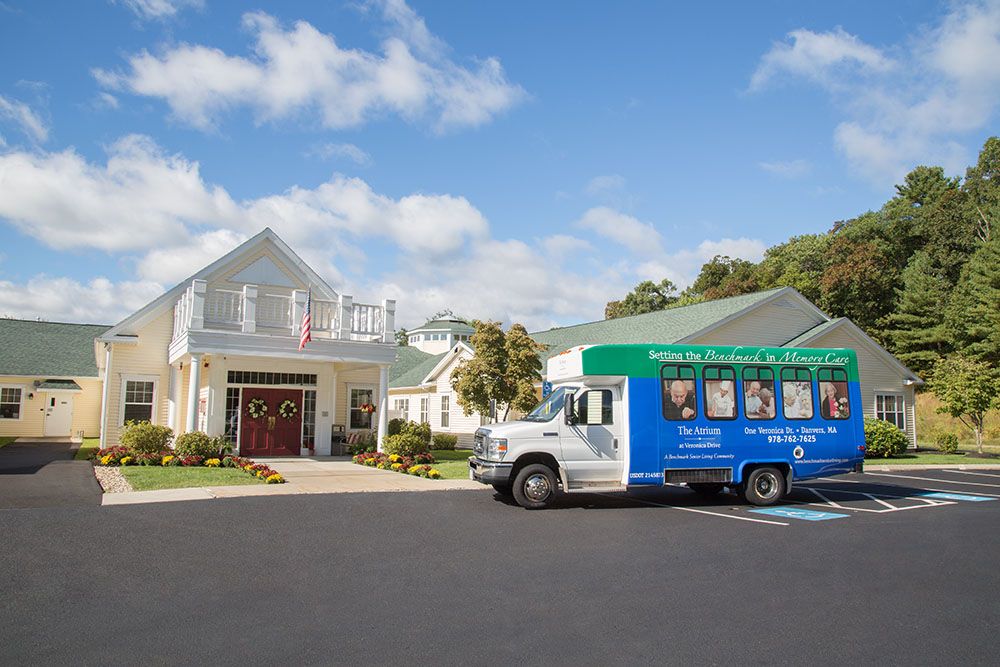
Community operated transportation
Transportation & parking
Transportation arrangement
Transportation arrangement (non-medical)
Transportation to doctors appointments
Care Services
12-16 hour nursing
24-hour call system
24-hour supervision
Activities of daily living assistance
Assistance with bathing
Assistance with dressing
Assistance with transfers
Coordination with health care providers
Dementia waiver
Diabetes diet
Hospice waiver
Incontinence care
Meal preparation and service
Medication management
Mental wellness program
Mild cognitive impairment
Physical therapy
Special dietary restrictions
Specialized memory care programming
Transportation arrangement (medical)
Transportation to doctors appointments
Dining
Anytime dining
Diabetes diet
Guest meals
Low / no sodium
Low fat
Meals provided
No Sugar
Professional chef
Restaurant style dining
Special dietary restrictions
Special dining programs
Vegan
Vegetarian
Activities
Activities off-site
Art classes
Arts and crafts
Book club
Community-sponsored activities
Concierge services
Cooking classes
Cooking club
Day trips and outings
Devotional activities on-site
Educational speakers / life long learning
Fitness programs
Games
Gardening club
Karaoke
Live dance or theater performances
Live musical performances
Live well programs
Other religious services
Planned day trips
Religious services
Resident-run activities
Scheduled daily activities
Stories
Stretching classes
Tai Chi
Wii bowling
Yoga / chair yoga
Videos
Nearby Places of Interest
This part of Danvers, Massachusetts offers a variety of amenities and services that may appeal to seniors looking for a convenient and vibrant community. There are several restaurants and cafes within a short distance, providing plenty of options for dining out or grabbing a coffee. The proximity to places of worship can offer spiritual fulfillment, while nearby hospitals and pharmacies ensure access to medical care. The availability of physicians in the area also provides peace of mind for any healthcare needs. In terms of recreation, there are parks within driving distance for leisurely walks or outdoor activities. Additionally, the MBTA Salem Station offers easy access to public transportation for those who may not drive. Overall, this part of Danvers combines convenience and accessibility with opportunities for social engagement and relaxation, making it a potentially attractive location for senior living.
Restaurants
McDonald's (0.7 miles)
Mexicali Cantina Grill (1.3 miles)
Sylvan Street Grille (2 miles)
Richardson's Ice Cream (2 miles)
Su Chang's (2.1 miles)
Taco Bell (2.2 miles)
Kelly's Roast Beef (2.2 miles)
Cafes
Perfecto's Caffe (1.1 miles)
Starbucks (2 miles)
Starbucks (4.6 miles)
Starbucks (5.3 miles)
Caffe Nero (5.3 miles)
Jaho Coffee & Tea (5.5 miles)
Starbucks (5.7 miles)
Places of Worship
St Richard Catholic Church (1.2 miles)
Danvers Church Of The Nazarene (1.3 miles)
Temple B'Nai Abraham (5.9 miles)
First Church Nursery School (7.1 miles)
The Church of Jesus Christ of Latter-day Saints (7.4 miles)
Lynn Spanish Branch Latter-day Saints (7.4 miles)
Hospitals
Danvers State Hospital (1.6 miles)
Childrens Hospital Peabody (2.9 miles)
Northeast Hospital Corporation (5.3 miles)
Beverly Hospital (5.3 miles)
Pharmacies
CVS Pharmacy (1.9 miles)
CVS Pharmacy (2.3 miles)
Walgreens (2.5 miles)
CVS Pharmacy (2.5 miles)
CVS Pharmacy (3.4 miles)
Walgreens (3.8 miles)
CVS Pharmacy (4.1 miles)
Physicians
The New England Facial and Cosmetic Surgery Center (2 miles)
Asthma & Allergy Affiliates (2 miles)
Harvard Vanguard Medical Associates - Peabody-Lynnfield (2.4 miles)
The Atrium At Veronica Drive offers competitive pricing for its residential options when compared to both Essex County and the broader Massachusetts market. For a semi-private room, residents can expect to pay $4,610 per month, which is significantly lower than the county average of $5,800 and the state average of $5,805. Similarly, the cost for a studio at The Atrium is set at $5,825, which is slightly above the county's average of $5,255 but remains within reach of the state's average of $5,312. This positioning suggests that The Atrium provides value by offering quality care in a welcoming environment while maintaining costs that are generally favorable compared to surrounding options.
The Atrium At Veronica Drive offers a comprehensive array of features designed to support residents with memory care needs. With 24-hour supervision, residents receive constant monitoring and immediate assistance, ensuring their safety and security. Assistance with activities of daily living, including bathing and dressing, helps maintain dignity while fostering independence within a supportive environment. Coordination with healthcare providers and medication management ensures that all health needs are addressed promptly, reducing the burden on families. The dementia waiver allows for specialized care tailored to individual cognitive levels, complemented by mental wellness programs that promote emotional health. Specialized memory care programming is implemented to engage residents meaningfully, while physical therapy supports mobility and overall well-being. Incontinence care provides comfort and privacy, meal preparation ensures nutritious diets are maintained, and transportation arrangements facilitate access to necessary medical appointments--all contributing to a holistic approach in addressing the complex needs of individuals living with Alzheimer's disease or dementia.
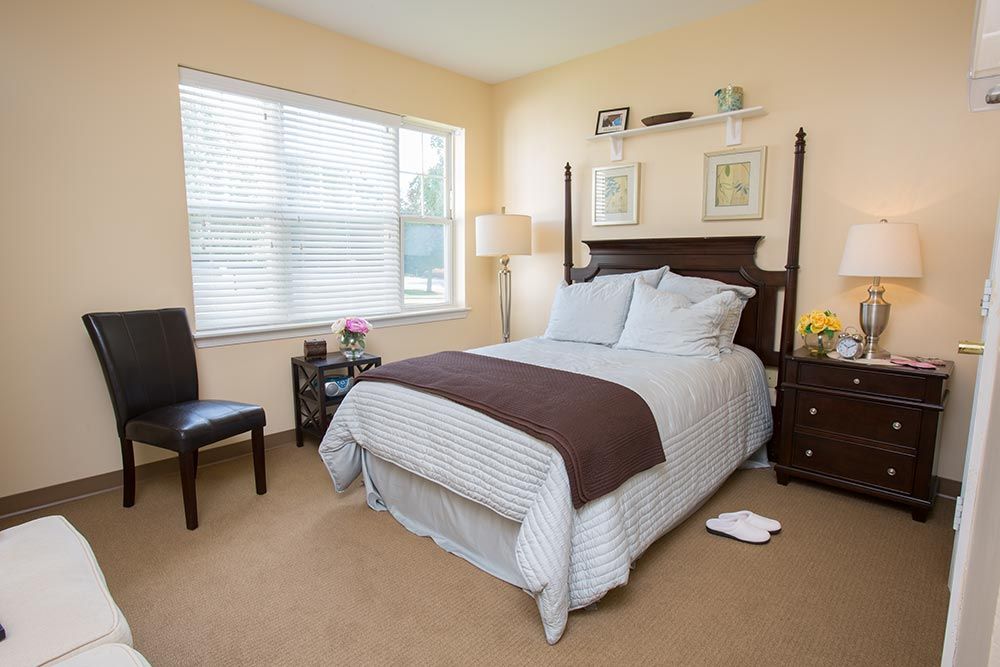
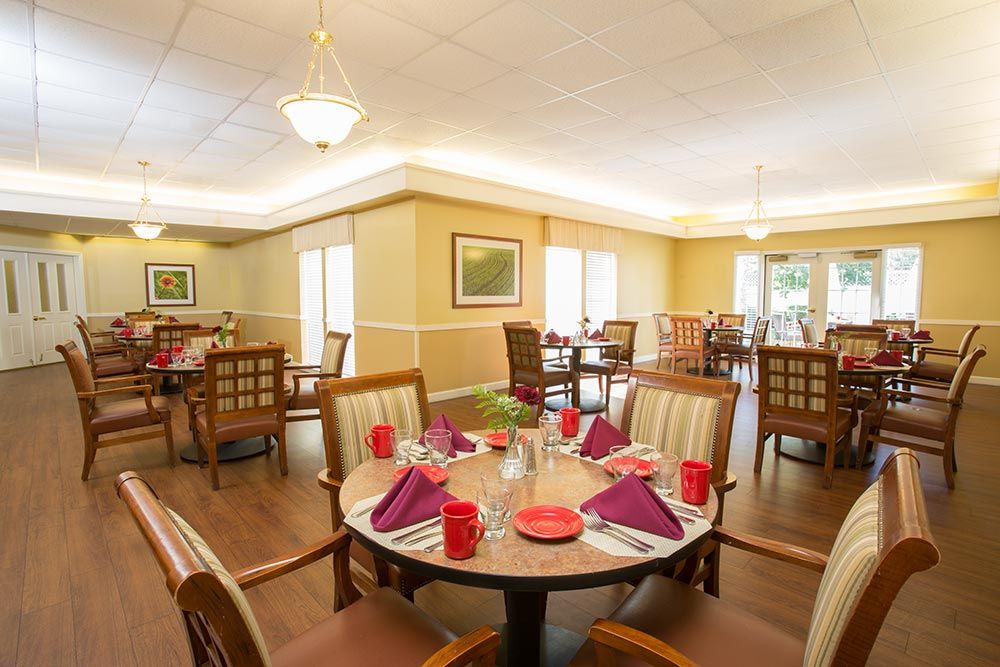
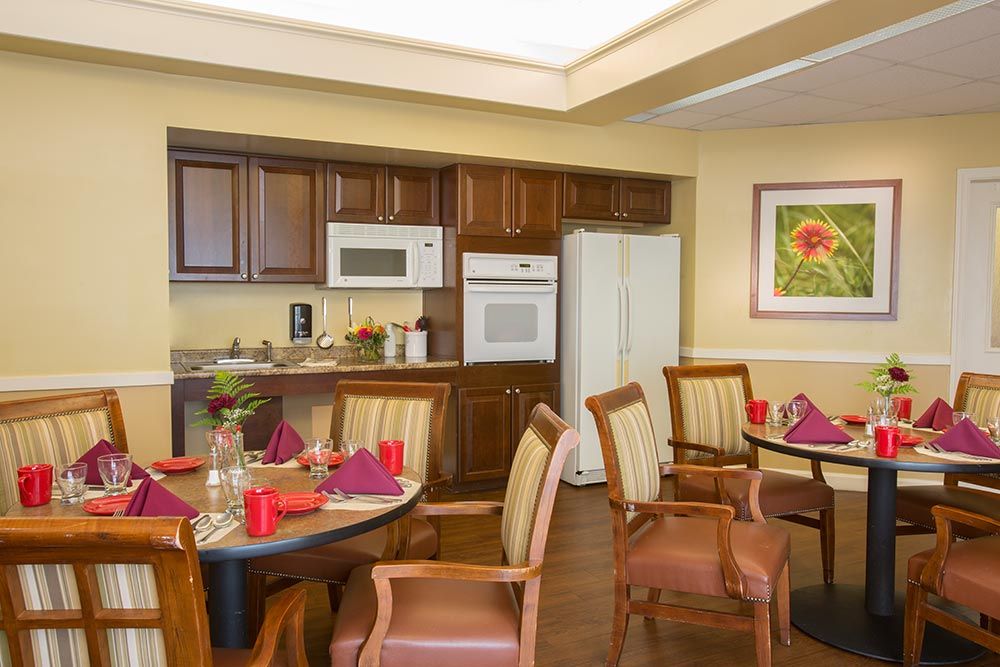
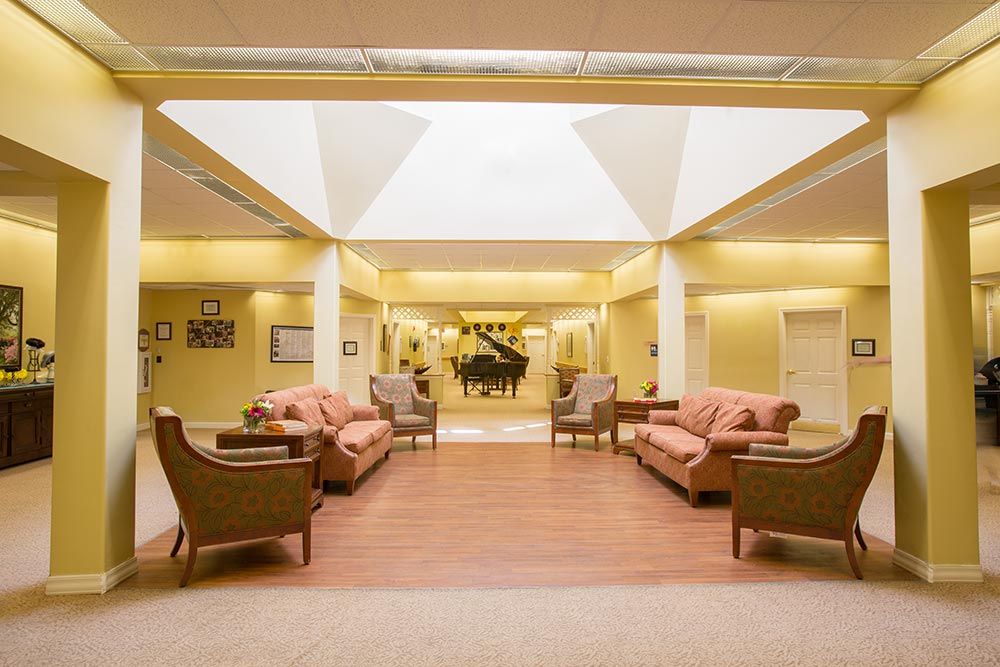
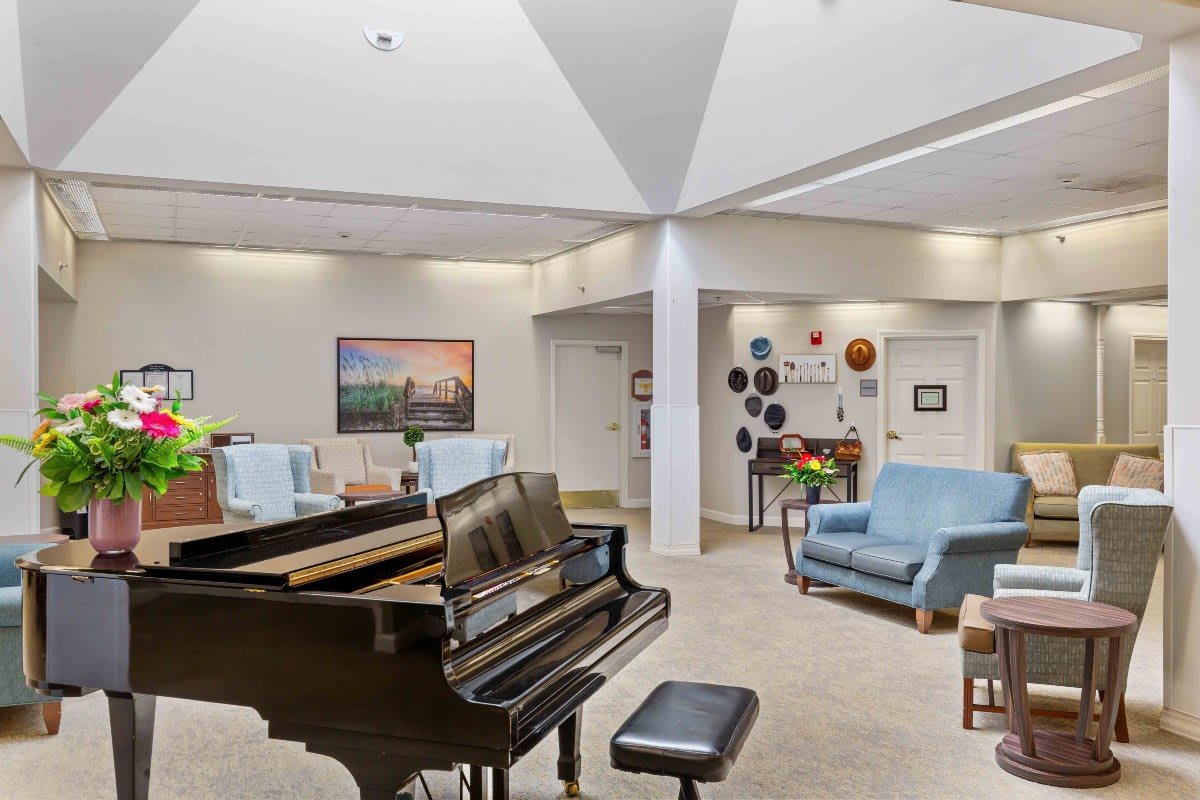
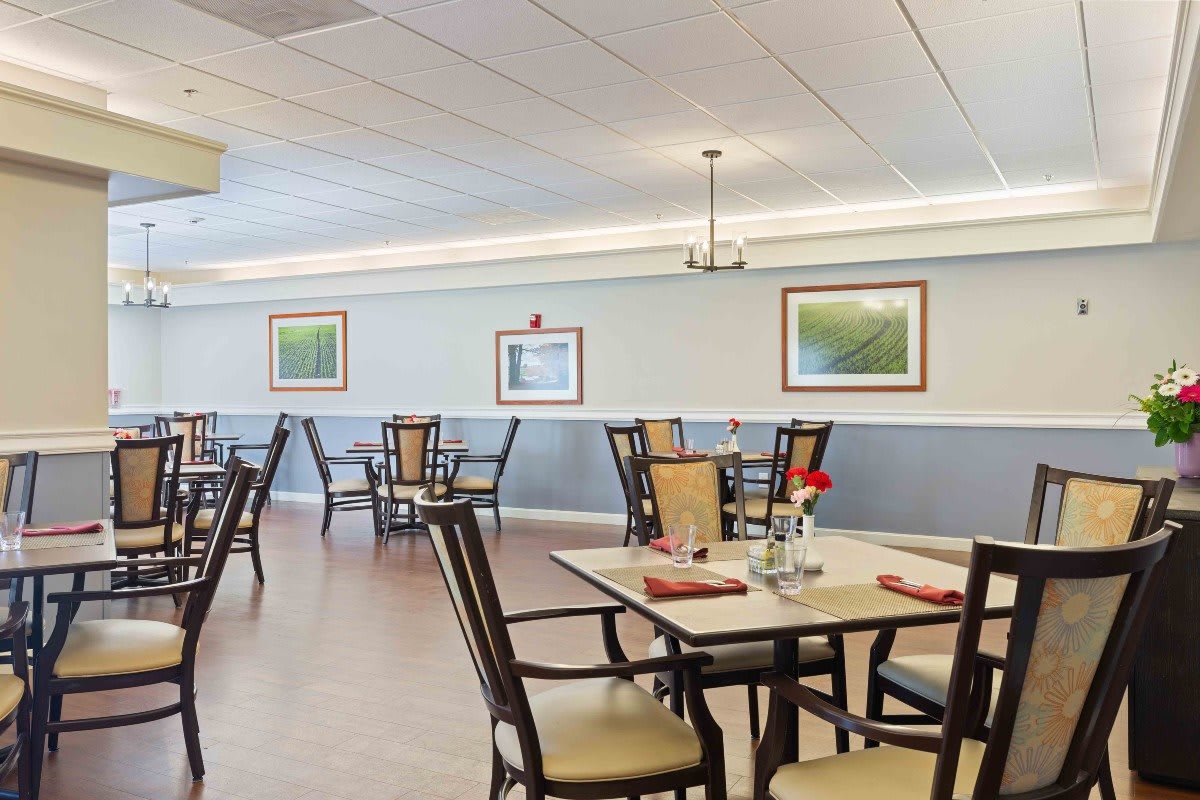
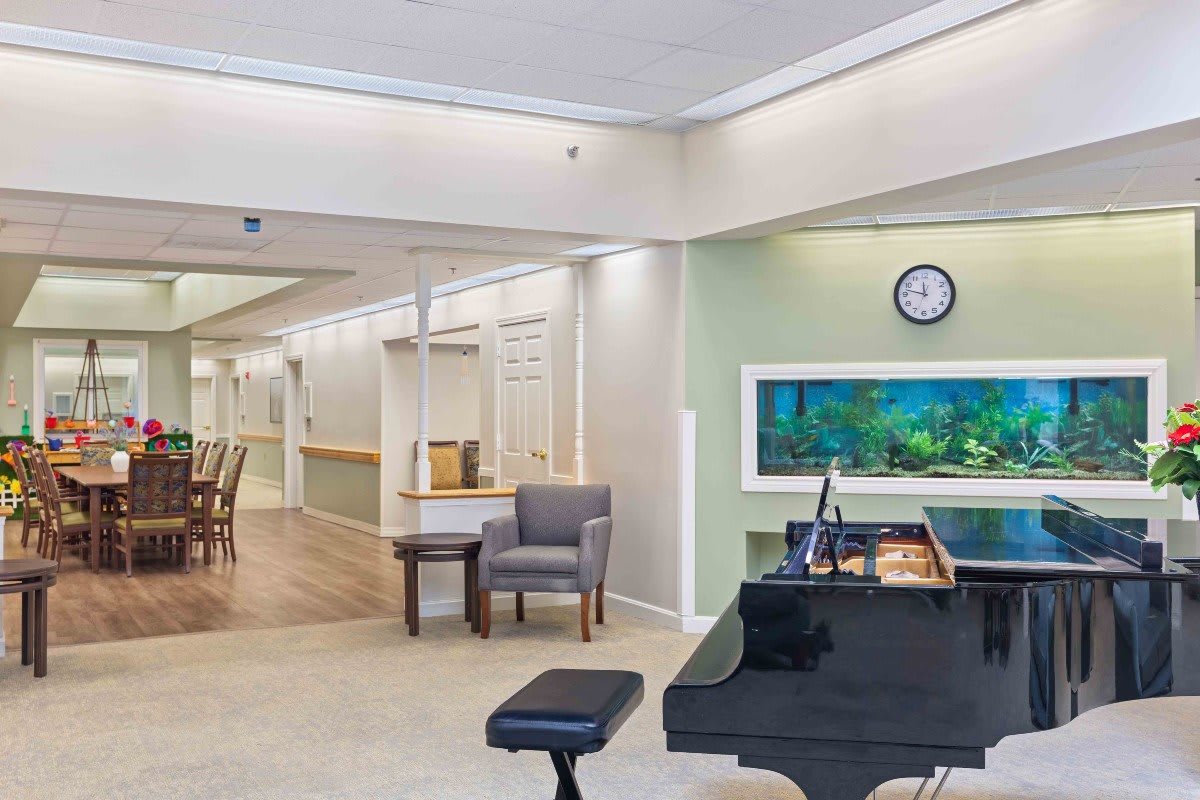
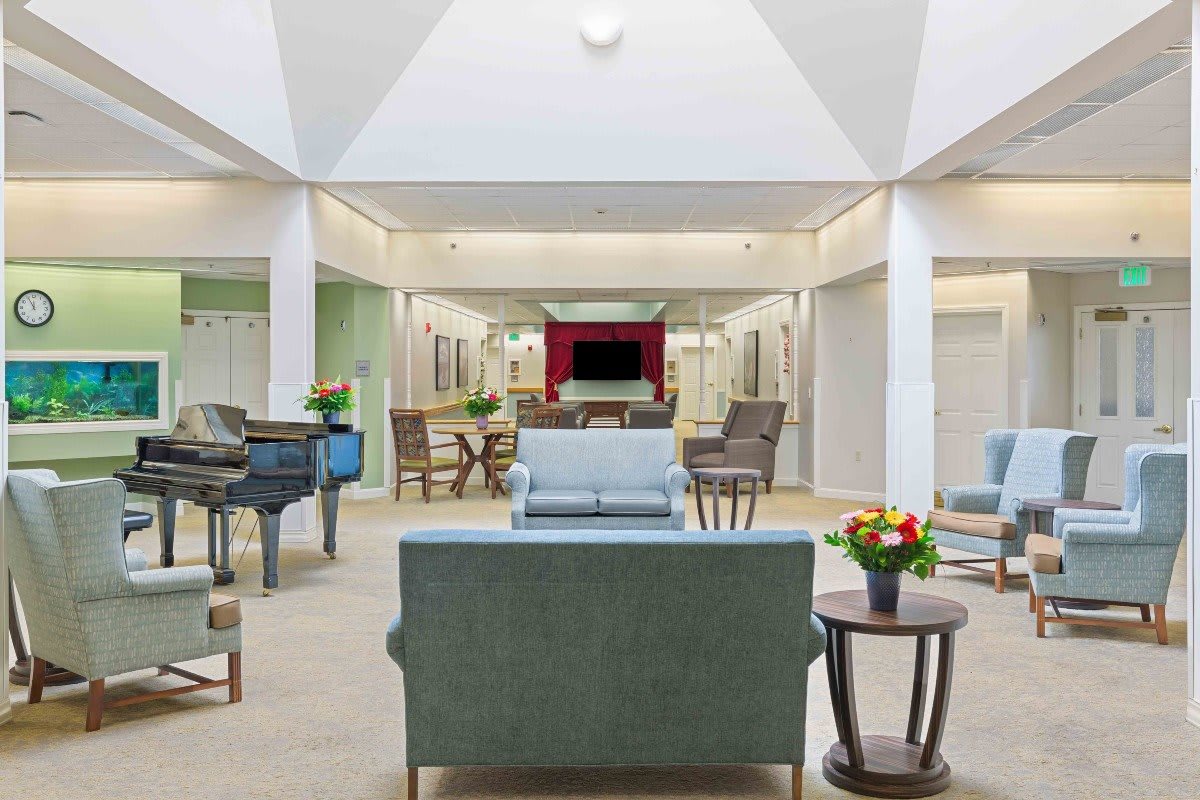
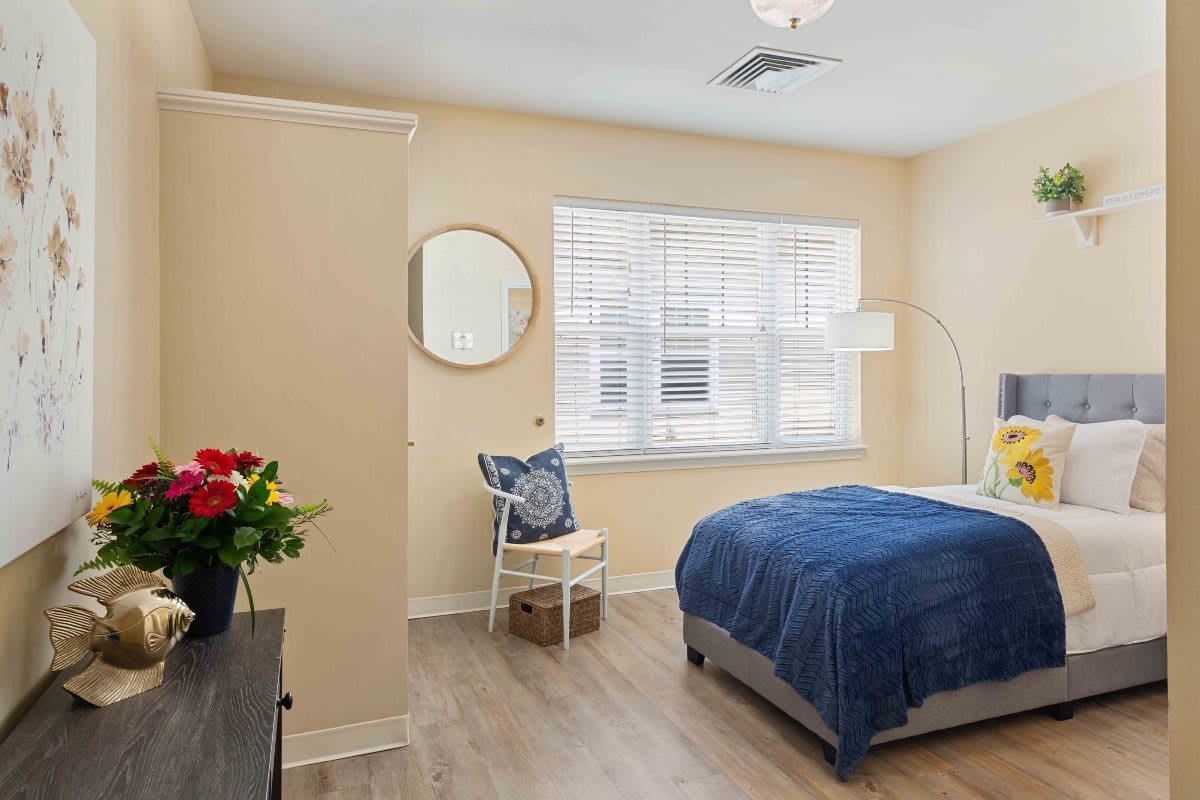
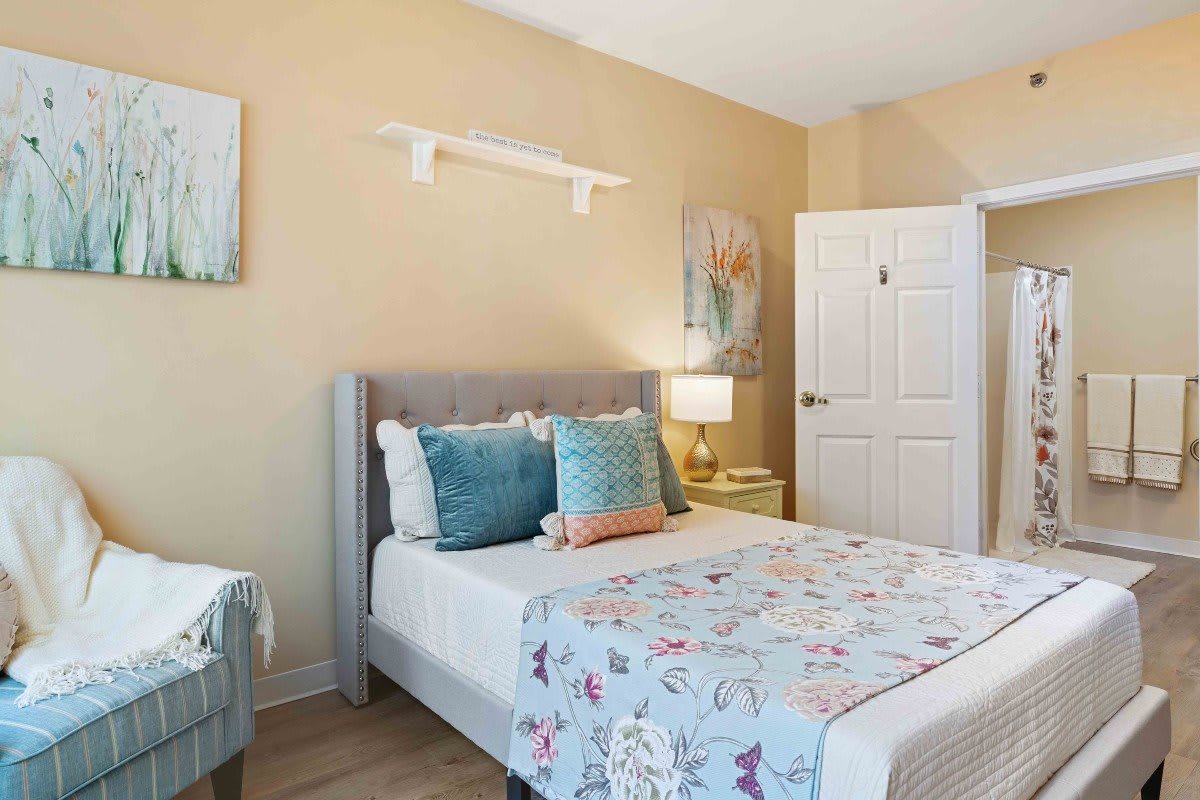
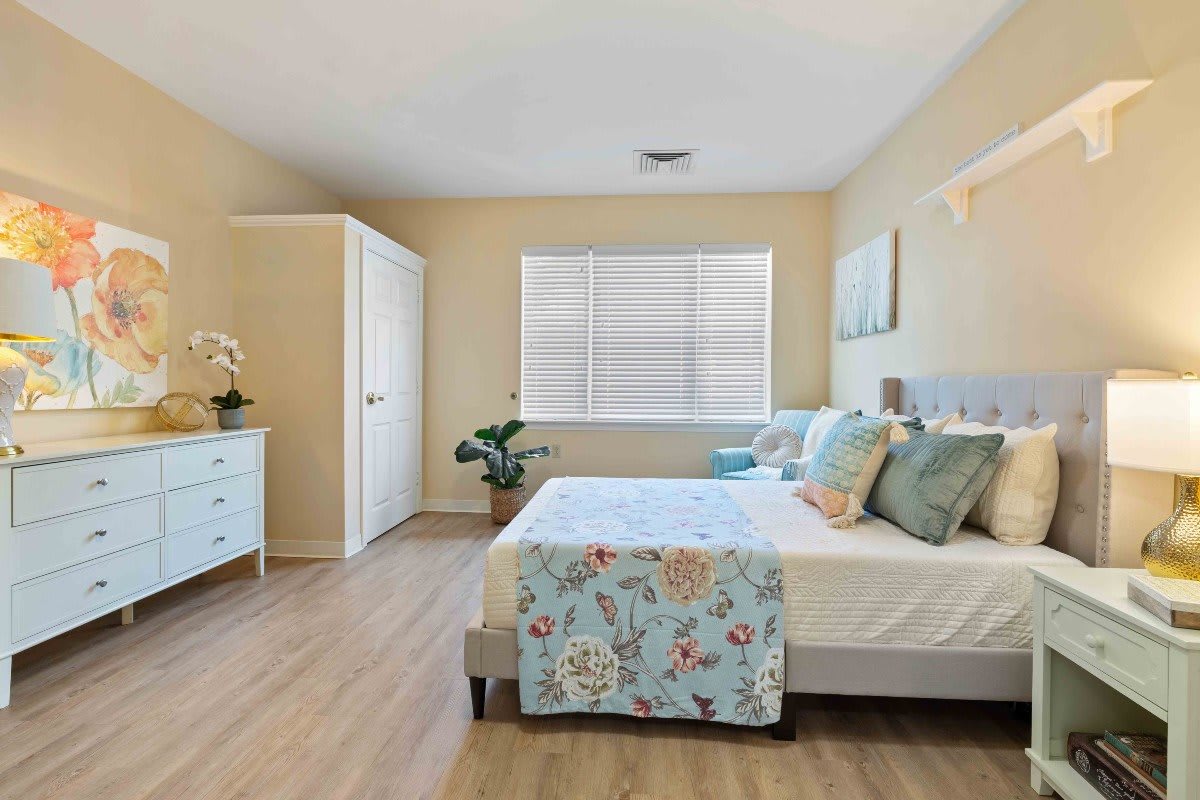
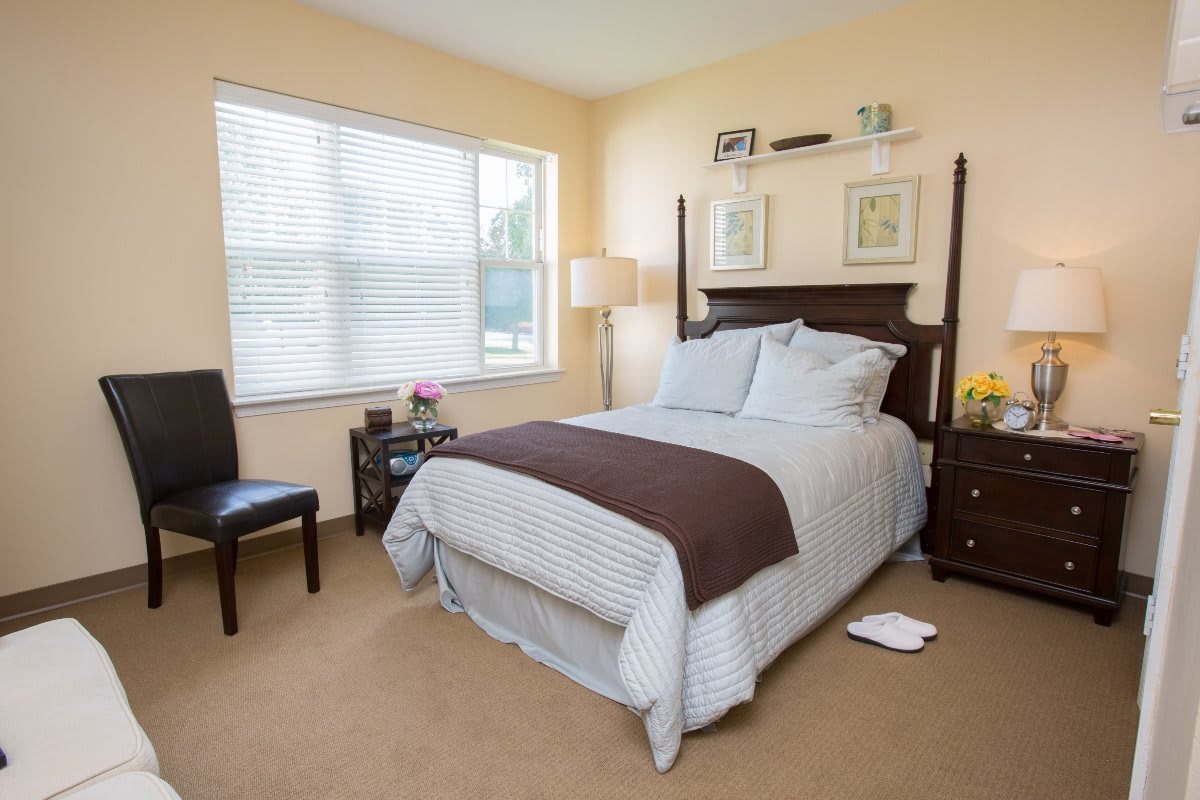
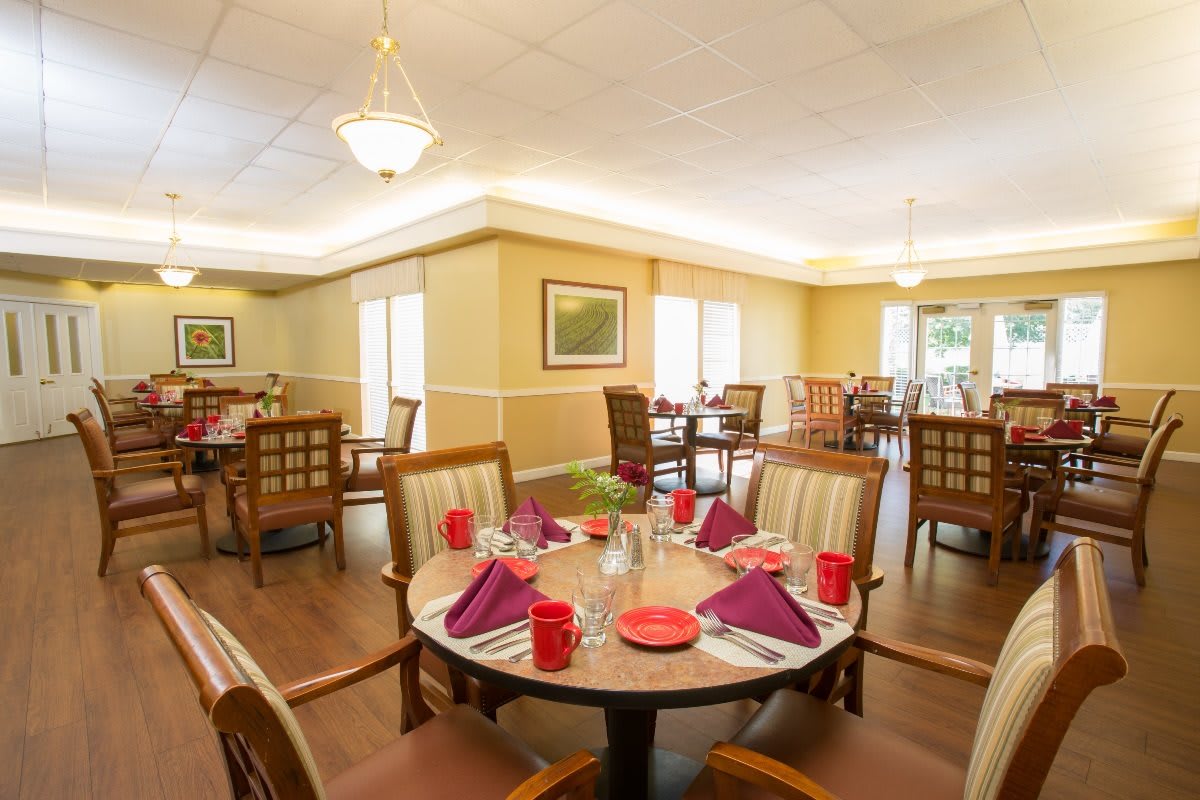
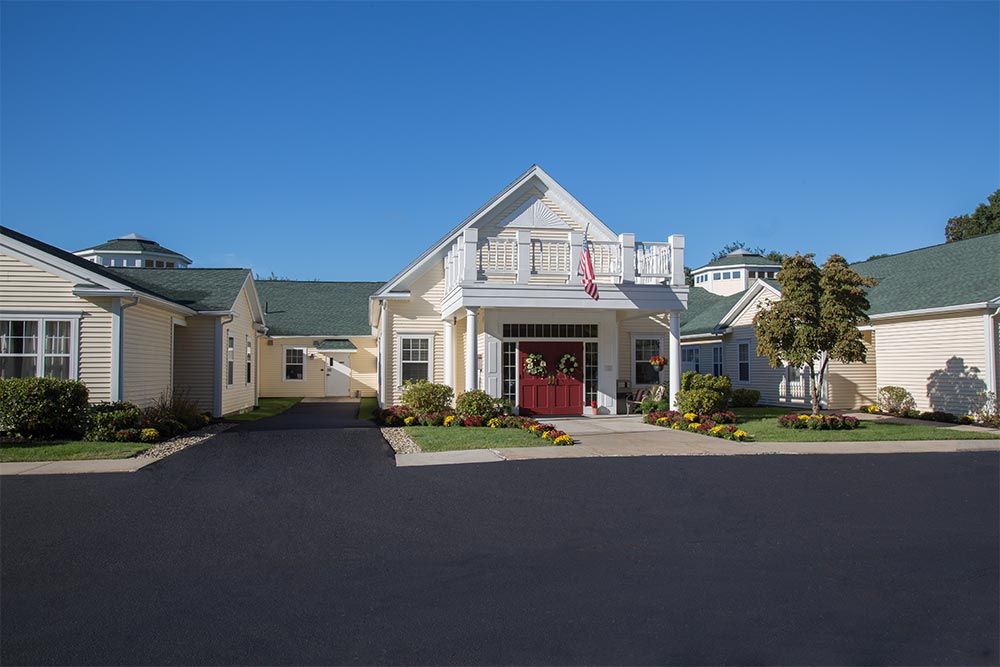
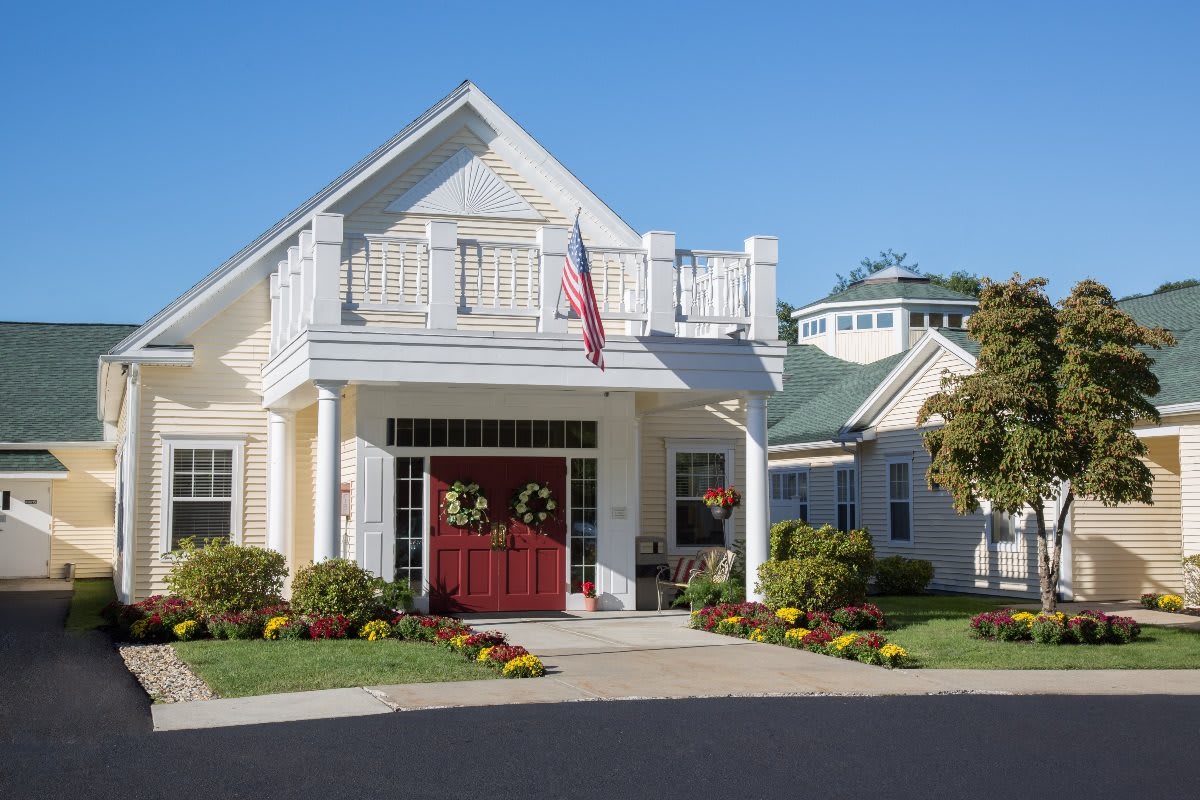
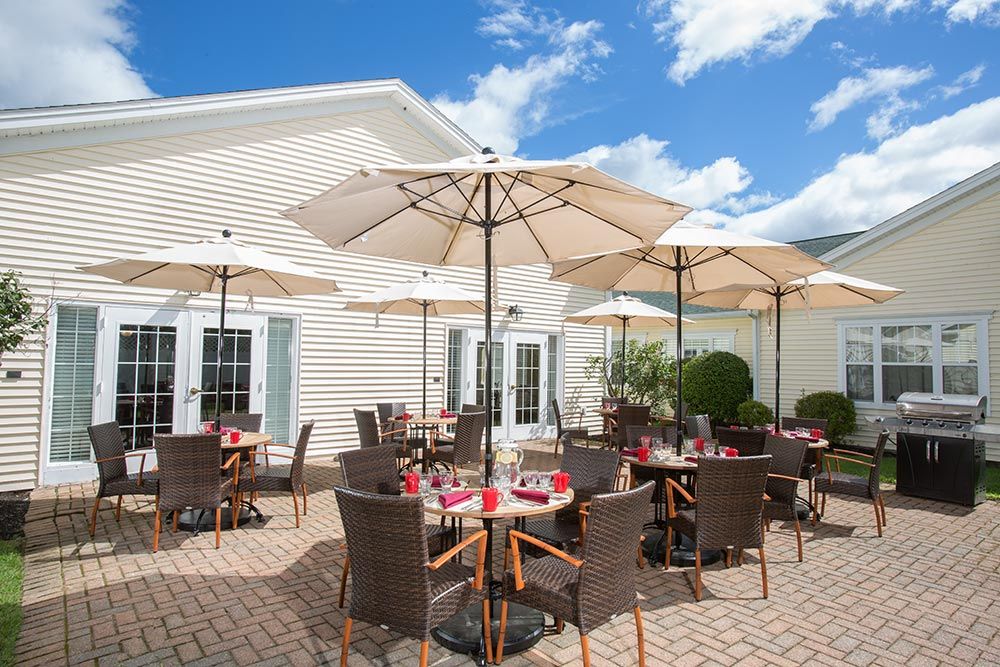
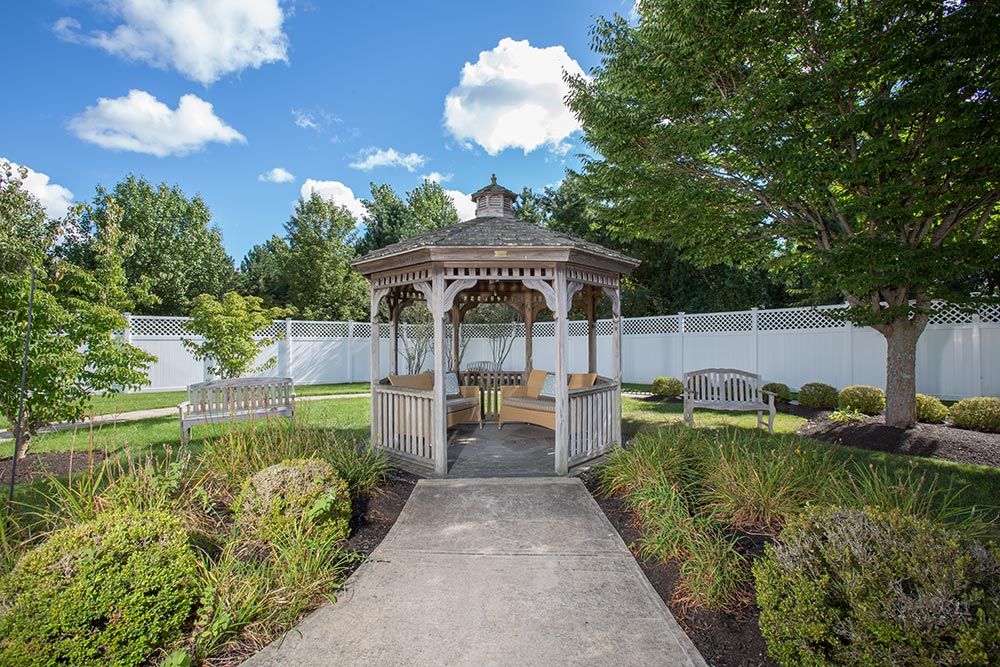
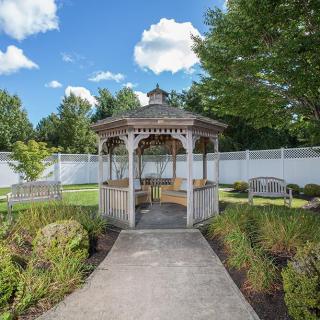
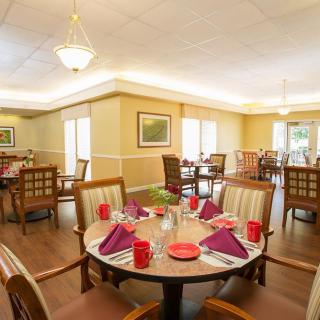
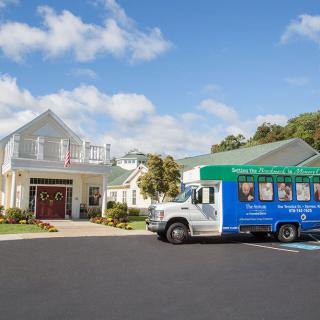
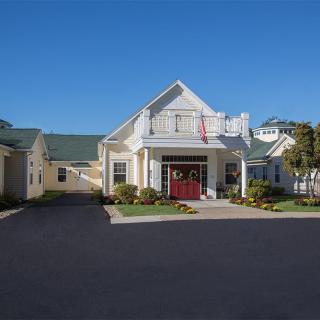
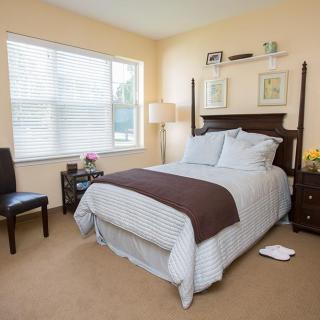
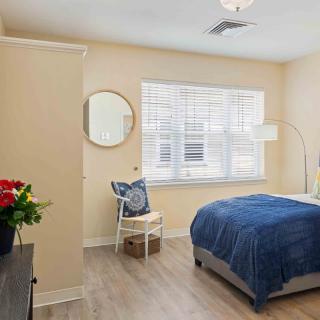
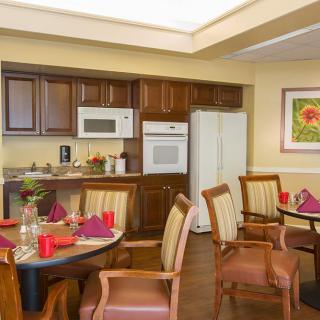
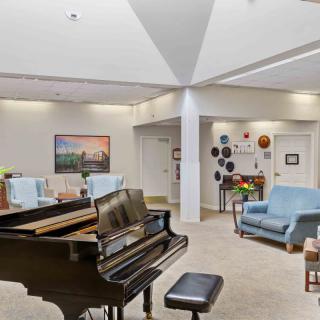
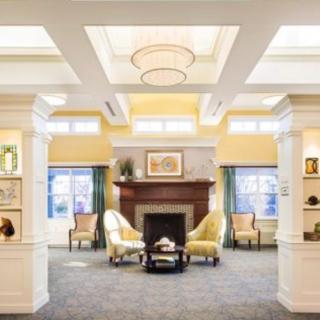
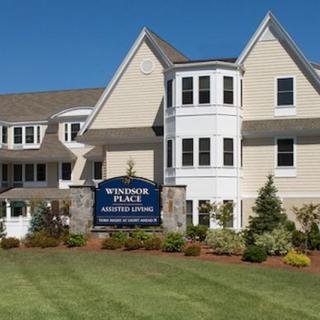
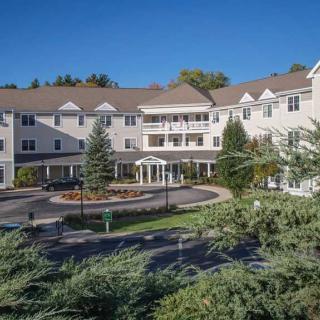
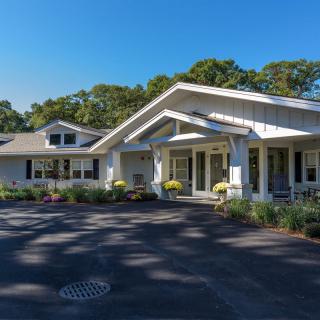
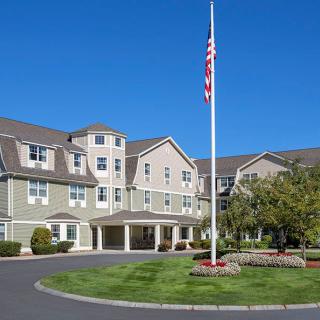
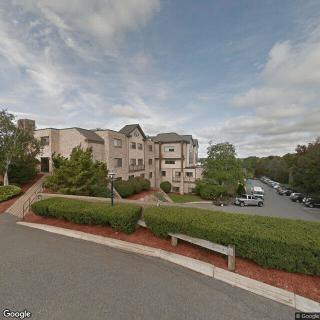
The Atrium At Veronica Drive on seniors.fyi includes 31 photos including images showing interior, dining, decor, bedroom, floor plan, landscaping, bathroom, windows, and more.
Nearby Communities
Arcadia Home Care & Staffing
Danvers, MA
5 from 2 reviews
$5,955 to $7,741 / month
Extensive amenities and easy access to healthcare, dining, and transport.
Senior Helpers Boston North
Danvers, MA
4.3 from 18 reviews
Reduces family stress with attentive, valued care for mom.
Continuing Care At Brooksby Village
Peabody, MA
3.5 from 2 reviews
Pleasant, friendly staff in a clean, activity-rich community with extensive amenities.
Brooksby Village
Peabody, MA
3.7 from 49 reviews
$1,687 to $11,640 / month
Vibrant community with extensive amenities and well-maintained grounds.
Hathorne Hill
Danvers, MA
4.7 from 125 reviews
Compassionate staff, a clean, hotel-like setting, and engaging activities with tailored meals.
Seasons of Danvers
Danvers, MA
4.4 from 27 reviews
$5,400 to $7,150 / month
Dedicated staff with engaging activities and a clean, well-maintained environment.
Benchmark Senior Living At Putnam Farm
Danvers, MA
4.6 from 68 reviews
$4,050 to $8,750 / month
Beautiful, well-maintained community with friendly, proactive staff and engaging on-site activities.
CareOne at Peabody
Peabody, MA
4.4 from 112 reviews
Attentive, compassionate staff in a clean, welcoming setting with strong rehab support.
Herrick House
Beverly, MA
4.5 from 13 reviews
$4,340 to $5,500 / month
Upscale, clean environment with attentive staff and strong security.
Transitioning from assisted living to memory care is driven by an individual's cognitive decline and specific needs, requiring careful evaluation of indicators like increased confusion and wandering. The process involves consulting medical professionals, researching suitable communities, considering financial and legal aspects, and ensuring effective communication for personalized care plans.
The article differentiates between assisted living and memory care, explaining that assisted living supports seniors with daily activities while promoting independence, whereas memory care provides specialized services for individuals with dementia, focusing on secure environments and cognitive support. It also addresses staff training, safety considerations, costs, family involvement, and transition strategies for families navigating these care options.
The article outlines effective communication strategies for interacting with loved ones with dementia, highlighting the need for empathy, patience, and understanding while emphasizing supportive approaches like using simple language, minimizing distractions, and focusing on feelings over facts to maintain dignity and foster connection. It also suggests seeking professional guidance when needed as communication challenges evolve.
Get PricingAsk A QuestionSchedule A TourContact Senior Advisor
By clicking submit, you agree to our Partner's Terms of Use. You
also consent to receive calls and texts, which may be autodialed, from our Partner. Your consent is not a condition to
using our Partner's service. Please visit our Partner's Privacy Policy for information about their privacy practices.









 56 resident community capacity
 Studio apartments
 Memory Care
 Cats allowed
 Dogs allowed
 Activities off-site
 Air-conditioning
 Beautician on-site
 Cable or satellite TV
 Computer center
 Devotional services on-site
 Dining room
 Financing advice
 Fitness room
 Fully furnished
 Gaming room
 Garden
 Ground floor units
 Guest parking
 Handicap accessible
 Housekeeping services
 Indoor common areas
 Kitchenette
 Laundry
 Move-in coordination
 Outdoor common areas
 Outdoor patio
 Overnight guests
 Party space
 Private bathrooms
 Respite or short term stays offered
 Restaurant-style dining
 Small library
 Telephone
 Wellness center
 Wheelchair accessible showers
 Wi-Fi/high-speed internet available
 Gen Edw L Logan International (14 miles away)
 Community operated transportation
 12-16 hour nursing
 24-hour call system
 Assistance with bathing
 Assistance with dressing
 Assistance with transfers
 Diabetes diet
 Hospice waiver
 Incontinence care
 Medication management
 Mental wellness program
 Physical therapy
 Special dietary restrictions
 Transportation arrangement (medical)
 Art classes
 Book club
 Concierge services
 Cooking classes
 Day trips and outings
 Educational speakers / life long learning
 Games
Games Karaoke
 Live dance or theater performances
 Live musical performances
 Wii bowling
 Extensive amenities and easy access to healthcare, dining, and transport.
 When to Transition from Assisted Living to Memory Care: Key Indicators, Steps, and Finding the Right Community
 Understanding the Distinctions: Assisted Living and Memory Care Explained
 How to Communicate with a Loved One Living with Dementia: 10 Supportive Strategies