


40 Sunset Avenue, Lenox, MA 01240
For more information about senior living options: (866) 208-4318
Overall Review of Kimball Farms Nursing Care Center
Pros
 The staff at Kimball Farms rehab center are incredibly capable and caring, going the extra mile.
- The facility provides excellent rehabilitation services with outstanding PT and OT personnel.
- The aides and nurses are extremely caring, and residents are well taken care of.
- The environment feels welcoming with clean rooms and comfortable, hotel-like amenities.
- Dining options are generous and meals are delicious, with both private dining and in-room service.
- The staff are friendly, courteous, and make residents feel at home.
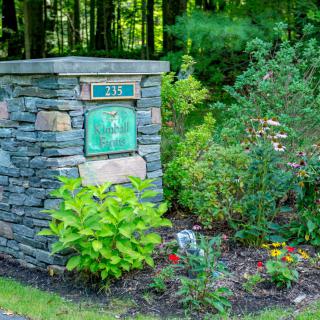
- The grounds are nice, secure, and well-maintained, with opportunities for fresh air.
- Families consistently praise Kimball Farms and would highly recommend it.
Cons
 They noted minimal staffing and that residents were often kept waiting to use the bathroom.
- They described the facility as small with not much room for residents to move around.
- Physical therapy was difficult to work with.
- There wasn’t really a comfortable place to sit.
- The staff were mostly very young and not as knowledgeable as they could be.
- The food was not as good as it could be.
- A few residents were unhappy.
Review
Kimball Farms Nursing Care Center in Lenox is best suited for families seeking a small, rehab-focused community where staff genuinely invests in hands-on, compassionate care and where a home-like, hotel-inspired atmosphere accompanies strong rehabilitation services. The center shines for residents who need short- to medium-term rehab after surgery or illness and who benefit from a tight-knit environment, easy access to therapists, and consistent daily routines. The facility’s intimate size translates into personalized attention, clean rooms, and a calm setting that supports recovery without the bustle of a larger campus. In short, it is a compelling option for those prioritizing attentive nursing and robust PT/OT in a warmly maintained space.
Pros that matter most for decision-making are clear and meaningful: disciplined rehabilitation programming, attentive nursing and aide staff, and a genuine culture of kindness that permeates meals, housekeeping, and interactions with visitors. The rehabilitation team, particularly physical and occupational therapy, receives frequent praise for expertise and encouragement. Families repeatedly note that the staff’s dedication translates into real progress and peace of mind, with caregivers who remember individual preferences and demonstrate a steady, reassuring presence. The dining experience and room setting reinforce the sense of quality and comfort, with private bathrooms in many rooms and multiple dining options that still feel intimate and resident-centered.
However, the strongest strengths must be weighed against pragmatic caveats. The center’s small footprint means limited common areas and circulation space, which can make the facility feel restrictive for residents who crave more movement or social variety. Staffing, while caring and capable, is described as comprising many younger aides who are kind and diligent but not always as seasoned as staff at larger campuses. This translates into occasional shortfalls in issue resolution, longer waits for routine tasks like bathroom usage, and a sense that some routines could be streamlined with more experienced hands. For families seeking a facility with abundant social programming, expansive lounges, or highly specialized memory-care capabilities, alternatives may offer more breadth.
This balance between standout care and limited space matters most for choosing this center. The pros, excellent rehab services, consistently kind nursing support, and a tone of hospitality that makes families feel welcome, often outweigh the cons for residents focused on recovery and personal attention. The environment supports dignity and independence where possible, with secure grounds, a quiet setting, and the option to dine in private or in well-appointed dining rooms. Yet the small scale can cap spontaneity: fewer everyday lounging options, fewer casual meeting spots, and a cadence of activity that may not suit anyone seeking a highly dynamic, program-rich campus.
Resident experience, as reflected in multiple family voices, emphasizes warmth, respect, and the sense that staff take ownership of each patient’s well-being. The facility earns high marks for cleanliness, upkeep of rooms, and the overall aesthetic that many describe as hotel-like, an important factor for comfort during a stressful transition. Food quality is repeatedly praised, with feedback indicating meals feel thoughtful, flavorful, and capable of accommodating varied tastes. Security is cited as solid, and the grounds are described as peaceful and well-kept, with outdoor time available for those who wish to enjoy fresh air with supervision. These elements collectively foster a comfortable, reassuring setting for recovery and rehab.
For families weighing next steps, Kimball Farms operates best when rehabilitation and attentive, personable care are the central priorities. It is less suited for those who need a larger, more bustling campus with abundant social programming, or for residents requiring around-the-clock, highly specialized medical oversight that a bigger, more diverse facility might deliver. Prospective buyers should verify staff-to-resident ratios, confirm PT/OT scheduling and availability, and request a tour focused on common areas, dining flow, and privacy options. In making a decision, align expectations with the community’s strengths: exceptional rehab capability and a warm, individualized care ethos, offset by the realities of a smaller footprint and a relatively young staff contingent.
 74 resident community capacity
 Assisted Living
 Independent Living
 Memory Care
 Skilled Nursing Facility
 Air-conditioning
 Beauty salon
 Cable or satellite TV
 Computer center
 Dining room
 Fitness room
 Fully furnished
 Gaming room
 Garden
 Housekeeping services
 Kitchenette
 Move-in coordination
 Outdoor space
 Private bathrooms
 Restaurant-style dining
 Small library
 Telephone
 Wellness center
 Wi-Fi/high-speed internet available
 Community operated transportation
 12-16 hour nursing
 24-hour call system
 Activities of daily living assistance
 Assistance with bathing
 Assistance with dressing
 Assistance with transfers
 Diabetes diet
 Medication management
 Mental wellness program
 Special dietary restrictions
 Concierge services
 Planned day trips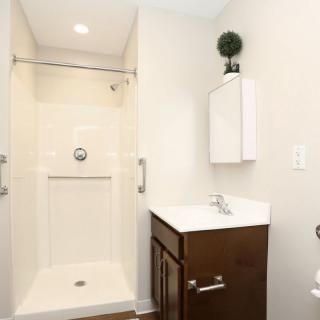






 Engaging Memory Care Activities That Enhance Quality of Life
 When to Transition from Assisted Living to Memory Care: Key Indicators, Steps, and Finding the Right Community
 Understanding the Distinctions: Assisted Living and Memory Care Explained