

620 Laurel Street, Lee, MA 01238
For more information about senior living options: (866) 208-4318
Overall Review of Lee Healthcare
Pros
 The staff are wonderful, loving, and caring.
- The teamwork among CNAs, LPNs, and RNs is amazing.
- The staff consistently go above and beyond for residents.
- Laurel Lake seems very nice, flexible, and welcoming, with accommodating staff.
- Laurel Lake Rehab and OT provided her with strength and helped her live more independently.
- The facility is clean, sanitary, and well maintained, with friendly and prompt staff.
- The leadership team, including the DON, ADON, and the executive director, is supportive and available for questions.
Cons
 The staff neglected their duties toward patients.
- There was no communication from doctors about changes in medication.
- The unit staff were rude and dismissive.
- Families were not alerted when a patient was sent to the hospital.
- The rooms were unsanitary with constant trash overflow and dirty floors.
- The facility was severely understaffed and unsafe, with residents neglected.
- A patient was vaccinated without consent and family wishes were ignored.
- A patient was heavily medicated and received minimal care, contributing to deterioration.
- The food quality was extremely poor, described as inedible.
Review
Lee Healthcare in Lee, MA is best suited for families who can act as vigilant advocates, stay deeply involved in daily care decisions, and tolerate a high degree of variability in care quality. This is not a place to rely on consistent, proactive medical oversight or dependable day-to-day cleanliness. It may be workable as a short-term rehab stop only if family members are prepared to press for timely therapy and to demand clear, ongoing updates from staff. For long-term residents whose needs include steady medical management, reliable staffing, and transparent communication, alternatives should be on the table from the start.
The dominant pattern across the reviews is troubling: chronic understaffing and a perceived lack of attentiveness to residents’ needs. Families repeatedly describe lapses in basic care, from missed medication updates and infrequent doctor contact to rooms that feel unsanitary and halls that feel neglected. Several accounts note that family members were not alerted when a loved one was sent to the hospital, a failure that erodes trust and increases risk during medical events. The most serious concerns center on safety and dignity, rooms and common spaces that feel dirty, routines that are not consistently followed, and a sense that residents are not being rotated or monitored with the attention that long-term care requires. These patterns persist despite occasional positive experiences elsewhere in the building, underscoring a fundamental inconsistency in day-to-day operations.
There are counterpoints worth acknowledging. A number of reviewers praise specific staff members and leadership for dedicated, compassionate care when they did observe it, and a few stories speak to well-coordinated teams in the nursing and therapy spheres. One review highlights leadership, D.O.N., ADON, and the executive director, standing up for residents, which indicates that when management is engaged, the care environment can improve. Another favorable note points to moments of effective teamwork among CNAs, LPNs, and RNs. Still, these positive anecdotes feel episodic rather than systemic, and they do not neutralize the repeated, more consequential concerns about consistency, oversight, and basic sanitation that color the overall impression of the facility.
The upshot is that the perceived strengths are not nearly enough to offset the main drawbacks. While a few staff members may provide excellent care, the facility is often described as understaffed and under-communicative, with care gaps that impact nutrition, mobility support, and timely medical attention. The emotional and physical well-being of residents hinges on reliable routines and prompt responses, elements that seem uneven at Lee Healthcare. For families, that translates into a calculation: the potential for moments of good care and attentive staff exists, but the risk of neglect, delayed therapy, and unsafe conditions is real and recurring enough to warrant serious caution.
Compared with nearby options, several reviews imply more favorable experiences at Laurel Lake, suggesting it as a meaningful alternative for families weighing long-term care versus rehab or short-term respite. Laurel Lake is portrayed as cleaner, better maintained, and more flexible in meeting varying needs, with staff and administrators who communicate effectively and take a proactive approach to care. For families prioritizing predictable oversight, transparent updates, and a cleaner environment, the contrast is meaningful enough to explore another path before committing to Lee Healthcare. This doesn’t erase the possibility of positive days at Lee Healthcare, but it does tilt the risk-reward balance toward seeking a facility with a more consistent track record.
The practical decision is clear. If choosing Lee Healthcare, insist on rigorous safeguards: written care plans with explicit daily goals and therapy schedules, guaranteed physician rounds, daily communication updates, and direct access to the director of nursing for escalations. Demand visible accountability around sanitation, medication management, and timely hospital notifications. Before committing, visit with multiple family members, speak to front-line staff about day-to-day routines, and review state inspection reports and recent corrective actions. For anyone seeking a dependable, high-touch environment with steady medical oversight, alternatives such as Laurel Lake or similar facilities should be prioritized. Lee Healthcare may serve a very particular patient or family scenario where active advocacy is feasible and ongoing vigilance is the norm, but it is not a safe default for most long-term residents who require consistently reliable care.
 88 resident community capacity
 Skilled Nursing Facility
 Air-conditioning
 Beauty salon
 Cable or satellite TV
 Computer center
 Dining room
 Fitness room
 Fully furnished
 Gaming room
 Garden
 Housekeeping services
 Kitchenette
 Move-in coordination
 Outdoor space
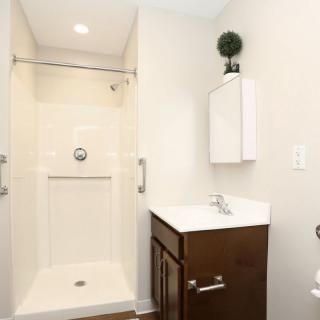
 Private bathrooms
 Restaurant-style dining
 Small library
 Telephone
 Wellness center
 Wi-Fi/high-speed internet available
 Community operated transportation
 12-16 hour nursing
 24-hour call system
 Activities of daily living assistance
 Assistance with bathing
 Assistance with dressing
 Assistance with transfers
 Diabetes diet
 Medication management
 Mental wellness program
 Special dietary restrictions
 Concierge services
 Planned day trips







 Navigating the Tax Landscape of Caregiving: Credits, Deductions, and Beyond
 Highly Beneficial Low-Impact Exercises for Senior Living Residents
 Is In-Home Healthcare Tax Deductible? Your Comprehensive Guide